
Choosing between magnetic and clip-on bib holders for races in the Philippines comes down to balancing fabric protection against mechanical security under intense tropical humidity. While safety pins remain the default option provided in race kits, they inevitably puncture expensive technical singlets and can rust quickly when exposed to heavy sweat. Magnetic holders offer a pin-free, fabric-friendly alternative that relies on magnetic attraction, whereas clip-on holders utilize physical clamping mechanisms to lock the bib in place. Neither option is universally superior; instead, your choice should depend on your specific apparel fabric, your sweat rate, and whether you run with a hydration vest or race belt.
In the local running scene, where weekend races often start in the humid pre-dawn hours and extend into the scorching morning sun, gear reliability is paramount. A loose bib can be a major distraction, flapping against your torso or even falling off entirely before you cross the finish line. By understanding how these two fastening systems interact with your gear and the environment, you can avoid race-day frustrations and focus entirely on your pace.
How Magnetic and Clip-On Bib Holders Work
Magnetic bib holders operate on a simple yet highly effective principle of magnetic attraction. Each holder consists of two separate pieces: a front magnet, which often features a decorative design or brand logo, and a matching backing magnet. To secure your race number, you place the bib against your shirt, position the front magnet over one of the bib’s corners, and slide the backing magnet underneath the fabric from the inside of the shirt. The two pieces snap together, sandwiching both the paper bib and the technical fabric between them without causing any structural damage to the garment.
Products mentioned in this guide
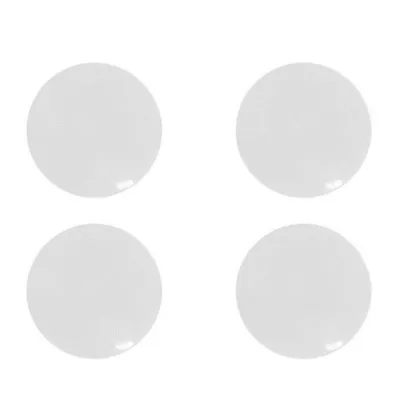
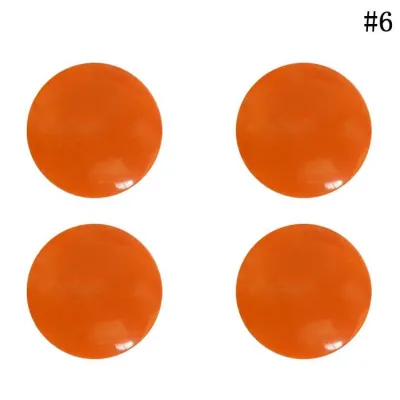
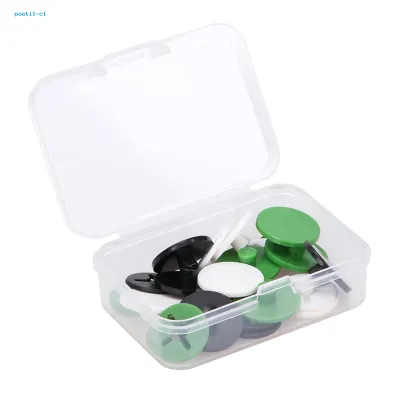
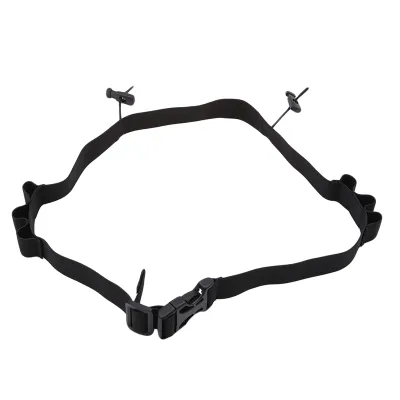
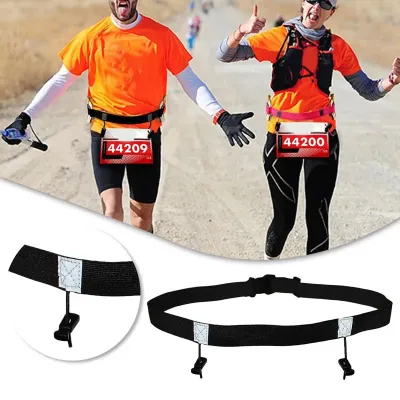
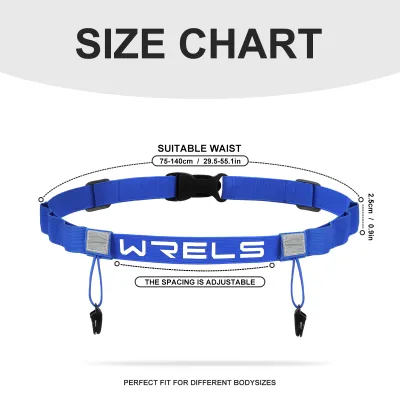
Prices are valid at publication and may change. Please refer to the product page for the latest price.
In contrast, clip-on bib holders rely on physical, mechanical fastening methods to grip your apparel. These systems typically feature a plastic pin or toggle that passes through the pre-punched holes of your race bib and snaps into a receiving clasp on the inside of your shirt. Some alternative designs function as miniature clamps or tension clips that pinch the fabric and the bib together. Because they physically lock onto the material, they do not rely on magnetic fields to maintain their position.
These differing mechanisms result in distinct structural profiles. Magnetic holders are generally flat and compact, but they carry a concentrated weight due to the dense metallic elements inside their casings. Clip-on holders are usually constructed from lightweight molded plastics, which reduces their overall weight but often results in a more protruding physical profile that stands further away from the fabric.
Hold Strength and Fabric Compatibility
The effectiveness of a magnetic bib holder is directly tied to the thickness and texture of your running apparel. Because the magnetic field must pass through both the paper bib and your shirt, these holders perform exceptionally well on thin, lightweight technical singlets. When used with thin polyester or nylon blends, the magnets snap together with maximum force, creating a highly secure grip. However, if you prefer wearing thicker compression shirts, double-layered garments, or heavily textured fabrics, the physical barrier weakens the magnetic attraction, increasing the risk of the bib shifting during your run.

Clip-on holders offer much broader fabric compatibility because they do not rely on magnetic fields. The mechanical clamping or locking mechanism can easily accommodate a wide range of fabric thicknesses, from ultra-thin racing singlets to thick, textured cold-weather gear or double-layered waistbands. This makes them a highly versatile option if you frequently switch between different types of running apparel depending on your training schedule or the race distance.
However, this mechanical grip comes with its own set of trade-offs. The physical pressure exerted by clip-on fasteners can leave temporary indentations or stretch marks on delicate, high-stretch fabrics. If you are wearing an expensive, high-performance singlet made of fine mesh or delicate technical fibers, a clip-on holder might pull at the weave, potentially causing minor snags or fabric distortion over time.
To ensure a secure fit without damaging your gear, always check the manufacturer’s specifications and product labels before purchasing. Look for stated fabric thickness limits, compatibility warnings, and recommendations regarding the types of materials the holders are designed to grip safely.
Performance in Heat, Humidity, and Heavy Sweat
Racing in the tropical climate of the Philippines presents unique challenges, with high humidity and heavy perspiration being constant factors. When you sweat profusely, the moisture acts as a lubricant between your running shirt and the bib holder, which can severely test the limits of both fastening systems.
For magnetic holders, heavy sweat can introduce a significant challenge. While high-quality neodymium magnets are typically encased in plastic or rust-resistant coatings to prevent corrosion, the moisture film on your shirt reduces the friction between the smooth magnet casing and the fabric. During long-distance runs, such as half-marathons or full marathons, this lack of friction, combined with the constant vertical bouncing motion of your stride, can cause the magnets to slide downward or twist, requiring occasional adjustments on the go.
Clip-on holders generally fare better in wet conditions because their mechanical lock is less reliant on surface friction. Plastic clips and toggles are completely immune to sweat-induced rust, maintaining their physical grip regardless of how wet your shirt becomes. However, if the clip-on system utilizes any metal components, such as internal springs, metal pins, or hinges, these parts are highly susceptible to rust and corrosion from the salty moisture of your sweat and the humid air.
When shopping for bib holders, it is crucial to evaluate material claims directly on the product packaging or the manufacturer’s official specifications. Look for explicit mentions of rust-resistant coatings, stainless steel hardware, or textured inner grip surfaces that help maintain friction even when soaked with sweat. Verifying these details beforehand will help you avoid mid-race gear failures and ensure your holders last for multiple racing seasons.
Ease of Use and Race Day Convenience
On race morning, when nerves are high and time is limited, the ease of attaching your bib can set the tone for your run. Magnetic holders are incredibly fast and intuitive to install. You can easily position the bib on your chest, snap the magnets in place, and slide them around to make micro-adjustments until the bib sits perfectly straight and flat. This can be done while wearing the shirt, allowing you to see exactly how the bib looks and feels in real-time.
Clip-on holders require a bit more preparation and manual dexterity. If your race bib does not come with pre-punched corner holes, you will need to manually puncture the paper with the clip’s pin or toggle before you can secure it to your shirt. This process can be slightly tedious, especially if the bib paper is thick or laminated. Additionally, making adjustments once the clips are locked in place usually requires unclamping the mechanism entirely, which is difficult to do accurately while wearing the shirt.
The convenience factor also extends to mid-race adjustments. If you need to adjust your bib on the go—perhaps because it is rubbing against your hydration vest or because you need to access a pocket—magnetic holders allow for instant, one-handed repositioning. Clip-on holders, with their secure mechanical locks, require you to stop running, use both hands to release the clasp, reposition the fabric, and snap the lock back into place, which can disrupt your running rhythm.
Weight, Comfort, and Chafing Risks
The physical profile and weight of your bib holders play a significant role in your overall comfort, particularly during long-distance endurance events where repetitive motions can amplify even the smallest irritations.
Magnetic holders are inherently heavier than clip-on models due to the density of the magnets themselves. While a few extra grams may seem insignificant, this concentrated weight can cause very lightweight, wet technical singlets to sag slightly at the chest. This sagging can lead to increased bouncing, which some runners find distracting. On the positive side, magnetic holders feature a very flat, rounded, and smooth profile, which minimizes the risk of the holder catching on your arms, hydration vest straps, or race belt.
Clip-on holders are exceptionally lightweight because they are constructed primarily of molded plastics. They do not cause lightweight fabrics to sag, ensuring your singlet retains its shape throughout the race. However, their mechanical design often results in a more protruding profile with raised edges, toggles, or clips. These physical protrusions can rub against the inside of your arms during your running stride, or press uncomfortably against your skin if worn underneath the tight straps of a hydration vest.
To minimize the risk of chafing and discomfort, check the physical weight and dimensions listed by the manufacturer. Matching these specifications to your personal comfort preferences and your typical race-day gear setup will help ensure a distraction-free run from start to finish.
Decision Framework: Which Bib Holder Should You Choose?
Choosing the right bib holder depends on your personal preferences, your race-day apparel, and how you manage gear in hot, humid conditions.
You should choose magnetic bib holders if you primarily wear thin, high-performance technical singlets and want to completely avoid fabric damage, pinholes, or snags. They are also the ideal choice if you value quick, effortless installation and want the ability to make instant, one-handed adjustments to your bib’s position while running.
You should choose clip-on bib holders if you frequently wear thicker running shirts, textured compression gear, or double-layered apparel where magnets might struggle to maintain a strong hold. They are also highly suitable if you run with a hydration vest or race belt and require a definitive, mechanical lock that will not slide or shift under the influence of heavy sweat and constant movement.
Before making your final purchase, always verify your gear setup. Check the thickness and texture of your favorite race shirts, review the holder’s stated compatibility limits on the packaging, and ensure the materials are fully rated to withstand high-humidity environments without corroding or losing their grip.
Frequently Asked Questions (FAQ)
Can I use a magnetic bib holder on a hydration vest?
Hydration vests are typically constructed from thick, durable mesh, padded shoulder straps, or heavy-duty nylon fabrics. Because magnetic bib holders rely on a close physical proximity to maintain their hold, these thick materials can significantly weaken the magnetic attraction between the front and backing pieces. If you attempt to attach your bib directly to a thick vest strap, the magnets may slide off or become dislodged during your run. Before attempting this, check the manufacturer’s specifications to verify if the magnets are rated for heavy-duty fabrics, or consider using a dedicated race belt instead.
How do I clean my bib holders after a sweaty race?
Sweat contains high concentrations of salt and minerals that can accumulate on your gear, potentially leading to material degradation or corrosion over time. After completing a race, rinse your bib holders thoroughly under clean, running tap water to wash away any sweat residue. For magnetic holders, wipe them dry with a soft cloth immediately to prevent moisture from being trapped in any seams. For clip-on holders, pay close attention to any metal springs, pins, or hinges, ensuring they are completely dry before storing them in a cool, dry place. Always consult the manufacturer’s care instructions for any specific cleaning limits.
Will clip-on bib holders damage my expensive running shirts?
Clip-on holders utilize mechanical pressure to clamp onto your apparel, which can stretch or leave temporary indentations on delicate technical fabrics. If the clips feature sharp plastic teeth or require you to force a pin through the fabric weave, there is a risk of snagging fine mesh or damaging high-stretch elastane fibers. To minimize the risk of damage, always position the clips away from high-tension seams, ensure the clamping surfaces are smooth and free of manufacturing defects, and avoid over-tightening the mechanism on your most delicate running shirts.
Community discussion
Share your experience or ask a question. Comments are reviewed before publication.