
Choosing how to secure your race number on your running kit might seem like a minor detail, but it can significantly impact your race-day comfort and the lifespan of your athletic apparel. The best race bib number holder depends on your specific race goals, the value of your running apparel, and your comfort preferences. There is no single universal option that works perfectly for every running scenario.
For runners who invest in high-end, delicate technical singlets, magnetic bib holders offer a secure grip with absolutely zero fabric damage. If you are a multi-sport athlete, a trail runner, or someone who prefers to keep their shirt completely free from attachments, an elastic bib belt is a highly functional choice that also provides extra storage. Traditional safety pins remain the go-to option for runners seeking the absolute lightest setup, maximum reliability under extreme conditions, and zero added cost.
In tropical climates with high humidity, factors like sweat-induced rust, chafing against damp skin, and fabric weight gain become critical decision points. Understanding how each attachment style performs under these demanding conditions will help you select the right tool for your next finish line.
Products mentioned in this guide
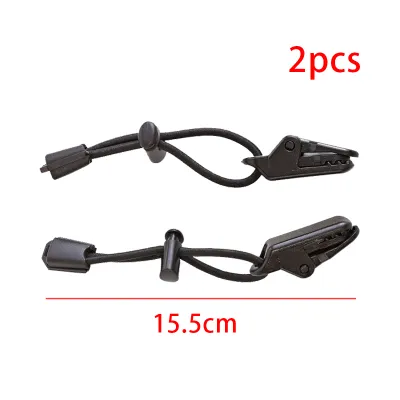
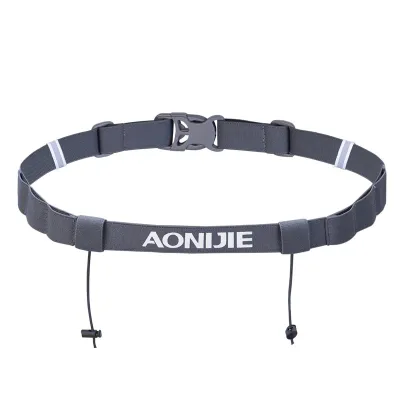
Prices are valid at publication and may change. Please refer to the product page for the latest price.
Understanding the Three Bib Holder Mechanisms
To make an informed decision, it is essential to understand how each of these three options functions and interacts with your clothing during a run.
Magnetic Bib Holders
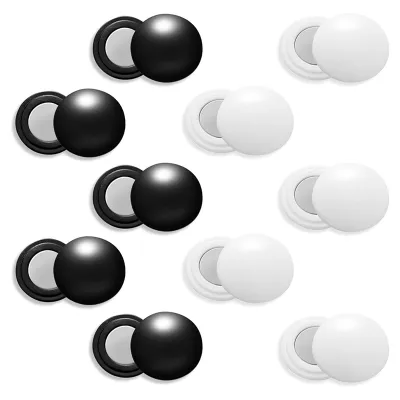
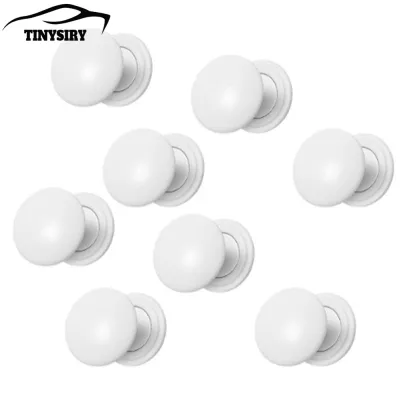
Magnetic holders utilize high-strength neodymium magnets to clamp your race bib directly onto your shirt. Each holder consists of two matching pieces: a smooth, lightweight backing magnet that goes on the inside of your garment, and a front magnet that snaps over the bib on the outside. By sandwiching the fabric and the paper-like bib material (typically durable Tyvek) between them, they create a powerful mechanical bond. This system relies entirely on magnetic attraction rather than piercing the fabric fibers, keeping your apparel intact.
Elastic Belts and Straps
Elastic race belts are adjustable bands made of stretchable nylon, polyester, or neoprene that buckle securely around your waist or hips. Instead of mounting the bib to your shirt, you attach it directly to the belt using integrated plastic toggles, press studs, or adjustable elastic loops. This completely decouples the bib from your upper-body clothing. Because the belt sits independently on your waist, your running top remains completely free from tension, friction, and punctures throughout the entire duration of your run.
Pin-Style Holders
Safety pins are the traditional, time-tested method for securing a race bib. Standard safety pins, usually made of steel or brass, pierce through the pre-punched holes in the corners of the bib and then through the chest fabric of your running top. The pin is then closed and locked into its clasp. This mechanical connection is incredibly secure because the metal physically loops through both the bib and the shirt, relying on the structural integrity of the fabric to stay in place.
Core Comparison Dimensions for Runners
When evaluating these three bib-holding methods, you must consider how they perform across several key performance areas. Each mechanism presents distinct trade-offs regarding fabric protection, comfort, weight, and ease of use.

Fabric Protection and Kit Damage
Modern technical running wear utilizes delicate, high-performance synthetic knits designed for maximum breathability and moisture-wicking. Piercing these advanced fabrics with safety pins physically cuts or separates the woven fibers. Over time, or during high-movement races, these small punctures can stretch, run, or tear, permanently ruining expensive singlets. This damage is especially prominent in ultra-lightweight mesh tops and compression garments, where the fabric is under constant tension.
In contrast, magnetic holders solve this issue by eliminating punctures entirely. However, they are not completely risk-free for delicate fabrics. If you slide or drag the magnets across the fabric to adjust the bib position, the high friction can pull or pill delicate microfibers. It is crucial to lift and place the magnets cleanly rather than sliding them. Additionally, very thin fabrics can experience minor pinching or temporary indentations from the magnetic pressure, though these marks typically disappear after a standard wash cycle.
Elastic belts offer the absolute highest level of fabric protection because they do not touch your shirt at all. Your running singlet or t-shirt remains completely free from tension, friction, and punctures. This makes elastic belts the ideal choice if you frequently wear premium apparel and want to keep your gear in pristine condition.
Stability, Comfort, and Chafing
During a long-distance run, repetitive movement can turn minor friction points into painful chafing, a problem that is severely exacerbated by heavy sweating. Safety pins hold the bib flat against your chest, but if they are pinned too tightly, they can pull the shirt taut against your skin, creating localized friction points. If a pin accidentally unclasps or bends during a race, the sharp metal point can scratch or puncture your skin. Furthermore, cheap steel safety pins can rust quickly when exposed to salty sweat and high humidity, leaving permanent orange stains on light-colored garments.
Magnetic holders add localized weight to your chest. If your running singlet is loose-fitting, this extra weight can cause the shirt to drape awkwardly or bounce during high-cadence running, leading to annoying flapping noises or friction against the chest. The hard plastic or metal backings of the magnets can also rub against the skin underneath your shirt, potentially causing localized chafing over marathon distances. To prevent this, runners often need to ensure their sports bra or an underlayer blocks direct contact between the magnet backing and the skin.
Elastic belts eliminate chest chafing but introduce potential waist chafing. If the belt is too loose, it will bounce and ride up your torso, rubbing against your waistline. If it is too tight, it can restrict your breathing or cause skin irritation around your hips, particularly when the elastic band becomes soaked with sweat. Selecting a belt with a soft, brushed backing and adjusting it to sit snugly on your hips can help mitigate these comfort issues.
Weight and Aerodynamics
For competitive runners aiming for a personal record, every gram of gear matters. Safety pins are the undisputed lightweight champion, weighing mere grams per set of four. They keep the bib perfectly flush against your chest, minimizing wind resistance and aerodynamic drag, which is why they remain the preferred choice for elite track and road racers.
Magnetic holders are significantly heavier than pins. A set of four magnetic pairs typically weighs between 12 to 20 grams. While this sounds negligible, the concentrated weight on a lightweight, wet singlet can feel noticeable to sensitive runners. It can cause the fabric to sag slightly, increasing the “flap-factor” as wind catches the loose edges of the bib during fast descents or windy race days.
Elastic belts are the heaviest and bulkiest option, adding a complete strap and buckle system to your waist. However, because the weight is distributed around your center of gravity (the hips), the physical weight is often less distracting than magnets bouncing on your chest. Many belts also feature integrated gel loops, allowing you to carry nutrition without needing an extra waist pack.
Ease of Use and Transition Speed
On a crowded, humid morning before a major race, stress levels can run high, making simple tasks more difficult. Safety pins require fine motor skills, two hands, and patience to align the bib straight. If you pin it crookedly, you have to unpin and start over, creating more holes in your shirt. Doing this with sweaty hands or pre-race jitters can be highly frustrating.
Magnetic holders are much faster to apply. You can place the bib on your chest, slide a backing magnet behind the fabric, and let the outer magnet snap into place. However, aligning all four corners perfectly straight can still take a couple of attempts, and dropping a small magnet in the grass at a crowded starting corral can be difficult to resolve.
Elastic belts excel in ease of use and transition speed. You can attach your bib to the belt the night before the race in the comfort of your home. On race day, you simply click the plastic buckle around your waist. This makes them the gold standard for triathlons, where you must quickly move your bib from your back (for the cycling leg) to your front (for the running leg) without wasting precious seconds in the transition area.
Side-by-Side Race Bib Holder Comparison
The table below summarizes the key differences between the three main bib holder mechanisms to help you quickly evaluate their pros, cons, and ideal scenarios.
| Feature | Magnetic Holders | Elastic Holders/Belts | Pin-Style |
|---|---|---|---|
| Fabric Damage Risk | Zero | Zero | High (permanent punctures) |
| Relative Weight | Moderate (12–20g per set) | Heaviest (adds waist strap) | Lightest (negligible weight) |
| Ease of Use | Quick but requires alignment | Fastest (pre-assemble & buckle) | Slowest (requires manual pinning) |
| Chafing Risk | Low to Moderate (if shirt bounces) | Moderate (potential waist friction) | Low to Moderate (if pins rust/poke) |
| Best Use Case | Premium road race singlets | Triathlons, trail runs, multi-layering | Budget-conscious runners & minimalists |
How to Choose the Right Holder for Your Racing Needs
To make your final decision, evaluate your typical racing conditions, your budget, and the type of apparel you wear most frequently.
Choose Magnetic if:
- You regularly invest in expensive, high-end running singlets or compression wear and want to prevent fabric damage.
- You prefer a clean, streamlined look for your race-day photographs without visible safety pins.
- You do not mind a very slight increase in localized chest weight and are comfortable ensuring your shirt is snug enough to prevent bouncing.
Choose Elastic if:
- You participate in triathlons or obstacle course races where quick gear adjustments and bib rotations are mandatory.
- You want to carry energy gels, hydration, or small personal items on your waist without wearing a separate, bulky pack.
- You absolutely hate having any extra weight, magnets, or pins attached directly to your shirt fabric.
Choose Pin-Style if:
- You are looking for a zero-cost, highly reliable solution that is readily available at every single race registration table.
- You primarily wear older or dedicated race-day shirts where cosmetic wear and minor pinholes do not matter.
- You are a competitive runner aiming to minimize every single gram of weight while keeping your bib perfectly flush against your body.
Verify First
Before making your final choice, always check the care labels and manufacturer guidelines for your specific running garments. If you plan to wear a highly technical windbreaker, a waterproof running jacket, or an ultra-thin compression top, verify the fabric’s limits. Piercing a waterproof membrane with safety pins will permanently ruin its water-resistant integrity, allowing rain to seep through the holes. In such cases, using an elastic belt or a specialized magnetic system is highly recommended to protect your investment.
Additionally, budget-conscious runners should note that while safety pins are free, magnetic holders typically range from ₱300 to ₱800, and basic elastic belts can cost between ₱200 and ₱600. Investing in a dedicated holder can save you money in the long run by extending the lifespan of your expensive athletic apparel.
Frequently Asked Questions (FAQ)
Will magnetic bib holders fall off during a marathon?
High-quality neodymium magnets provide a very strong grip that easily withstands the repetitive vertical motion of running. However, they can shift or fall off if they are accidentally brushed by a hydration pack strap, a thumb loop, or if you vigorously wipe sweat off your chest with your shirt. To prevent this, ensure the magnets are snapped flat against each other, the fabric is not excessively bunched up, and you avoid touching the chest area during the race.
Can I use safety pins on waterproof or windproof running jackets?
You should avoid using safety pins on any waterproof or windproof running apparel. Piercing these specialized fabrics creates permanent holes that compromise the laminate or coating, allowing water and wind to penetrate the garment. This damage is irreversible and will likely void the manufacturer’s warranty. Instead, opt for an elastic race belt that sits comfortably over your jacket, or use magnetic holders if the jacket fabric is thin enough to allow a strong magnetic connection.
Community discussion
Share your experience or ask a question. Comments are reviewed before publication.