
Quick Answer: Which Kite Reel Winder Should You Choose?
Selecting the right kite reel winder depends on your typical flying conditions, the size of your kite, and how much physical effort you want to expend. For casual flyers, families, and beginners operating small to medium single-line kites, a manual kite reel winder is generally the best choice. These winders are highly affordable, virtually indestructible, and provide the direct physical feedback needed to feel how your kite is responding to changing wind currents.
If you are an avid hobbyist, fly large power or traction kites, or frequently let out hundreds of meters of line, an automatic kite reel winder is the superior option. These battery-powered, motorized devices take the physical strain out of kite retrieval, allowing you to wind in heavy-duty lines in a fraction of the time it takes to do so manually. They are particularly beneficial for long flying sessions where manual cranking would otherwise lead to severe wrist and arm fatigue.
Ultimately, your decision should align with your budget and physical comfort. While a manual reel offers simplicity and reliability at a lower cost, an automatic winder provides unmatched convenience and speed for managing high-tension lines. Balancing these factors ensures you choose a tool that enhances your time outdoors without causing unnecessary frustration.
Products mentioned in this guide
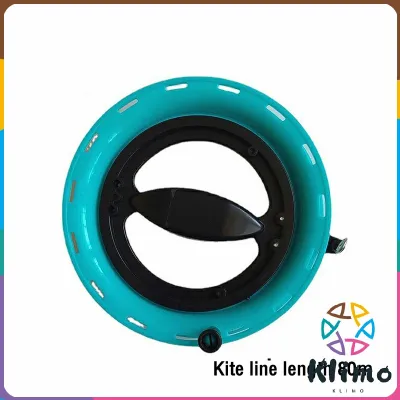
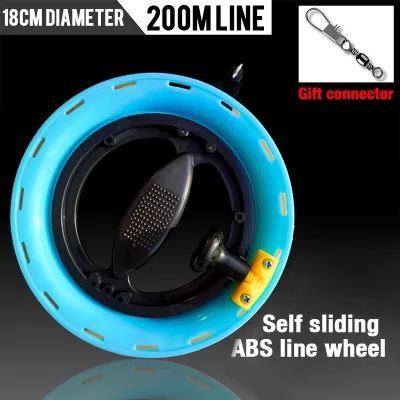
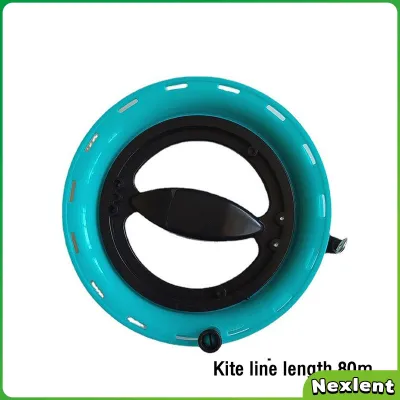
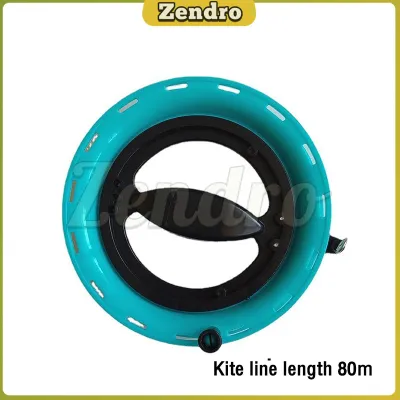
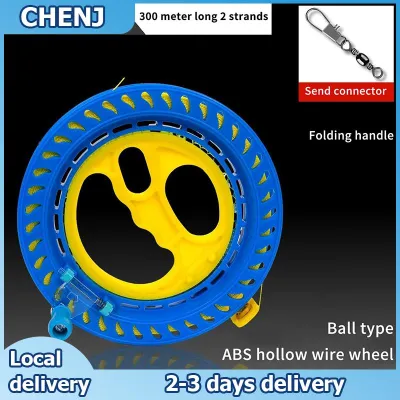
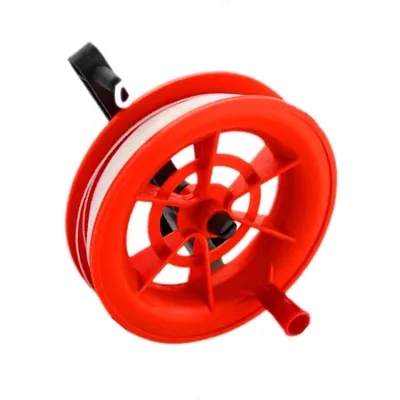
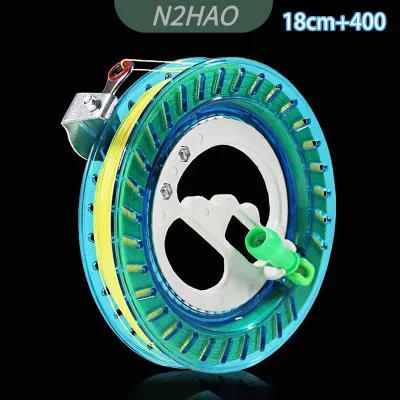
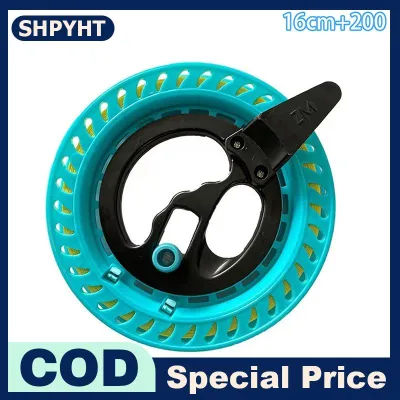
Prices are valid at publication and may change. Please refer to the product page for the latest price.
How Manual and Automatic Kite Winders Actually Work
To make an informed decision, it is essential to understand the mechanical differences between these two gear types. Manual kite winders rely entirely on human power to operate. They typically feature a circular spool or a wheel mounted on a central axle with ball bearings, allowing the reel to spin freely when letting line out. To retrieve the line, you must physically turn a hand crank or rotate the outer rim of the wheel, directly transferring your physical energy into pulling the kite back toward the ground.

Automatic kite winders, on the other hand, introduce electrical automation to the retrieval process. In the modern kite flying market, the term ‘automatic’ does not refer to a spring-loaded self-winding mechanism like a tape measure. Instead, it describes a motorized reel powered by a rechargeable lithium-ion battery. These devices feature a small electric motor integrated into the reel hub, which is activated by a push-button, trigger, or variable-speed switch to wind the line back onto the spool automatically.
The fundamental difference between the two lies in physical feedback versus mechanical convenience. With a manual reel, your hands and arms act as the motor, giving you an immediate sense of the line’s tension and the kite’s behavior. An automatic reel replaces this physical connection with a motorized drive, prioritizing rapid, effortless line retrieval at a steady, controlled speed.
Key Comparison Dimensions for Kite Reel Winders
Choosing the perfect kite reel winder requires evaluating how each type performs across real-world flying scenarios. From managing unpredictable wind gusts to surviving sandy beach environments, each design offers distinct advantages and trade-offs.
Control and Line Tension Management
Manual winders excel at providing direct, tactile feedback from the kite to your hands. When flying in areas with highly variable wind patterns, such as coastal beaches or open fields, being able to feel sudden changes in line tension is critical. If a strong gust of wind suddenly hits your kite, a manual winder allows you to immediately feel the increased pull. You can instantly react by letting the spool slip through your fingers or releasing the mechanical brake, letting out more line to relieve the sudden tension and prevent a costly line snap.
Automatic winders operate with a motorized drive that retrieves line at a set speed, which presents a different set of challenges for tension management. Because the motor pulls with constant force, it cannot feel a sudden gust of wind the way a human hand can. If the motor continues to reel in line while the kite is experiencing extreme upward lift, the tension can quickly exceed the line’s breaking strength, leading to a snap. To prevent this, users of automatic winders must monitor the kite visually at all times and be ready to release the trigger or adjust the motor’s speed settings manually.
Furthermore, manual winders give you precise control over how quickly or slowly you feed line to the kite during launch. You can easily control the spool’s rotation with a hand brake or thumb pressure, ensuring the line feeds out smoothly without creating nested tangles, also known as backlash. Automatic winders require a learning curve to master the balance between motor speed and the kite’s natural ascent, making them slightly more complex for absolute beginners to operate safely.
Physical Effort and Retrieval Speed
The physical demand of retrieving a kite is where the two winder types diverge most dramatically. Winding in 300 to 500 meters of high-tensile line against a strong wind using a manual crank is a demanding physical workout. The resistance generated by a large kite can make manual cranking incredibly tiring, often causing sore wrists, forearm fatigue, and even painful blisters if you are not wearing protective gloves. For children, elderly flyers, or individuals with joint conditions like arthritis, manual retrieval can quickly turn an enjoyable hobby into an exhausting chore.
Automatic winders completely eliminate this physical strain by letting the electric motor do all the heavy lifting. With the simple press of a button, the motorized reel retrieves the line smoothly and rapidly, often at speeds exceeding two meters per second. This effortless retrieval makes long flying sessions highly accessible to everyone, regardless of physical strength or age. It allows you to focus on the joy of flying rather than worrying about the exhausting task of bringing the kite back down.
Retrieval speed is also a crucial safety factor when weather conditions change unexpectedly. In tropical climates, sudden rain showers or shifting wind storms can develop rapidly. If you need to bring your kite down quickly to protect it from damage or to avoid lightning hazards, an automatic winder can retrieve hundreds of meters of line in a matter of minutes. A manual winder, by contrast, requires several minutes of continuous, high-speed cranking, leaving you and your gear exposed to the elements for much longer.
Durability and Beach Maintenance
The environments where kites are most commonly flown—such as sandy beaches, grassy parks, and dusty fields—can be incredibly harsh on outdoor gear. Manual winders are celebrated for their mechanical simplicity and rugged durability. Constructed primarily from high-impact ABS plastic, aluminum, or stainless steel, they contain no electrical components, delicate wiring, or batteries. If you accidentally drop a manual winder into wet sand or splash it with salty ocean water, there is very little risk of permanent damage.
Maintaining a manual winder is straightforward and highly forgiving. A quick rinse under a freshwater tap is usually all it takes to wash away sand, salt, and dirt from the ball bearings and rotating spool. Once rinsed, the reel can simply be left to air dry in the shade. Because there are no electronic parts to rust or short-circuit, a well-made manual winder can easily last for years with minimal upkeep, making it a highly reliable tool for spontaneous outdoor adventures.
Automatic winders require a much higher level of care and protective maintenance due to their sensitive electronics. Fine beach sand is a major enemy of motorized reels, as tiny grains can easily penetrate the motor housing, clogging the gears and causing the motor to overheat or seize. Additionally, high humidity and exposure to salty coastal air can accelerate the corrosion of battery terminals, charging ports, and internal wiring. If an automatic winder is dropped into salt water, the internal circuitry can suffer immediate, irreversible damage.
To keep an automatic winder functioning safely, you must commit to a strict maintenance routine. This includes wiping down the exterior with a damp cloth after every use, keeping the motor housing sealed against dust and moisture, and storing the device in a padded, dry carrying case. You must also manage battery health by charging the lithium-ion battery regularly, even during periods of disuse, to prevent deep discharge issues that can permanently reduce the battery’s overall lifespan.
Matching the Winder to Your Kite Size and Flying Frequency
To choose the right gear, you must evaluate your specific flying habits, the physical characteristics of your kites, and where you plan to fly. Equipment that works beautifully for a casual park outing with children may prove entirely inadequate for flying high-performance traction kites along a windy coastline.
Before launching, check your physical grip, verify the wind speed, and ensure you are wearing protective gloves to prevent line cuts. If wind speeds exceed your ability limits or the kite’s recommended flying range, stop flying immediately. Equipment cannot replace training, preparation, and sound judgment.
For small to medium single-line kites—such as classic diamonds, deltas, or parafoils under two meters in wingspan—a manual winder is almost always the most practical choice. These kites do not generate massive pull, meaning the line tension remains highly manageable. Winding in 100 to 200 meters of line by hand is relatively easy and takes only a few minutes. If you only fly kites occasionally during family picnics, holiday outings, or weekend beach trips, a simple manual reel provides all the performance you need without the added weight and maintenance of a motorized system.
If your collection includes large delta kites, dual-line stunt kites, or heavy-duty traction and power kites, an automatic winder becomes a highly valuable asset. These larger kites generate immense lift and physical pull, which can make manual winding not only exhausting but potentially hazardous. The high tension on the line can cause a manual reel to spin out of control if you lose your grip, risking severe friction burns or cuts to your hands. A motorized winder provides the mechanical advantage needed to reclaim high-tension lines safely and controlledly.
Line capacity is another critical deciding factor to consider before making a purchase. Manual reels are highly efficient for managing shorter lines up to 300 meters. However, if you are an advanced flyer who enjoys sending kites to extreme altitudes using 500 to 1,000 meters of line, manual winding becomes an incredibly tedious task. A motorized reel makes high-altitude flying far more practical, allowing you to retrieve long lines quickly and pack up your gear without physical exhaustion.
Before purchasing any automatic winder, always verify the manufacturer’s recommended line weight and kite size limits. Motorized reels are designed to operate within specific load capacities. Attempting to retrieve a massive, high-pull power kite with an underpowered motorized winder can easily overload the electric motor, causing it to overheat, strip its internal gears, or burn out the battery. Matching the motor’s power rating to your kite’s specifications is essential for ensuring safe operation and protecting your investment.
Budget and Value: Pricing Tiers in PHP
Understanding the financial investment required for each type of winder helps you evaluate which option offers the best value for your specific needs. In the Philippine market, kite reel winders span a wide range of prices, reflecting differences in materials, engineering, and automation.
At the entry-level tier, basic manual plastic spools and simple hoop winders generally cost between ₱150 and ₱500. These are typically made of molded plastic and lack advanced features like ball bearings or mechanical brakes. While they are highly affordable and perfect for children flying light toy kites, they are prone to cracking under high tension and can be uncomfortable to hold for extended periods.
Moving up to the mid-range tier, heavy-duty manual crank reels with integrated ball bearings, hand brakes, and line guides generally range from ₱800 to ₱2,500. These winders are constructed from durable materials like high-impact ABS plastic or lightweight aluminum alloys. They offer incredibly smooth rotation, comfortable ergonomic handles, and robust braking systems that can handle medium to large kites. For the vast majority of hobbyists, this tier represents the sweet spot of durability, performance, and value.
The premium tier consists of motorized automatic winders, which typically retail from ₱3,500 to ₱8,000 or more. The higher price tag is directly justified by the cost of the integrated electric motor, rechargeable lithium-ion battery pack, variable speed controller, and heavy-duty metal internal gears. Premium models often feature digital line counters, ergonomic harness mounts to help distribute weight, and weather-resistant seals to protect the electronics from light moisture and dust.
When evaluating the value of an automatic model, pay close attention to the battery capacity, measured in milliampere-hours (mAh). A larger battery capacity ensures the motor has enough runtime to complete multiple high-altitude retrievals on a single charge. Additionally, consider the long-term costs associated with automatic winders. Unlike manual reels, which require virtually no ongoing expenses, motorized models may eventually require replacement batteries, specialized charging cables, or professional repairs if the motor housing is compromised by sand or moisture.
Final Decision Framework: Which Winder Fits Your Needs?
To finalize your decision, use this straightforward conditional framework to match your flying style and environment with the ideal winder type.
Choose a manual kite reel winder if:
- You fly occasionally: Your kite flying is limited to seasonal family outings, beach trips, or casual weekend park visits.
- You use small to medium kites: Your kites have a wingspan under two meters and do not generate extreme pull.
- You prioritize durability and low maintenance: You want a rugged tool that you can drop in the sand, rinse with fresh water, and store without worrying about batteries or electronic failure.
- You prefer tactile control: You enjoy feeling the wind's micro-adjustments directly through the line and want immediate control over tension.
- You are budget-conscious: You prefer to keep your equipment investment under ₱2,500.
Choose an automatic kite reel winder if:
- You fly large or high-pull kites: You regularly fly power kites, traction kites, or large deltas that generate heavy physical resistance.
- You manage long lines: You frequently fly at high altitudes requiring 500 to 1,000+ meters of line.
- You want to minimize physical strain: You suffer from wrist fatigue, joint pain, or simply want to avoid the exhausting workout of manual cranking.
- You prioritize convenience and speed: You want to retrieve your kite quickly and effortlessly, especially when sudden tropical rainstorms require a fast pack-up.
- You are willing to maintain electronics: You do not mind charging batteries, cleaning gears, and storing the device safely away from moisture and sand.
Verify these critical factors before you buy:
- Local regulations: Ensure that the public parks, beaches, or open spaces where you plan to fly do not have specific safety restrictions regarding motorized outdoor gear.
- Line compatibility: Double-check that the winder's spool design and line guide are fully compatible with your preferred line thickness and material, such as Dacron, Dyneema, or Kevlar.
- Power options: If choosing an automatic model, verify that the charging system is compatible with standard USB ports or power banks, allowing you to recharge your gear while spending long days outdoors.
Frequently Asked Questions (FAQ)
Can I use a standard fishing reel as a kite winder?
While it is physically possible to spool kite line onto a standard fishing reel, it is generally not recommended for medium or large kites. Fishing reels are engineered to handle the fluid, dynamic resistance of water and fish, which involves intermittent pulling and releasing. Kites, by contrast, exert a constant, high-tension aerial pull that can quickly strip the delicate internal gears of a standard fishing reel. Additionally, the gear ratios on fishing reels are not optimized for retrieving hundreds of meters of line under continuous, heavy tension, which can lead to mechanical failure.
How do I clean sand out of my kite reel winder?
To clean sand out of a manual winder, gently rinse the entire assembly under a stream of cool, fresh water, avoiding high-pressure sprays that could force sand deeper into the ball bearings. Manually rotate the spool while rinsing to help dislodge any trapped grit. For automatic winders, wipe the exterior down with a damp microfiber cloth and use a soft-bristled brush to gently sweep sand away from seams, buttons, and ports. Never submerge an automatic winder or spray water directly into the motor housing or charging ports, and always allow both types of winders to air dry completely in the shade before storing them in a closed case.
Community discussion
Share your experience or ask a question. Comments are reviewed before publication.