
Choosing the right tool to keep your sports gear inflated can mean the difference between a seamless game and a frustrating delay. Whether you are preparing basketballs for a weekend game at the local community court or prepping your bicycle tires for a long ride along provincial roads, having a reliable inflation tool is essential. Neither a manual hand pump nor an electric air pump is universally better for every athlete; the right choice depends entirely on your specific sports routine, the gear you use, and where you plan to use it.
Electric air pumps excel in speed and convenience, making them ideal for high-volume tasks or frequent high-pressure tire inflation at home. Manual pumps win in portability, reliability, and budget, serving as essential fail-safe tools for on-the-go athletes who cannot risk running out of battery power in remote areas. By evaluating your equipment needs, carrying capacity, and usage frequency, you can make the most practical decision for your lifestyle.
Key Differences Between Manual and Electric Air Pumps
To choose the right tool, it helps to understand the fundamental mechanical and operational distinctions between these two pump types. Manual air pumps rely entirely on physical force, using a hand-operated piston or a foot pedal to compress air and push it through a hose into your equipment. This simple mechanical design has very few moving parts, which generally translates to high durability and a low risk of mechanical failure.
Products mentioned in this guide
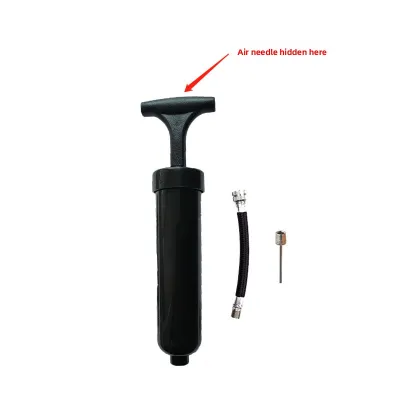
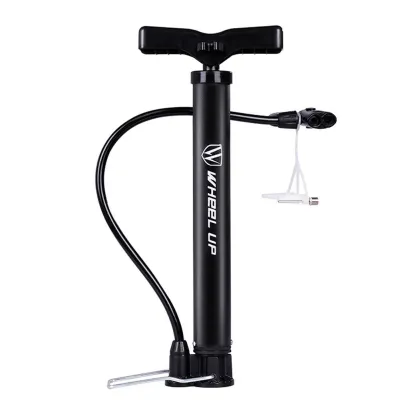
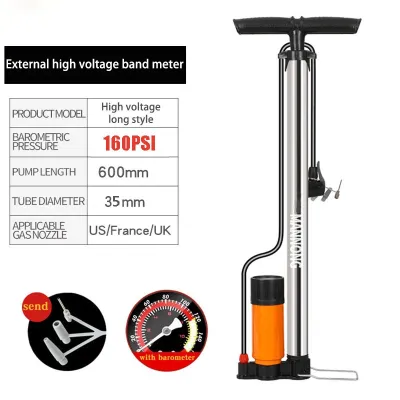
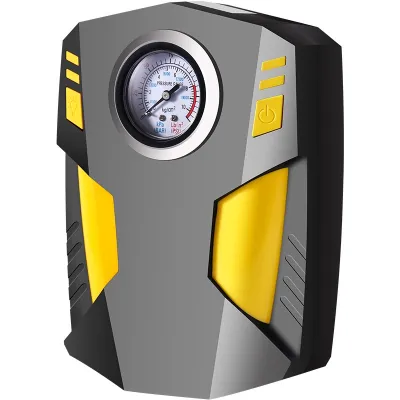

Prices are valid at publication and may change. Please refer to the product page for the latest price.
In contrast, electric air pumps utilize a small internal motor powered by a rechargeable lithium-ion battery, a 12V car adapter, or a standard wall outlet. Instead of manual labor, the motor drives the piston to compress air automatically. This motorized design allows electric pumps to include advanced electronic features, such as digital pressure sensors, LED screens, and automatic shut-off mechanisms that stop inflation once a target pressure is reached.
These mechanical differences directly influence the physical form factors of each pump type. Manual pumps typically feature long, slender cylinders made of lightweight aluminum or plastic, making them easy to slide into a bag. Electric pumps are generally bulkier and heavier due to the weight of the motor and battery pack. Additionally, manual pumps usually feature traditional analog dial pressure gauges, while electric models rely on digital screens that display real-time pressure readings.
Comparing Inflation Speed and Physical Effort
The trade-off between saving physical energy and managing power limitations is a key factor when comparing these two tools. Electric air pumps automate the inflation process entirely, allowing you to connect the nozzle, set your desired pressure, and let the device do the work. This automation is highly beneficial when you need to inflate multiple sports balls before a team practice or when dealing with high-pressure bicycle tires that require significant effort to fill manually.

Manual pumps require continuous physical exertion, which can become tiring, especially in hot and humid tropical weather. While topping up a standard basketball or volleyball to a low pressure is relatively quick and manageable with a hand pump, inflating a high-pressure road bike tire can be physically demanding. The effort required increases significantly as the pressure inside the tire rises, making a manual pump less ideal for athletes who frequently need to inflate high-pressure gear from scratch.
However, performance varies widely by model, so you should always check the manufacturer’s specifications for maximum PSI (pounds per square inch) and inflation rates. Some compact manual pumps are optimized for high volume, while others are geared toward high pressure. Similarly, electric pumps have varying motor capacities; smaller pocket-sized electric models may take longer to inflate a tire than a robust, plug-in garage compressor.
Another critical consideration is power dependency. Electric pumps are only functional as long as their batteries are charged or they have access to an active power outlet. If you forget to charge your electric pump before heading to a remote trail or court, the device becomes unusable. Manual pumps require no external power source, ensuring they are always ready to perform whenever and wherever you need them.
Portability, Weight, and Storage Considerations
How and where you plan to carry your pump is a major factor in determining which type fits your sports lifestyle. Manual hand pumps are highly portable, featuring lightweight designs that can easily mount directly to a bicycle frame using a small bracket or slide into a jersey pocket. This makes them the preferred choice for cyclists and outdoor athletes who need a reliable emergency tool during long rides or remote excursions.
Electric pumps, while increasingly compact, carry a heavier and bulkier profile due to their internal batteries and motors. While some modern pocket-sized electric pumps can fit into a backpack, they still add noticeable weight to your gear. Consequently, electric pumps are generally better suited for storage in car trunks, gym bags, or home garages, where weight is less of a concern.
When evaluating your carrying options, use a simple checklist to determine if a pump fits your routine. Consider the total weight of the unit, its physical dimensions, and whether it includes mounting brackets or a protective storage case. If your sport requires you to travel light and cover long distances on foot or by bike, a lightweight manual pump is often the more practical companion.
Price Ranges and Long-Term Maintenance Costs
Evaluating the financial commitment of a pump requires looking beyond the initial purchase price to consider long-term usability and upkeep. Manual pumps generally feature a lower upfront cost, making them an affordable and accessible option for casual players and budget-conscious athletes. Because they do not contain complex electronics, you can find durable manual pumps that last for years with minimal financial investment.
Electric pumps require a higher initial investment due to the cost of their electronic components, digital sensors, and rechargeable batteries. While they offer superior convenience, you must decide if the time saved justifies the higher upfront cost. Additionally, prices in ₱ across reputable sports stores and online marketplaces fluctuate based on brand reputation, battery capacity, and extra features like built-in flashlights or power bank capabilities.
Long-term maintenance also differs significantly between the two types. Manual pumps are highly durable but may occasionally require basic maintenance, such as replacing worn rubber O-rings or applying silicone lubrication to the piston shaft to maintain a tight seal. These replacement parts are generally inexpensive and easy to install.
Electric pumps require careful battery maintenance to ensure longevity, especially in warm, humid climates. Lithium-ion batteries can degrade over time if left completely discharged or exposed to extreme heat, such as inside a parked car. Eventually, the internal battery may need replacement, or the entire unit may need to be replaced if the battery is non-serviceable. Before purchasing, verify the local warranty terms and the availability of replacement parts, such as charging cables and replacement hoses, in the Philippines.
How to Match the Pump to Your Specific Sports Gear
To ensure compatibility and safety, you must match the pump’s capabilities to the specific inflation requirements of your sports equipment. Sports balls, such as basketballs, footballs, and volleyballs, require relatively low pressure, typically ranging from 4 to 13 PSI. Because these items are easily damaged by excessive pressure, using a pump with an accurate gauge is critical to avoid over-inflation, which can warp the ball or split its seams.
Bicycle tires have highly diverse inflation needs depending on the riding discipline. Road bike tires require high pressure but low air volume, often needing 80 to 120 PSI to minimize rolling resistance. Mountain bike tires, on the other hand, require high air volume at much lower pressures, usually between 25 and 45 PSI. If you ride a road bike, verify that your chosen pump—whether manual or electric—is rated to safely reach your required high PSI.
Over-inflation is a serious risk that can ruin expensive sports gear or cause tire blowouts. Electric pumps often mitigate this risk by allowing you to pre-set your target PSI, automatically shutting off the motor once that limit is reached. If you use a manual pump, you must monitor the pressure gauge closely during the final strokes to ensure you do not exceed the manufacturer’s recommended limits printed on your gear.
Additionally, always check the valve types on your equipment before purchasing a pump. Most bicycle tires use either Presta or Schrader valves, while sports balls require a standard inflation needle. Ensure the pump you select includes the correct adapters or features a dual-pump head that can accommodate both valve types without leaking air during inflation.
Making Your Final Decision: Choose Manual or Electric?
To make your final decision, evaluate your primary use cases using a simple conditional framework. Choose an electric air pump if you prioritize speed, frequently inflate high-pressure tires, manage gear for an entire team, or prefer to avoid physical exertion. The convenience of pre-setting your target pressure and letting the motor do the work makes it an excellent addition to any home garage or team equipment locker.
Choose a manual air pump if you need a lightweight, fail-safe emergency tool for cycling trails, have a strict budget, or only occasionally need to top up a single sports ball. The independence from batteries and power outlets ensures that a manual pump will always work when you need it most, regardless of how long it has been sitting in your gear bag.
For serious athletes and frequent cyclists, a hybrid approach often provides the best of both worlds. You can keep a robust electric pump at home for quick, effortless pre-ride preparation and carry a compact manual hand pump in your jersey pocket or mounted to your bike frame as a reliable backup for unexpected trailside punctures.
Frequently Asked Questions (FAQ)
Can I use a high-pressure electric pump for delicate sports balls?
Yes, you can use a high-pressure electric pump for delicate sports balls, but you must exercise extreme caution. Because sports balls require very low pressure, a powerful electric pump can over-inflate and burst them in a matter of seconds if left unattended. To prevent damage, ensure your electric pump has a sensitive digital gauge that can read low PSI levels, or use short, controlled bursts of air while manually checking the firmness of the ball.
Do manual foot pumps work better than hand pumps for sports gear?
Manual foot pumps offer a practical middle ground, providing more air volume per stroke and better leverage since you use your leg muscles rather than your arms. This makes them faster and less tiring than hand pumps for inflating larger items or multiple sports balls. However, foot pumps are significantly bulkier and heavier than compact hand pumps, meaning they sacrifice portability and are best suited as a home or car-trunk solution rather than an on-the-go emergency tool.
Community discussion
Share your experience or ask a question. Comments are reviewed before publication.