
Choosing between a manual hand pump and an electric ball inflator depends on how often you play, where you play, and how much gear you manage. In the Philippines, where basketball, volleyball, and football are woven into daily community life, keeping sports balls properly inflated is essential for consistent play. Whether you are prepping for a weekend league at the local barangay court or managing equipment for a school team, the right tool makes all the difference.
A manual pump offers unmatched reliability and simplicity, requiring no batteries or electrical outlets to function. It is the classic choice for players who want a budget-friendly tool that can sit in a sports bag for months and still work perfectly on demand. However, it requires physical effort and can be slow when you need to inflate multiple balls before a game.
An electric ball inflator, on the other hand, provides effortless speed and precise pressure control at the push of a button. These compact, battery-powered devices are ideal for coaches, tournament organizers, or anyone who wants to avoid the physical strain of manual pumping. Yet, they introduce electronic components that require regular charging and careful storage, especially in hot and humid tropical climates.
Products mentioned in this guide
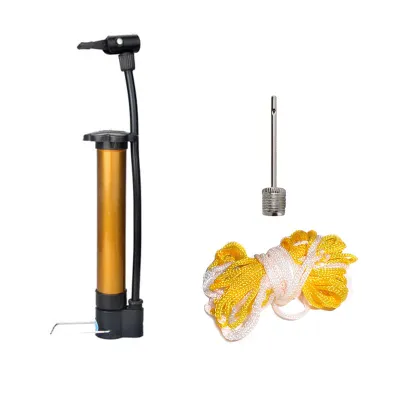
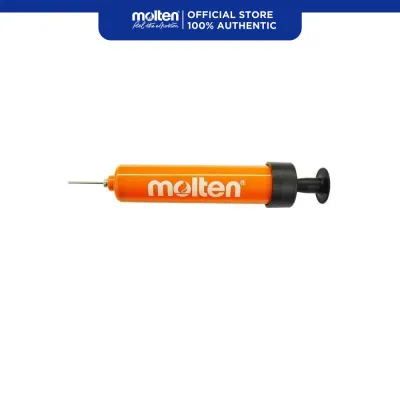
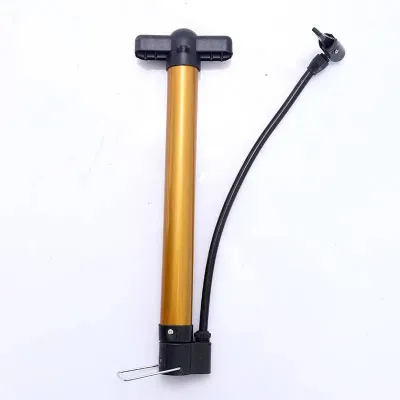
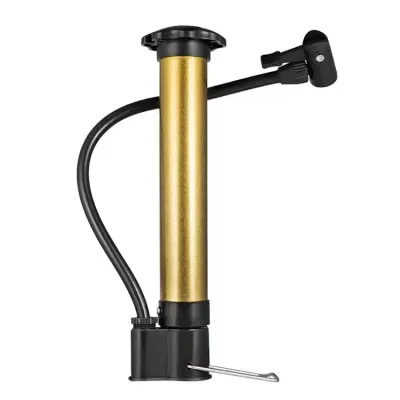
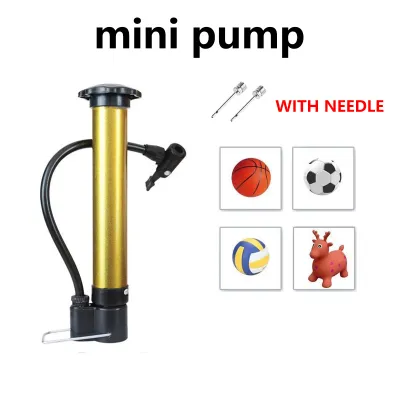
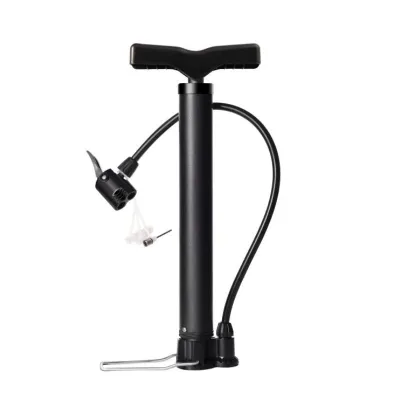
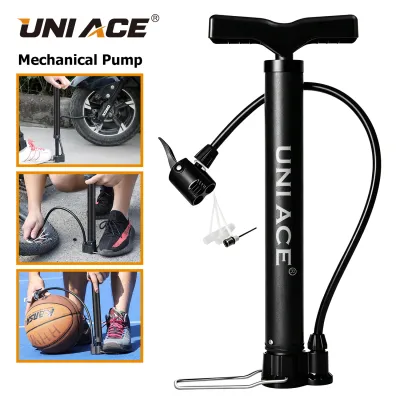
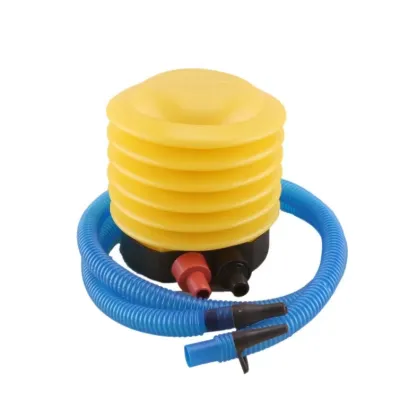
Prices are valid at publication and may change. Please refer to the product page for the latest price.
Core Trade-Offs: Portability, Speed, and Power Source
The most fundamental difference between these two pump types lies in how they generate air pressure and the physical demands they place on the user. Manual pumps rely entirely on human power, using a simple piston mechanism to push air through a hose and needle into the ball. This means your inflation speed is limited by your physical stamina, which can become tiring if you are dealing with completely deflated basketballs or heavy-duty volleyballs.
Electric inflators utilize a small internal motor powered by a rechargeable lithium-ion battery or a direct electrical connection. This motorized design delivers a steady, high-volume stream of air that can inflate a standard ball in a fraction of the time a manual pump takes. The trade-off is that once the battery drains, the electric pump becomes completely unusable until it is recharged, making power management a critical factor.
Weight and bag space are also key considerations when traveling to different courts or fields. Manual hand pumps are incredibly lightweight, often weighing less than 150 grams, and their slim profile allows them to slide easily into the side pocket of a backpack. Electric pumps are naturally heavier due to their internal motors and batteries, and they require a bit more care to prevent damage from drops or heavy gear shifting inside your bag.
Noise level is another practical factor that is often overlooked until you are on the court. Manual pumps operate almost silently, with only the soft hiss of air escaping the valve. Electric pumps generate a noticeable buzzing or humming sound during operation, which might feel disruptive in quiet indoor gymnasiums or community centers, though it is rarely an issue on bustling outdoor courts.
Decision Guide: Matching the Pump to Your Sports Routine
To choose the right pump, you must evaluate your typical playing environment, the number of balls you regularly maintain, and your personal budget. If you are an individual player who only needs to top up a single basketball or volleyball before a casual game, a manual pump is highly practical. It is inexpensive, requires zero setup time, and can be thrown into a gym bag without worrying about battery levels or delicate screens.

For those on a tight budget, manual pumps represent an incredibly cost-effective solution. High-quality manual models are widely available for under ₱300, making them an easy addition to any player’s gear collection. They are also the safest bet for remote outdoor locations, beach volleyball outings, or camping trips where access to electricity or USB charging ports is limited or non-existent.
Conversely, if you are a coach, physical education teacher, or sports coordinator managing a large inventory of equipment, an electric inflator is a game-changer. Manually pumping a dozen soccer balls or basketballs before a training session is physically exhausting and eats up valuable practice time. An electric pump allows you to set the desired pressure, start the inflation process, and focus on setting up drills while the machine does the work.
Electric models are also highly beneficial for players with physical limitations, joint pain, or wrist injuries that make the repetitive motion of hand pumping difficult or painful. While they require a larger upfront investment—typically ranging from ₱1,000 to over ₱3,000—the convenience and physical relief they provide can easily justify the cost for frequent players.
Before making a final decision, verify your access to charging infrastructure. If you regularly carry a portable power bank in your sports bag to keep your phone charged, keeping an electric pump powered up is simple and convenient. If you prefer a “set-and-forget” approach to your sports gear, the maintenance-free nature of a manual pump remains hard to beat.
Manual Hand Pumps: Reliability and Physical Effort
The enduring popularity of the manual hand pump stems from its sheer mechanical simplicity. With no circuit boards, batteries, or digital displays to fail, a manual pump is virtually indestructible under normal playing conditions. It can survive being dropped on concrete, exposed to sudden tropical downpours, or left in a humid locker room without losing its functionality.
This durability makes manual pumps the ultimate backup tool for emergency situations. Many players keep a compact hand pump permanently stashed in their car trunk or sports backpack, knowing it will work instantly even after months of neglect. There are no firmware updates, charging cables, or battery degradation issues to worry about when you just want to get a game started.
However, the physical effort required to operate a manual pump is a significant drawback, particularly for high-volume inflation. Pumping a completely flat ball to the correct pressure requires dozens of rapid strokes, which can quickly fatigue your arms and shoulders before you even step onto the court. This physical demand is amplified in hot, humid weather, turning a simple pre-game chore into an exhausting workout.
Additionally, manual pumps lack built-in pressure regulation, meaning you must rely on feel or a separate pressure gauge to determine if the ball is properly inflated. Over-inflating a ball by hand is easy to do if you are rushing, which can stretch the seams, distort the shape, or even cause the bladder to pop. Under-inflation is also common, leading to poor bounce characteristics and a frustrating playing experience.
Electric Inflators: Convenience and Battery Dependencies
Electric ball inflators represent the modern standard for sports equipment maintenance, offering a level of precision and ease that manual pumps cannot match. The standout feature of most electric models is the integrated digital pressure gauge and automatic shut-off function. You simply select the sport type or input the exact target pressure in PSI, attach the hose, and let the pump run until it automatically stops at the perfect level.
This precise pressure delivery ensures that your basketballs, volleyballs, or soccer balls always meet official regulation standards, providing a consistent bounce and feel during competitive play. It also protects your expensive sports gear from the structural damage caused by accidental over-inflation. The digital screens are usually backlit, making them easy to read during evening games under court floodlights.
Despite these advantages, electric pumps are entirely dependent on their battery health and charging status. If you forget to charge the device before heading to the court, you may find yourself with a dead pump and unplayable, flat balls. Lithium-ion batteries also naturally degrade over time, meaning the pump’s runtime per charge will gradually decrease after a few years of regular use.
Furthermore, electronic devices are sensitive to environmental factors, particularly the high heat and humidity common in tropical climates. Leaving an electric pump inside a hot car parked in the sun can damage the battery and internal circuitry, leading to premature failure or safety hazards. They also require careful handling to avoid water exposure, meaning you must pack them away quickly if a sudden afternoon rain shower hits the outdoor court.
Pre-Purchase Checklist: Valves, Needles, and Gauges
Before purchasing any ball pump, it is crucial to verify its compatibility with your specific sports gear and playing habits. Start by checking the valve types on your balls; while almost all sports balls use a standard inflation needle, some specialized bladders or high-end training balls may require specific adapters. Ensure the pump you choose includes a variety of needle attachments made from durable materials like stainless steel or heavy-duty brass to prevent bending.
Next, consider the pressure gauge requirements for your specific sports. Different balls require vastly different pressure levels; for example, a standard basketball typically requires 7 to 9 PSI, while a soccer ball needs 8.5 to 15 PSI, and a volleyball requires only 4.26 to 4.61 PSI. If you choose a manual pump, look for a model with an inline mechanical gauge that is clear and easy to read in bright outdoor sunlight.
For electric pumps, verify the accuracy of the digital sensor and check if the display can switch between different units of measurement, such as PSI, bar, or kPa. A clear, high-contrast screen is essential for outdoor use, as cheap LCD screens can become completely unreadable under direct midday sun.
Finally, check the availability of replacement accessories and the manufacturer’s warranty terms. Inflation needles are notoriously easy to lose or bend, so choosing a pump brand that uses standard thread sizes ensures you can easily buy cheap replacements at any local sports store or online marketplace. A reliable warranty provides peace of mind, especially when investing in a higher-priced electric model with complex electronic components.
Care and Storage: Extending Your Pump's Lifespan
Proper maintenance is key to ensuring both manual and electric pumps perform reliably over many seasons of play. For both types, always lubricate the inflation needle with a drop of glycerin or silicone oil before inserting it into the ball’s valve. This simple step reduces friction, prevents damage to the ball’s rubber valve core, and stops dirt from being pushed inside the bladder.
For electric pumps, battery care is the most critical factor in extending the device’s lifespan. Avoid letting the battery drain completely to zero percent, as deep discharges can permanently reduce its overall capacity. Store the electric pump in a cool, dry place away from direct sunlight, and never leave it in a hot vehicle or a damp gym bag where moisture can seep into the electronics.
Manual pumps require minimal maintenance, but they are not completely indestructible. Periodically check the flexible hose for signs of cracking or dry rot, which can occur quickly in humid tropical environments. Keep the pump’s internal piston lubricated by applying a small amount of silicone grease to the shaft if you notice the pumping action becoming stiff or noisy. Store the pump with the hose detached or neatly secured to prevent kinking.
Frequently Asked Questions (FAQ)
Can I use a standard bicycle pump for sports balls?
Yes, you can use a standard bicycle pump to inflate sports balls, provided you have the correct needle adapter. Most bicycle pumps feature a pump head designed for Schrader or Presta valves, which cannot insert directly into a sports ball. By screwing a standard metal inflation needle into a Schrader valve adapter, you can easily connect it to your bike pump. However, be extremely cautious when using high-pressure floor pumps, as they can deliver air very quickly and easily over-inflate and damage a sports ball if you do not monitor the pressure closely.
How do I determine the correct pressure for my ball?
The correct inflation pressure is almost always printed directly on the surface of the ball, usually right next to the inflation valve. This specification is typically listed in PSI (pounds per square inch) or bar. If the markings have worn off due to heavy use, you can refer to standard sports guidelines: basketballs generally perform best at 7 to 9 PSI, soccer balls at 8.5 to 15 PSI, and volleyballs at a much lower 4.26 to 4.61 PSI. Always use a reliable pressure gauge to verify these levels, as playing with an improperly inflated ball can alter its bounce, flight path, and overall durability.
Community discussion
Share your experience or ask a question. Comments are reviewed before publication.