
Choosing the right foot roller massage tool depends on your specific recovery goals, lifestyle, and how much control you want over the massage intensity. If you need a highly portable, budget-friendly option that allows you to target deep muscle knots using your own body weight, a manual foot roller is your best choice. On the other hand, if you prefer a hands-free, relaxing experience with consistent motorized vibration or kneading and have easy access to a power outlet, an electric foot roller is more suitable.
It is important to note that while both tools are excellent for general muscle fatigue and daily relaxation, neither is a substitute for professional medical care. If you are experiencing severe, sharp, or chronic pain, such as acute plantar fasciitis or structural foot injuries, you should seek a professional medical evaluation before starting any new recovery routine.
Core Differences Between Manual and Electric Foot Rollers
The most fundamental difference between these two recovery tools lies in their power source and portability. Manual foot rollers require no electricity, batteries, or charging cables. They rely entirely on your physical effort and body weight to generate pressure. This makes them exceptionally lightweight and easy to toss into a gym bag, backpack, or office drawer. Electric foot rollers, conversely, require a direct connection to a wall outlet or a charged battery. This limits their use to indoor spaces with accessible power sources, making them less practical for outdoor training sessions or quick post-workout recovery at a sports field.
Products mentioned in this guide
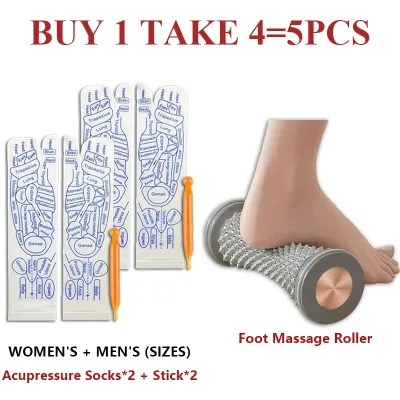
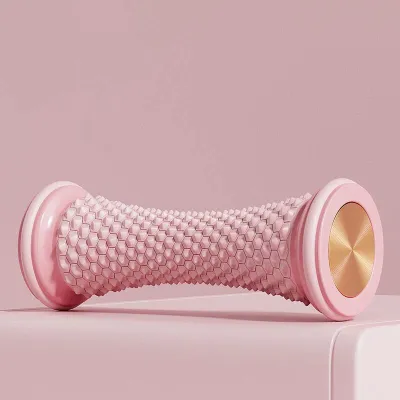
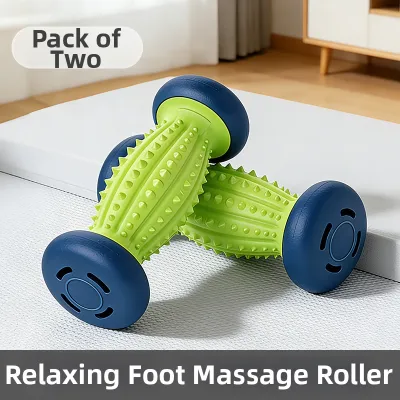
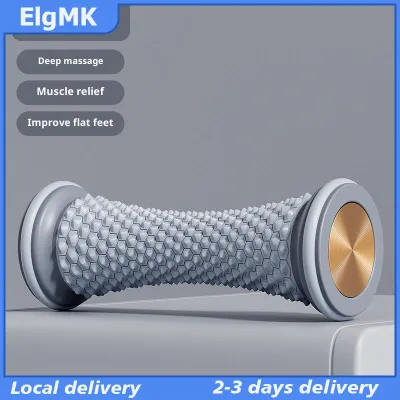
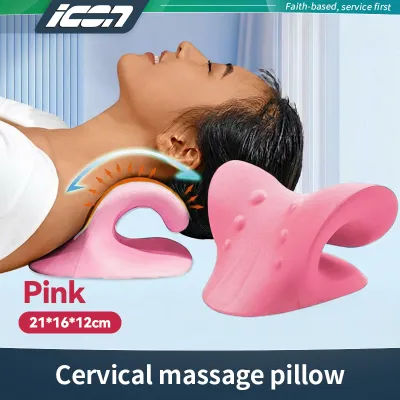
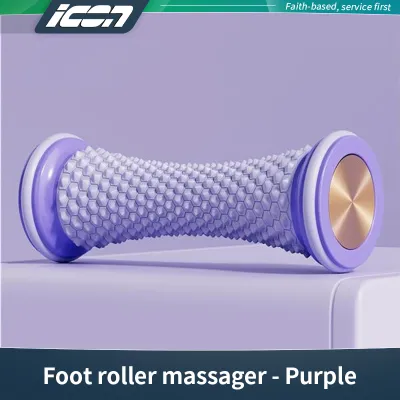
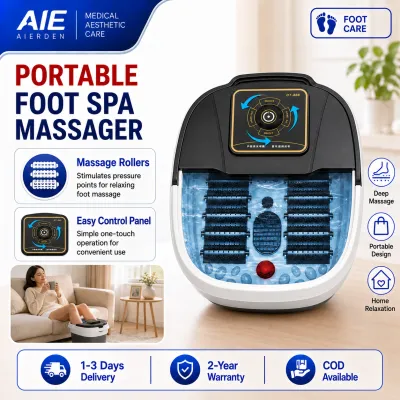
Prices are valid at publication and may change. Please refer to the product page for the latest price.
The mechanism of action also differs significantly. Manual rollers feature physical ridges, grooves, or spikes that press into the muscle tissue as you physically roll your foot back and forth. You control the speed, angle, and depth of the massage dynamically. Electric rollers utilize motorized internal nodes, rollers, or vibration plates that move automatically. Instead of rolling your foot, you simply place your feet on the device and let the motor do the work.
Setup time is another practical differentiator. Manual rollers require zero preparation; you simply drop the tool onto the floor and begin your session immediately. Electric rollers require you to find an available outlet, unravel the power cord, plug the device in, and select your preferred settings. If the device includes a heating element, you may also need to wait several minutes for the surface to reach a comfortable temperature.
Maintenance and cleaning routines are also shaped by these designs, especially in warm, humid tropical climates. Manual rollers made of high-density plastic, thermoplastic elastomer (TPE), or silicone are highly resistant to moisture and can be easily washed under running water with mild soap to remove sweat and dirt. Wooden manual rollers require more care, as high humidity can cause the wood to warp or harbor mold if not dried thoroughly after use. Electric foot rollers feature complex internal wiring and often come with fabric covers. In humid environments, sweat can quickly lead to odor buildup, making it essential to choose an electric model with a removable, machine-washable fabric cover and to verify that the electrical housing is kept completely dry.
Comparing Recovery Benefits and Pain Relief
When evaluating recovery benefits, the choice comes down to the type of stimulation your muscles need. Manual foot rollers excel at deep tissue pressure. By shifting your body weight forward while seated or standing, you can apply intense, localized pressure directly to stubborn knots in the arch or heel. This targeted approach is highly effective for breaking up localized tension, though it requires active physical effort.

Electric foot rollers generally focus on surface-level vibration, compression, and automated kneading. The rapid vibration helps desensitize sore nerve endings and promotes blood flow without requiring you to exert any physical effort. This makes electric models highly effective for overall relaxation after a long day of standing or walking. However, because the motorized nodes follow preset paths, they may not always align perfectly with your specific foot shape or target a precise spot with the exact pressure you desire.
Adjusting the intensity of your massage is also handled differently by each tool. With a manual roller, you have immediate, intuitive control over the pressure. If a spot feels too tender, you simply lift your foot slightly or shift your weight back. To safely test your tolerance, always start your manual massage while seated on a supportive chair, placing the roller on a soft surface like a yoga mat to prevent it from slipping. With an electric roller, you must rely on the device’s preset speed and intensity levels. It is highly recommended to start on the lowest setting to gauge how your feet respond to the motorized movement before increasing the speed.
To ensure you select a tool that matches your physical needs, always check the product label and manufacturer specifications. Look for design features such as contoured arch supports or dedicated heel cupping zones that match your foot structure. If you experience any sudden, sharp pain, numbness, or increased inflammation during use, stop the massage immediately and consult a healthcare professional.
Practical Considerations: Budget, Space, and Routine
Integrating a recovery tool into your daily routine involves looking at practical factors like cost, storage, and your environment. From a budget perspective, manual foot rollers represent a low upfront investment, typically costing a few hundred Pesos (₱). Because they have no moving electrical parts, they offer exceptional long-term durability and rarely need replacement. Electric foot rollers are a more significant investment, often costing several thousand Pesos (₱). While they offer advanced features, their long-term durability depends on the quality of the motor, battery life, and electrical components, which can be vulnerable to power fluctuations or high humidity.
Storage footprint is another key differentiator. Manual rollers are compact, often no larger than a small water bottle, allowing them to fit easily under a bed, in a desk drawer, or in a compact travel bag. Electric bases are significantly bulkier and heavier, requiring dedicated floor space near an electrical outlet and a permanent storage spot in your living room or bedroom.
Environmental factors should also guide your choice. Electric motors produce a low humming or vibrating noise that might be disruptive in a quiet office environment or a shared household. Manual rollers operate silently, making them ideal for use under an office desk during meetings. Additionally, if you travel frequently or commute regularly, the lightweight, travel-friendly nature of a manual roller makes it the more practical companion for on-the-go recovery.
Furthermore, in tropical climates where humidity levels are consistently high, storing your electric roller in a dry, well-ventilated room is crucial for protecting its internal circuitry. If you live in an area prone to occasional power interruptions, a manual roller ensures you never have to skip your recovery routine, whereas an electric model would be temporarily unusable unless it features a rechargeable battery.
How to Decide: A Step-by-Step Selection Checklist
To make your final decision, follow this structured selection process:
- Assess Your Pain and Sensitivity: Ask yourself if you prefer deep, intense pressure to target specific muscle knots (favoring manual) or a gentle, relaxing, and automated massage to soothe tired feet (favoring electric).
- Evaluate Your Usage Environment: Consider where you will use the tool most often. If you plan to use it at your office desk, in a gym, or while traveling, the silent and cordless nature of a manual roller is ideal. If you plan to use it primarily while watching television in your living room near a power outlet, an electric model offers maximum convenience.
- Check Your Physical Space and Storage: Measure the area where you plan to keep the device. Ensure you have enough space for a bulkier electric base if you choose that route, or confirm that a manual roller can be easily tucked away.
- Verify Manufacturer Specifications: Before purchasing, carefully read the product specifications. Check the maximum weight limits, especially for manual rollers if you plan to use them while standing, and verify the warranty terms and electrical safety certifications for electric models to ensure long-term reliability.
Frequently Asked Questions (FAQ)
Can I use a foot roller massage while standing?
Using a manual foot roller while standing allows you to apply maximum body weight for a deeper massage, but it requires excellent balance and stability. To prevent slipping or falling, always perform standing massages on a non-slip surface, such as a yoga mat, and hold onto a stable wall or chair for support. Never stand on an electric foot roller unless the manufacturer explicitly states in the user manual that the device is designed to support a user’s full standing weight. Most electric models are strictly designed for seated use, and standing on them can damage the internal motor and casing.
How often should I use a foot roller for recovery?
For general muscle recovery and relaxation, using a foot roller for 5 to 10 minutes per foot once or twice a day is typically sufficient. Overusing the tool can lead to muscle soreness, bruising, or localized inflammation. Always follow the specific usage guidelines provided by the manufacturer. If your feet begin to feel tender, bruised, or increasingly painful, reduce the frequency of your sessions or stop using the roller entirely until your muscles have fully recovered.
Are electric foot rollers safe for people with reduced foot sensation?
People with reduced foot sensation, such as those experiencing neuropathy or circulatory issues, must exercise extreme caution. Motorized vibration, intense mechanical kneading, and built-in heating elements can cause skin irritation, bruising, or thermal burns without the user realizing it. If you have any condition that affects your sensory feedback, you must consult a qualified healthcare provider before using any electric or manual massage device to ensure it is safe for your specific health profile.
Community discussion
Share your experience or ask a question. Comments are reviewed before publication.