
Quick Answer: Which Seated Scooter Is Right for Your Child?
Choosing the right ride-on toy for your child often comes down to balancing physical development, safety, convenience, and budget. When comparing a manual kick scooter with a removable seat to an electric scooter equipped with a seat, you are looking at two fundamentally different riding experiences. A manual scooter relies entirely on your child’s physical energy, serving as a developmental tool that grows alongside their motor skills. In contrast, an electric seated scooter introduces motorized power, allowing older children to travel further and faster with minimal physical exertion.
To make an immediate decision, consider your child’s age, physical stamina, and where they will primarily ride. You should choose a manual kick scooter with a removable seat if your child is younger—typically between toddlers and early elementary school age (two to six years old). These models are ideal for building core balance, leg strength, and coordination in a low-speed, highly controlled environment like a backyard, local park, or subdivision driveway. They are lightweight, highly portable, and require very little maintenance.
On the other hand, you should choose an electric scooter with a seat if your child is older, usually at least eight years old, and possesses the physical coordination and cognitive maturity to manage motorized speed and hand-operated brakes. These scooters are excellent for longer, predictable routes, such as cruising around a gated community or commuting to a nearby school. However, before purchasing any motorized model, always verify your local barangay or subdivision regulations, as some communities restrict motorized micro-mobility devices on shared pathways or public roads.
Products mentioned in this guide
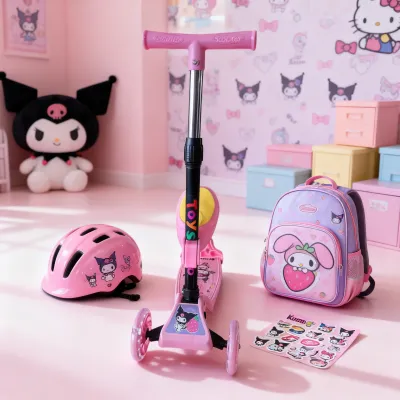
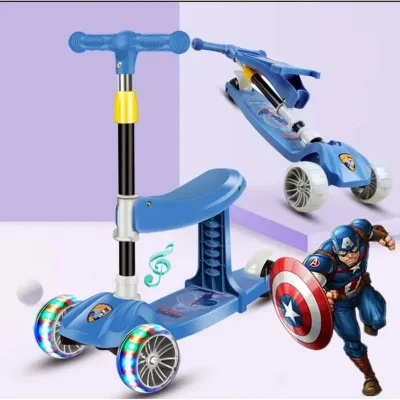
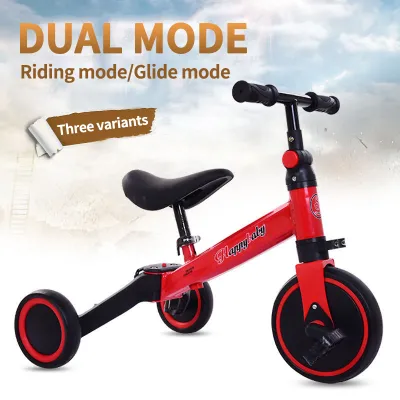
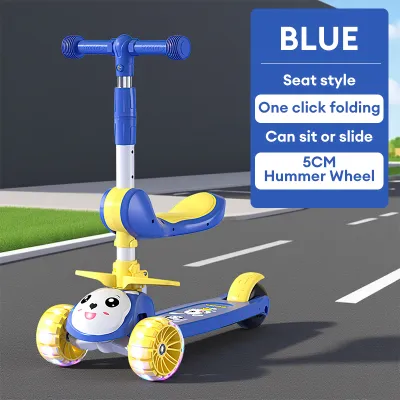
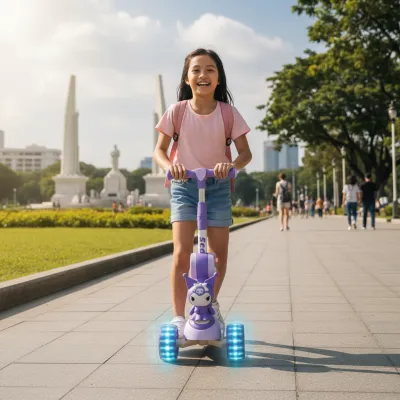
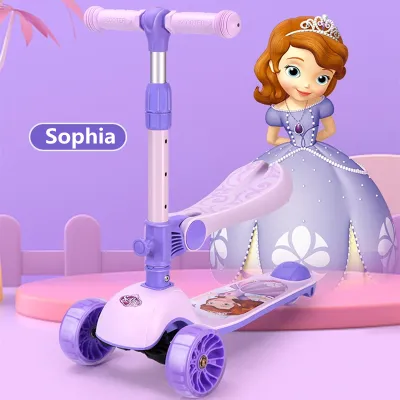
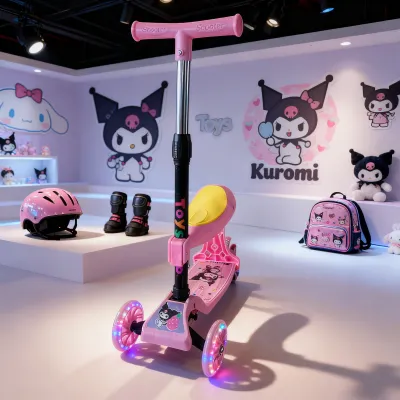
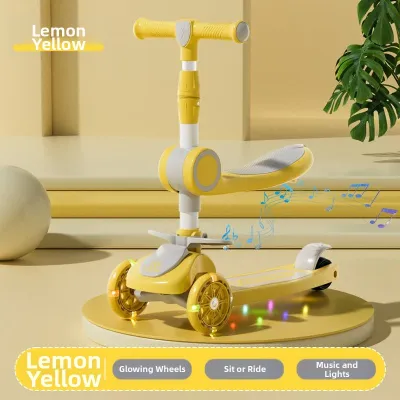
Prices are valid at publication and may change. Please refer to the product page for the latest price.
Riding Experience: Physical Effort vs. Motorized Convenience
The physical dynamics of riding these two scooter types shape how children interact with their surroundings and develop physical skills. Understanding these differences helps you align the purchase with your child’s current energy levels and developmental needs.

Building Balance and Stamina (Manual Kick Scooters)
Manual kick scooters with removable seats are designed to support a child’s natural physical progression. When the seat is attached, the scooter functions similarly to a balance bike. Your child sits securely while pushing off the ground with their feet, which helps them develop bilateral coordination, spatial awareness, and lower-body strength. This configuration is particularly comforting for younger riders who may not yet have the balance required to stand on a moving deck.
As your child grows more confident, the seat can be removed entirely, transforming the toy into a classic standing kick scooter. This transition phase extends the usable lifespan of the product and challenges your child to master new balance techniques, such as steering by leaning (gravity steering) and kicking with one foot while balancing on the other. Because the speed of a manual scooter is entirely dependent on the child’s physical output, it naturally caps how fast they can go. This self-limiting speed reduces the risk of high-velocity impacts and allows parents to easily keep pace on foot during afternoon walks.
Speed, Range, and Battery Management (Electric Scooters)
Electric seated scooters shift the focus from physical exertion to motorized control. For older children, the thrill of a battery-powered motor provides a sense of independence and allows them to cover substantial distances without tiring. This makes electric models highly practical for family outings around larger parks or long stretches of neighborhood pavement where a manual scooter might leave a child exhausted.
However, this motorized convenience introduces new responsibilities for both the parent and the child. Parents must carefully verify the manufacturer’s specified top speed and acceleration curves to ensure they match the child’s reaction times. Operating a motorized vehicle requires constant focus, as obstacles appear much faster at 10 to 15 kilometers per hour than they do at walking speeds. Additionally, battery management becomes a daily task. You must monitor charge cycles, understand the typical runtime under local weather conditions, and ensure the scooter is charged before heading out. Pushing a heavy, dead electric scooter back home in high tropical humidity is an exhausting task that most parents will want to avoid.
Safety First: Age Limits, Brakes, and Stability
Safety considerations vary significantly between manual and electric models, dictated by the speed, weight, and structural design of each vehicle.
Weight Capacity and Center of Gravity
Before purchasing any scooter, it is critical to verify the manufacturer’s maximum weight capacity for both the standing deck and the seat attachment. On manual scooters with removable seats, the seat is often an add-on accessory that may have a significantly lower weight limit than the main deck. Exceeding this limit can cause the seat bracket to bend or fail, potentially leading to a fall. Additionally, some manual models with high-mounted add-on seats can feel top-heavy, especially if the wheel base is narrow, making them prone to tipping during sharp turns.
In contrast, dedicated electric scooters with seats are engineered from the ground up as integrated units. The heavy components, such as the battery pack and motor, are typically housed low in the frame or under the deck. This design creates a lower center of gravity, which enhances stability and makes the scooter less likely to tip over. However, because electric models carry more mass, exceeding the recommended weight limit severely compromises the vehicle’s braking distance, motor performance, and structural integrity.
Braking Systems and Protective Gear Requirements
The braking mechanisms on these scooters require different levels of physical coordination. Manual kick scooters for younger children often utilize a simple rear foot fender brake. To slow down, the rider must shift their weight to one foot and press down on the rear mudguard with their heel. While intuitive, this maneuver requires good balance and can be challenging for very young toddlers to execute quickly.
Electric scooters generally feature hand-operated mechanical brakes (such as drum or disc brakes) or electronic regenerative braking. These systems offer superior stopping power, which is necessary to manage the higher speeds of a motorized ride. However, hand brakes require sufficient hand strength and rapid cognitive processing to avoid sudden, jerky stops that could throw the rider forward.
Regardless of which scooter type you choose, a seat does not eliminate the risk of falls or collisions. Protective gear remains a non-negotiable requirement. For manual riders, a properly fitted, certified helmet is essential, along with lightweight knee and elbow pads. For electric scooter riders, the safety gear requirements are even more stringent. Because of the higher speeds, children should always wear a certified bicycle or multi-sport helmet, robust knee and elbow pads, closed-toe shoes, and potentially wrist guards. Parents must also check local traffic laws and neighborhood guidelines, as motorized scooters are often restricted from public roads and highways in the Philippines due to safety regulations.
Daily Practicality: Portability, Maintenance, and Budget
Beyond the fun of riding, parents must consider how the scooter fits into their daily routine, home storage, and family budget.
Carrying, Folding, and Storing the Scooter
The physical footprint and weight of the scooter play a massive role in how often it actually gets used. Manual kick scooters are highly portable, typically weighing between 2 to 4 kilograms. Many models feature a quick-release folding mechanism or a detachable handlebar, making them incredibly easy to slip into the trunk of a subcompact car, carry up condominium stairs, or store in a small hallway closet.
Electric scooters are significantly heavier and bulkier, often weighing between 8 to 15 kilograms due to the steel or aluminum frame, electric motor, and heavy lead-acid or lithium-ion battery pack. Even if the electric model features a folding handlebar, lifting and carrying a heavy unit can be a struggle for parents and is virtually impossible for a child. Before buying, measure your storage space and consider whether you have a ground-floor garage or an elevator, as carrying a heavy electric scooter up multiple flights of stairs in a typical tropical climate can quickly become a chore.
Upfront Investment and Long-Term Upkeep
The financial commitment of owning a scooter extends beyond the initial purchase price. Manual seated scooters are generally very affordable, with entry-level options starting around ₱1,500 and premium brands ranging up to ₱5,000. Their long-term maintenance is minimal, requiring only occasional cleaning, wheel bearing lubrication, and checking that all screws remain tight after riding on bumpy pavements.
Electric seated scooters require a much larger upfront investment, typically starting around ₱8,000 and easily exceeding ₱20,000 for high-performance models with longer ranges and advanced safety features. The long-term upkeep is also more complex and costly. Electric components are sensitive to environmental factors; in the Philippines, high humidity and heavy rains during the wet season pose a risk of water ingress, which can ruin the battery or motor if the scooter is not stored properly. You will need to practice proper battery care—such as avoiding leaving the battery completely flat for long periods and charging it in a well-ventilated area. Additionally, parents must factor in the eventual cost of replacement batteries, brake pad adjustments, and the availability of local repair shops that specialize in electric micro-mobility devices.
Side-by-Side Comparison Matrix
| Feature | Manual Kick Scooter with Removable Seat | Electric Scooter with Seat |
|---|---|---|
| Ideal Age Group | 2 to 6 years old | 8 years old and above |
| Primary Power Source | Child's physical leg power | Battery-powered electric motor |
| Physical Effort Required | High (continuous kicking and balancing) | Low (motorized propulsion, balance only) |
| Typical Maintenance Level | Low (basic cleaning and bearing checks) | Medium to High (battery care, brake tuning) |
| Portability & Weight | High (2 to 4 kg, easy to fold and carry) | Low (8 to 15+ kg, heavy and bulky) |
| Best Use Case | Building motor skills in parks or driveways | Cruising longer distances in neighborhoods |
| Average Price Bracket | ₱1,500 to ₱5,000 | ₱8,000 to ₱20,000+ |
Final Verdict: How to Make Your Final Choice
There is no single “best” scooter; the right choice depends entirely on your child’s developmental stage, the intended riding environment, and your family’s lifestyle. A manual seated scooter is an excellent transitional tool for younger children who are still building physical confidence, coordination, and strength. It offers a safe, self-paced introduction to wheeled toys without the risks associated with motorized speed. Conversely, an electric seated scooter serves as an exciting, comfortable, and practical option for older, responsible children who want to cover longer distances around their neighborhood or gated community.
When you are ready to make a purchase, use this final checklist to guide your decision:
- Verify Age and Weight Limits: Ensure your child's current weight is well below the manufacturer's specified limit for both the deck and the seat.
- Assess the Environment: Consider where the scooter will be ridden. Rough, unpaved roads or areas with heavy pedestrian traffic are poorly suited for fast electric models.
- Check Portability: Confirm that you can comfortably lift, fold, and store the scooter's total weight within your home and vehicle.
- Evaluate Braking Ability: Make sure your child has the physical hand strength for electric hand brakes or the balance required for a manual foot brake.
- Review Local Rules: Double-check subdivision, barangay, or school guidelines regarding motorized scooter usage by minors.
Regardless of the model you select, always prioritize safety by investing in certified protective gear, establishing clear riding boundaries, and maintaining active parental supervision during every ride.
Community discussion
Share your experience or ask a question. Comments are reviewed before publication.