
Selecting the right fishing lure in the Philippines requires matching the lure’s action, depth, and profile to the specific predatory habits of your target species. Whether you are casting into saltwater flats for aggressive pelagic species, jigging deep reef structures for bottom dwellers, or working freshwater lakes for cautious feeders, your choice of lure dictates your success. Anglers must evaluate the local environment—such as tidal currents, water clarity, and structural cover—to present an artificial bait that convincingly mimics local prey.
Understanding Main Fishing Lure Categories
To build a successful tackle box, you must first understand how different lure categories behave underwater and where they fit in the water column.
Hard baits, which include minnow-style plugs, crankbaits, and poppers, rely on rigid bodies and built-in lips to create action. The size and angle of a hard bait’s lip, or bib, determine its diving depth. Shallow-running plugs swim just below the surface, while deep-diving crankbaits plunge several meters down to reach fish holding near submerged structures. Poppers, on the other hand, lack lips and are designed to splash across the surface, mimicking injured baitfish or surface-dwelling prey.
Products mentioned in this guide
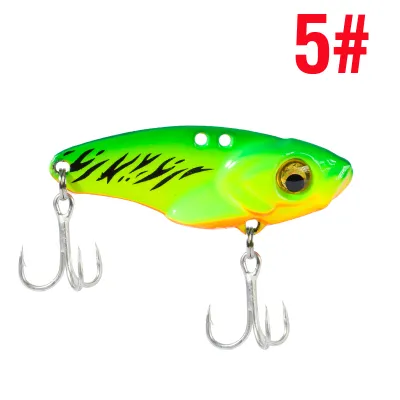
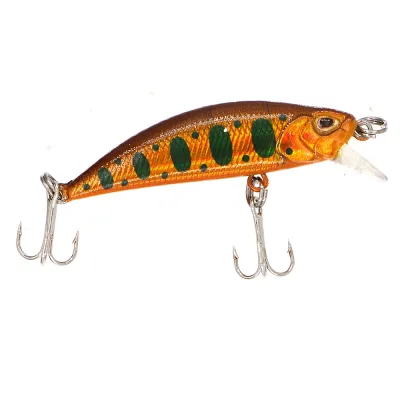
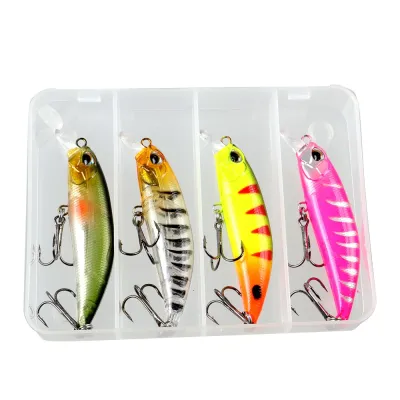
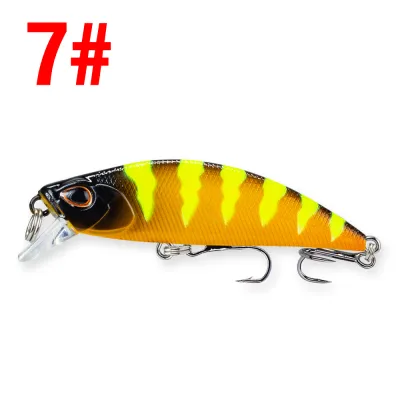
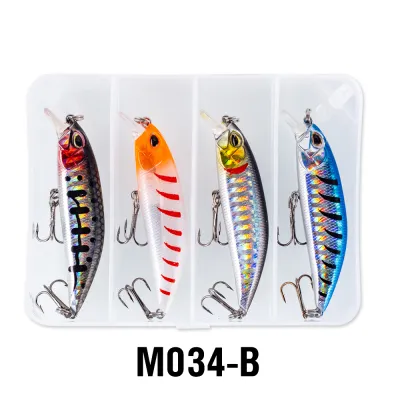
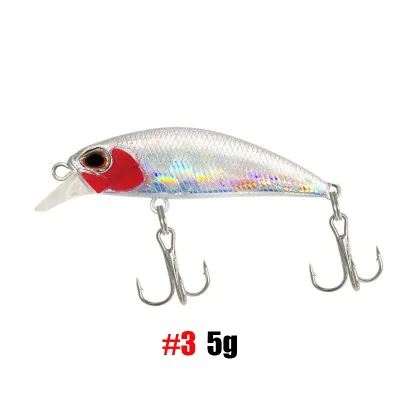
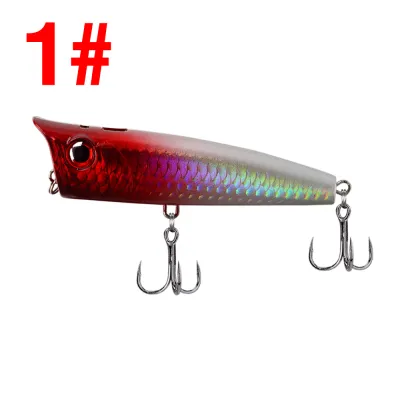
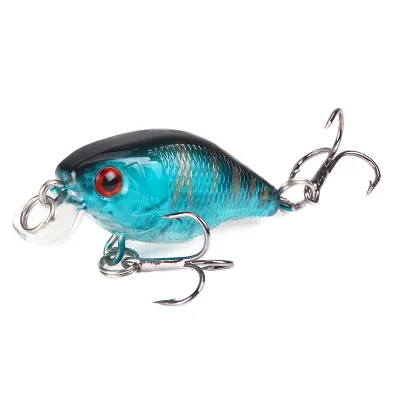
Prices are valid at publication and may change. Please refer to the product page for the latest price.
Soft plastics offer unmatched versatility. These pliable lures include swimbaits, grubs, and worm profiles that mimic a wide variety of aquatic life. Because they are soft, they produce highly realistic vibrations and movements in the water. You can rig soft plastics in numerous ways: on a weighted jig head for deep bouncing, or weedless on an offset hook to slide through thick vegetation and rocky crevices without snagging.
Metal jigs and spoons are designed for rapid depth and high-speed presentations. Heavy, aerodynamic metal jigs sink quickly through the water column, making them the primary choice for deep-water vertical jigging or long-distance casting from the shore. Spoons feature a curved metal body that flutters and reflects light as it moves, creating a highly visible flash that mimics a wounded baitfish in fast-moving currents.
Selecting Lures for Common Saltwater Species
Saltwater environments in the Philippines, from coastal estuaries to deep drop-offs, present dynamic challenges. Tidal movements stir up nutrients, activating baitfish and predators alike. To select the right saltwater lure, you must observe the current flow, water depth, and the specific structures—such as rocky points, coral edges, or sandy drop-offs—where predators wait to ambush their prey.

Targeting Reef and Bottom Dwellers (Lapu-Lapu / Grouper)
Lapu-lapu, or grouper, are classic ambush predators that cling tightly to deep rocky crevices, coral heads, and artificial structures. They rarely venture far from cover to chase prey, meaning your lure must get down into their immediate territory to trigger a strike.
To reach these deep-dwelling fish, use heavy soft plastic swimbaits rigged on weedless jig heads or Texas rigs. This setup allows the lure to bounce along the seabed and slide over rocks without snagging. Deep-diving crankbaits with long lips can also be effective when cast parallel to reef edges, but they require careful retrieval to avoid wedging in crevices.
When fishing for lapu-lapu, use a slow, hopping retrieval motion along the bottom. The moment you feel a strike, you must apply immediate upward pressure. Lapu-lapu will instantly attempt to retreat back into their rocky holes; using a strong rod and a tight drag is essential to prevent them from wedging themselves in, which typically results in a broken line.
Chasing Pelagic and Fast Swimmers (Tangigue / Spanish Mackerel)
Tangigue, or Spanish Mackerel, and other pelagic species are fast, aggressive open-water hunters that rely on speed and sight. They feed on schooling baitfish near the surface or in the mid-water column, often betraying their presence with surface splashes.
Lures for tangigue must withstand high-speed retrievals. High-speed trolling plugs and heavy metal jigs are excellent choices. Metal jigs can be cast long distances and retrieved at a blistering pace, while shiny spoons offer high reflectivity that mimics the flash of fleeing sardines.
Because tangigue possess razor-sharp teeth, standard monofilament leaders are easily severed. To prevent cut-offs, always rig your lures with a short section of single-strand wire leader or a very heavy fluorocarbon shock leader. This protection is critical to landing these fast-moving predators.
Selecting Lures for Common Freshwater Species
Freshwater fishing in inland lakes, reservoirs, and rivers requires a more delicate approach. Freshwater species generally feed in calmer, more confined waters compared to saltwater targets, demanding downsized lures and highly precise presentations.
Fishing for Tilapia and Cautious Feeders
While tilapia are primarily herbivorous, larger individuals frequently display predatory behavior, especially when defending nesting territories. However, they remain highly cautious and are easily spooked by heavy tackle or aggressive lure actions.
To target these cautious feeders, downsize your gear to ultra-light spinning tackle and use micro-sized lures. Small-profile soft plastic grubs, tiny paddle-tail swimbaits under two inches, and micro metal jigs weighing between 1 and 5 grams are highly effective.
Your retrieval must be slow and subtle. Allow the micro lure to sink to the bottom and retrieve it with tiny, gentle twitches. Scented soft plastics or adding a small amount of commercial fish attractant can encourage these cautious feeders to hold onto the lure longer, giving you time to set the hook.
Targeting Predatory Freshwater Fish (Snakehead / Black Bass)
Dalag, or mudfish/snakehead, and introduced black bass inhabit heavily vegetated freshwater areas, such as lily pads, thick reeds, and submerged timber. These predators hide in the shadows, waiting to strike at surface prey.
Weedless rigging is mandatory in these environments. Hollow-body rubber frogs with upturned hooks that hug the body are the gold standard for fishing directly over lily pads and thick weed mats. For subsurface presentations, use soft plastic worms or craws rigged Texas-style with a bullet weight and an offset worm hook, allowing the lure to slip through submerged branches without catching.
Topwater poppers and prop-baits can be worked along the edges of vegetation zones. The loud splashing and popping sounds mimic distressed frogs or insects, triggering aggressive, territorial strikes from lurking snakeheads.
Adapting to Philippine Water and Weather Conditions
Environmental factors in the Philippines change rapidly, requiring constant adjustments to your lure selection. Water clarity is a primary consideration. In clear, tropical waters, fish rely heavily on sight; use natural, translucent, or realistic baitfish-colored lures, such as silver, blue, or olive, to avoid spooking them. In muddy water—common after heavy afternoon downpours or during the rainy season—switch to high-contrast colors like solid black, bright yellow, or chartreuse. Lures with built-in rattles or wide-wobbling actions help fish locate the bait using their lateral lines when visibility is low.
Tidal currents also dictate lure weight and design. During spring tides with rapid water movement, light lures will sweep away before reaching the strike zone. Increase the weight of your metal jigs or soft plastic jig heads, and select slim-profile hard baits that offer less water resistance to maintain your target depth.
Seasonal monsoons significantly impact fish behavior. During the cooler Amihan (northeast monsoon) months, fish may seek deeper, more stable water temperatures, requiring deeper-diving lures or heavier jigs. Conversely, the warm, humid Habagat (southwest monsoon) season often increases surface activity, making topwater lures highly effective during early mornings and late afternoons.
Tackle Pairing and Lure Maintenance
A lure is only as effective as the tackle used to cast and retrieve it. Matching your rod action, reel speed, and line strength to your lure weight ensures proper casting distance and realistic lure action. Light, fast-action rods are ideal for twitching small hard baits and working soft plastics, while medium-heavy rods with a moderate action are better suited for casting heavy metal jigs or trolling large plugs. Ensure your line strength, preferably a braided main line paired with a fluorocarbon leader, matches both the lure weight and the abrasive nature of the underwater structure.
The tropical climate and high salinity of Philippine coastal waters are incredibly harsh on fishing gear. Saltwater corrosion can ruin hooks, split rings, and wire ties in a matter of days. After every saltwater outing, establish a strict post-trip cleaning routine. Thoroughly rinse all used lures, hooks, and tackle boxes with clean freshwater to dissolve salt deposits.
Allow the lures to dry completely in a shaded, well-ventilated area before storing them in airtight tackle trays; storing damp lures traps moisture and accelerates rust. Regularly inspect hook points for dullness and split rings for structural weakness. Replace any rusted or bent hooks immediately to ensure you do not lose a fish on your next strike.
Frequently Asked Questions (FAQ)
Do I need to use live bait instead of artificial lures?
Artificial lures offer a distinct advantage when you need to cover large areas of water quickly to locate active fish, and they allow you to target specific depths and actions. However, in highly pressured fishing spots where fish have become wary of artificial movements, or during slow-bite periods, live bait, such as shrimp or small baitfish, may be necessary to entice cautious fish.
How do I prevent my lure hooks from rusting quickly in saltwater?
To prevent rapid rusting, rinse your lures thoroughly with fresh water immediately after your fishing trip. Dry them completely before placing them back into your tackle box. Additionally, avoid mixing used, salty lures with unused ones, and consider using rust-preventative sprays or placing moisture-absorbing silica gel packets inside your tackle trays.
What is the best lure color for murky Philippine waters?
In murky or stained waters, high-contrast colors like solid black, dark purple, or bright chartreuse work best because they create a clear silhouette against the cloudy background. Lures that incorporate internal rattles, blades, or heavy vibrations are also highly effective, as they allow fish to locate the lure using their lateral lines rather than relying solely on sight.
Community discussion
Share your experience or ask a question. Comments are reviewed before publication.