
Choosing between Maxxis single, dual, and triple tire compounds comes down to balancing grip, rolling speed, and wear life. Single compounds offer uniform, predictable wear and a lower price point, making them excellent for budget-conscious riders or daily commuting. Dual compounds strike a versatile middle ground with harder center rubber for fast rolling and softer side knobs for cornering. Triple compounds prioritize traction on technical, loose, or wet trails by layering three distinct rubber durometers, though they wear out faster and carry a higher price tag.
To make an informed decision, you must first understand the concept of tire rubber compounds, which are defined by their durometer, hardness, and material blend. Durometer is the measurement of rubber hardness, typically represented by a number followed by the letter “a” (for example, 60a is harder than 50a). Harder rubber compounds roll faster and resist wear but slide easily on wet rocks or roots. Softer rubber compounds conform to trail imperfections to provide immense grip, but they deform easily under load and wear down rapidly.
In tropical riding environments like the Philippines, where trail conditions shift rapidly from dusty, hardpacked clay in the dry season to slick, muddy roots during the monsoon, compound choice directly impacts your safety and control. A tire that grips well on dry hardpack might slide dangerously on wet clay, while an ultra-soft mud tire will wear down in a matter of weeks if ridden frequently on paved roads to reach the trailhead.
Products mentioned in this guide
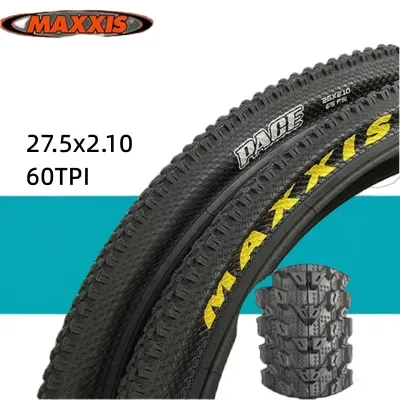
7 Lazada user ratings
Package arrived in good condition, well-packed and no problem. Will order again for my other bike. Nice service and 5 stat delivery
The delivery might be slightly delayed, but the product quality is excellent, beautiful, and well-packaged.
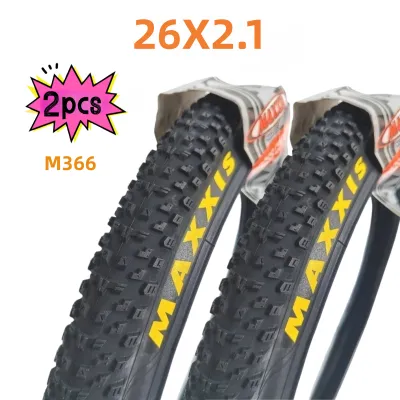
20 Lazada user ratings
Basic, inexpensive tires without extra protection against punctures.
Great value for money. Tires arrived in perfect condition.
Received the item in good condition, no damage.
The delivery was very fast and good.
It arrived in great shape.
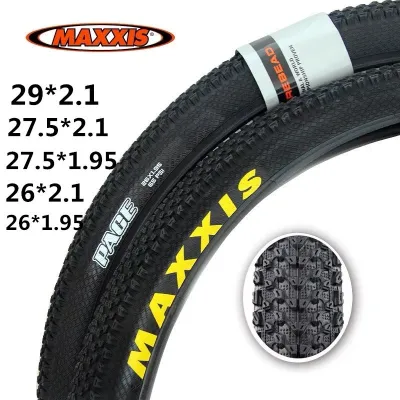
7 Lazada user ratings
It's super, super, super useful, thank you! Haha, it's really practical and the picture looks great! So funny! 😁
The tires are pretty soft, making turns feel stable, and the rear wheel rides smoothly. The strength is decent.
They grip really well, so going down the stairs feels pretty stable.
Very strong quality.
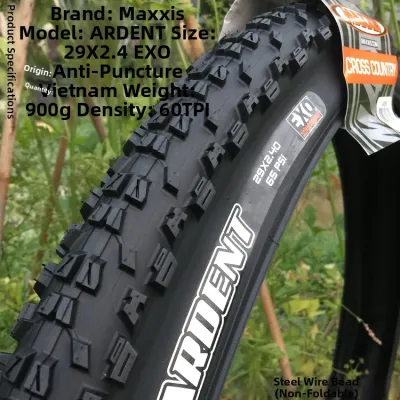
19 Lazada user ratings
I installed it right away and took some pictures, and it's great! The off-road grip and rolling resistance on flat surfaces are both impress…Read full reviewShow less
I installed it right away and took some pictures, and it's great! The off-road grip and rolling resistance on flat surfaces are both impressive.
Thanks seller. Great item, wonderful experience. Amazing deal from an amazing seller. Thanks Lazada! More power and more deals
safe at maayos naman packaging, masmagaan kesa sa dati Kong tiresthank you seller, I will order again next time.
Size: 29 Performance: not yet tested Durability: not yet tested
Performance:Fast speed, Smooth ride, High performance,

830 Lazada user ratings
Enhances speed and agility on the trails., Perfect for mountain biking adventures., High-quality tires for a reasonable price., Improved tra…Read full reviewShow less
Enhances speed and agility on the trails., Perfect for mountain biking adventures., High-quality tires for a reasonable price., Improved traction for better control.,
Durable and long-lasting tires., Improved traction for better control., Responsive and reliable performance., High-quality tires for a reaso…Read full reviewShow less
Durable and long-lasting tires., Improved traction for better control., Responsive and reliable performance., High-quality tires for a reasonable price.,
Excellent grip on various terrains., Enhances speed and agility on the trails., Improved traction for better control., Durable and long-last…Read full reviewShow less
Excellent grip on various terrains., Enhances speed and agility on the trails., Improved traction for better control., Durable and long-lasting tires.,
High-quality tires for a reasonable priceEasy to install on your bike., Fast rolling tires, great for XC races!,
great product for sure di lang sa looks pati sa tibay. im excited to use this on my bike konti na lang
8 Lazada user ratings
everything is good
good quality
Prices are valid at publication and may change. Please refer to the product page for the latest price.
Understanding Maxxis Compound Configurations
Single compound tires feature one uniform rubber mixture throughout the entire tread pattern. This means the center knobs, shoulder knobs, and base rubber share the exact same durometer and material characteristics. Because the rubber is uniform, the tire behaves exactly the same way whether you are riding straight or leaning hard into a turn, providing a highly predictable feel throughout the entire lifespan of the tread.
Dual compound tires utilize two distinct rubber mixtures molded into the tread. Typically, a harder, faster-rolling compound runs down the center strip of the tire to handle acceleration, braking wear, and straight-line rolling efficiency. A softer compound is applied to the shoulder knobs, offering increased traction and bite when you lean the bike over into corners.
Triple compound configurations, often branded as 3C technology, employ three separate rubber layers to optimize performance. A hard base layer of rubber runs underneath the entire tread pattern to provide structural support and prevent the individual knobs from folding over under heavy cornering forces. On top of this base, a medium-compound rubber is used for the center tread to balance rolling resistance and braking traction, while an ultra-soft compound is applied to the side knobs for maximum cornering confidence.
Exact layering, durometer ratings, and rubber formulations vary significantly by specific tire model, riding discipline, and product generation. Maxxis continuously refines these mixtures, so it is highly recommended to check individual product packaging or official technical specifications to confirm the exact layout of the tire you are considering.
Key Performance Trade-Offs to Evaluate
Grip and traction are heavily influenced by how soft the rubber is on the outer knobs of the tire. Softer rubber compounds conform easily to loose soil, wet rocks, and slippery roots, allowing the tire to claw for traction where harder rubber would simply slip. However, if you regularly ride on highly abrasive volcanic soil, sharp rocks, or paved roads, these soft knobs can tear, undercut, or wear down prematurely.

Rolling resistance and speed are directly tied to the hardness of the center tread. Harder center compounds deform less under the weight of the rider, reducing the energy lost as the tire rolls over the ground. If your local trails consist of hardpacked clay, or if you must pedal long distances on asphalt to reach the trail, a harder center compound will save your energy and keep your momentum high.
Durability and wear rate represent the primary trade-off when moving from single to multi-compound configurations. Single compound tires wear down slowly and evenly, maintaining a consistent performance profile until the tread is completely bald. Multi-compound tires, particularly triple compounds, can suffer from uneven wear; once the thin, soft outer layer of rubber wears away, you are left riding on the hard base layer, which offers very little grip even if the knobs still look relatively tall.
Actual performance on the trail is never determined by the compound alone. The tire’s casing stiffness, tread pattern, inflation pressure, and local trail conditions all work in tandem with the rubber compound to dictate how the tire behaves under your bike.
Matching Compounds to Your Riding Style and Terrain
Single compound tires are highly suited for cross-country riders, daily commuters, and budget-conscious mountain bikers who prioritize longevity and predictable handling. If your riding consists of paved roads, gravel paths, or smooth, dry dirt trails, a single compound tire provides a reliable feel and can withstand thousands of kilometers of use. They are also an excellent, cost-effective choice for the rear wheel of utility bikes or commuter builds.
Dual compound tires represent the ideal choice for general trail riders, weekend enduro enthusiasts, and those who want a versatile tire that performs well in a variety of conditions. In tropical climates where you might climb dry, sunny fire roads only to descend into damp, shaded jungle singletrack, dual compounds offer the necessary cornering bite on the edges without wearing out prematurely during the climb.
Triple compound configurations are designed specifically for aggressive enduro, downhill, and technical trail riders who demand maximum traction and are willing to accept a shorter tire lifespan. If you regularly ride steep, technical descents, wet roots, slick rocks, or loose loam, the extra grip of a triple compound tire can mean the difference between staying on line or washing out. These tires are particularly beneficial when mounted on the front wheel, where steering control and braking traction are most critical.
Local trail conditions should always guide your compound selection. If you ride primarily in dry, dusty, or rocky areas, a harder dual compound will offer excellent durability and speed. If you frequently ride in wet, muddy, or highly technical terrain, the softer rubber of a triple compound becomes highly advantageous for maintaining control.
How to Verify Compound Specs Before Buying
To confirm the exact compound configuration of a Maxxis tire, start by inspecting the tire sidewall for specific hotpatches and acronyms. Maxxis prints these technical details in high-visibility lettering on the side of the tire. Look for markings such as “3C” for triple compound, “2C” or “Dual” for dual compound, or simply the model name without a compound designation, which typically indicates a standard single compound.
For a deeper look into the specifications, consult the manufacturer’s official technical spec sheets or product catalogs. These resources detail the exact durometer ratings of the rubber layers used in each tire model, allowing you to see precisely how hard or soft the center and side knobs are before making a purchase.
Always evaluate the casing type alongside the compound, as the two technologies work together to define the tire’s ride quality. A soft triple compound molded onto a thin, lightweight casing may squirm or feel unstable under heavy cornering forces, whereas a stiffer casing like DoubleDown or Downhill provides the structural support needed to let the soft rubber knobs dig into the terrain effectively.
When purchasing tires, consult authorized local bike shops or official online stores in the Philippines to verify stock, pricing, and exact model specifications. Be cautious of counterfeit tires sold on unverified online marketplaces; these imitations often use cheap, slippery single-compound rubber disguised with high-end graphics, which can compromise your safety on the trail.
Final Decision Framework for Maxxis Tires
To finalize your choice, use this straightforward decision framework based on your riding priorities, budget, and local trail conditions:
- Choose Single Compound if: You prioritize maximum tire lifespan, uniform wear, a lower price point (typically ranging from ₱1,500 to ₱2,500), and a highly consistent, predictable feel across the entire tread pattern.
- Choose Dual Compound if: You want a versatile, well-balanced tire for general trail riding that offers fast rolling speed in the center, reliable cornering grip on the shoulders, and good durability over mixed terrain.
- Choose Triple Compound if: You ride aggressive, technical, or wet terrain, prioritize maximum cornering traction and braking control over tire longevity, and are comfortable with a higher replacement cost (often exceeding ₱3,500 per tire).
Before making your final purchase, always verify how the specific tire model implements its compound layers. If you are unsure whether your local trails require a highly specialized rubber blend, consult experienced riders in your local trail community or ask for advice at an authorized bike shop.
Frequently Asked Questions (FAQ)
Does a triple compound tire always last longer than a single compound?
No, triple compound tires typically do not last longer than single compound tires. In fact, they generally wear out much faster because the soft rubber used on the outer knobs degrades quickly under friction, especially when ridden on hard, abrasive surfaces or paved roads. Once this soft outer layer wears away, the tire’s performance drops significantly as you reach the hard base layer. Single compound tires, made of a uniform, harder rubber blend, offer much better overall longevity and wear down evenly over time.
Can I mix different Maxxis compounds on the front and rear wheels?
Yes, mixing different compounds on the front and rear wheels is a highly effective strategy used by many mountain bikers to balance grip and rolling efficiency. A common setup is to run a softer, grippier compound (such as a triple compound) on the front wheel for maximum steering control and cornering traction, and a harder, faster-rolling compound (such as a dual compound) on the rear wheel to improve rolling speed and extend the life of the rear tire, which typically wears out faster. When mixing tires, always ensure your frame has adequate clearance and your rims are compatible with the selected tire widths.
Are Maxxis compound names like MaxxTerra and MaxxGrip the same as dual or triple?
They are closely related but refer to different aspects of the tire’s construction. MaxxTerra, MaxxGrip, and MaxxSpeed are specific rubber formulation families used within Maxxis’s triple compound (3C) technology. MaxxGrip uses the softest, stickiest rubber blends for maximum traction in downhill and enduro riding; MaxxTerra offers a balanced mix of grip, wear life, and rolling resistance for general trail riding; and MaxxSpeed focuses on low rolling resistance for cross-country racing. Each of these options utilizes a triple-layer layout, but the specific durometers of the rubber layers differ to suit different riding styles.
Community discussion
Share your experience or ask a question. Comments are reviewed before publication.