
Choosing between a heated knee support and a regular knee brace depends entirely on your current recovery phase and physical needs. If you are dealing with chronic stiffness, muscle fatigue after a long workout, or joint tightness during rest, a heated knee support is highly effective. Conversely, if you are managing an acute injury, active swelling, or require joint stabilization during high-impact sports, a regular compression sleeve or structural brace is the correct choice. Before using any heated device, always verify that you do not have underlying nerve damage, diabetes, or open wounds on your skin.
Core Differences: Thermal Therapy vs Mechanical Support
To make an informed choice, it is essential to understand how these two types of gear function. Heated knee supports rely on thermal therapy to assist the recovery process. By applying consistent, controlled warmth to the joint, these devices encourage localized blood vessels to dilate. This vasodilation increases blood circulation to the surrounding muscles and connective tissues, delivering oxygen and nutrients while helping to relax tight fibers and improve overall tissue elasticity.
Regular knee braces, on the other hand, function primarily through mechanical means. They utilize compression, structural splints, or tension straps to provide physical stability to the joint. This mechanical support helps limit harmful lateral movements, keeps the patella properly aligned, and provides proprioceptive feedback—which is the sensory awareness of your joint’s position. Additionally, the constant compression from a standard brace helps manage and reduce localized swelling by preventing fluid accumulation.
Products mentioned in this guide
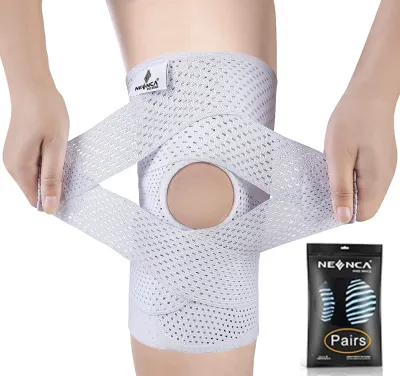
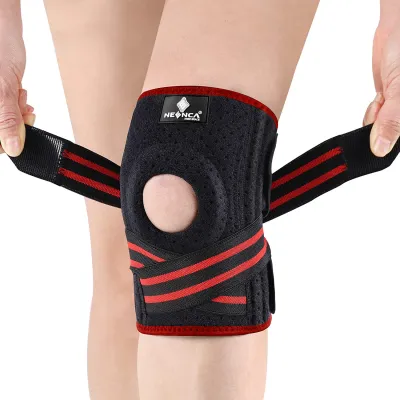
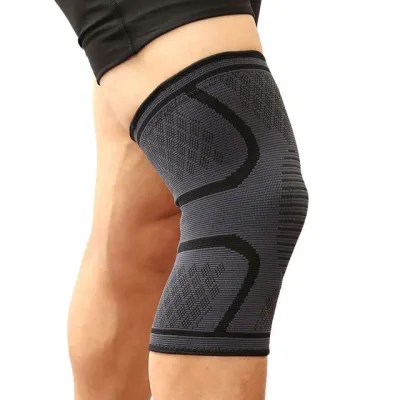
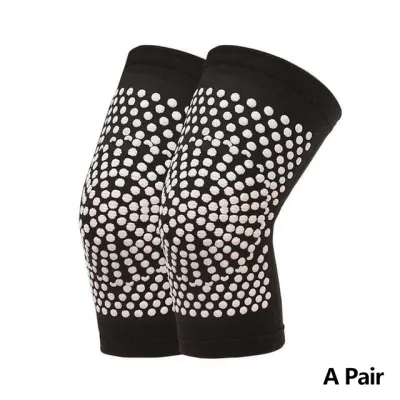
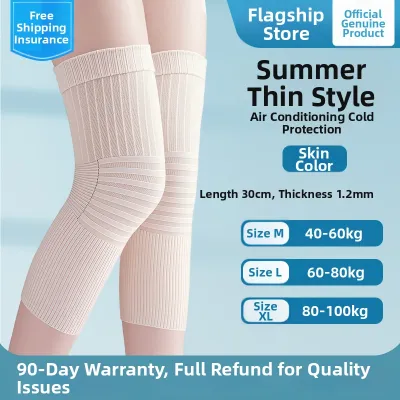
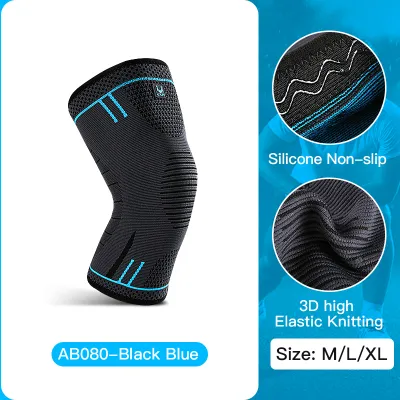
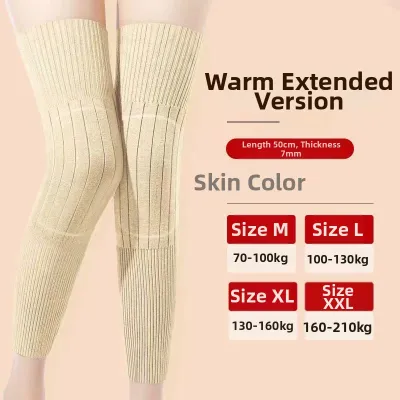
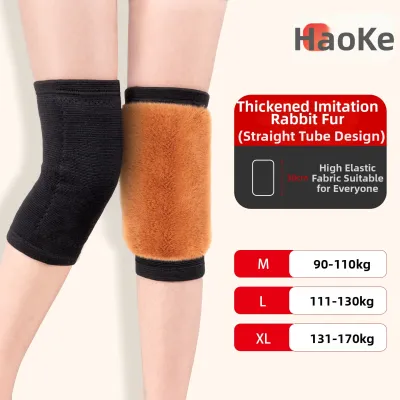
Prices are valid at publication and may change. Please refer to the product page for the latest price.
These distinct mechanisms mean that neither option is universally superior to the other. Instead, they serve different purposes along the athletic recovery timeline. While a heated support prepares and relaxes tissues, a regular brace protects and stabilizes the joint during active physical exertion.
When to Choose MediHeat for Athletic Recovery
Heated knee supports are particularly beneficial during specific phases of an athlete’s routine, especially when the goal is tissue relaxation rather than physical stabilization.

Post-Workout Muscle Recovery After intense training sessions—such as long-distance running on asphalt or playing basketball on hard concrete courts—the muscles and tendons surrounding the knee often experience micro-tears and significant tension. Applying thermal therapy during your rest period helps soothe these fatigued tissues. The warmth eases muscle spasms and reduces the deep, aching soreness that typically sets in hours after exercise.
Managing Chronic Stiffness For athletes dealing with long-term joint stiffness or mild, chronic discomfort from past injuries, movement can feel restricted. Using a heated support for 15 to 20 minutes before stretching can help. The heat increases the pliability of collagen fibers in the tendons and ligaments, making the joint feel more fluid and less resistant to movement.
Pre-Activity Warm-Up In air-conditioned training facilities or during cooler early morning workouts, joints can take longer to warm up naturally. A heated sleeve can be used as a passive warm-up tool to increase localized tissue temperature and joint mobility before you begin your dynamic stretching routine. This is especially helpful for older athletes or those returning to low-impact training.
When Regular Knee Braces Are the Better Choice
There are critical scenarios where mechanical support and compression must take precedence over thermal therapy to ensure athlete safety and prevent further joint damage.
Managing Acute Injuries and Swelling If you experience a sudden sprain, strain, or direct impact during a game, the immediate physiological response is inflammation and swelling. Applying heat to a fresh injury is highly counterproductive, as it dilates blood vessels and can worsen internal bleeding and swelling. In this acute phase, a regular compression brace is essential to help contain the swelling and support the compromised joint structure.
Active Sports Participation During dynamic, high-impact movements like cutting, jumping, or pivoting, your knee requires structural integrity. A heated fabric sleeve, which is often bulkier due to integrated heating elements and wiring, cannot provide the physical resistance needed to prevent joint misalignment. A dedicated sports brace—whether a tight compression sleeve, a wrap with lateral stabilizers, or a hinged brace—is necessary to physically protect the ligaments under load.
Post-Surgery and Severe Instability For athletes recovering from ligament tears or surgical procedures, the knee joint lacks inherent stability. In these cases, medical-grade hinged or rigid braces are required to lock the joint within safe angles of motion. Standard heated sleeves lack the rigid metal or plastic stays needed to perform this protective function, making regular structural braces the only safe option.
Essential Features to Verify Before Buying
When shopping for knee gear in local sporting goods stores or online marketplaces, verifying specific product features ensures you get a safe, durable, and effective product. When budgeting for these items, expect to find quality regular sleeves starting around ₱500, while advanced heated supports or medical-grade hinged braces can range from ₱1,500 to ₱4,000 or more.
For Heated Knee Supports
- Adjustable Temperature Control: Look for devices that offer multiple heat settings rather than a single high temperature. In warm, humid climates, a lower heat setting is often sufficient and much safer for the skin.
- Auto-Shutoff Safety Features: Ensure the device has an automatic timer that shuts off the heat after 15 to 30 minutes to prevent accidental burns if you fall asleep during recovery.
- Power Source and Battery Life: If you choose a wireless model, verify the battery capacity and charging time. A portable battery pack allows you to move around, but it should not add excessive weight to the brace.
- Washable Materials: Because tropical humidity leads to heavy sweating, verify if the heating elements are removable so the fabric sleeve can be safely washed.
For Regular Knee Braces
- Support Level: Identify whether you need a mild compression sleeve, a moderate wrap-around brace, or a high-support hinged brace based on your joint stability.
- Material Breathability: Look for moisture-wicking fabrics or perforated neoprene. In high-humidity environments, non-breathable materials can trap sweat, leading to skin irritation and bacterial growth.
- Non-Slip Grips: Verify the presence of silicone lining or wave strips along the inner cuffs to prevent the brace from sliding down during active movement.
Sizing and Fit Verification Regardless of the type of support you choose, an improper fit can render the gear useless or even harmful. Do not rely on your standard clothing size. Use a flexible measuring tape to measure your thigh and calf circumference at the exact distances specified by the manufacturer’s sizing guide. A brace that is too tight can restrict blood circulation, while one that is too loose will fail to provide adequate compression or heat retention.
Safety Boundaries and Usage Limits
Using knee supports incorrectly can lead to skin damage or exacerbate joint issues. Adhering to clear safety boundaries is essential for a successful recovery.
Avoid Heat on Fresh Injuries Never apply a heated support to a knee that has been injured within the last 48 to 72 hours. If there is visible bruising, redness, warmth to the touch, or active swelling, stick to cold therapy and compression. Introducing heat too early can significantly delay the healing process.
Protect Your Skin from Thermal Damage Limit continuous heat exposure to a maximum of 20 minutes per session. Regularly check the skin underneath the heating element for signs of excessive redness or irritation. Never use heated gear directly over topical pain creams, liniments, or medicated patches, as this combination can cause severe chemical or thermal burns.
Know When to Seek Professional Help Knee supports are tools to assist recovery, not substitutes for professional medical evaluation. If your knee pain worsens, if you experience numbness or tingling in your lower leg, or if you have underlying conditions like peripheral neuropathy or vascular disease, stop using the gear immediately and consult a healthcare professional.
Frequently Asked Questions (FAQ)
Can I wear a heated knee support during active workouts?
It is generally not recommended to wear a heated knee support during active, high-intensity workouts. The physical movement can strain or damage the internal heating wires and electronic components. Additionally, the combination of active exercise and electrical heat can cause rapid overheating and excessive sweating, which increases the risk of skin chafing and electrical malfunction. It is best to use heated supports during pre-workout preparation or post-workout rest, and switch to a standard, non-electronic compression sleeve during the actual workout.
Is it safe to alternate between heated and regular braces?
Yes, alternating between the two types of support is a common practice among athletes undergoing phased recovery. For example, you might wear a regular compression brace during the day to stabilize your joint and manage swelling while walking or training. In the evening, during your rest period, you can switch to a heated support to relax tight muscles and promote blood flow. Always listen to your body and adjust your routine based on personal comfort and the specific advice of your physical therapist or doctor.
Community discussion
Share your experience or ask a question. Comments are reviewed before publication.