
Playing golf in the Philippines presents a unique set of environmental challenges that can quickly compromise your game. Between the intense tropical humidity that triggers heavy sweating and the sudden, torrential downpours of the wet season, keeping a secure grip on your club is a constant battle. A slipping club head not only ruins your shot accuracy but also forces you to over-grip, leading to hand fatigue and tension throughout your swing. To maintain control and confidence on the course, choosing the right golf glove designed specifically to handle wet and humid conditions is one of the most practical decisions you can make.
Why Tropical Climates Change Your Glove Requirements
The combination of high ambient humidity and physical exertion creates a challenging microclimate inside your golf glove. In the Philippines, the air is often highly saturated, which severely limits the natural evaporation of sweat from your skin. This means moisture builds up rapidly inside the glove, while external humidity or rain dampens the outside. When both sides of the glove material become wet, the friction between your hand, the glove, and the club’s rubber grip drops significantly, leading to costly slippage during high-speed swings.
Traditional cabretta leather gloves, while highly favored for their soft feel and premium feedback in dry conditions, perform poorly when exposed to tropical moisture. Natural leather is highly porous and acts like a sponge, absorbing sweat and rainwater rapidly. Once saturated, leather stretches out of shape, loses its structural tackiness, and becomes incredibly slick. Furthermore, as wet leather dries, it loses its natural oils, causing the fibers to shrink, stiffen, and become brittle, which permanently ruins the fit and feel of the glove.
Products mentioned in this guide
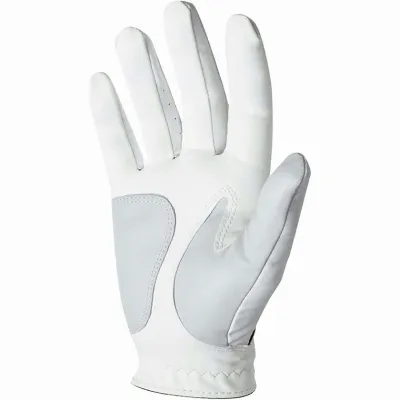
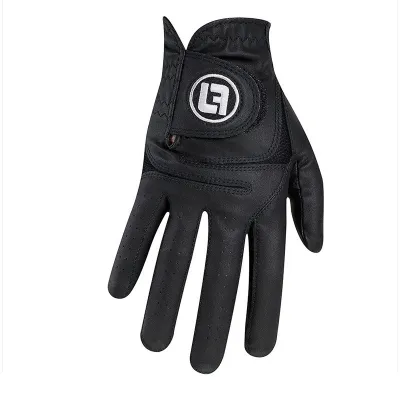
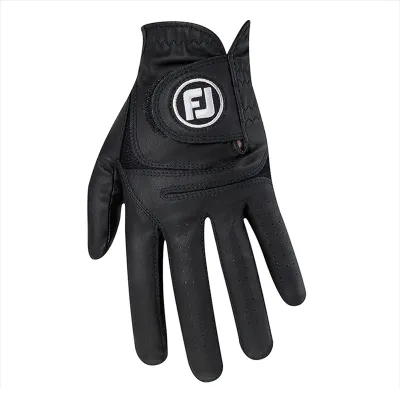
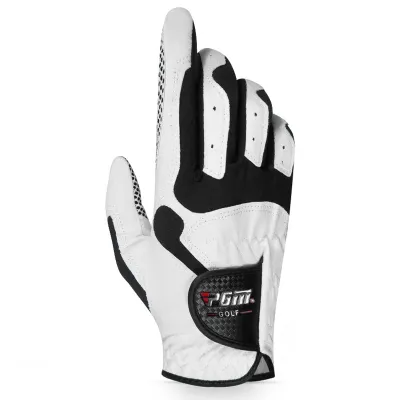
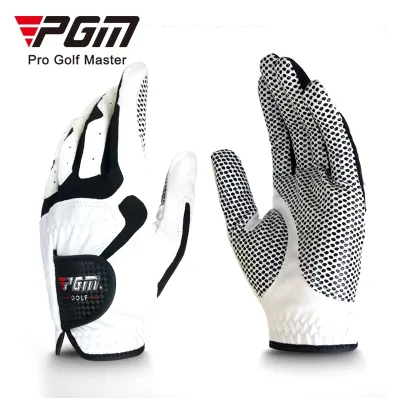
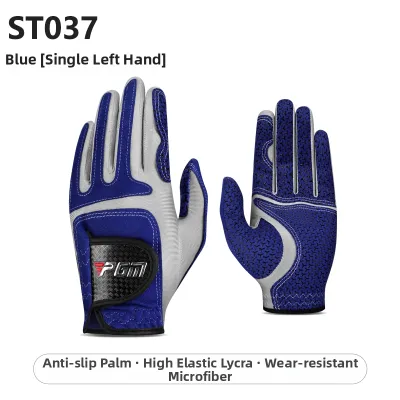
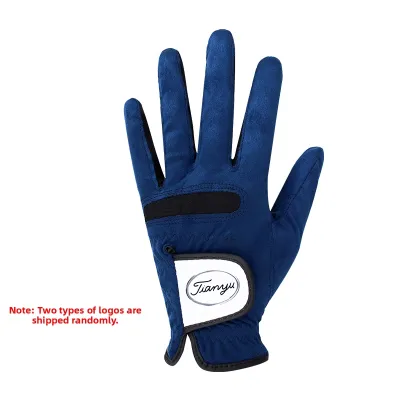
Prices are valid at publication and may change. Please refer to the product page for the latest price.
Another factor to consider is how tropical heat affects your hands physically. Playing 18 holes in high temperatures naturally causes blood vessels to dilate, resulting in mild hand swelling as the round progresses. A glove that fits snugly in a cool, air-conditioned pro shop may begin to feel uncomfortably tight and restrictive by the back nine. This makes flexibility and adjustable fit features essential for maintaining comfort and unrestricted finger movement throughout your game.
Key Material and Design Features to Look For
To combat the effects of a tropical climate, you must look beyond traditional leather and evaluate modern material blends. Synthetic leather and advanced microfibers are engineered specifically to resist water absorption, allowing them to maintain their structural integrity and grip even when wet. Many high-performance gloves utilize a hybrid construction, placing durable synthetic materials or reinforced patches on the palm and thumb where grip pressure is highest, while using lightweight, breathable fabrics on the back of the hand.

Breathability is crucial for managing sweat before it saturates the glove. Look for designs that incorporate extensive perforations along the sides of the fingers and large mesh panels across the knuckles. These ventilation zones allow heat and moisture to escape, keeping your hand cooler and reducing internal sweat buildup. Additionally, some gloves feature moisture-wicking wristbands and internal linings that actively pull sweat away from your skin, preventing the glove from slipping against your palm.
For the rainy season, dedicated rain gloves are an indispensable addition to your gear. Unlike standard gloves that try to repel water, rain gloves are typically made from specialized wet-weather microfibers, such as synthetic suede, that actually perform better as they absorb moisture. The fibers on these gloves mat down and lock together when wet, creating a high-friction interface that grips the club tighter the wetter it gets. Having a pair of these in your bag ensures you are prepared for sudden tropical downpours.
Evaluating Grip Performance in Wet Conditions
When selecting a golf glove for humid or wet conditions, start by examining the manufacturer’s packaging and product specifications. Look for clear indications of wet-weather performance, such as “all-weather,” “rain-ready,” or “wet-grip technology.” These labels indicate that the materials have been treated or structured specifically to maintain friction when exposed to water, rather than relying on dry-surface tackiness.
Next, closely inspect the texture of the palm and fingers. High-quality wet-weather gloves often feature digitally embossed patterns, textured synthetic overlays, or suede-like finishes. These physical textures act similarly to the tread on a car tire, helping to channel water away from the contact points between your hand and the club grip. Reinforced palm patches are also highly beneficial, as they provide extra durability and grip stability in the areas that experience the most friction during your swing.
It is also helpful to understand how these materials feel during a fitting. Synthetic and wet-weather gloves may feel slightly stiffer out of the box compared to ultra-soft cabretta leather. However, high-quality synthetics are designed to soften and conform to the contours of your hand after a few practice swings. When trying on a glove, ensure there is no excess material at the fingertips, but verify that you can close your hand comfortably without feeling restricted by the stiffer synthetic fabric.
Durability, Care, and Storage in High Humidity
Proper care is essential for extending the lifespan of your golf gloves in a humid climate. After a wet or sweaty round, never crumple your glove and toss it into the bottom of your golf bag. The dark, damp environment of a closed bag promotes the growth of mold and mildew, which quickly rots the stitching and ruins the material. Instead, gently wipe away any dirt or debris with a damp cloth and hang the glove to air-dry in a well-ventilated, shaded area.
Keep your gloves away from direct sunlight, car trunks, or artificial heat sources like hair dryers. Extreme heat will warp synthetic fibers, melt adhesive bonds, and cause any leather components to dry out and crack. To help the glove maintain its original shape and prevent wrinkling, store it flat in a dedicated glove case or a zip-top bag once it is completely dry. Using a plastic glove keeper—a hand-shaped frame that slides inside the glove—is an excellent way to keep the fingers extended and preserve the fit.
Regularly inspect your gloves for signs of material breakdown. Visual indicators that it is time for a replacement include thinning or pilling on the palm, fraying seams, and a hook-and-loop closure that no longer stays fastened. Tactile signs are equally important; if the palm area feels permanently slick, stiff, or has lost its elasticity, the glove can no longer provide a secure grip and should be retired to prevent club slippage during your swing.
Building a Practical Glove Rotation Strategy
Managing your gloves effectively during the humid and rainy seasons requires a strategic approach rather than relying on a single pair. Purchasing synthetic or hybrid gloves in multi-packs is a highly practical and cost-effective strategy. This allows you to carry multiple identical gloves in your bag and swap them out every four to six holes. By rotating your gloves mid-round, you ensure that you always have a relatively dry grip, while giving the damp gloves time to air-dry on the side of your golf cart.
A complete glove strategy involves separating your gear based on the weather forecast. Keep a highly breathable synthetic or hybrid glove as your primary option for hot, humid days when sweat is the main concern. Alongside this, always keep a dedicated pair of rain gloves sealed in a waterproof pocket of your bag. The moment a tropical downpour begins, switch to your rain gloves immediately before your club grips become completely saturated, ensuring uninterrupted control.
Because the combination of sweat, rain, and friction accelerates wear, golfers in the Philippines should budget for a higher rate of glove replacement. While premium gloves can range from ₱500 to ₱1,500 or more, prioritizing durable synthetic multi-packs often yields a much better cost-per-round ratio. Investing in resilient, weather-resistant materials ensures you maintain a consistent grip without constantly ruining expensive, delicate leather options.
Frequently Asked Questions (FAQ)
Can I use a standard leather glove in light rain?
While you can wear a standard cabretta leather glove in light rain, it is highly discouraged. Natural leather quickly absorbs water, causing the material to stretch out, lose its snug fit, and become extremely slippery against the club grip. Once the round is over and the wet leather dries, it loses its natural oils, turning stiff, brittle, and prone to cracking, which permanently ruins the glove’s performance and fit.
How often should I replace my golf glove in a humid climate?
There is no fixed timeline for replacing a golf glove, as it depends on your playing frequency and how heavily you sweat. Instead, monitor the glove for physical wear indicators such as thinning spots on the palm, a slick or shiny texture on the grip zones, stretched-out fingers, or a weak velcro closure. In high humidity, the constant cycle of wetting and drying accelerates material fatigue, meaning you will need to replace your gloves more frequently than you would in a dry climate.
Community discussion
Share your experience or ask a question. Comments are reviewed before publication.