
Selecting the right fins bag is a balance between protecting your expensive dive gear, managing wet equipment, and ensuring carrying comfort during your trips. In tropical climates where high humidity, intense sun, and salt water are constant factors, your choice of bag directly impacts how quickly your gear dries and how well your vehicle or dry clothes are protected from saltwater damage. A poorly matched bag can lead to moldy gear, rusted zippers, and unnecessary physical strain during long walks to the water.
By understanding the distinct advantages of mesh bags, dry bags, and backpack-style carriers, you can select a storage solution that fits your specific diving or snorkeling routine. Whether you are boarding a crowded outrigger boat, trekking down a rocky shore-entry path, or packing gear for a flight, the right bag keeps your equipment organized and secure.
Understanding Your Fins Bag Options
To make an informed decision, you must first understand the structural differences and primary purposes of the three main types of fins bags available on the market. Each style is engineered to handle water, weight, and transport in fundamentally different ways.
Products mentioned in this guide
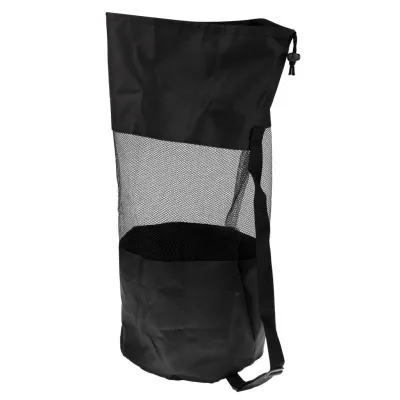

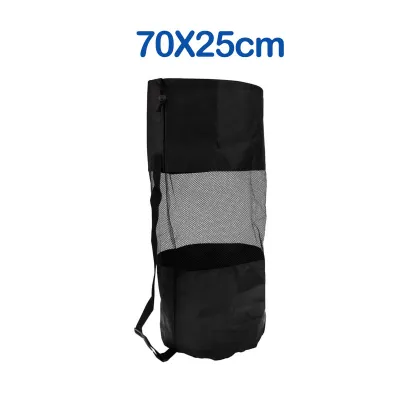
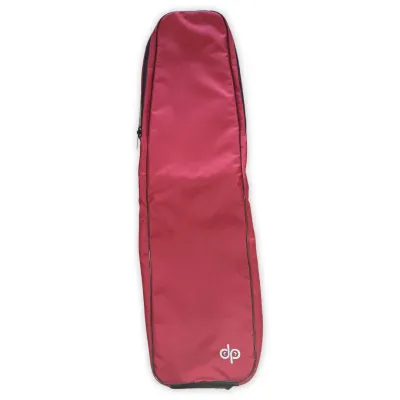

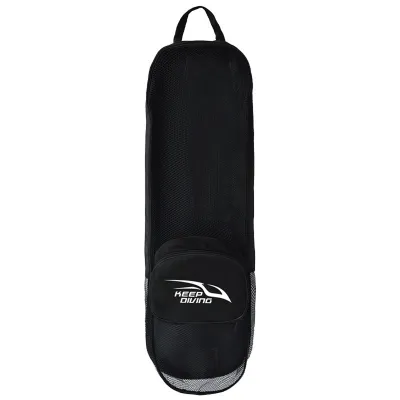
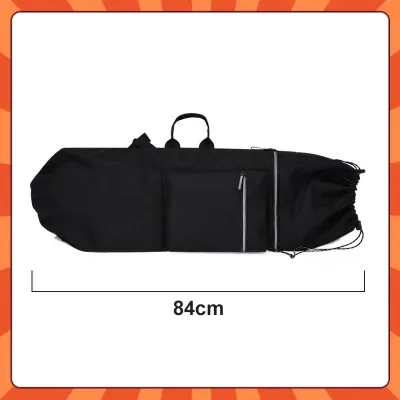
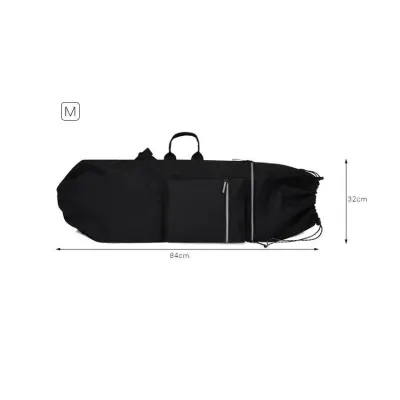
Prices are valid at publication and may change. Please refer to the product page for the latest price.
Mesh bags are the traditional choice for active divers and snorkelers who prioritize breathability and lightweight design. Constructed from open-weave nylon or PVC-coated mesh, these bags allow water to drain instantly and air to circulate freely around your wet gear. They are highly compressible, making them easy to fold and pack into larger travel luggage when empty. The primary appeal of a mesh bag is its simplicity; you can submerge the entire bag, gear included, directly into a freshwater rinse tank at the end of a dive day.
Dry bags, by contrast, are built from heavy-duty, impermeable materials such as PVC tarpaulin or thermoplastic polyurethane (TPU). Featuring welded seams and a roll-top closure system, these bags are designed to keep water completely isolated. This means you can either keep dry clothes and electronics safe from external sea spray, or keep soaking wet dive gear sealed inside so it does not leak saltwater onto your car seats or dry luggage. While highly durable and puncture-resistant, dry bags lack ventilation, meaning wet gear stored inside will remain damp until removed.
Backpack-style bags are designed for ergonomic transport and gear organization. These bags feature padded shoulder straps, chest connectors, and sometimes hip belts to distribute the weight of heavy dive gear evenly across your back. They often incorporate a hybrid design, utilizing heavy-duty nylon panels for structure, dedicated long side pockets for fins, and mesh sections for targeted drainage. Backpacks are ideal for hands-free mobility, allowing you to navigate unstable boat decks, sandy beaches, or steep stairs safely.
Key Comparison Dimensions for Dive Gear Storage
Evaluating fins bags requires looking beyond aesthetics to analyze how they perform under the practical demands of a diving or snorkeling routine. Four key dimensions dictate how well a bag will serve you over seasons of use.

Water drainage and drying speed are critical when diving in humid, tropical environments. When wet gear sits in a closed, non-breathable container, it creates a warm, damp environment that promotes the rapid growth of mold, mildew, and unpleasant odors. Mesh bags excel in this category, allowing your fins, mask, and snorkel to begin air-drying the moment you step out of the water. Dry bags and non-vented backpacks trap moisture entirely, requiring you to unpack and hang your gear immediately upon returning to your accommodation to prevent damage to silicone skirts and neoprene straps.
Protection against environmental elements and physical wear is another vital consideration. While mesh bags offer excellent ventilation, they provide virtually no protection against fine sand, dirt, or direct sunlight. Sand can easily penetrate the mesh, getting into your fin foot pockets or scratching your mask lenses. Furthermore, thin mesh is vulnerable to punctures from sharp fin buckles, rocky ground, or boat hardware. Dry bags and structured backpacks offer robust physical barriers, shielding your expensive gear from abrasive sand, UV rays, and impact during transit.
Carrying comfort becomes a priority when you must transport your gear over varying distances. A simple mesh duffel with thin webbing straps can quickly become painful to carry when loaded with heavy, wet fins and accessories. If your diving routine involves walking from a distant parking area to a shore entry, or navigating uneven terrain, a backpack-style bag with padded straps is essential to prevent shoulder and back strain. For short transfers from a dive resort directly onto a boat, a lightweight mesh bag or a simple dry bag with a single shoulder strap is often sufficient.
Capacity and organization determine how easily you can access your gear when preparing for a dive. Standard fins bags vary widely in layout, from single-compartment “dump” bags to highly organized packs with dedicated sleeves. If you carry sensitive accessories like dive computers, spare masks, defog solutions, and underwater cameras, a bag with separate dry compartments and zippered pockets is highly advantageous. In contrast, a basic mesh sack requires you to rummage through all your gear to find smaller items, increasing the risk of dropping or losing accessories.
Feature Comparison Matrix
The following matrix summarizes how each fins bag type performs across the core decision criteria discussed above.
| Bag Type | Water Drainage | Gear Protection | Carrying Comfort | Ideal Use Case |
|---|---|---|---|---|
| Mesh Bag | Excellent (Instant) | Low (Exposes gear) | Moderate (Short distances) | Boat dives, quick rinsing, lightweight travel |
| Dry Bag | None (Traps water) | High (Waterproof/Sandproof) | Moderate (Single strap) | Wet gear isolation, small boat transfers |
| Backpack | Moderate (Vented panels) | High (Padded structure) | Excellent (Hands-free) | Shore diving, long walks, full gear transport |
Note: Specific weight limits, material thicknesses, and exact liter capacities vary by manufacturer. Always verify these specifications on individual product labels or manufacturer sizing charts before purchasing.
Matching the Bag to Your Diving or Snorkeling Routine
To choose the best fins bag, you must analyze your typical diving environment, transportation methods, and the physical dimensions of your gear. No single bag excels in every scenario, so matching the bag to your specific routine is key.
You should choose a mesh bag if your diving primarily consists of resort-based boat trips where your gear is loaded directly onto a boat and rinsed in communal tanks at the end of the day. The ability to dunk the entire bag into fresh water saves time and effort. Mesh is also the preferred choice for snorkelers who travel light and want a highly packable bag that fits easily into a larger suitcase. If you do not mind your car trunk getting damp, or if you use a plastic cargo tray in your vehicle, the drainage of a mesh bag is a major convenience.
You should choose a dry bag if you frequently travel on small outrigger boats where sea spray routinely drenches the deck, or if you must transport wet gear in the clean trunk of a rental car or public transport. A dry bag ensures that saltwater does not ruin your dry clothes, towel, or car upholstery. It is also highly suitable for beach days where you need to leave your bag on the sand while you swim; rolling the top closed keeps fine sand and debris out of your gear.
You should choose a backpack-style bag if your diving routine involves shore entries, hiking down cliffs, or walking long distances to reach the water. Keeping your hands free allows you to maintain balance on slippery rocks or hold onto handrails. Backpacks are also ideal for divers who travel frequently and want a single, structured bag that can serve as carry-on luggage while protecting delicate gear like masks and dive computers in dedicated padded compartments.
Before making a final decision, you must verify if your specific fins exceed standard bag dimensions. Standard snorkeling and scuba fins typically fit into most general-purpose bags. However, if you use extra-long freediving fins or specialized monofins, standard bags will be too short. Forcing long blades into a short bag can permanently bend or warp the blades, ruining their hydrodynamic performance. Always look for specialized extra-long bags designed specifically for freediving gear if you use long blades.
What to Check Before Buying a Fins Bag
Once you have decided on the style of bag that fits your routine, perform these physical and specification checks to ensure the product you select is durable and compatible with your gear.
First, measure your fins carefully. Do not rely solely on shoe size; instead, measure the total length from the tip of the blade to the furthest point of the foot pocket or spring strap, as well as the maximum width of the blade. Compare these measurements against the manufacturer’s stated internal dimensions of the bag. Ensure there is at least two to three centimeters of clearance to prevent the zipper from putting constant pressure on the tips of your fins.
Second, inspect the hardware and construction quality. Saltwater is highly corrosive, meaning metal zippers will quickly seize and break. Look for heavy-duty, marine-grade plastic zippers and sliders. Examine the stitching at major stress points, particularly where the shoulder straps or handles connect to the bag body. Double-stitched or reinforced box-stitched seams are essential for carrying the weight of wet gear. If choosing a dry bag, verify that the seams are radio-frequency (RF) welded rather than stitched and taped, as welded seams provide a much more reliable waterproof seal.
Finally, check for hybrid features that offer the best of both worlds. Many modern backpack-style bags feature a waterproof main compartment paired with external mesh pockets for fins, allowing your wet fins to drain while keeping your change of clothes dry. If you opt for a dry bag, look for models that include a small bottom drainage valve or grommet, which allows you to drain pooled saltwater without unrolling the top of the bag.
Frequently Asked Questions (FAQ)
How do I clean and maintain my fins bag after saltwater use?
To prolong the lifespan of your fins bag, rinse it thoroughly with clean, fresh water after every dive trip to remove salt crystals, sand, and organic debris. Pay close attention to the zippers, buckles, and strap adjustment points where salt buildup can cause sticking or corrosion. After rinsing, hang the bag to air dry completely in a shaded, well-ventilated area. Avoid leaving the bag in direct sunlight for extended periods, as ultraviolet (UV) radiation can degrade nylon fibers, weaken PVC coatings, and cause plastic buckles to become brittle. Always check the manufacturer’s care label for specific material restrictions, and avoid using harsh chemical detergents or machine washing unless explicitly authorized by the manufacturer.
Can I use a regular sports duffel instead of a dedicated fins bag?
While a regular sports duffel can physically hold your fins, it is not recommended for regular use with wet dive gear. Standard gym bags are typically made of cotton or lightweight polyester that absorbs water, leading to rapid mold growth, rotting seams, and persistent foul odors. Furthermore, standard metal zippers will corrode and rust shut within a few exposures to saltwater. A regular duffel also lacks drainage, meaning pooled saltwater will leak through the fabric, potentially damaging your vehicle’s interior or other luggage. Investing in a dedicated fins bag made of marine-grade materials ensures your gear remains protected, your car stays dry, and your bag lasts for years of coastal adventures.
Community discussion
Share your experience or ask a question. Comments are reviewed before publication.