
Quick Answer: Which Kite Reel Material is Right for You?
Choosing the right equipment is essential for a safe and enjoyable flying experience. When deciding between a high-performance kite reel metal design and a lightweight plastic alternative, your choice should depend on the size of your kite, the wind conditions, and your budget.
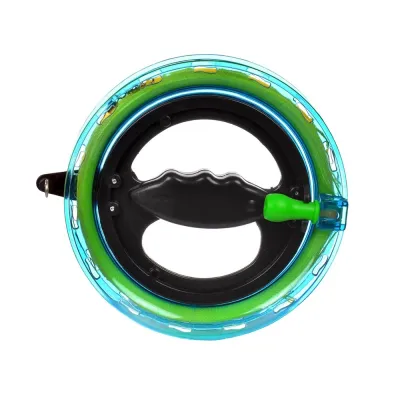
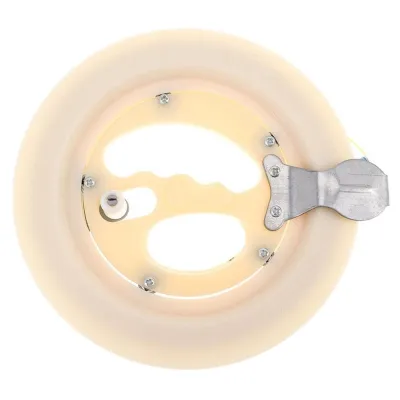
Plastic kite reels are highly practical for lightweight, casual, and family-friendly kites. Their minimal weight makes them easy to carry to local parks, and their accessible pricing makes them an excellent entry point for beginners. Because smaller kites generate low line tension, the structural limitations of plastic rarely become an issue in casual settings.
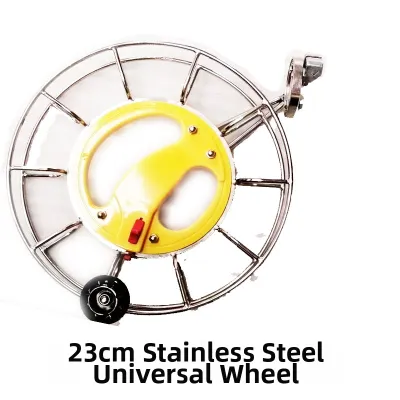
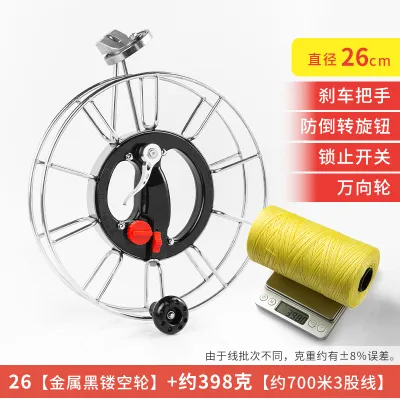
Conversely, metal reels are a necessity for large, high-pull kites, stunt flying, and competitive environments. When flying in strong coastal winds, the immense pull of a large sail generates extreme tension and friction. Metal reels provide the structural integrity, heat dissipation, and advanced braking systems required to manage these heavy loads safely without warping or failing.
Products mentioned in this guide
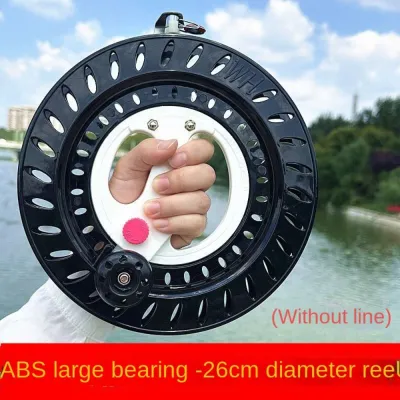
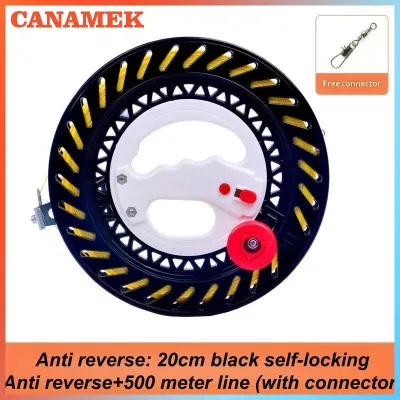
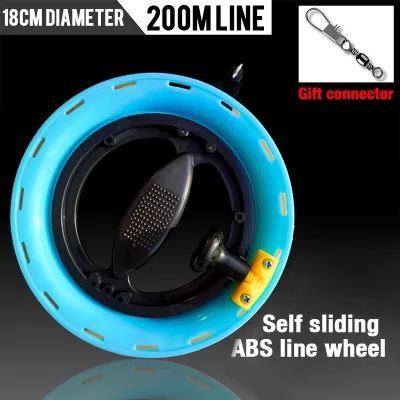
Prices are valid at publication and may change. Please refer to the product page for the latest price.
Key Differences Between Metal and Plastic Kite Reels
The material of your kite reel dictates how the tool handles physical stress, environmental exposure, and line friction. Understanding these physical properties helps you select a reel that matches your specific flying conditions and prevents equipment failure in the field.

Every time you fly, the reel must withstand the cumulative tension of the wound line, the heat generated by rapid line release, and exposure to outdoor elements. These demands highlight the three main comparison pillars: durability under stress, physical handling comfort, and the long-term cost-to-lifespan ratio.
Durability, Friction, and Heat Resistance
When a kite climbs rapidly into the sky, the line can pay out at high speeds, creating intense friction as it rubs against the reel’s guide and spool. This friction generates localized heat that can quickly damage both the line and the reel if the materials cannot handle the thermal energy.
Metal reels, typically constructed from anodized aluminum or stainless steel, possess high thermal conductivity. This allows them to dissipate heat rapidly, preventing the spool or line guide from overheating. Furthermore, metal easily resists the cumulative compressive force of tightly wound, high-tension lines, ensuring the spool walls do not bend or collapse inward.
Plastic reels have very low thermal conductivity and are susceptible to heat damage. Under high tension or during rapid line release, the friction can cause the plastic guides or spool edges to soften, warp, or melt, which can bind the line and cause a sudden snap. Additionally, prolonged exposure to the intense tropical sun can cause standard plastics to degrade and become brittle over time.
To ensure safety, always check the manufacturer’s specifications for maximum line tension and heat tolerance. Do not rely on generic material assumptions when pairing a reel with a high-pull kite.
Weight, Ergonomics, and Handling Comfort
The physical weight of your reel directly impacts how long you can fly without experiencing physical strain. Holding a heavy reel for hours can lead to fatigue in your hands, wrists, and shoulders, altering your control over the kite.
Plastic reels are exceptionally lightweight, often weighing only a fraction of their metal counterparts. This makes them highly ergonomic and comfortable for extended, casual flying sessions. Children and beginners will find plastic reels much easier to hold, maneuver, and transport to and from the flying site.
Metal reels are inherently heavier due to the density of aluminum or steel alloys. While this added weight can cause hand fatigue over time, it also provides a solid, grounded feel that helps anchor high-pull kites. The physical mass of a metal reel gives experienced flyers more leverage and stability when managing strong, unpredictable winds.
When shopping, compare both the empty weight of the reel and its estimated loaded weight when filled with several hundred meters of line. This ensures you select a weight you can comfortably support.
Price and Long-Term Value
Upfront costs must be balanced against the expected lifespan of the tool and how frequently you plan to use it. Investing in the wrong material can lead to frequent replacements or damaged lines.
Plastic reels are highly affordable, with basic models typically priced between ₱300 and ₱800. This low price point makes them highly accessible for families, casual hobbyists, or those who only fly kites during seasonal holidays. However, because plastic is prone to cracking from accidental drops or UV degradation, these reels may need to be replaced every few seasons.
Metal reels require a larger initial investment, with quality models ranging from ₱1,800 to over ₱5,000. Despite the higher upfront cost, they offer exceptional long-term value because they are virtually indestructible under normal use. A well-maintained metal reel can last for decades, making it the more cost-effective choice for dedicated enthusiasts.
Matching the Reel to Your Kite and Flying Style
To select the right tool, you must match the reel’s structural properties to the specific physical demands of your kite. Different flying styles and environments require distinct levels of strength and control.
Using an underpowered reel can lead to catastrophic equipment failure, while using an overly heavy reel for a small kite can make the experience tiring and frustrating. Identifying your primary flying scenario is the first step toward making the correct choice.
Casual, Family, and Light Wind Flying
Casual flying in local parks or open fields typically involves small to medium single-line kites, such as diamonds, deltas under 1.5 meters, or novelty character kites. These activities generally take place in gentle, steady breezes ranging from 8 to 15 km/h.
For these scenarios, a plastic reel is the ideal and safest choice. The lightweight construction allows young children and older adults to fly for hours without wrist strain, and the simple design makes line management straightforward. If a child accidentally drops the reel onto grass or sand, the risk of damage to the reel or the environment is minimal.
Because small kites generate very little pull force (often under 5 kg), the structural and thermal limitations of plastic are never tested. This makes the affordability and ease of use of a plastic reel highly practical for family outings.
Large Kites, High Winds, and Heavy-Duty Flying
Heavy-duty flying involves large delta kites, massive parafoils, stunt kites, or flying in strong coastal winds. Coastal areas often experience powerful, gusty winds ranging from 20 to 40+ km/h, which generate immense pull force.
In these high-stress environments, a metal reel is a strict safety requirement. The structural rigidity of anodized aluminum or stainless steel prevents the spool from warping or cracking under the crushing pressure of tightly wound line. A collapsing spool can jam the reel instantly, leading to a lost kite or a dangerous line snap.
Additionally, metal reels feature superior heat dissipation to protect your hands and the expensive line from friction damage during rapid adjustments. The added weight of the metal frame helps you maintain a secure grip and stable stance against the continuous pull of the wind.
Essential Specifications to Verify Before Buying
Before purchasing a reel from an online marketplace or specialty outdoor store, review the product specifications carefully to ensure it meets your performance and safety requirements.
- Material Grade: Look for specific material descriptions rather than generic terms. High-quality options include anodized 6061-T6 aluminum, marine-grade 316 stainless steel, or high-impact ABS and polycarbonate plastics. Avoid products labeled simply as "metal" or "plastic" without further detail.
- Line Capacity: Verify the maximum length and diameter of the line the spool can safely hold. Overfilling a spool leads to line jams, tangles, and uneven winding, which can ruin your flying session.
- Bearing Type: Look for reels equipped with sealed stainless steel ball bearings. These ensure smooth, low-friction rotation during rapid line release and heavy-load retrievals, whereas simple plastic bushings wear out quickly under tension.
- Brake or Drag System: A reliable, adjustable disc brake or thumb-operated drag system is crucial for controlling heavy-pull kites. It allows you to lock the reel in place, apply steady resistance, and prevent dangerous line overruns when the wind spikes.
- Environmental Resistance: In humid, tropical climates and salty beach environments, corrosion and UV degradation occur rapidly. Verify that plastic reels feature UV-stabilized polymers and metal reels have anodized finishes or rust-resistant coatings to ensure long-term durability.
Final Decision Framework: How to Choose
To finalize your decision, evaluate your specific flying needs against this structured framework:
Choose a plastic reel if:
- You primarily fly small to medium kites (under 1.5 meters in wingspan) in light winds.
- You prioritize lightweight comfort and want to avoid arm fatigue during long, casual flying sessions.
- You are purchasing equipment for children or beginners who need an easy-to-handle, lightweight tool.
- You want an affordable, low-risk entry point into the hobby for occasional family outings.
Choose a metal reel if:
- You fly large, high-pull kites or heavy parafoils that generate significant line tension.
- You frequently fly in strong coastal winds or beach environments where structural strength is paramount.
- You require a high-performance brake system and rapid line release with excellent heat dissipation.
- You view kite flying as a long-term hobby and want a durable, professional-grade tool that resists wear and environmental corrosion.
Verify first if:
- You are unsure of your kite's maximum pull strength or the required line rating. Always check the kite manufacturer's guidelines for recommended line weight and reel specifications before pairing a heavy-pull kite with an unverified reel. If instructions conflict or are unavailable, stop and consult a professional or an experienced local kite flyer. Equipment cannot replace proper training and situational judgment.
Frequently Asked Questions (FAQ)
Proper maintenance and safety checks are just as important as your initial material choice. These questions address common practical concerns for flyers.
Do metal kite reels rust in humid or beach environments?
Untreated steel or low-grade metals will rust quickly when exposed to humid, salty air. To prevent this, look for reels made from anodized aluminum or marine-grade stainless steel, which are designed to resist corrosion. After flying at the beach, always rinse your metal reel with fresh water and dry it thoroughly with a soft cloth to remove salt deposits and sand grit from the bearings.
Can I use a plastic reel for a large kite if I wear heavy gloves?
No, you should not use a plastic reel for a large kite, even if you wear protective gloves. While heavy gloves protect your hands from friction burns and cuts, they do nothing to protect the plastic reel itself. The immense structural tension and internal pressure from a large, high-pull kite can easily warp, melt, or crack a plastic spool. The reel’s material and build quality must always match the kite’s maximum pull strength to ensure safety.
Community discussion
Share your experience or ask a question. Comments are reviewed before publication.