
Choosing the right pom poms for cheering can transform a school squad’s routine from a simple performance into a captivating visual spectacle. The ideal material depends on your squad’s performance environment, budget constraints, and choreography style. While metallic options offer high flash for competitive routines under bright lights, plastic provides excellent durability for daily outdoor practices in humid tropical weather, and tissue serves as a lightweight, cost-effective option for younger squads or temporary pep rallies. By evaluating how each material behaves under different conditions, coaches and organizers can select the right gear to elevate their team’s spirit.
Understanding the Core Pom-Pom Materials
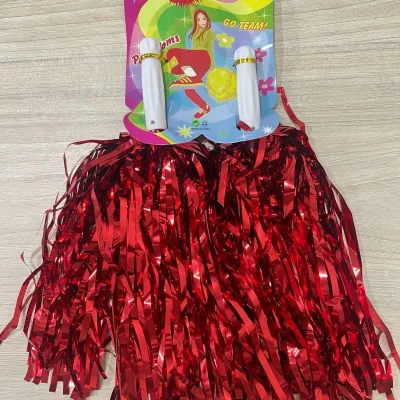
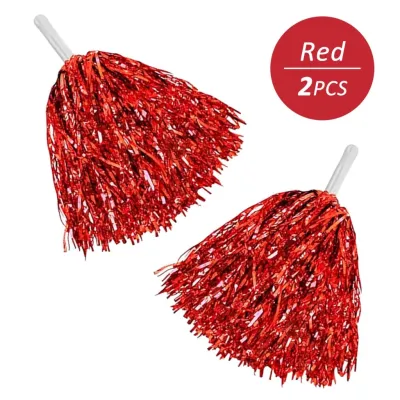
To make an informed decision, it is essential to understand how different pom poms for cheering are constructed. Metallic pom-poms are typically manufactured from polyethylene terephthalate (PET) or specialized metallicized films. These materials are cut into thin, flat strands that produce a crisp, crinkly sound when shaken, creating an auditory element that complements the visual display. The metallic coating is highly reflective, catching and throwing light across large distances.
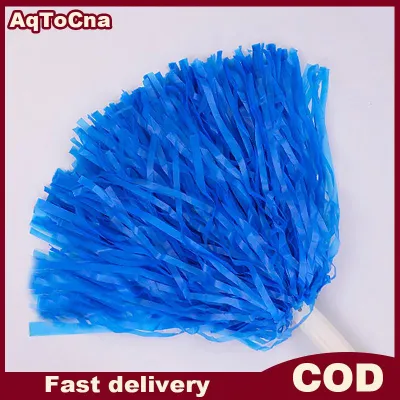
Plastic pom-poms, often made from polyethylene (PE) or polyvinyl chloride (PVC), represent a highly versatile category. These strands are generally softer and more flexible than their metallic counterparts, allowing them to drape naturally and create a full, fluffy appearance. Plastic variants are available in a wide array of finishes, including solid matte, semi-gloss, and even translucent styles, making them highly customizable for school branding.
Products mentioned in this guide
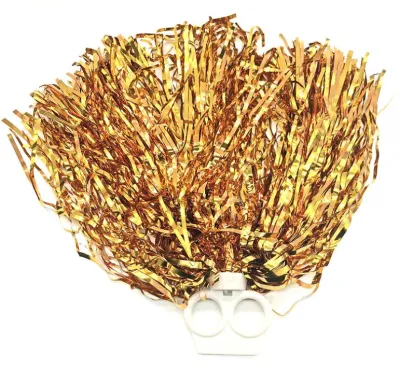
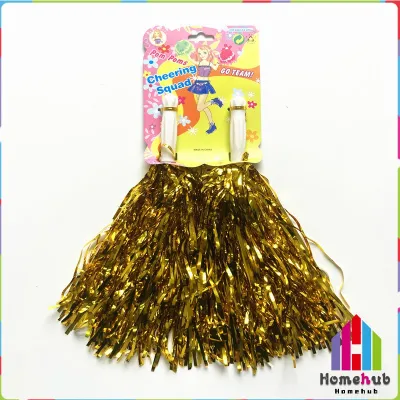
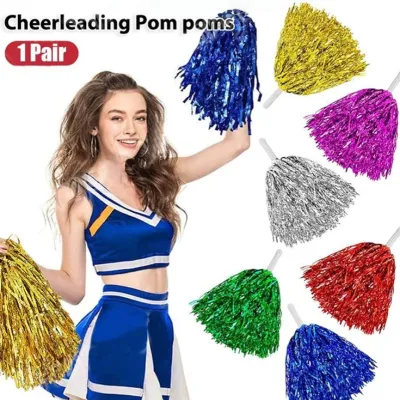
Prices are valid at publication and may change. Please refer to the product page for the latest price.
Tissue pom-poms are crafted from crepe paper or lightweight synthetic tissue blends. This traditional style offers a classic, soft look that is exceptionally light in the hand. Because the material is delicate, tissue pom-poms are typically designed for low-impact environments where high-energy stunts and harsh weather are not factors.
Key Comparison Dimensions for Cheer Squads
Selecting the right equipment requires a systematic evaluation of how each material performs under real-world conditions. School squads must balance the visual demands of their routines with the practical realities of their training environments. To find the best fit, organizers should evaluate pom poms for cheering across three primary pillars: visual presence, physical endurance, and ergonomic handling.

Visual Impact and Routine Visibility
The primary purpose of any cheer prop is to draw the crowd’s eye and amplify the squad’s movements. Metallic pom-poms excel in high-intensity environments like indoor gymnasiums or covered courts equipped with bright overhead lighting. The reflective surfaces catch the light with every shake, creating a shimmering effect that is easily visible from the highest bleachers. This high reflectivity makes metallic options a favorite for competitive routines where every sharp movement needs to be emphasized.
In contrast, plastic pom-poms rely on solid color vibrancy rather than pure reflection to make an impact. Under the bright, direct sun of an outdoor stadium, metallic strands can sometimes create a distracting glare. Plastic strands maintain their true color profile under any lighting condition, ensuring that school colors remain distinct and recognizable even from a distance.
Tissue pom-poms offer a completely matte finish that absorbs light rather than reflecting it. While they lack the modern flash of metallic or the bold punch of plastic, they provide a dense, solid block of color that looks excellent in close-up settings, such as school assemblies or indoor pep rallies. When choosing a material, always check the manufacturer’s descriptions for specific finish types, such as holographic, matte, or glitter, to ensure they match your performance venue’s lighting.
Durability and Weather Resistance
Cheer routines are physically demanding, involving rapid transitions, high-impact stunts, and frequent contact with the ground. Metallic pom-poms are highly resilient against tearing, but they are prone to creasing if stepped on or packed tightly. Once a metallic strand is bent or crushed, it rarely returns to its original flat shape, which can gradually reduce the overall volume of the pom-pom over a long season.
Plastic pom-poms are highly durable and resilient. The flexible PE or PVC strands can be bent, stepped on, and stuffed into gear bags without losing their shape or fluffiness. They are also highly resistant to shedding, provided you verify the quality of the central binding. When practicing outdoors on concrete courts or grassy fields, plastic stands up to the abrasive friction of the ground far better than other materials.
Weather resistance is a critical consideration, particularly in tropical climates prone to high humidity and sudden downpours. Tissue pom-poms are highly vulnerable to moisture; a single sudden shower can cause crepe paper to disintegrate, bleed dye onto uniforms, and become completely unusable. Plastic and metallic options are inherently waterproof, but it is still vital to check manufacturer specifications to ensure the handle staples are rust-resistant and the dyes are moisture-fast to prevent color transfer during sweaty, humid practices.
Weight, Grip, and Handling
The physical weight of a pom-pom directly influences a cheerleader’s stamina and execution. Metallic pom-poms are slightly heavier than plastic due to the metallicized coating applied to the film. While the difference may seem negligible in the hand, holding heavier props during a long, high-tempo routine can accelerate arm fatigue, leading to less precise movements and softer lines.
Plastic pom-poms offer a lighter alternative that allows for faster, crisper transitions without exhausting the athletes. For younger squads, such as elementary or junior high school teams, the lighter weight of plastic or synthetic tissue is highly beneficial for developing proper arm placement and control. Reducing the physical strain on young joints helps prevent early fatigue and keeps energy levels high throughout the game.
The choice of handle also plays a significant role in how weight is distributed and managed. Baton handles, which feature a solid bar in the middle, are excellent for secure, two-handed grips during complex transitions. Hidden handles or dowels offer a seamless look but require more hand strength to keep secure. Ring or loop handles are ideal for younger performers or routines that require quick transitions, as they can be slipped over the fingers easily, reducing the risk of dropping the prop mid-routine.
Budget and Value Considerations
Managing a school sports budget requires balancing upfront costs against long-term value. Tissue pom-poms sit at the lowest price tier, costing only a few pesos per piece. This makes them highly attractive for one-off events, intramural sports days, or large-scale student sections where hundreds of props are needed for a single afternoon. However, because they damage easily, they must be replaced frequently, which can quickly add up over a school year.
Plastic pom-poms represent the middle tier, offering a highly cost-effective balance of durability and price. While they require a larger initial investment than tissue, their ability to withstand months of daily practice means you rarely have to replace them mid-season. For a typical school squad operating on a modest budget of ₱5,000 to ₱10,000 for gear, investing in high-quality plastic pom-poms often yields a strong return on investment.
Metallic pom-poms are the premium option, requiring the highest upfront cost. For competitive squads aiming for regional championships, this investment is often justified by the visual points gained under professional lighting. When purchasing for a large squad, always look for bulk purchasing options through dedicated sports suppliers or online marketplaces. Be sure to check minimum order quantities and verify shipping fees, as large volumes of fluffy pom-poms require bulky packaging that can significantly increase delivery costs.
Decision Framework: Which Material Fits Your Squad?
To finalize your selection, align your squad’s primary goals with the specific strengths of each material.
- Choose Metallic if: Your squad focuses on competitive, indoor routines where high visual flash, sharp crinkly sounds, and high-impact choreography are the top priorities. This material is best suited for high school or collegiate teams with the budget to support premium gear and the discipline to maintain it properly.
- Choose Plastic if: You need a highly durable, versatile, and budget-friendly option for daily practice, outdoor games, and varied weather conditions. Plastic is the ideal choice for squads that perform frequently on outdoor courts and need props that can survive being packed into gear bags day after day.
- Choose Tissue if: You are organizing a temporary pep rally, a one-day intramural event, or managing a squad of very young beginners who require ultra-lightweight props. It is also the go-to option when you need to purchase hundreds of items on a very tight budget for crowd participation.
- Verify first if: Your school or athletic association has specific safety guidelines regarding prop materials. Some indoor venues ban poorly constructed metallic pom-poms because cheap metallic films can shed sharp, static-cling strands that litter the court, creating a slipping hazard for basketball players and other athletes. Always check manufacturer reviews for low-shedding guarantees before finalizing your purchase.
Care, Storage, and Maintenance
Proper care and storage can double the lifespan of your pom poms for cheering, saving your school valuable budget resources. To prevent crushing and tangling, never store pom-poms compressed at the bottom of a heavy equipment bin. Instead, hang them by their handles from hooks or store them loosely in flat, breathable cardboard boxes. This allows air to circulate, preventing moisture buildup that can lead to mold in humid environments.
Cleaning methods should be tailored to the material. Plastic and metallic pom-poms can be easily cleaned by wiping the strands down with a damp microfiber cloth and a mild soap solution. Never submerge them completely in water, as moisture can trap itself inside the handle mechanism and cause rust or mold. Tissue pom-poms cannot be cleaned; any soiled or torn sections must be carefully trimmed away, or the entire unit must be replaced.
Before every performance, conduct a quick safety check of all equipment. Inspect the handles for cracks or loose staples, and gently shake each pom-pom to clear any loose strands that might shed on the court. Promptly dispose of any broken plastic or metallic pieces, as these can create slipping hazards on polished wooden gym floors.
Frequently Asked Questions (FAQ)
Can I mix different pom-pom materials in a single routine?
Yes, mixing materials can create excellent visual contrast, but it must be done strategically. For example, combining metallic and plastic strands in a single pom-pom can give you both the high-shine flash of metal and the full volume of plastic. If you are mixing different types of pom-poms across the squad, ensure that the distribution is symmetrical across your formations. Keep in mind that different materials have different weights, so mixing them within the same performer’s hands might affect their balance and transition speed.
How do I safely dispose of or recycle old pom-poms?
Most plastic and metallic pom-poms cannot be recycled through standard municipal recycling bins because they are made of mixed materials, including synthetic films, plastic handles, and metal staples. To minimize environmental impact, try to repurpose old, worn-out pom-poms for school art projects, classroom decorations, or spirit displays before throwing them away. If they must be disposed of, separate the plastic handles from the film strands if possible, and check with local recycling centers to see if they accept soft plastics.
Community discussion
Share your experience or ask a question. Comments are reviewed before publication.