
Maintaining a secure grip on your golf club is essential for consistent swing mechanics, especially when playing in the intense heat and high humidity of the Philippines. While many players overlook the humble sweat towel, choosing between microfiber and cotton can significantly affect how dry you keep your hands and equipment throughout an eighteen-hole round. Neither material is universally superior for every golfer; the ideal choice depends on your personal sweat volume, local weather conditions, and how you prefer the fabric to feel.
Microfiber excels in lightweight, high-capacity fluid retention and rapid drying, making it highly effective for continuous use in tropical climates. Cotton offers a traditional, plush feel and reliable dirt pickup without static attraction, appealing to players who prioritize tactile feedback and classic aesthetics. Understanding how each fabric behaves under the physical demands of a golf round will help you select the right tool to maintain a secure grip.
Core Differences in Absorption and Moisture Management
To understand how these materials perform on the course, you must look at how they physically handle moisture. Microfiber is a synthetic material made of extremely fine polyester and nylon fibers split to create a vast network of tiny channels. This structure relies on capillary action, drawing sweat and water into the microscopic spaces between the fibers rather than absorbing it into the material itself. This fundamental difference affects how each towel behaves once it gets wet during a humid afternoon round.
Products mentioned in this guide
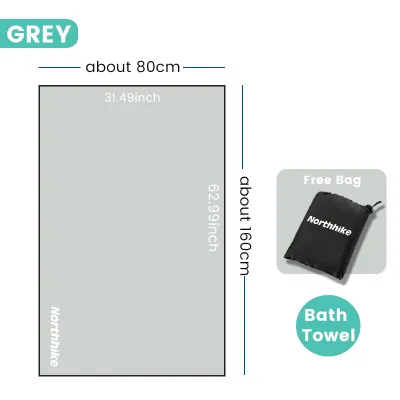
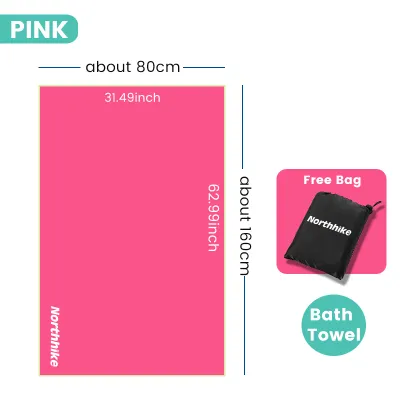
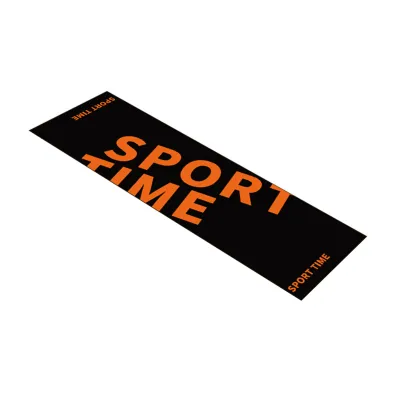
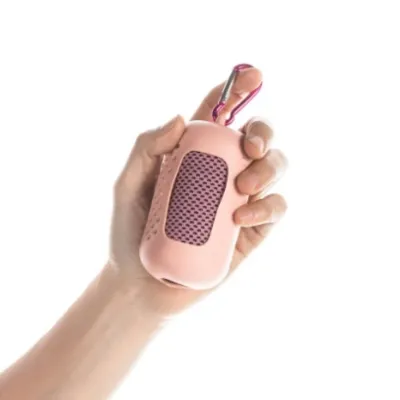
Prices are valid at publication and may change. Please refer to the product page for the latest price.
Cotton, on the other hand, is a natural plant fiber that absorbs moisture directly into its cell walls. This natural absorption makes cotton feel immediately damp to the touch once it comes into contact with sweat. While cotton can hold a significant amount of liquid, it retains that moisture deep within its organic structure, which slows down the evaporation process and can leave you with a heavy, soggy towel after just a few holes.
When evaluating product specifications, look closely at the weight-to-absorption ratio, which is often indicated by the fabric’s density measured in grams per square meter (GSM). Microfiber towels typically offer a much higher absorption capacity relative to their dry weight, allowing a lightweight towel to hold several times its weight in water. When inspecting a towel, check the thickness and density; a high-quality microfiber towel remains easy to wring out on the course, quickly restoring its usable capacity. Cotton towels feel reassuringly thick and heavy when dry, but once they absorb their maximum capacity of sweat, they become heavy and difficult to dry by hand-wringing alone.
Drying speed is another critical factor, particularly in tropical environments where high humidity slows down natural evaporation. Microfiber releases moisture rapidly because its synthetic fibers do not hold water internally, allowing air to pass through the split channels easily. This rapid moisture release helps ensure your towel is dry enough to use before your next shot. Cotton holds onto water deep within its fibers, meaning a saturated cotton towel will likely remain damp for the remainder of your round, reducing its effectiveness at drying your hands or club grips.
Durability, Maintenance, and Longevity
The long-term performance of your golf towel depends heavily on how you care for the fabric. Microfiber requires specific washing instructions to maintain its capillary action over time. You must avoid using fabric softeners or dryer sheets when laundering microfiber, as these products leave a silicone coating that clogs the microscopic pores, severely reducing the towel’s ability to absorb sweat. Cotton is much more forgiving in the laundry, tolerating standard detergents, fabric softeners, and high-heat drying cycles without losing its basic structural integrity.

Odor retention and bacterial buildup are common challenges for golf gear stored in dark, humid bags. Synthetic fibers like microfiber can sometimes harbor bacteria and develop a musty smell if left damp in a closed compartment, though many modern sports towels feature antimicrobial treatments to mitigate this. Cotton is naturally breathable but can mildew quickly if not hung up to dry immediately after a sweaty round. Additionally, cotton is prone to gradual shrinkage and fiber degradation after repeated hot-water washes, whereas high-quality microfiber retains its shape and size over years of use.
Regardless of the fabric you choose, you should inspect the structural hardware of the towel before purchasing. Look for reinforced metal or heavy-duty plastic grommets that prevent the fabric from tearing where it connects to your bag. Check the quality of the edge stitching; tight, overlocked seams are essential to prevent fraying, especially when the towel is repeatedly pulled from your bag or rubbed against coarse golf cart surfaces. A sturdy carabiner or clip attachment ensures the towel remains securely fastened during transport.
Impact on Grip and Club Handling
A golf towel does more than dry your hands; it is also your primary tool for keeping club grips and face grooves clean. Microfiber features a grabby, high-surface-area texture that is highly effective at lifting natural oils, sunscreen residue, and fine grass stains from rubber or cord grips. The split fibers act like tiny hooks, pulling dirt out of the intricate patterns of your club grips. Cotton relies on a loop-pile construction (like a bath towel) which provides excellent scrubbing friction for larger clumps of mud, but may require more physical effort to lift fine oils and grease.
However, both materials present distinct trade-offs depending on the course conditions. Cotton towels are prone to lint transfer, occasionally leaving tiny fibers on tacky club grips or velcro glove patches, which can subtly interfere with your tactile connection to the club. Microfiber does not shed lint, but its synthetic composition makes it highly prone to static electricity. On dry, windy, or sandy courses, a dry microfiber towel can act like a dust magnet, attracting loose soil and debris that you definitely do not want to rub onto your expensive club faces or soft grips.
The physical weight of a wet towel can also affect your comfort and convenience while walking the course. A fully saturated cotton towel becomes heavy and saggy, which can cause it to swing wildly when clipped to your golf bag, potentially snagging on branches or interfering with your balance as you carry your clubs. Microfiber remains relatively lightweight even when damp, keeping your bag balanced and preventing unwanted movement during your walk between holes.
How to Choose the Right Sweat Towel for Your Game
To select the ideal towel for your specific playing style, consider a conditional decision framework based on your typical playing environment. Choose a microfiber towel if you prioritize lightweight gear, play in high-humidity regions where rapid drying is essential, and want a compact towel that takes up minimal space in your bag. Microfiber is also the practical choice for golfers who sweat heavily and need a fabric that can be wrung out and reused multiple times during a single round.
Conversely, choose a cotton towel if you prefer a heavier, plush texture and appreciate the traditional aesthetic of a classic caddy towel. Cotton is highly suitable for players who primarily play in dry climates where static dust attraction is a constant annoyance, or for those who prefer a soft, non-grabby texture against their skin. If you value a simple, low-maintenance washing routine where you can throw all your golf gear into a standard laundry cycle without worrying about fabric softeners, cotton is the more convenient option.
Before making a final decision, verify the attachment mechanism of the towel to ensure it is compatible with your golf bag or cart setup. Many modern towels feature integrated carabiners, webbed loops, or even heavy-duty magnets that allow you to stick the towel directly to the metal frame of a golf cart for quick access. If your routine involves taking your towel to the green for cleaning your ball, a magnetic or easily detachable clip system is highly beneficial.
Keep in mind that neither microfiber nor cotton may be sufficient if you require a highly specialized abrasive texture to clean deeply packed mud out of your wedge grooves. If you frequently play on wet, clay-heavy courses, look for a dual-sided towel that features a soft microfiber or cotton side for sweat, paired with a coarse nylon mesh backing or a dedicated groove-cleaning brush.
Frequently Asked Questions (FAQ)
Can I use a standard gym towel instead of a dedicated golf sweat towel?
While a standard gym towel can dry your hands in a pinch, it lacks the specialized design features required for convenient use on the golf course. Dedicated golf towels are typically longer and narrower, allowing them to hang cleanly along the side of your bag without dragging on the ground or getting caught in the stand mechanism. Furthermore, gym towels rarely come with reinforced grommets or heavy-duty carabiners, meaning you would have to stuff the towel into a pocket or drape it loosely over your clubs, increasing the risk of losing it during your round.
How do I restore a microfiber golf towel that has lost its absorption?
If your microfiber towel starts repelling water instead of absorbing it, it has likely accumulated a buildup of fabric softener, detergent residue, or body oils. To restore its capillary action, perform a stripping wash. Wash the towel in warm or hot water with a small amount of liquid detergent, and add half a cup of white vinegar to the rinse cycle to help break down the chemical buildup. Avoid using any fabric softeners, bleach, or dryer sheets, and tumble dry on low heat or air-dry to keep the synthetic fibers from melting or fusing together.
Community discussion
Share your experience or ask a question. Comments are reviewed before publication.