
Choosing the right sports towel for a round of golf in the Philippines involves balancing the demands of high humidity, sudden tropical downpours, and the physical effort of walking or riding 18 holes. Neither microfiber nor cotton is universally superior; the best choice depends on how you prioritize drying speed, weight, and texture during a round. In the tropical and highly humid conditions of the Philippines, microfiber generally offers an advantage in quick-drying performance and lightweight portability, while cotton provides a traditional, plush feel and heavy-duty scrubbing power. Your final decision should be based on your specific playing habits, bag weight preferences, and willingness to follow specific care instructions.
Understanding the Baseline: Microfiber vs. Cotton Structures
To understand how these materials perform on the fairway, it is essential to look at their physical structures. Microfiber is a synthetic material, typically made from a blend of polyester and polyamide. During manufacturing, these fibers are split, creating a vast network of microscopic channels. This structure allows the towel to trap dust, dirt, and moisture within its physical gaps rather than absorbing it into the fiber itself.
In contrast, cotton is a natural cellulose fiber. It absorbs moisture directly into its organic walls, holding water within the fiber structure. This fundamental difference dictates how each material behaves when wet. While cotton fibers swell and retain water, microfiber holds moisture on its surface area, allowing for faster evaporation.
Products mentioned in this guide
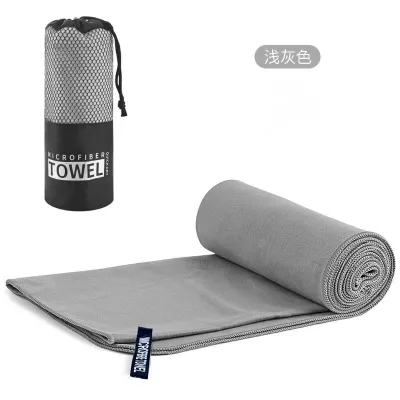
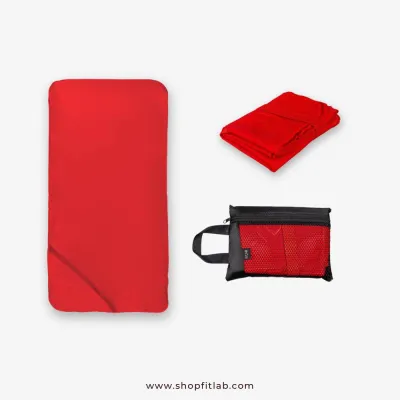
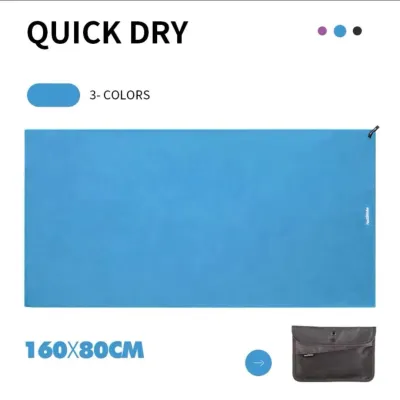
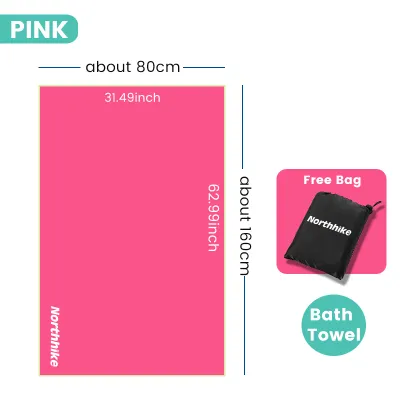
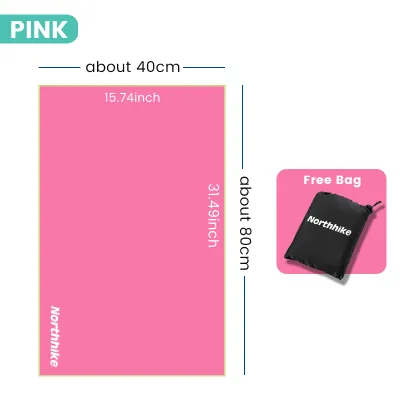
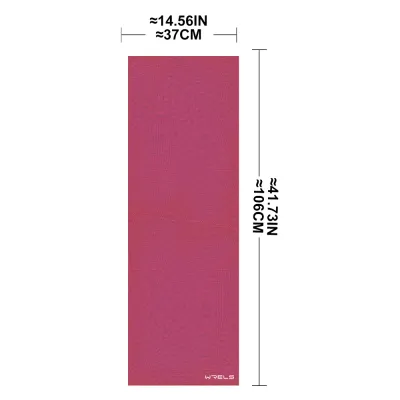
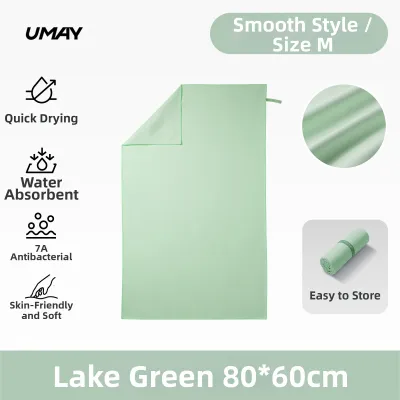
Prices are valid at publication and may change. Please refer to the product page for the latest price.
When shopping for a sports towel, you must look beyond the basic material name. A towel’s overall performance is heavily influenced by its weave pattern, thickness measured in grams per square meter (GSM), and blend ratios. For instance, a high-GSM cotton towel will feel incredibly plush but will retain water for a long time, whereas a low-GSM microfiber towel will dry rapidly but may feel thin. You should verify these specifications on product labels before purchasing.
Additionally, remember that “sports towel” is a broad category. While general-purpose sports towels can work, golfers should look for golf-specific designs. Features such as a waffle weave pattern, a tri-fold layout, or built-in grommets and carabiners make a significant difference in how easily you can clean your clubs and attach the towel to your bag.
Managing Moisture: Absorbency and Drying in Tropical Climates
Managing moisture is the primary challenge when playing golf in a tropical climate. The Philippines experiences high ambient humidity year-round, which directly impacts how quickly gear dries on the course. Whether you are wiping sweat from your forehead, cleaning mud off a wedge, or drying a grip after a sudden afternoon shower, your towel must handle moisture efficiently.

The two materials manage moisture through entirely different physical mechanisms. Microfiber relies on capillary action and an incredibly high surface area. Because the synthetic fibers are split, they draw water rapidly into the microscopic channels between the threads. Cotton, on the other hand, relies on fiber swelling and internal retention. It acts like a sponge, soaking up large volumes of water directly into the natural cellulose.
In the muggy air of a local golf course, high ambient humidity severely limits the evaporation rate. This is where the difference becomes critical. Thicker towels of either material will struggle to dry fully in muggy air, but cotton is particularly disadvantaged. Once a cotton towel becomes saturated with sweat or rainwater, it tends to stay damp for the rest of your round, becoming heavy and less effective. Microfiber, because it does not absorb water into the fiber core, allows moisture to evaporate much faster, even when the air is humid.
To ensure you get the performance you need, always check manufacturer specifications for “quick-dry” or “moisture-wicking” claims. If you frequently play during the rainy season, relying on a single towel might not be enough. It is highly recommended to carry a secondary lightweight microfiber towel stored in a dry pocket of your bag, ensuring you always have a dry surface to wipe your hands and grips before a crucial shot.
Bag Weight, Durability, and Routine Maintenance
The practicalities of carrying your gear for 18 holes require you to consider bag weight, durability, and maintenance. Walking a course under the tropical sun is physically demanding, and every gram added to your golf bag contributes to fatigue.
The weight difference between these materials becomes highly apparent when they are wet. A wet cotton towel absorbs a massive amount of water, significantly increasing its weight. This cumulative weight can cause noticeable shoulder or cart bag fatigue over 18 holes, especially if you are walking the course. Microfiber, being inherently lighter and retaining less water weight, keeps your bag light and manageable even after a heavy downpour.
Maintenance routines also differ drastically between the two fabrics. Microfiber requires specific care to preserve its performance. You must avoid using fabric softeners, as they coat the synthetic split fibers and ruin their “grab” and electrostatic properties. Microfiber should also be washed in cool or warm water and air-dried, as high heat can melt the synthetic fibers. Cotton, conversely, has a much higher tolerance for hot washing and heavy detergents. This makes cotton excellent for removing deep-seated grass stains, mud, and oils accumulated from dirty clubheads, as you can wash it at high temperatures without damaging the fabric.
Over time, both materials will show signs of wear. You should monitor your towels for these observable changes. Microfiber will eventually lose its electrostatic dust attraction and feel slick or less absorbent. Cotton, on the other hand, will become stiff, scratchy, and highly prone to developing a sour mildew odor if it is not dried properly after a humid day on the course.
The Final Call: Which Sports Towel Fits Your Game?
Making the final decision comes down to matching the towel’s characteristics to your playing style and the typical weather you encounter.
You should choose a microfiber sports towel if you prioritize lightweight gear, need fast drying between holes, and frequently play in wet or highly humid conditions. Microfiber is also the ideal choice if you prefer a smooth, lint-free glide when wiping down delicate clubfaces and golf ball covers. Its ability to dry quickly in tropical conditions makes it a highly practical companion for the active golfer.
On the other hand, you should choose a cotton sports towel if you prefer a traditional, plush texture and prioritize heavy-duty scrubbing power. If you regularly play on muddy fairways where your wedges and irons get caked with thick soil, cotton’s robust fibers are excellent for scraping away debris. You must, however, be willing to accept a heavier, slower-drying towel in your bag.
Regardless of the material you choose, always verify the towel’s physical features first. Ensure it includes essential golf-friendly hardware, such as carabiner clips, magnetic backers, or center slits. These features allow you to attach the towel securely to your bag or cart, keeping it easily accessible throughout your round.
Frequently Asked Questions (FAQ)
Can I use a regular household towel instead of a dedicated sports towel for golf?
While it is tempting to grab an old bath or hand towel from your closet, household towels have several distinct drawbacks on the golf course. They are typically made of thick, heavy cotton designed for home use, which means they lack the specialized weave patterns needed to scrape dirt from club grooves. Furthermore, household towels do not come with attachment hardware like clips or grommets, forcing you to drape them over your clubs where they can easily fall off. Their excessive bulk can also hinder your movement during a swing if draped over your shoulder, and they add unnecessary weight to your bag when wet.
How often should I wash my golf towel during the rainy season?
During the rainy season, you should wash your golf towel after every single round. The combination of sweat, rainwater, grass clippings, and mud creates a breeding ground for bacteria and mold, especially in the warm, humid climate of the Philippines. After washing, it is critical to air-dry the towel completely in a well-ventilated area. Never store a damp towel inside a closed golf bag or locker, as this will quickly lead to mildew, stubborn stains, and unpleasant odors that are difficult to remove.
Community discussion
Share your experience or ask a question. Comments are reviewed before publication.