
Quick Answer: Which Material Wins for Swimming?
A swimming towel poncho is an essential piece of gear for transitions from water to dry land, but choosing between microfiber and cotton depends heavily on your environment and routine. Microfiber is the clear winner for drying speed, moisture-wicking efficiency, and compact travel. Cotton remains the champion for pure water-holding capacity, plush comfort, and traditional warmth.
For frequent swimmers, triathletes, and travelers navigating high-humidity environments, a microfiber poncho offers unmatched convenience. It sheds water rapidly and packs down to a fraction of the size of a standard towel. Meanwhile, casual beachgoers and pool loungers who prioritize a cozy, familiar skin feel will find that a premium cotton poncho provides a superior sensory experience, even if it takes significantly longer to dry. Understanding how these fibers interact with water will help you select the perfect changing companion for your next aquatic session.
Absorbency Showdown: How Each Material Handles Water
To understand how each material performs, we must look at the physical structure of the fibers themselves. Cotton is a natural plant fiber composed primarily of cellulose. When you wrap yourself in a cotton poncho, these fibers act like tiny straws, drawing water directly into their hollow cores. This cellular swelling allows cotton to hold an immense volume of liquid, providing a thorough, bone-dry feeling when you first step out of the water. However, because the water is locked deep inside the physical structure of the cotton thread, the fabric becomes heavy and saturated, hanging heavily on your shoulders.
Products mentioned in this guide
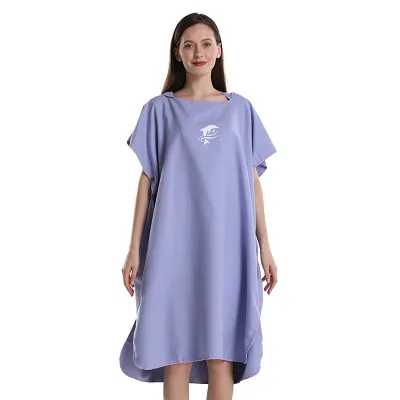
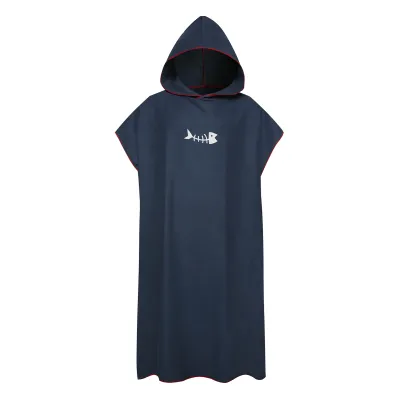
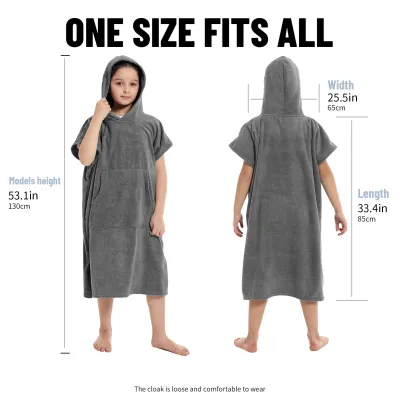
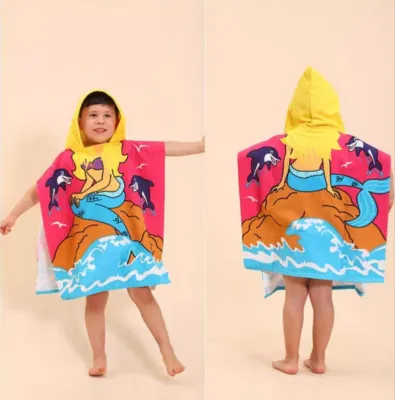
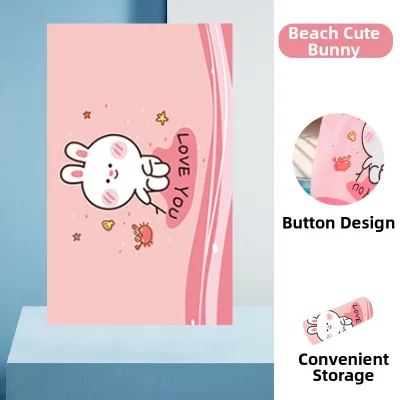
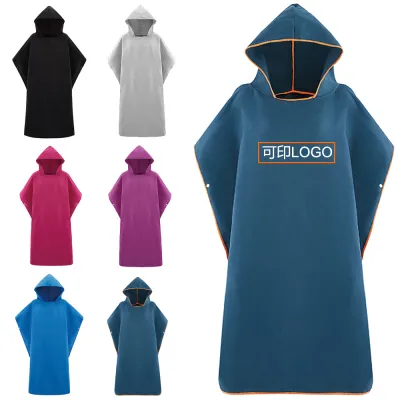
Prices are valid at publication and may change. Please refer to the product page for the latest price.

Microfiber, on the other hand, relies on synthetic engineering, typically utilizing a blend of polyester and polyamide. During manufacturing, these ultra-fine synthetic threads are split to create an intricate web of microscopic channels. Instead of absorbing water into the fiber itself, microfiber utilizes capillary action to trap moisture within the microscopic spaces between the split fibers. This massive surface area pulls water away from your skin instantly. Because the water remains on the surface of the synthetic channels rather than soaking into the core of the fiber, the poncho feels damp but never becomes water-logged or heavy.
In practical terms, this structural difference changes how it feels to wear each poncho post-swim. A wet cotton poncho feels thick, heavy, and cold once saturated, which can drag down your body temperature if you wear it for extended periods. A microfiber poncho stays relatively light and continues to wick moisture away even when it is already damp, though it lacks the plush, substantial feel of dry cotton.
When shopping, you should check the product label for fabric density, measured in grams per square meter (GSM). A higher GSM typically indicates a thicker, more absorbent weave. For cotton, a GSM of 400 to 600 offers a plush, highly absorbent feel, whereas microfiber can achieve excellent water management at a lower GSM of 200 to 300, keeping your gear light and easy to carry. Always verify the manufacturer’s specific fabric specifications to ensure the density matches your expectations.
Drying Speed and Odor Resistance in Humid Climates
In tropical, high-humidity environments like the Philippines, drying speed is not just a matter of convenience; it is a necessity for hygiene. Microfiber excels at rapid evaporation because its synthetic fibers do not retain moisture internally. The water trapped in its capillary channels is exposed directly to the air, allowing it to evaporate quickly even in humid coastal conditions. This rapid moisture release means you can hang a microfiber poncho on a line, and it will often be completely dry and ready for your next swim session within a couple of hours.
Thick cotton terry presents a very different challenge in humid climates. Because cotton fibers swell and hold water deep within their core, they require significant heat and airflow to dry. In highly humid environments, cotton can remain damp for half a day or longer, especially if hung indoors or in shaded areas. This prolonged drying cycle creates a prime breeding ground for mold, mildew, and odor-causing bacteria, which thrive in warm, damp environments.
This difference becomes critical during transit. If you pack a wet cotton poncho into a swim bag after a morning session, it will likely remain soaking wet for your entire commute home. By the time you unpack it, you may be greeted by a sour, musty smell that is difficult to wash out. A microfiber poncho, even when packed damp, resists bacterial growth much better because it holds less water overall and begins drying the moment it is exposed to air.
For those who frequently jump from the beach to a vehicle, or who must pack their gear immediately after a pool workout, microfiber offers a massive practical advantage. It minimizes the risk of dampening other items in your bag and prevents that characteristic musty odor from taking over your athletic gear. If you do choose cotton, you must plan to hang it in a well-ventilated, sunny area as soon as possible to prevent mildew development.
Comfort, Warmth, and Portability on the Go
Beyond water management, the physical experience of wearing your swimming towel poncho plays a major role in your overall comfort. Cotton is legendary for its skin feel. The natural, plush loop of cotton terry is soft, breathable, and gentle on sensitive skin. It feels like a cozy blanket, making it highly desirable for lounging on the beach or warming up after a long session in a chilly pool.
Microfiber has a distinctly different texture that some users find takes time to get used to. Because of its synthetic, split-fiber design, it can feel slick, suede-like, or even slightly “grabby” against wet skin. It does not glide as smoothly as dry cotton, and some swimmers prefer to pat themselves dry rather than rubbing. However, high-quality microfiber blends have improved significantly, offering a softer, brushed finish that closely mimics the feel of natural fibers.
When it comes to warmth and wind resistance during outdoor changing, both materials offer unique benefits. Cotton’s heavy weight and density provide an excellent physical barrier against cold wind, trapping your body heat effectively while you change out of your swimwear. Microfiber is lighter and less wind-resistant in its standard form, but it still provides adequate thermal retention by keeping wet fabric from clinging directly to your skin. For extreme wind, a heavier cotton poncho or a specialized lined microfiber poncho is generally preferred.
Portability is where microfiber completely outclasses its natural counterpart. A microfiber poncho can be folded or rolled into a highly compact package, easily fitting into a small gym bag, backpack, or dry bag. This makes it the ultimate choice for surfers, triathletes, and travelers who need to conserve space. A cotton poncho is bulky and heavy, often taking up the majority of a standard backpack’s main compartment even before it gets wet. In terms of cost, basic microfiber options on local online marketplaces often start in a budget-friendly range of ₱300 to ₱600, while premium heavyweight cotton models can range from ₱1,200 to ₱2,500 or more.
Durability is another key consideration for long-term use. Cotton is highly resilient to washing but can gradually fade, lose its softness, and become stiff over time, especially when exposed to harsh chlorine or mineral-heavy water. Microfiber maintains its shape and rapid-drying properties for years, but it is susceptible to pilling, static buildup, and snagging on rough surfaces like pool decks or beach rocks. Checking the manufacturer’s care instructions will help you maximize the lifespan of whichever material you choose.
Washing and Maintenance to Preserve Performance
To keep your swimming towel poncho performing at its best, you must follow proper care and maintenance routines. Always check your specific product’s care label and the manufacturer’s instructions before washing, as blends and dyes can vary. Generally, both materials should be washed in cool or warm water with a mild detergent to remove chlorine, salt, sand, and body oils that can degrade the fibers over time.
The most critical rule of maintaining a microfiber poncho is to never use fabric softeners or dryer sheets. Fabric softeners work by depositing a thin, waxy chemical film over the fibers to make them feel softer. While this might sound appealing, it coats the microscopic channels of microfiber, completely destroying its capillary action and rendering it unable to absorb water effectively. Cotton is also affected by fabric softeners; while it can physically withstand them, repeated use will significantly reduce its absorbency over time, leaving you with a poncho that pushes water around rather than absorbing it.
Air-drying is the highly recommended method for both fabrics. Hanging your poncho preserves the integrity of the fibers and prevents shrinkage. Microfiber dries exceptionally fast on a standard hanger, making it easy to air-dry indoors or outdoors. Cotton should be hung in a sunny, high-airflow area to ensure it dries completely to the core. If you must use a dryer, use a low-heat setting, as high heat can melt or damage synthetic microfiber threads and warp cotton weaves.
Over time, you should monitor your poncho for signs that it needs replacement. If your microfiber poncho begins to repel water instead of absorbing it, or if it retains a persistent, sour odor even after a deep wash, the fibers may be clogged or degraded beyond repair. For cotton, look out for severe thinning of the fabric, fraying seams, or a complete loss of loft that leaves the poncho feeling rough and non-absorbent.
Matching the Right Swimming Towel Poncho to Your Swim Routine
Selecting the perfect swimming towel poncho comes down to matching the material’s strengths to your personal lifestyle and swim routine. Every swimmer has different priorities, whether that is packing light for a flight or staying warm during an early morning surf session.
- Frequent Pool Swimmers and Triathletes: If you are in and out of the water daily, microfiber is your best option. Its rapid drying speed ensures you will not have to pack a heavy, soggy towel into your gym locker, and its compact size leaves plenty of room for your other training gear.
- Casual Beachgoers and Loungers: If your ideal swim day involves relaxing on the sand, sunbathing, and taking occasional dips, cotton is the ideal choice. The plush warmth and classic comfort of cotton terry make it perfect for extended wear while lounging under an umbrella.
- Parents Changing Children: For kids who get cold quickly after swimming, microfiber is excellent for rapid water removal, and its lightweight nature makes it easy for children to wear without feeling weighed down. However, if your child has highly sensitive skin, a soft, organic cotton poncho may provide a gentler, irritation-free experience.
- Surfers and Outdoor Enthusiasts: For those changing in parking lots, windy beaches, or remote surf spots, microfiber is highly advantageous. It shakes off sand easily, blocks the wind while you change, and takes up minimal space in your travel luggage.
Before making your final purchase, always verify the specific fabric blend ratios and construction quality on the product label. Many modern ponchos use a blend of polyester and polyamide for microfiber, or premium combed cotton for natural fibers, ensuring you get the best balance of durability, comfort, and performance for your specific water sports activities.
Frequently Asked Questions (FAQ)
Is a microfiber poncho warm enough for outdoor winter swimming?
While microfiber is highly effective at blocking wind and keeping damp fabric off your skin, it lacks the heavy thermal mass of thick cotton. If you swim in colder climates, look for a microfiber poncho designed with a specialized fleece or plush inner lining, which provides the necessary insulation for low-temperature outdoor changing.
Can I use fabric softener on my cotton swim poncho?
Although cotton can physically tolerate fabric softeners, doing so is not recommended. The softener leaves a chemical coating on the natural cotton fibers, which significantly reduces their ability to absorb water. To keep your cotton poncho soft without losing absorbency, try adding a half cup of white vinegar to the rinse cycle as a natural, residue-free alternative.
Community discussion
Share your experience or ask a question. Comments are reviewed before publication.