
Choosing the right tennis racket head size is one of the most critical decisions you will make for your game, directly affecting how you connect with the ball and how much energy transfers from your arm to the court. There is no single head size that serves as a universal solution for every player. Instead, the ideal frame is a highly personal choice that must align with your physical strength, swing mechanics, and overall playing style. While some players thrive with the surgical precision of a smaller frame, others require the forgiving surface of a larger racket to maintain depth and consistency during long rallies.
Mid-plus rackets generally cater to players who have already developed a reliable, fast swing and want to prioritize directional control and ball placement. These frames require you to generate your own power through proper footwork and full stroke mechanics. On the other hand, oversize rackets provide a generous sweet spot and built-in power, making them highly beneficial for beginners, recreational players, or those with shorter, slower swings. By analyzing how these two categories alter the physics of your swing, you can make an informed decision that enhances your performance and keeps you comfortable on the court.
Understanding the Core Differences in Head Size
To make an informed choice, you must understand the physical distinctions that separate these two categories. Tennis racket head sizes are measured by the surface area of the string bed in square inches. Manufacturers generally classify frames measuring between 95 and 105 square inches as mid-plus, while anything measuring 106 square inches or larger falls into the oversize category. This difference fundamentally alters how the racket behaves when it contacts the ball.
Products mentioned in this guide

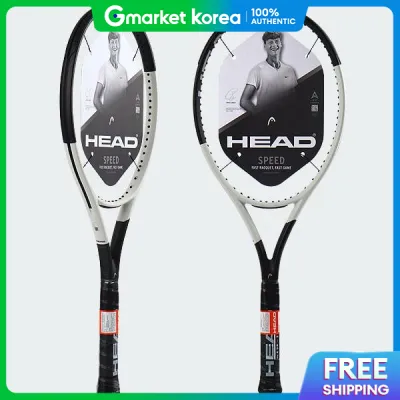

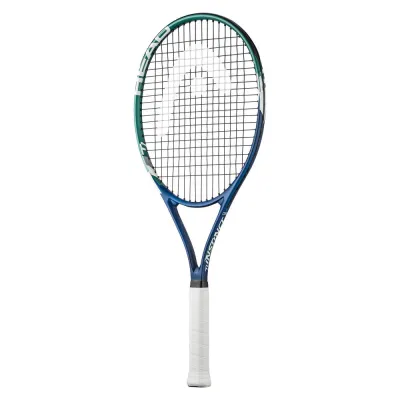
Prices are valid at publication and may change. Please refer to the product page for the latest price.
The most immediate consequence of a larger head size is an expanded sweet spot. The sweet spot is the area of the string bed that offers the most efficient energy transfer and the least amount of frame vibration. In an oversize racket, this area is significantly larger, meaning that even if you strike the ball slightly off-center, the racket still provides enough power and stability to send the ball over the net. On a mid-plus racket, the sweet spot is more concentrated, demanding precise contact to achieve a clean, powerful shot.
Beyond forgiveness, head size directly influences aerodynamic drag and maneuverability. A larger head presents a wider profile as it moves through the air, which increases wind resistance. In hot, humid tropical climates like the Philippines, where the air can feel heavy during afternoon sessions, swinging a bulky frame can lead to faster physical fatigue. A mid-plus racket, with its sleeker and more compact head, cuts through the air with less resistance, allowing for faster swing speeds and quicker reactions when defending at the net or hitting on the run.
How Mid-Plus Rackets Influence Your Game
Mid-plus rackets are designed for players who want to dictate the point with precision rather than relying on the equipment to generate depth. This category is the standard choice for intermediate to advanced players with consistent, full strokes. Because the smaller string bed does not naturally catapult the ball with extreme velocity, you can swing with maximum speed and confidence, knowing the ball is unlikely to fly long. This allows you to target tight angles and paint the lines with high accuracy.

The enhanced directional control of a mid-plus frame comes from its structural stability and concentrated string bed. When you strike the ball cleanly in the center of a mid-plus racket, the feedback is incredibly crisp and informative, telling your hand exactly where the ball made contact. This sensory feedback is crucial for competitive players who constantly adjust their technique mid-match. Additionally, the smaller head size makes the racket highly stable against heavy incoming balls, preventing the frame from twisting in your hand when blocking back a powerful serve.
However, these performance benefits come with a strict demand for technical consistency. The primary trade-off of a mid-plus racket is its unforgiving nature on off-center hits. If your footwork is slightly off, or if you misjudge the bounce on an uneven clay or hard court, striking the ball near the frame will result in a drastic loss of power and depth. This requires you to maintain excellent physical conditioning, quick footwork, and a highly disciplined swing path throughout the entire duration of your match.
How Oversize Rackets Influence Your Game
Oversize rackets are engineered to maximize playability, comfort, and ease of use, making them an excellent option for those who want to enjoy the game without needing flawless technique. The defining characteristic of an oversize frame is its ability to generate effortless depth. Because the longer strings in a larger head act like a trampoline, they store and return more energy to the ball. This means you can achieve a deep, penetrating shot even with a short, compact swing, which is incredibly helpful when defending deep behind the baseline.
This built-in power is paired with an exceptional level of forgiveness. For beginners who are still learning to judge the ball’s bounce, or recreational players who play occasionally on weekends, an oversize racket minimizes the frustration of mishits. When the ball strikes the outer edges of the string bed, the larger frame resists twisting, helping to keep the ball in play rather than sending it wide or into the net. This forgiveness keeps rallies going longer, which is essential for building confidence and enjoying the sport.
Despite these advantages, oversize rackets present clear trade-offs in terms of maneuverability and control. The wider head can feel slightly cumbersome during rapid net exchanges, such as in doubles matches where quick reflex volleys are common. Additionally, because the string bed is highly responsive, players with fast, aggressive swings may find it difficult to keep the ball inside the court. The extra trampoline effect can cause hard-hit balls to sail long, forcing you to hold back on your swings and limiting your ability to play with aggressive, high-speed strokes.
Key Factors to Evaluate Before You Choose
Before committing to a specific head size, you must conduct an honest self-assessment of your current playing habits, physical attributes, and long-term goals. Start by evaluating your technical consistency and unforced error rates during typical baseline rallies. If you find that you frequently struggle to make clean contact, or if many of your errors are the result of off-center hits that die in the net, an oversize racket can provide the immediate support you need to stay competitive. Conversely, if you rarely mishit the ball but find that your clean shots are constantly flying past the baseline, transitioning to a mid-plus frame will help rein in your power.
Next, analyze your natural swing speed and physical strength. Players who naturally swing the racket with high velocity do not need the power assistance of an oversize frame; doing so would make their shots highly unpredictable. If you have a long, fast swing, a mid-plus racket will allow you to channel that energy into heavy spin and precise placement. If you have a shorter swing due to physical limitations, joint stiffness, or simply a preference for a more relaxed playing style, an oversize racket will do the heavy lifting for you, ensuring your shots still reach the opponent’s baseline.
Finally, consider your physical comfort and arm health, especially when playing in warm, demanding conditions. While it is a common belief that a larger head size automatically prevents joint pain, arm comfort is actually determined by a complex combination of factors. You must evaluate the overall stiffness of the frame, the type of strings used, and the tension at which they are installed. A stiff oversize racket strung with harsh polyester strings can actually cause more discomfort than a flexible mid-plus racket with soft multifilament strings. Always check the manufacturer’s specifications for dampening technologies and consult a local certified coach or professional stringer to find a setup that protects your joints.
Decision Framework: Which Head Size Should You Pick?
To finalize your decision, use this straightforward framework to match your specific on-court needs to the correct head size category.
Choose a mid-plus racket if:
- You have an intermediate to advanced skill level with a fully developed, fast swing.
- Your primary goal is to improve directional control, shot placement, and spin generation.
- You have highly consistent footwork and can reliably strike the ball in the center of the string bed.
- You play a highly active style that requires maximum maneuverability at the net and quick defensive reactions.
Choose an oversize racket if:
- You are a beginner or a recreational player looking to maximize fun and minimize unforced errors.
- You have a slower, shorter, or more compact swing and need the racket to generate depth and power.
- You want a highly forgiving frame that keeps off-center hits in play during long baseline rallies.
- You primarily play doubles and want a large blocking surface for volleys and service returns.
Verify first if:
- You are transitioning between sizes; always utilize demo programs at local clubs or borrow frames from peers to test how the weight and balance feel in your hand.
- You experience persistent arm discomfort; consult a certified coach or professional stringer to check your grip size, string tension, and stroke mechanics before assuming a change in head size will resolve the issue.
Frequently Asked Questions (FAQ)
Does a larger racket head prevent arm injuries?
While an oversize racket head offers a larger sweet spot that reduces the harsh, jarring vibrations of off-center hits, it is not a cure or a guaranteed preventative measure for arm injuries like tennis elbow. Joint pain is more frequently caused by improper stroke mechanics, an incorrect grip size, excessively stiff frame materials, or high string tension. To protect your arm, you should evaluate the overall flexibility of the racket, choose softer string materials, and consult a medical professional or a certified coach to analyze your swing technique.
Is it a mistake for a beginner to start with a mid-plus racket?
It is not a mistake, but it does introduce a steeper learning curve. A beginner using a mid-plus racket will have to work much harder to find the sweet spot, which can lead to early frustration, shorter rallies, and slower initial progress. Starting with a more forgiving oversize frame allows new players to focus on basic footwork, court positioning, and swing paths while enjoying longer rallies. Once your stroke mechanics become consistent and you can reliably hit the center of the string bed, transitioning to a mid-plus frame is a natural and highly effective progression.
Community discussion
Share your experience or ask a question. Comments are reviewed before publication.