
Choosing the right home cardio machine in the Philippines requires balancing fitness goals with the realities of local living spaces. Whether you reside in a compact high-rise condominium in Metro Manila or a spacious suburban home, your choice between a mini elliptical exercise machine, a traditional treadmill, and a spin bike will dictate your daily routine, physical comfort, and long-term consistency. Each machine offers a distinct path to cardiovascular health, but they differ dramatically in physical footprint, joint impact, and operational noise.
To make an informed decision, you must evaluate how each machine interacts with your body and your home environment. A machine that is too loud may sit unused to avoid disturbing neighbors, while one that is too large can quickly clutter a shared living room. By comparing these three popular options across key practical dimensions, you can select the equipment that aligns with your lifestyle, budget, and physical needs.
Core Differences in Workout Impact and Space Requirements
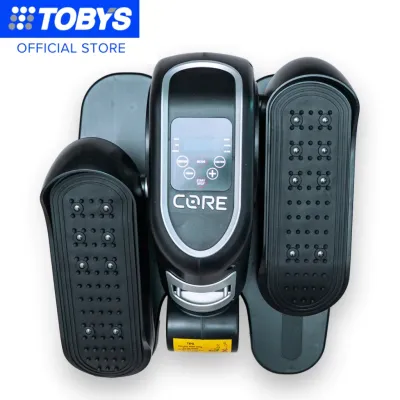
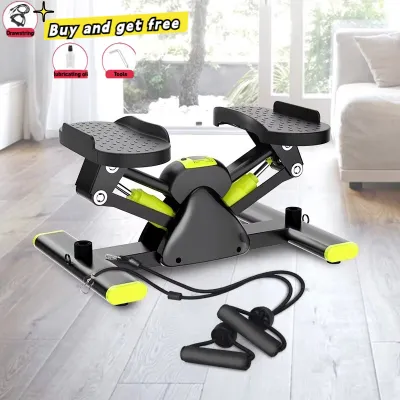
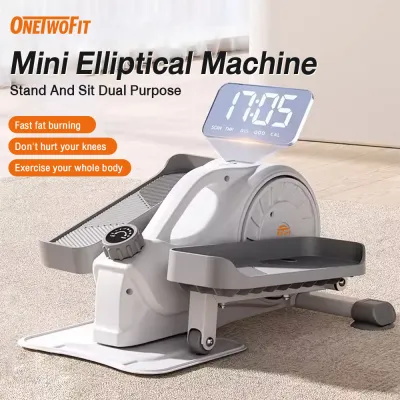
The physical mechanics of your workout determine how your joints respond to daily exercise. A mini elliptical exercise machine offers a low-impact, closed-chain gliding motion where your feet never leave the pedals. This design minimizes sudden jarring forces on your ankles, knees, and hips, making it a practical option for individuals recovering from minor injuries or those who spend long hours sitting. Because the movement is smooth and continuous, it provides a gentle way to keep joints lubricated without the repetitive stress of lifting and dropping your body weight.
Products mentioned in this guide
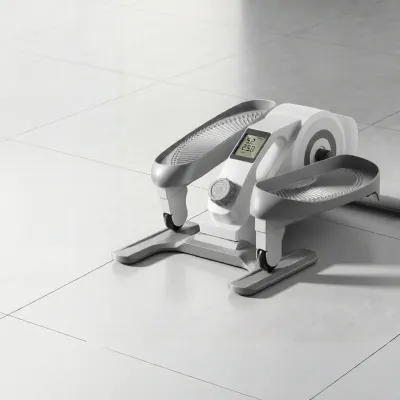
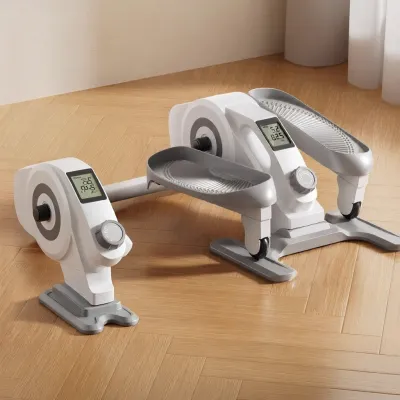
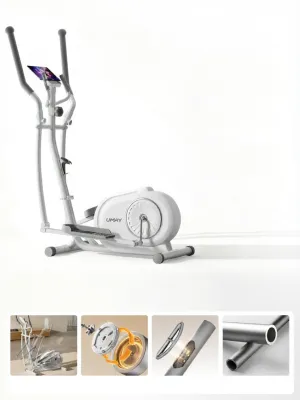
Prices are valid at publication and may change. Please refer to the product page for the latest price.
In contrast, a treadmill involves weight-bearing walking or running, which mimics natural human locomotion. While this is excellent for bone density and functional strength, it is inherently a higher-impact activity. Every foot strike sends a shockwave up your legs, which can strain sensitive joints over time if you run on a hard deck without adequate cushioning. Spin bikes offer a middle ground; they provide a low-impact, seated workout where your feet remain secured to the pedals, but the fixed circular motion requires consistent knee flexion and hip extension.
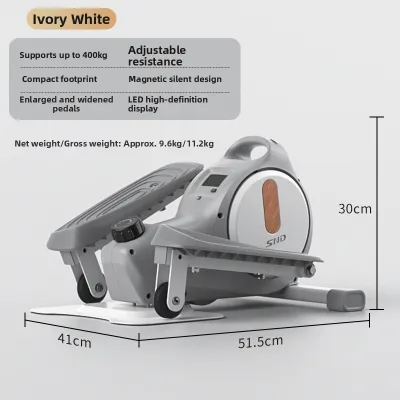
Space requirements represent the most immediate physical constraint for home gym setups. A mini elliptical exercise machine is highly portable and features an exceptionally small footprint, often measuring less than half a meter in length. It can easily slide under a desk, fit into a closet, or sit discreetly in the corner of a bedroom. A spin bike requires a dedicated, semi-permanent space of about one to one and a half meters in length, making it manageable for medium-sized rooms. Treadmills demand the most significant spatial commitment, requiring a large, flat floor area and substantial vertical clearance, even when opting for a folding model.
Structural stability and weight capacity must always be verified using the manufacturer’s product labels. Because mini ellipticals have a smaller base of support, they rely heavily on a flat, even surface to remain stable during use. Larger machines like treadmills and spin bikes feature heavy steel frames that offer superior stability during high-intensity workouts, but their weight makes them difficult to relocate once assembled. Always check the maximum user weight limit specified by the manufacturer to ensure safe operation and prevent premature wear on the internal bearings.
Matching the Machine to Your Fitness Goals and Daily Routine
Your fitness objectives should dictate the type of machine you bring into your home. Cardiovascular endurance is highly dependent on your heart rate and the duration of your workout, rather than the specific machine you use. A spin bike is highly effective for high-intensity interval training (HIIT), allowing you to rapidly adjust resistance to spike your heart rate. Treadmills are ideal for building steady-state endurance or preparing for outdoor running events, as they force you to keep pace with a moving belt. A mini elliptical exercise machine is highly suited for low-to-moderate intensity steady-state (LISS) cardio, helping you accumulate active minutes throughout the day.

Multitasking potential is a major differentiator for busy individuals. A mini elliptical exercise machine excels in this category because it can be operated while seated at a desk, allowing you to pedal while typing, attending virtual meetings, or reading. This makes it easy to integrate physical activity into a sedentary workday without dedicated workout blocks. Spin bikes and treadmills require your full attention, active balance, and proper posture, making multitasking difficult beyond watching a screen or listening to music.
Noise generation and floor vibration are critical considerations, particularly for apartment dwellers or those living in multi-story homes. Treadmills generate significant impact noise and low-frequency vibrations from your feet striking the deck, which can easily travel through floors and walls. Spin bikes are generally much quieter, especially those utilizing magnetic resistance systems, though chain-driven models may produce a consistent hum. Mini ellipticals operate with minimal noise, utilizing small magnetic flywheels that glide silently, making them a neighbor-friendly option for early morning or late-night exercise.
Budget Tiers and Long-Term Maintenance
Evaluating the financial commitment of home fitness equipment involves looking beyond the initial purchase price to consider long-term durability and maintenance. In the Philippine market, entry-level cardio machines are often available for under ₱5,000. At this price point, expect manual resistance adjustments, basic digital monitors, and lighter frame constructions. These are suitable for light, occasional use but may lack the structural integrity required for daily, high-intensity workouts.
The mid-range tier, spanning from ₱5,000 to ₱15,000, offers a balance of durability and features. In this bracket, you will find sturdier steel frames, smoother magnetic resistance systems, and more detailed console tracking. Premium machines, priced above ₱15,000, feature advanced digital connectivity, heavier flywheels for smoother motion, motorized resistance or incline adjustments, and robust warranties. Investing in a higher tier often translates to a longer lifespan and a more comfortable workout experience.
Routine maintenance is essential to protect your investment, especially in the humid tropical climate of the Philippines, which can accelerate rust and component wear. Treadmills require the most hands-on upkeep, including regular belt alignment, tension adjustments, and deck lubrication to prevent motor strain. Spin bikes require periodic inspection of the drive belt or chain, along with lubrication of pivot points and resistance pads. Mini ellipticals are relatively low-maintenance, but you should regularly check for loose pedal bolts and wipe down the frame after use to prevent sweat from corroding the metal parts.
Before finalizing your purchase, always verify the warranty coverage boundaries and the availability of local service support. Some brands may offer extensive warranties but lack local technicians or spare parts within the Philippines, leaving you with a non-functional machine if a component fails. Choosing a reputable seller with a clear track record of local customer support ensures you can access replacement parts and repair services when needed.
Decision Framework: Which Cardio Machine Should You Choose?
To choose the right machine, you must weigh your physical space, budget, and fitness preferences against the unique characteristics of each option. A mini elliptical exercise machine is a practical choice if your living space is severely limited, your budget is tight, or you need a low-impact way to stay active while working at a desk. It offers a highly portable, quiet, and accessible entry point to daily movement without requiring a dedicated workout room.
A treadmill is the ideal choice if you prefer natural walking or running mechanics and have a dedicated, well-ventilated space to accommodate its large footprint. It is highly effective for weight-bearing exercise, bone health, and training for outdoor running goals, provided you can accommodate the noise and vibration associated with running strides.
A spin bike is a suitable fit if you want a high-intensity, low-impact workout that focuses on lower-body strength and cardiovascular conditioning. It offers a stable, seated platform that is highly effective for interval training while occupying less space than a treadmill.
Before making your final decision, verify your physical readiness and household constraints. If you have pre-existing joint conditions, consult a healthcare professional to determine which movement pattern is safest for your body. Additionally, discuss noise expectations with other household members or neighbors to ensure your chosen machine fits harmoniously into your living environment.
Essential Pre-Purchase Checks for Home Gym Equipment
Before committing to any home fitness equipment, performing a few essential pre-purchase checks can prevent costly mistakes. Start by measuring your available floor space carefully. For treadmills, safety clearance zones are critical; manufacturers typically recommend leaving at least two meters of clear space behind the running belt and one meter on either side to prevent injury in the event of a fall. Spin bikes and mini ellipticals also require sufficient clearance to allow you to mount and dismount safely without bumping into furniture or walls.
Next, check the manufacturer’s stated maximum weight limit and user height or inseam restrictions. This is particularly important for spin bikes, where proper seat height adjustment is necessary to prevent knee strain during pedaling. If multiple family members plan to use the machine, ensure it can be easily adjusted to accommodate everyone’s physical dimensions.
Finally, review the seller’s return policy, assembly requirements, and power outlet proximity. Motorized treadmills and some advanced spin bikes require a grounded electrical outlet nearby, which may limit where you can place the machine. Understanding whether the equipment arrives fully assembled or requires complex tools will help you prepare for delivery day and ensure a smooth setup process.
Frequently Asked Questions (FAQ)
Can a mini elliptical provide the same cardio benefits as a treadmill?
Yes, a mini elliptical exercise machine can provide comparable cardiovascular benefits to a treadmill, but it requires conscious effort. Because a mini elliptical is smaller and often lacks upper-body handlebars, your calorie burn and heart rate elevation depend entirely on your pedaling speed and resistance settings. While a treadmill forces you to keep pace with a moving belt, a mini elliptical requires you to actively drive the movement. To achieve a similar cardiovascular workout, you must maintain a consistent, moderate-to-high pace and utilize higher resistance levels to challenge your muscles.
Is a spin bike better for knee health than a treadmill?
A spin bike is generally considered more suitable for knee health than a treadmill because it offers a low-impact, closed-chain exercise. Your feet remain securely on the pedals, eliminating the repetitive, high-impact forces associated with running or walking on a treadmill deck. However, to protect your knees on a spin bike, proper setup is essential. You must adjust the seat height so that your knee has a slight bend at the bottom of the pedal stroke; a seat that is too low or too high can cause joint strain. Additionally, avoiding excessively heavy resistance settings can help prevent patellar tendon discomfort.
How much clearance space do I need around a treadmill?
For safe operation, you should maintain a clear safety zone around your treadmill. While specific requirements vary by manufacturer, a general safety standard is to leave at least two meters of unobstructed space behind the rear of the treadmill belt and at least one meter of clearance on both the left and right sides. This open space is crucial to ensure that if you lose your balance or need to use the emergency stop mechanism, you can safely exit the machine without colliding with walls, furniture, or other hazards.

Community discussion
Share your experience or ask a question. Comments are reviewed before publication.