
Choosing between a portable mini exercise bike, a treadmill, and a full-size exercise bike depends on your living space, physical joint health, and fitness objectives. If you live in a compact apartment or need to stay active while working at a desk, a portable mini exercise bike offers an ultra-compact, low-impact solution for active recovery. For those with dedicated floor space who prioritize natural walking or running mechanics to build cardiovascular endurance, a treadmill remains the traditional standard. Meanwhile, a full-size exercise bike provides a highly stable platform for intense, low-impact cardio workouts without taking up as much room as a treadmill. By evaluating how each machine fits into your home environment and daily routine, you can make an informed decision that supports your long-term wellness.
Core Differences at a Glance
To understand how these three popular cardio machines compare, it helps to look at their physical footprints, weight, and primary movement mechanics. Each machine is designed for a specific type of user and home setup.
| Equipment Type | Footprint Size | Machine Weight | Primary Mechanics | Ideal User Profile |
|---|---|---|---|---|
| Portable Mini Bike | Ultra-compact (under-desk) | Lightweight & highly portable | Seated pedaling (lower body) | Desk workers, seniors, active recovery |
| Treadmill | Large permanent footprint | Heavy, often requires wheels | Walking, jogging, running | Runners, walkers, high-calorie burners |
| Full-Size Bike | Moderate footprint | Medium to heavy | Stationary upright/recumbent cycling | Dedicated cyclists, low-impact cardio |
Portable mini exercise bikes operate primarily via manual or magnetic resistance. They do not require external power unless they feature an advanced electronic console, making them highly versatile for placement anywhere in the home. Treadmills are typically motorized, requiring a dedicated electrical outlet and a robust motor to drive the running belt, though manual curved models also exist. Full-size exercise bikes generally utilize a weighted flywheel paired with either magnetic resistance or physical friction pads to simulate the feel of outdoor cycling, offering a smooth and adjustable workout experience.
Products mentioned in this guide
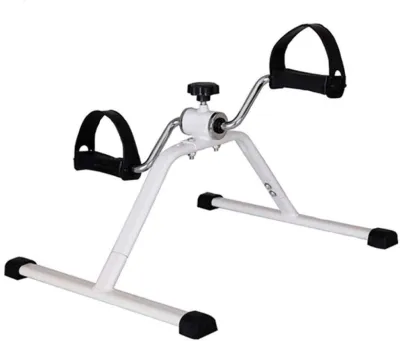
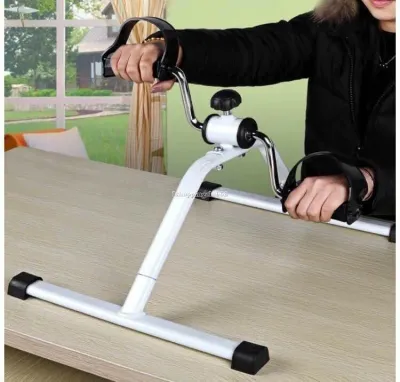
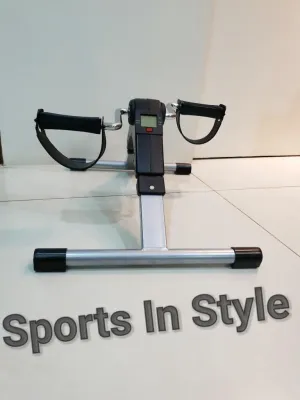
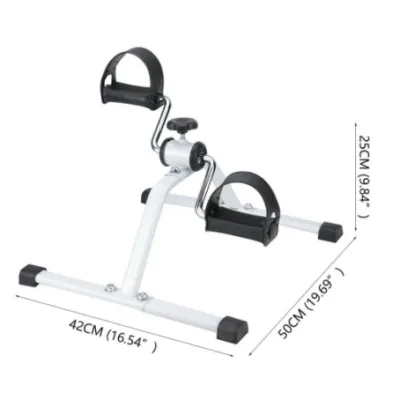
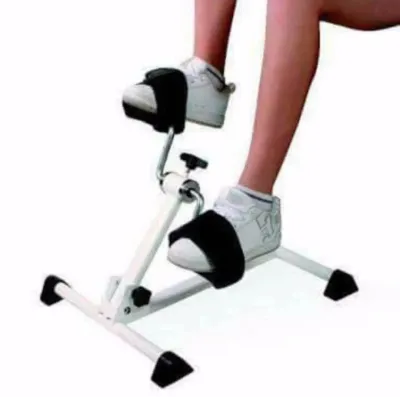
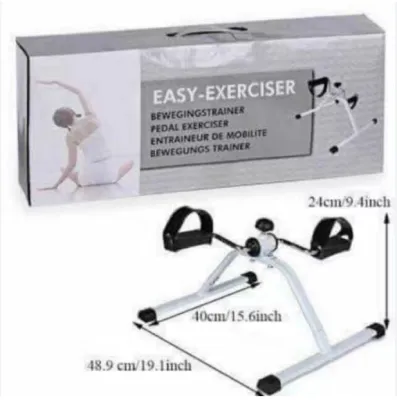
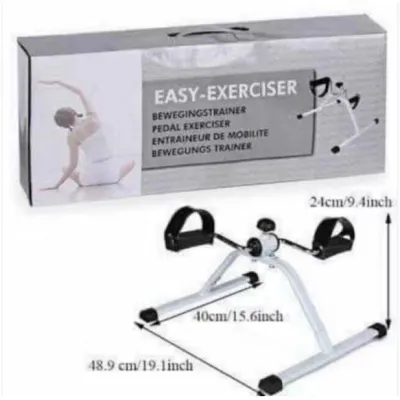
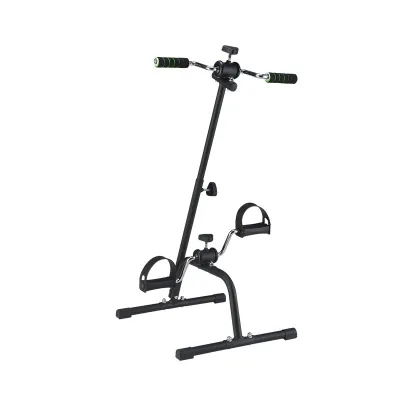
Prices are valid at publication and may change. Please refer to the product page for the latest price.
Space, Setup, and Portability
Evaluating your available floor space is the first practical step in choosing home fitness equipment. In urban living spaces, such as high-rise condominiums or compact townhouses, floor area is at a premium. A motorized treadmill requires a significant permanent footprint, often measuring up to two meters in length and nearly a meter in width. Additionally, you must factor in safety clearance, leaving at least one to two meters of open space behind the treadmill in case of accidental falls, as well as adequate overhead ceiling height to accommodate your height while standing on the raised deck.

In contrast, a portable mini exercise bike requires virtually no dedicated floor space when not in use. These compact devices can sit directly under a standard office desk or dining table, allowing you to pedal while seated. When measuring for a mini bike, the primary clearance concern is the pedal rotation radius; you must ensure there is enough vertical space under your desk so your knees do not strike the underside of the furniture during use. After your workout, a mini bike can be easily lifted by its handle and stored in a closet or under a bed.
Full-size exercise bikes sit comfortably in the middle of the space spectrum. While they require a dedicated spot during your workout, their footprint is substantially smaller than that of a treadmill. Many modern upright and spin bikes feature built-in transport wheels on the front stabilizer bar, allowing you to tilt the machine and roll it out of the way when guests visit.
Living in multi-story homes or shared apartments also introduces structural and acoustic considerations. Treadmills generate significant impact noise from foot strikes, which can easily travel through floors and disturb neighbors or family members downstairs. They are also heavy machines that exert concentrated pressure on flooring. If you are setting up equipment on upper floors, using a thick, high-density rubber equipment mat is highly recommended to dampen vibrations. Furthermore, in tropical climates with high humidity, ensuring your workout area has adequate ventilation or air conditioning is crucial to prevent sweat accumulation from corroding metal frames and damaging sensitive electronic consoles.
Workout Intensity and Fitness Goals
Your fitness goals should dictate the type of movement and resistance mechanics you choose. Treadmills excel at simulating natural, weight-bearing human locomotion. Because walking and running require you to support and propel your entire body weight, they naturally engage a wide range of muscle groups, including your core, glutes, hamstrings, and calves. This makes the treadmill a highly effective tool for building functional endurance, preparing for outdoor running events, and achieving a high rate of caloric expenditure during steady-state cardio sessions.
Full-size exercise bikes offer a highly stable platform that supports high-intensity interval training (HIIT) and vigorous cardiovascular workouts. Because the frame is anchored to the floor, you can safely stand up on the pedals to simulate hill climbs or perform high-speed sprints without worrying about the machine tipping. The adjustable magnetic or friction resistance on a full-size bike allows you to progressively increase the workload, targeting leg strength and cardiovascular capacity simultaneously.
Portable mini exercise bikes are designed for low-to-moderate intensity workouts. Because you use them while seated in a standard household chair, they do not support standing pedaling or high-torque sprints. Instead, they are ideal for active recovery, maintaining joint mobility during long periods of sedentary work, and increasing your daily non-exercise activity thermogenesis (NEAT). While they do not offer the high-intensity capabilities of a full-size bike, some models can be placed on a sturdy table, allowing you to pedal with your hands to engage the upper body, shoulders, and upper back.
Joint Impact and Safety Considerations
Physical safety and joint comfort are critical factors, especially for individuals recovering from injuries, managing chronic joint pain, or dealing with balance limitations. Running on a treadmill is a high-impact activity. Each foot strike sends a shockwave up through your ankles, knees, hips, and lower back. While modern treadmills feature cushioned decks designed to absorb some of this impact, prolonged running can still strain sensitive joints. If you have a history of joint issues, walking at an incline on a treadmill is a lower-impact alternative, but it still requires continuous weight-bearing effort.
Cycling on either a full-size bike or a mini bike is a non-weight-bearing, low-impact exercise. Because your body weight is supported by a seat or chair, your joints are spared the repetitive impact of striking a hard surface. This smooth, circular pedaling motion helps lubricate the knee and hip joints without placing excessive stress on connective tissues. For individuals undergoing physical therapy or managing arthritis, a mini bike provides a gentle way to keep joints moving safely.
Safety features also vary significantly across these machines. Treadmills carry a higher risk of falls and balance loss, making built-in handrails and a clip-on safety stop key essential features that automatically halt the belt if you slip. Full-size bikes require a stable, level floor surface and proper seat height adjustments to prevent knee strain. For mini bikes, the primary safety concern is stability; because the unit is lightweight, it can slide forward on smooth tile or polished wood floors. To prevent this, always use a non-slip silicone mat under the unit and ensure the foot straps are adjusted snugly to keep your feet from slipping off the pedals.
Budget and Long-Term Value
Your financial investment should align with the expected lifespan and maintenance requirements of the equipment. Prices for fitness gear in the local market span a wide range, reflecting differences in materials, motor power, and smart connectivity.
- Portable Mini Bikes: These are the most budget-friendly options. Entry-level manual models typically range from ₱1,500 to ₱3,000, while premium magnetic resistance models with digital displays generally cost between ₱4,000 and ₱8,000.
- Full-Size Exercise Bikes: Basic upright bikes start around ₱5,000 to ₱10,000. High-quality spin bikes or recumbent models designed for daily use range from ₱12,000 to ₱30,000, while smart-connected bikes with interactive screens can exceed ₱45,000.
- Treadmills: As complex motorized machines, treadmills represent a larger investment. Compact walking pads or manual folding treadmills start around ₱8,000 to ₱15,000. Reliable, motorized running treadmills with robust motors and incline features typically range from ₱25,000 to ₱60,000, with commercial-grade models costing upwards of ₱100,000.
Long-term value is closely tied to routine maintenance. Treadmills require the most upkeep; you must regularly align and tension the running belt, clean dust from under the motor cover, and apply liquid silicone lubricant beneath the belt to prevent friction damage. Full-size bikes require occasional pedal tightening, chain or belt tension checks, and wiping down the frame to prevent sweat-induced rust. Mini bikes are highly durable and virtually maintenance-free, requiring only occasional cleaning and checking of the pedal bolts.
Before purchasing, always verify the manufacturer’s warranty terms. Look for coverage that specifically details the frame, the motor (for treadmills), and moving mechanical parts, as this provides peace of mind and protects your investment over time.
How to Choose the Right Equipment for Your Home
To finalize your decision, evaluate your specific living situation, physical needs, and daily habits against this structured framework.
Choose a portable mini exercise bike if:
- You live in a small studio apartment or have no dedicated workout space.
- You want to stay active and burn extra calories while working at a desk or watching television.
- You are recovering from a lower-body injury and require gentle, low-impact joint rehabilitation.
- You are looking for a highly affordable, low-maintenance entry point into home fitness.
Choose a treadmill if:
- You have ample floor space and high ceilings to accommodate a large, permanent machine.
- Your primary fitness goal is training for outdoor running, walking events, or high-intensity cardiovascular conditioning.
- You prefer natural, weight-bearing exercise and do not suffer from severe joint pain.
- You are willing to perform regular mechanical maintenance to keep the machine running smoothly.
Choose a full-size exercise bike if:
- You want a dedicated, high-intensity workout space but have limited floor area compared to a treadmill.
- You enjoy structured cycling workouts, spin classes, or progressive resistance training.
- You require a highly stable, low-impact workout that protects your knees and hips from impact stress.
- You want a durable machine with moderate maintenance needs.
For some households, a hybrid approach works best. You might combine a portable mini bike under your office desk for daily movement with outdoor walking or weekend gym sessions for higher-intensity training. Before making your final purchase on any online marketplace or at a local fitness retailer, verify the seller’s return policy, check if the package includes the necessary assembly tools, and confirm the availability of local service centers for future repairs.
Frequently Asked Questions (FAQ)
Can a mini exercise bike help with weight loss?
Yes, a mini exercise bike can support weight loss when combined with a balanced diet that creates a consistent caloric deficit. While a mini bike burns fewer calories per minute than a high-intensity treadmill run or a vigorous full-size bike workout, it is highly effective for increasing your daily non-exercise activity thermogenesis (NEAT). Pedaling consistently while working or watching television helps elevate your daily energy expenditure, making it easier to maintain a healthy weight over time.
Is a treadmill too noisy for an apartment?
Motorized treadmills can be noisy in apartment settings, primarily due to the vibration of foot strikes traveling through the floor structure rather than the sound of the motor itself. To minimize disturbance to your neighbors, place the treadmill on a thick, shock-absorbing rubber equipment mat, choose a model with advanced deck cushioning, and avoid running during early morning or late-night hours. If noise is a primary concern, a low-impact full-size bike or a silent magnetic mini bike may be a more suitable choice.

Community discussion
Share your experience or ask a question. Comments are reviewed before publication.