
Finding the right mini golf set requires looking beyond bright colors and clever obstacle designs. A high-quality set provides a consistent ball roll, durable clubs that match the players’ heights, and materials that can withstand regular use without warping or cracking. Whether you are setting up a temporary course in a spacious living room, a tiled terrace, or a grassy backyard, understanding the construction of each component ensures your investment brings long-term entertainment.
In tropical climates where high humidity and sudden downpours are common, material selection becomes even more critical. Moisture can cause cheap adhesives to fail, metal shafts to rust, and thin mats to warp or mildew. By evaluating putters, ball types, and course durability before making a purchase, you can avoid common pitfalls and select a setup that fits both your budget and your playing space.
Assessing Putter Quality and Fit
The putter is the primary point of contact between the player and the game, making its construction vital to the overall experience. When evaluating a mini golf set, examine the putter head material first. Basic sets often feature lightweight, hollow plastic heads that offer very little weight feedback, making it difficult to control stroke power. Higher-quality sets utilize solid composite materials, dense rubberized molds, or cast metals that provide a satisfying weight distribution, helping players maintain a straight, stable swing path.
Products mentioned in this guide
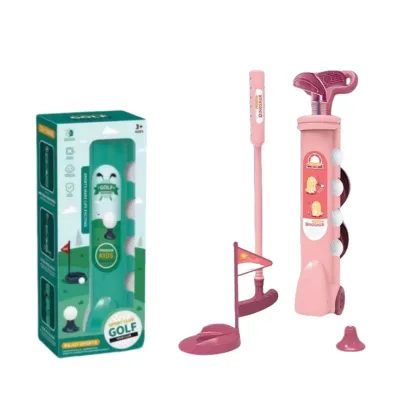
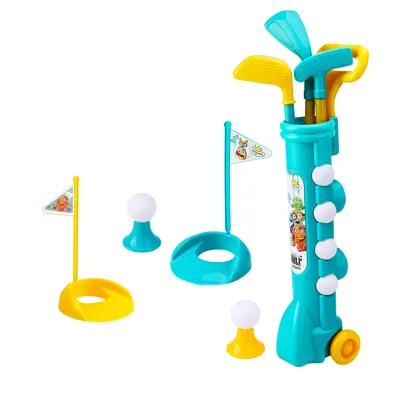
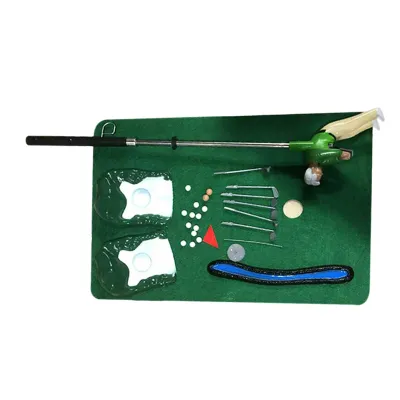
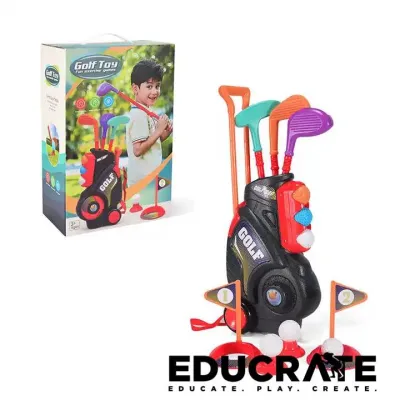
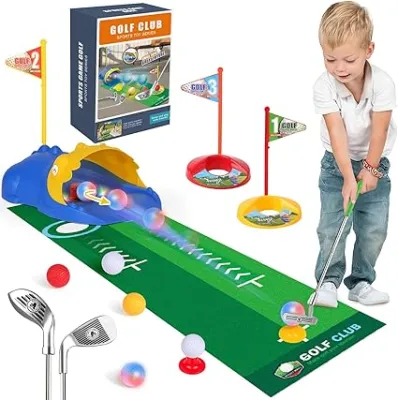
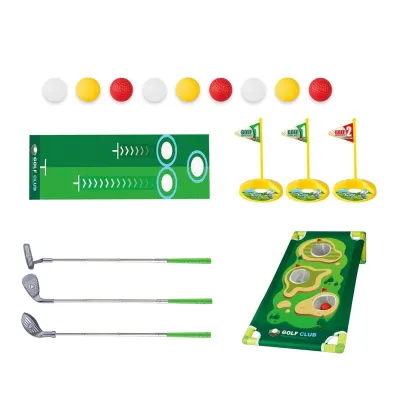
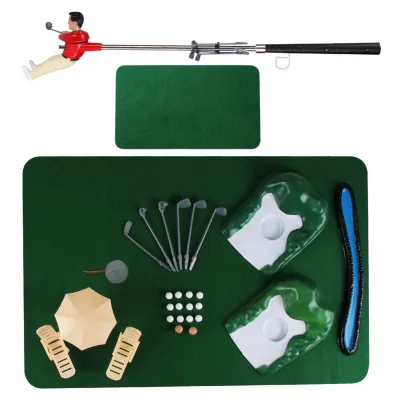
Prices are valid at publication and may change. Please refer to the product page for the latest price.
Shaft construction directly impacts both durability and safety. While plastic shafts are highly flexible and safe for very young children, they tend to bend or snap under the enthusiastic swings of older players. Steel, aluminum, or fiberglass shafts offer superior longevity and a more realistic feel. If the set is intended for a mix of adults and children, look for telescopic or adjustable shafts. These allow you to customize the length easily, ensuring that players of all heights can maintain proper putting posture without straining their backs.
To determine the ideal putter length for a player, measure the distance from the floor to their waist or hip joint while they stand in a comfortable, slightly bent putting stance. A putter that is too long will force the player to stand too upright, while a short putter leads to excessive hunching. For shared family sets, having at least two different putter sizes or a reliable adjustable locking mechanism prevents frustration and keeps the game accessible for everyone.
Do not overlook the grip texture and thickness during your evaluation. In warm, humid environments, hands can quickly become sweaty, causing smooth plastic grips to slip during a stroke. Look for rubberized, textured, or contoured grips that provide a secure hold. For younger players with smaller hands, a thinner grip is easier to wrap their fingers around, while adults generally prefer a standard-thickness grip that prevents hand fatigue during extended play sessions.
Choosing the Right Golf Balls for Your Surface
The type of ball included in a mini golf set dictates how the ball behaves on different flooring materials and how much noise the game makes. Standard hard plastic balls are highly durable and roll quickly, but they can bounce unpredictably on hard surfaces like ceramic tiles or concrete. They also produce a loud, clattering noise upon impact, which can be disruptive indoors. If you plan to play primarily on hard indoor floors, look for high-density foam or soft rubberized balls that absorb impact and roll quietly.

Surface protection is a major consideration for indoor setups. Hard plastic or heavy rubber balls can easily scuff polished hardwood, chip delicate floor tiles, or dent baseboards if a shot goes wild. Lightweight practice balls or soft foam alternatives minimize the risk of property damage while still providing enough weight for a true roll on short-pile carpets or dedicated putting mats. Always match the ball’s weight and hardness to the vulnerability of your playing environment.
Durability is another key factor when inspecting the balls in a set. Cheap plastic balls often feature a prominent center seam that can split or crack after repeated impacts against hard obstacles or walls. Look for seamless molded balls or solid-core construction to ensure they maintain their perfectly spherical shape over time. A deformed or chipped ball will wobble during its roll, ruining the accuracy of your shots and taking the fun out of competitive family matches.
Evaluating Obstacles, Mats, and Overall Durability
The putting mat serves as the foundation of your mini golf course, and its quality determines how smoothly the ball travels. Synthetic turf mats should feature a thick, heavy non-slip rubber backing. This backing helps the mat lay completely flat right out of the box and prevents the edges from curling upward, which can create unwanted ramps. Thin felt or carpet-style mats without proper backing tend to bunch up, slide on smooth tile floors, and fray along the edges after only a few uses.
Inspect the edges of the mat for quality stitching or binding. Unbound edges on synthetic turf will shed green fibers over time, especially in high-traffic areas or when vacuumed. A well-stitched border prevents fraying and keeps the mat looking neat. Additionally, verify that the mat material is resistant to creasing; mats that must be folded tightly for storage can develop permanent ridges that redirect the ball, whereas mats designed to be rolled up loosely preserve a smooth, flat surface.
Obstacles provide the challenge in mini golf, but they must be stable enough to stay in place during play. Lightweight plastic obstacles can easily shift or tip over when struck by a ball or accidentally kicked by an eager player. Look for obstacles with weighted bases, integrated rubber non-slip pads, or interlocking peg systems that secure them to the mat. If you plan to use the set outdoors on grass, check if the obstacles include ground stakes to keep them anchored against wind and uneven terrain.
Storage and portability features are essential for keeping your set in top condition when it is not in use. Look for modular designs where obstacles can be disassembled or stacked neatly. A dedicated carrying case or storage bag protects the components from dust, moisture, and pests during the rainy season. Sets that lack a proper storage solution are more likely to lose pieces or suffer damage while tucked away in closets or garages.
Matching the Set to Your Space and Player Profile
Before purchasing a mini golf set, measure your available floor space to ensure a comfortable layout. If you live in a compact apartment or have limited indoor space, a low-profile, single-lane putting mat with modular, repositionable obstacles is highly practical. These configurations allow you to change the course layout without requiring a massive footprint. For larger homes, terraces, or spacious backyards, multi-lane sets or expansive modular tile systems offer a more immersive experience.
For outdoor setups, weather resistance is a primary concern. The intense tropical sun can degrade cheap plastics, causing them to become brittle and fade within a few months. Look for UV-stabilized plastics and rust-resistant metal components if you plan to leave the set on a patio or lawn. If the set is not explicitly rated for outdoor storage, make sure it is lightweight and easy to pack away quickly when sudden rain showers occur.
Player demographics should guide your final choice. Toddler and beginner sets prioritize safety and basic motor skill development. These sets typically feature oversized, lightweight plastic putters, extra-large targets, bright primary colors, and soft foam balls. They are designed to build confidence and prevent injury or household damage, though they offer limited replay value as children grow older.
Advanced or family-oriented sets focus on realistic playability and long-term engagement. These setups often feature textured synthetic turf that mimics the ball speed of a real putting green, regulation-sized putters, and complex obstacles like ramps, tunnels, and moving hazards. While these sets may require a larger initial investment, their modular designs and realistic physics provide lasting entertainment for teenagers and adults alike.
Pre-Purchase Verification and Retailer Checks
When shopping on online marketplaces, always verify the exact dimensions and component counts listed in the manufacturer’s specifications. Product images can sometimes be misleading, making a putting mat appear much larger or longer than it actually is. Check the product description to confirm how many putters, balls, and obstacles are included in the box so you do not have to purchase essential accessories separately.
Read through customer reviews specifically looking for feedback on long-term durability and packaging quality. Pay close attention to comments regarding mat creasing, as some budget sets are shipped tightly folded, resulting in permanent wrinkles that are difficult to flatten out. Reviews that mention missing hardware, broken telescopic putter locks, or cracked plastic components upon arrival can help you identify which brands to avoid.
Finally, review the retailer’s return policy and warranty coverage before finalizing your purchase. Because mini golf sets contain multiple components, there is always a small risk of receiving a package with a missing ball or a damaged obstacle. A clear, customer-friendly return policy ensures you can easily request a replacement or refund if any part of the set fails to meet quality standards upon delivery.
Frequently Asked Questions (FAQ)
Can I use regular golf balls with a mini golf set?
Using standard golf balls with a mini golf set is generally not recommended unless the set is specifically designed for them. Regular golf balls are much heavier and harder than the foam or lightweight plastic balls typically supplied with home sets. This extra weight can easily crack plastic obstacles, dent lightweight putter heads, and damage indoor flooring like hardwood or ceramic tiles. To protect your equipment and home, it is best to stick to the manufacturer-specified ball types.
How do I clean and store the mini golf mats?
To clean synthetic turf mats, gently vacuum them using a brush attachment to remove dust and debris, or wipe them down with a damp cloth and mild soap for spot cleaning. Avoid using harsh chemical cleaners or soaking the mat, as excess moisture can weaken the adhesive backing. When storing the mat, always roll it loosely with the turf side facing outward to prevent the backing from creasing or cracking. Store the rolled mat in a cool, dry place away from direct sunlight to prevent material degradation.
Community discussion
Share your experience or ask a question. Comments are reviewed before publication.