
Quick Answer: Mini Pedal vs Full-Size Exercise Bikes
Choosing between a pedal mini exercise bike and a full-size exercise bike depends on your available space, fitness goals, and daily routine. A mini pedal bike is designed for low-impact, multi-tasking movement, making it ideal for individuals with limited space, those who want to stay active while working at a desk, or anyone undergoing light active recovery. It offers unmatched portability but lacks the structural stability required for high-intensity workouts.
Conversely, a full-size exercise bike is built for dedicated, structured training sessions. It provides a robust platform for high-intensity interval training (HIIT), comprehensive cardiovascular conditioning, and full-body ergonomic support. However, it requires a permanent floor footprint and a larger financial investment. If your priority is convenience and gentle movement, the mini pedal bike is your most practical fit; if you want to push your athletic limits and have the space to spare, a full-size bike is the more appropriate choice for your home gym.
Space, Portability, and Setup Requirements
Before bringing any fitness equipment into your home, you must carefully evaluate your physical environment. A full-size exercise bike requires a dedicated floor footprint, typically measuring around 120 centimeters in length and 60 centimeters in width. For safety and ease of mounting, you should also maintain at least 50 centimeters of clear space on all sides of the machine. This makes full-size bikes more challenging to accommodate in compact apartments or shared living spaces.
Products mentioned in this guide
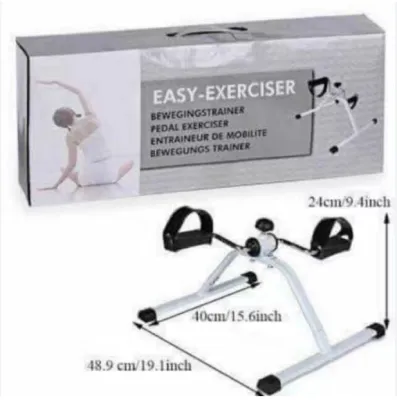
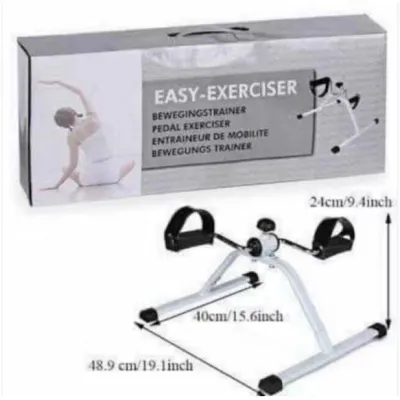
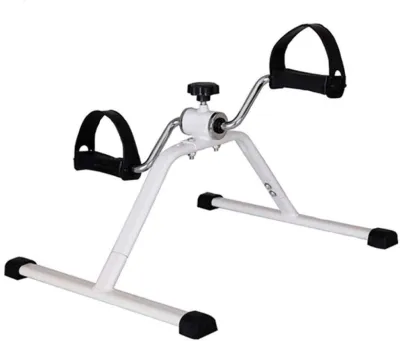
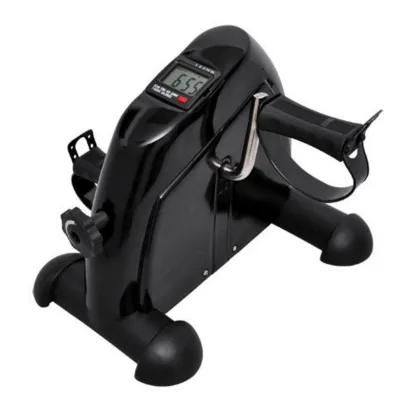
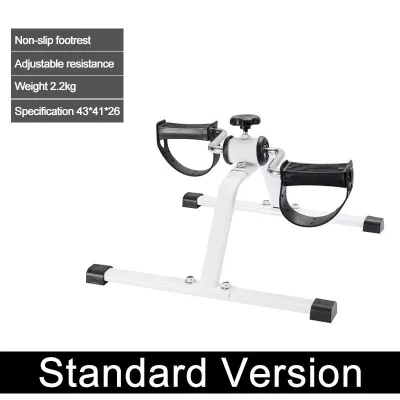
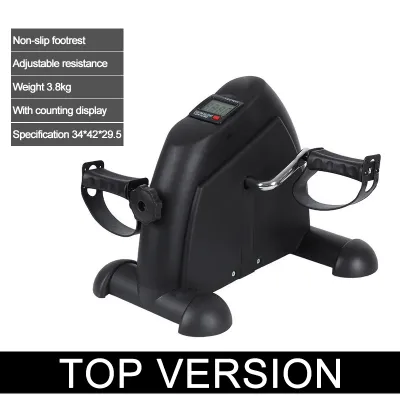
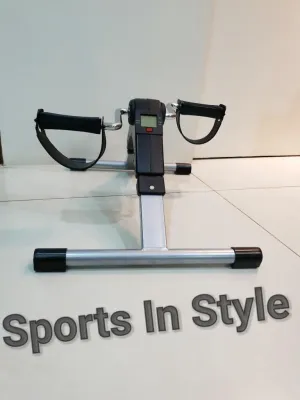
Prices are valid at publication and may change. Please refer to the product page for the latest price.

In contrast, a pedal mini exercise bike is incredibly compact, often measuring no more than 50 centimeters in length and 40 centimeters in width. It can easily slide under a standard office desk, sit in front of your favorite living room sofa, or be tucked away in a closet when not in use. Weighing only 3 to 8 kilograms, a mini pedal bike is highly portable and can be carried from room to room with minimal effort. Full-size bikes, which often weigh between 25 and 50 kilograms, are much harder to relocate, even when equipped with front transport wheels.
Living in a tropical climate like the Philippines also introduces environmental factors to consider during setup. High humidity levels can accelerate the wear of fitness equipment. When setting up a full-size bike in a room without air conditioning, ensure the area is well-ventilated to prevent sweat and moisture from accumulating on the metal frame. For both types of equipment, placing a moisture-resistant rubber mat underneath the unit is highly recommended. This mat protects your flooring from sweat, prevents the machine from slipping on tiled surfaces, and dampens the physical vibrations that can travel through floors in multi-story apartment buildings.
Fitness Goals, Resistance, and Workout Intensity
Your choice of equipment should directly align with the type of physical exertion you want to achieve. The mechanical design of each bike dictates the level of resistance and the variety of workouts you can perform.
Resistance Mechanisms to Verify
When shopping on online marketplaces, pay close attention to the resistance system listed on the product label. Magnetic resistance is highly suitable for both mini pedals and full-size bikes. It uses powerful magnets to create tension against a metal flywheel, resulting in a smooth, virtually silent pedaling motion that requires almost no maintenance. Friction resistance, which utilizes felt or leather pads pressing directly against the flywheel, is common on full-size spin bikes. While it offers high levels of resistance suitable for intense training, the pads wear down over time and require periodic replacement. Budget-friendly mini pedal bikes often use simple mechanical friction or tension bands, which can feel jerky and may not provide enough resistance for progressive cardiovascular training.
Ergonomics and Posture
Proper body alignment is essential to prevent joint strain and muscle fatigue during exercise. Full-size exercise bikes excel in ergonomics, offering multiple adjustment points. You can typically adjust the seat height, seat horizontal position, and handlebar height to match your exact body proportions. This customization ensures that your knees, hips, and ankles move through a safe, natural range of motion. Mini pedal bikes do not have built-in seats, meaning your ergonomics depend entirely on the chair you use. To prevent lower back pain and knee strain, you must consciously select a chair that allows your knees to maintain a slight bend at the furthest point of the pedal rotation. Additionally, because mini pedal bikes do not support your upper body, you must actively engage your core to maintain an upright posture and avoid slouching while pedaling.
Stability and Workout Variety
If your fitness goals include high-intensity interval training (HIIT) or standing climbs, a full-size exercise bike is the only viable option. These machines feature heavy steel frames and wide stabilizer feet designed to withstand the lateral forces of a rider standing up and pedaling with maximum effort. Attempting to stand or pedal aggressively on a pedal mini exercise bike is highly unsafe. Because of their lightweight construction, mini pedals are strictly designed for seated, low-impact, steady-state cardiovascular exercise. However, mini pedal bikes offer a unique form of versatility: you can place the unit on a sturdy table and operate the pedals with your hands to engage your shoulders, chest, and upper back, which is an excellent option for upper-body mobility.
Budget, Maintenance, and Long-Term Value
Investing in home fitness equipment requires balancing the upfront cost against the durability and maintenance needs of the machine over several years.
Navigating Price Tiers in the Philippines
The price difference between these two form factors is substantial. On local ecommerce platforms, entry-level mini pedal exercise bikes typically range from ₱1,000 to ₱3,000. These models usually feature mechanical friction resistance and basic digital monitors. Mid-range to premium mini pedals, which utilize smooth magnetic resistance and offer sturdier frames, range from ₱4,000 to ₱8,000.
Full-size exercise bikes require a larger financial commitment. Basic upright stationary bikes start around ₱5,000 to ₱9,000. Mid-range magnetic spin bikes, which offer heavier flywheels and better adjustability, generally cost between ₱12,000 and ₱22,000. High-end, commercial-grade stationary bikes with interactive touchscreens and programmable training routines can easily exceed ₱35,000.
Build Quality Indicators to Check
When evaluating options, look for specific indicators of long-term durability:
- Frame Material: For full-size bikes, prioritize heavy-gauge steel frames over thin aluminum. For mini pedals, look for a wide, weighted steel base rather than an all-plastic housing.
- Flywheel Weight: On full-size bikes, a heavier flywheel (at least 10 to 15 kilograms) ensures a smoother, more realistic road feel.
- Pedal Straps and Grips: Ensure the pedals have adjustable, heavy-duty rubber straps to keep your feet secure during operation.
Routine Maintenance and Longevity
To maximize the lifespan of your equipment, establish a regular maintenance routine. For full-size bikes, check and tighten the pedal bolts, seat post clamps, and handlebar screws every few weeks, as regular use can cause them to loosen. If your bike has a chain drive, apply a specialized bicycle lubricant periodically to keep it running smoothly; belt-driven models do not require lubrication but may eventually need tension adjustments.
Mini pedal bikes require very little maintenance, but you should regularly wipe down the exterior to remove dust and sweat, especially in humid tropical environments. Check the battery of the digital display console periodically to prevent corrosion from old batteries. Additionally, keep the rubber feet on the base of the mini pedal clean; dust accumulation can cause the unit to slide on smooth floors during use.
Decision Framework: Choose the Right Bike for Your Lifestyle
To make your final decision, review this practical checklist to see which fitness solution aligns with your daily habits and physical space.
Choose a mini pedal bike if:
- Your space is highly constrained: You live in a studio apartment, a shared dorm room, or need equipment that can be completely hidden away when guests arrive.
- You want to multitask: You spend hours sitting at a desk or watching television and want to burn extra calories or keep your legs moving without interrupting your work.
- You are focusing on active recovery: You are recovering from an injury, managing joint stiffness, or looking for a gentle way to improve circulation under the guidance of a healthcare professional.
- You have a limited budget: You want a reliable way to get moving without spending a significant amount of money.
Choose a full-size exercise bike if:
- You want high-intensity workouts: Your fitness goals include sweating heavily, burning maximum calories, building lower-body strength, or performing HIIT routines.
- You have a dedicated fitness space: You have a spare room, a garage, or a dedicated corner of your living room where a large piece of equipment can remain permanently set up.
- You require precise ergonomics: You plan to ride for 30 minutes or longer per session and need adjustable seat and handlebar positions to protect your knees and back.
- You enjoy structured training: You want to follow virtual cycling classes, track detailed performance metrics, or simulate outdoor road riding.
Verify first before making your purchase:
- Desk Clearance: If buying a pedal mini exercise bike for under-desk use, measure the distance from the floor to the underside of your desk. Ensure there is enough clearance for both the height of the mini bike and the upward movement of your knees.
- Ceiling Height: If you are tall and plan to buy a full-size spin bike that requires standing up during climbs, verify that your ceiling height accommodates your standing height on the pedals.
- Floor Grip: For mini pedal bikes, check if the product includes a non-slip mat or a tether strap that connects the unit to your chair to prevent it from sliding forward on tiled floors.
Frequently Asked Questions (FAQ)
Can a mini pedal bike provide a full cardiovascular workout?
A pedal mini exercise bike can provide a light-to-moderate cardiovascular workout, but it is generally not sufficient for high-intensity aerobic training. Because you are seated on a standard chair, your core, back, and upper body are not actively engaged in supporting your weight or maintaining balance. To elevate your heart rate into a moderate aerobic zone, you must use higher magnetic resistance settings and maintain a rapid, consistent pedaling cadence for at least 30 to 45 minutes. While it is an excellent tool for increasing daily step equivalents and improving circulation, it cannot replicate the intense, full-body cardiovascular demand of a full-size stationary bike.
Are full-size exercise bikes safe for users with joint issues?
Yes, full-size exercise bikes are highly recommended for individuals with joint issues because cycling is a low-impact exercise that minimizes stress on the knees, ankles, and hips. However, the safety of the workout depends entirely on proper bike setup. If the seat is adjusted too low, it places excessive pressure on the kneecaps; if the seat is too high, your hips will rock side to side, straining your lower back. Always adjust the seat height so that your knee has a slight bend of about 25 to 30 degrees when the pedal is at its lowest point. If you experience persistent joint pain during or after riding, stop using the bike immediately and consult a physical therapist or medical professional.
Community discussion
Share your experience or ask a question. Comments are reviewed before publication.