
Deciding between a mini scuba tank and a traditional snorkel setup comes down to your training, depth goals, and comfort with underwater safety protocols. While a snorkel setup is ideal for surface-level observation and quick breath-hold dives, a mini scuba tank allows you to breathe continuously underwater for shallow exploration. However, breathing compressed air—even from a small, portable cylinder—introduces serious physiological risks that require formal training. For most casual beachgoers and recreational swimmers, a high-quality snorkel setup is the safest, most practical, and most accessible choice.
In tropical destinations like the Philippines, where vibrant marine life thrives just meters from the shore, choosing the right gear directly impacts both your enjoyment and your safety. While the appeal of staying underwater for several minutes without surfacing is strong, the equipment you choose dictates the level of preparation you must undergo. Understanding the operational boundaries of each setup ensures you do not find yourself in a hazardous situation in open water.
Define Your Underwater Goals and Depth Requirements
Your choice of gear should align with how you intend to interact with the marine environment. If your primary goal is to float comfortably on the surface, watch sea turtles, and observe shallow coral gardens from above, a snorkel setup is highly effective. It allows you to remain in the water indefinitely without worrying about air limits, gauge monitoring, or equipment failure.
Products mentioned in this guide
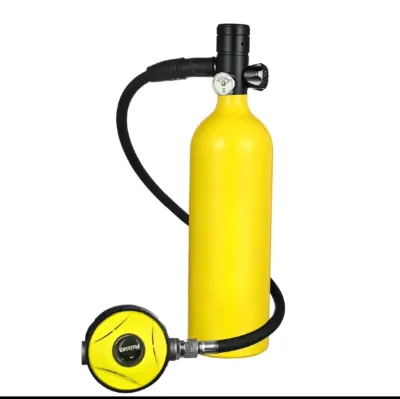
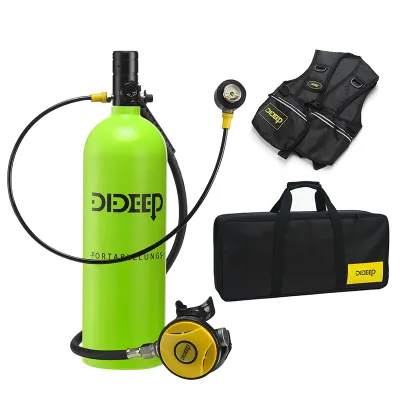
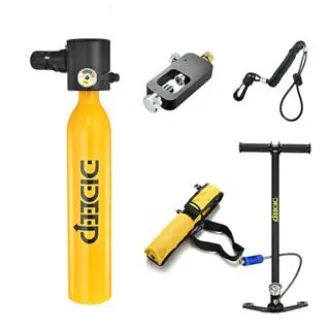
Prices are valid at publication and may change. Please refer to the product page for the latest price.
For those who practice freediving or skin diving, a snorkel setup still serves as the primary tool. You use the snorkel to breathe while resting on the surface, take a single deep breath, and descend to explore reefs or rock formations. This method relies entirely on your lung capacity and physical fitness, meaning you must return to the surface as soon as your body signals the need for oxygen.
There are clear signals that a traditional snorkel is limiting your experience. If you find yourself constantly struggling to stay down long enough to photograph a specific marine creature, or if you want to inspect shallow underwater structures without the constant interruption of surfacing for air, you are experiencing the limits of breath-hold diving.
However, transitioning to a sustained underwater air supply changes the nature of the activity. Exploring deeper reefs, underwater caves, or complex structures requires a continuous air source, but it also removes the simplicity of snorkeling. Once you rely on mechanical equipment to breathe underwater, you enter the realm of diving physics, where even shallow depths require careful management of your breathing and ascent rates.
Check Your Training and Safety Readiness for Compressed Air
A common and dangerous misconception is that a smaller tank means fewer safety requirements. Many users assume that because a mini scuba tank is compact and designed for shallow water, it can be used safely without formal training. In reality, breathing compressed air at any depth exposes the human body to the laws of pressure and physiology.

Even at a depth of just two or three meters, the pressure changes are significant enough to cause serious injuries. If you breathe compressed air from a mini tank and ascend to the surface while holding your breath, the air inside your lungs expands as the surrounding pressure decreases. This can lead to pulmonary barotrauma, or lung overexpansion, which is a life-threatening medical emergency. Proper training teaches you the golden rule of diving: never hold your breath while using a compressed air source.
Using a mini scuba tank also requires a solid understanding of buoyancy control, ear equalization, and safe ascent rates. Without proper buoyancy control, you risk sinking rapidly onto fragile coral reefs or ascending too quickly to the surface. Equalizing your ears early and often is critical to prevent painful eardrum damage as you descend.
Before purchasing or using any compact breathing apparatus, you must check the manufacturer safety warnings and local regulations. Responsible manufacturers explicitly state that their equipment should only be used by certified scuba divers or individuals who have completed specific training courses. Local dive operators and marine sanctuaries may also prohibit the use of uncertified breathing gear to protect both the user and the local ecosystem.
Weigh the Gear Complexity and Travel Logistics
The practical burdens of maintaining, refilling, and transporting your equipment can vary greatly between a snorkel setup and a mini scuba tank. Snorkel gear requires almost no preparation or complex maintenance. After a day in the ocean, you simply rinse your mask, snorkel, and fins with fresh water to remove salt and sand, then let them dry in the shade.
In contrast, a mini scuba tank demands meticulous care and regular safety checks. The regulator assembly must be rinsed thoroughly while pressurized to prevent salt crystals from damaging the internal valves. You must inspect high-pressure O-rings for cracks, verify the accuracy of the pressure gauge, and ensure the tank is stored with a small amount of air inside to prevent moisture from entering and causing internal corrosion.
Refilling a mini tank presents its own logistical challenges. You cannot simply pump normal air into the cylinder; it requires highly filtered, dry breathing air to prevent carbon monoxide poisoning or moisture damage inside the tank. Refilling requires access to a compatible high-pressure hand pump, a specialized scuba compressor, or a local dive shop willing to fill the cylinder. Many dive shops will refuse to fill tanks that do not display a current hydrostatic test stamp or visual inspection decal, or if the user cannot present a valid scuba certification card.
Travel logistics are another critical factor, especially if you plan to fly to your destination. Aviation authorities and individual airlines enforce strict regulations regarding pressurized cylinders. Typically, tanks must be completely depressurized, and the valve assembly must be entirely removed so security personnel can visually inspect the interior of the cylinder. This requires carrying specialized tools and knowing how to safely disassemble and reassemble your gear without damaging the threads or seals.
Follow the Decision Path to Choose Your Setup
To determine which setup fits your needs, evaluate your current skills, certification level, and immediate goals. If you do not hold a scuba certification and do not plan to undergo formal training, you should stick exclusively to a high-quality snorkel setup. Snorkeling remains an incredibly rewarding, low-risk way to enjoy the ocean, requiring minimal investment and zero complex logistics.
If you are already a certified open-water diver, a mini scuba tank can serve as a convenient tool for specific, shallow-water tasks. It is highly useful for boat owners who need to perform quick underwater maintenance, such as cleaning a hull, inspecting a rudder, or clearing a fouled propeller in shallow harbor waters. In these scenarios, the user already understands diving physics and can operate the gear safely within its limits.
For those who find snorkeling insufficient but feel overwhelmed by the complexity of owning a mini scuba tank, alternative pathways exist. You can enroll in a guided Discover Scuba Diving course at a licensed local dive center. This allows you to experience breathing underwater using standard, professionally maintained scuba equipment under the direct supervision of a certified instructor, without the need to purchase or maintain your own pressurized gear.
There are clear stop conditions where you should abandon the idea of using a mini scuba tank and seek professional guidance instead. If you cannot secure a reliable, certified source of clean breathing air, do not attempt to fill the tank using standard air compressors. If you have pre-existing respiratory or cardiovascular conditions, or if you plan to dive alone without a trained buddy, stick to surface snorkeling or book a guided excursion with a professional dive operator.
Frequently Asked Questions (FAQ)
Can I fly with a mini scuba tank?
Yes, but you must comply with strict aviation security and airline regulations. Pressurized cylinders are generally prohibited in both carry-on and checked baggage. To transport a mini scuba tank on an aircraft, you must completely empty the cylinder of all compressed air and remove the regulator valve assembly entirely. This allows airport security personnel to verify that the tank is unpressurized and empty. Always check the specific baggage policies of your airline and local aviation authorities before arriving at the airport.
How deep can a mini scuba tank safely go?
The safe operating depth of a mini scuba tank depends on the manufacturer’s engineering specifications, your level of formal dive training, and your personal air consumption rate. Because these tanks hold a very limited volume of air, using them at deeper depths increases your air consumption rapidly, significantly reducing your available underwater time. You must strictly follow the maximum depth limits specified in your equipment manual and never exceed the depth limits of your formal diving certification.
Community discussion
Share your experience or ask a question. Comments are reviewed before publication.