
Setting up a home boxing or martial arts corner in the Philippines is an excellent way to stay active, build cardiovascular endurance, and hone your striking skills. Whether you are training in a ventilated garage, a spare room, or out on a covered veranda, selecting the right gear is critical to preventing injuries. When looking for the ideal mma gloves for men, many beginners assume a single pair can handle every type of workout. However, using the wrong glove for the wrong activity can lead to severe wrist sprains, bruised knuckles, or skin tears.
To train safely and effectively at home, you must match your gloves to your specific training modality. Heavy bag sessions require dense impact absorption, shadowboxing demands lightweight speed, and partner drills require specialized padding to protect both participants. Understanding the structural differences, weight classes, and safety limitations of various MMA gloves will help you build a highly functional home training routine while keeping your hands fully protected.
Understanding MMA Glove Types and Weights
MMA gloves are fundamentally different from traditional boxing gloves, primarily due to their open-palm design and significantly lower weight. While standard boxing gloves encase the entire hand in a thick, padded fist, MMA gloves leave the fingers free to allow for gripping, clinching, and grappling. This design offers excellent versatility for mixed martial arts but inherently reduces wrist stabilization and knuckle protection. Before purchasing a pair, you must understand the three primary categories of MMA gloves available on the market.
Products mentioned in this guide
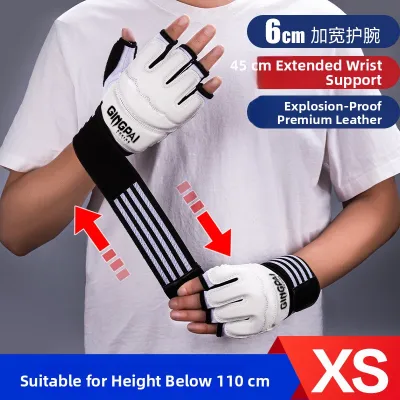
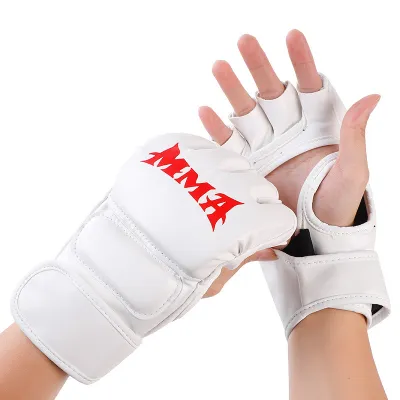
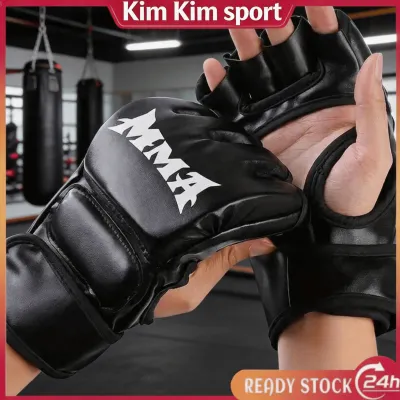
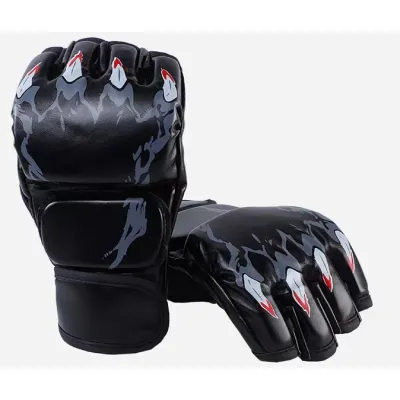
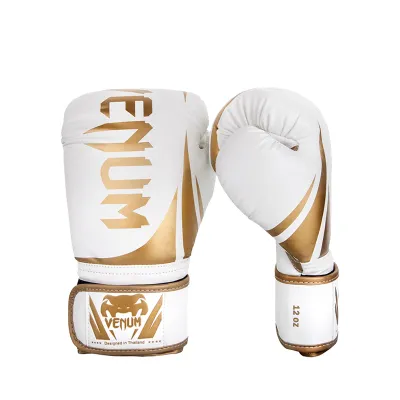
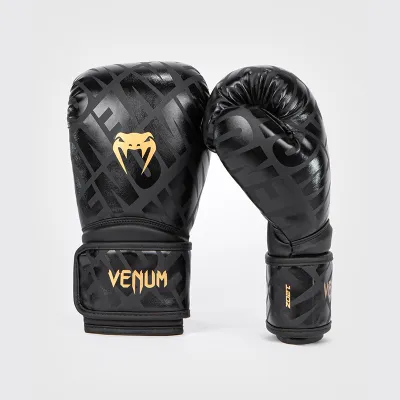
Prices are valid at publication and may change. Please refer to the product page for the latest price.
- Competition Gloves (4oz): These are the minimalist gloves worn in professional and amateur bouts. They feature very thin padding over the knuckles and an completely open palm, prioritizing maximum grappling dexterity and speed over hand protection.
- Grappling or Sparring Gloves (7oz): Designed specifically for interactive training, these gloves feature a thicker, dome-like layer of shock-dispersing foam over the knuckles. They protect your hands and your training partner during light striking exchanges while maintaining an open palm for grappling.
- Hybrid or Bag Gloves (7oz to 12oz): These gloves bridge the gap between boxing and MMA gear. They offer dense, multi-layered padding and reinforced wrist support, making them the most suitable option for high-impact training on heavy bags and focus mitts.
The weight of an MMA glove, measured in ounces (oz), directly correlates with the density and volume of its internal foam padding. A heavier glove contains more shock-absorbing material, which reduces the force transferred to your hand joints upon impact. Conversely, lighter gloves offer less protection but allow for faster hand speed and realistic fight simulation.
When navigating sizes, it is important to note that “men’s” sizing in MMA gloves typically refers to the physical dimensions of the internal hand compartment rather than specific weight classes. Because a secure fit is essential to prevent the glove from shifting during a punch, you should always measure your hand circumference just below the knuckles and consult the manufacturer’s specific sizing chart before buying.
Best MMA Gloves for Heavy Bag Work
Hitting a heavy bag generates a massive amount of kinetic feedback that travels directly back into your fingers, knuckles, and wrists. For this reason, standard 4oz competition gloves or thin grappling gloves are highly unsafe for regular heavy bag work. The minimal padding of a 4oz glove cannot absorb the repeated force of striking a dense, swinging bag, which drastically increases the risk of micro-fractures in the small bones of your hand.

For dedicated heavy bag workouts at home, you should look for hybrid MMA bag gloves. These gloves are engineered with multi-layered foam systems—often combining gel layers with high-density EVA foam—to disperse high-impact forces. They also feature wider, more rigid hook-and-loop wrist straps that wrap tightly around the wrist joint, mimicking the structural support of a traditional boxing glove while keeping the fingers free.
Another key feature to look for in a heavy bag MMA glove is an integrated internal grip bar. This is a small, padded cylinder positioned inside the palm area that your fingers curl around when making a fist. The grip bar helps you maintain a correct, tightly clenched fist structure upon impact, which significantly reduces hand fatigue and prevents your fingers from buckling backward during high-volume punching sessions.
Regardless of how advanced your gloves are, equipment cannot replace proper punching technique and physical conditioning. MMA gloves naturally transfer more shock to your hand structure than large boxing gloves. If you experience sharp, lingering pain in your wrists, thumbs, or metacarpal bones during a workout, you must stop training immediately. Assess your punching alignment, ensure your wrists are not bending upon impact, and verify that your gloves are not worn out.
Ideal Gloves for Shadowboxing and Speed Drills
Shadowboxing is a low-impact, high-repetition exercise designed to improve your footwork, head movement, punching form, and shoulder endurance. Because you are not striking a physical target, you do not need the heavy, shock-absorbing padding required for bag work. Instead, the goal is to find gear that provides light resistance without dragging down your hand speed or placing unnecessary strain on your shoulder joints.
Lightweight MMA gloves, ranging from 4oz to 7oz, are ideal for shadowboxing. Wearing these lighter gloves allows you to simulate the exact weight and feel of a real bout, helping you develop realistic hand speed and muscle memory. The slight weight is just enough to build shoulder stamina over multi-round workouts without altering your natural punching mechanics.
However, shadowboxing carries a unique physical risk: joint hyperextension. When you throw a full-power punch into the air without a bag or pad to stop your fist, your elbow and shoulder joints must absorb the force required to stop the motion. To prevent hyperextension injuries, focus on controlled retraction. Instead of snapping your joints straight, concentrate on pulling your hand back to your face quickly using your core and upper back muscles.
If you want to focus purely on speed and form without any added weight, high-quality elastic hand wraps are an excellent, highly breathable alternative to gloves. In the warm, humid climate of the Philippines, wearing thick foam gloves for shadowboxing can quickly cause your hands to overheat. Wrapping your hands with 120-inch or 180-inch elastic wraps provides essential wrist support and knuckle protection while allowing maximum airflow to keep your hands cool.
To make the most of your shadowboxing sessions, stand in front of a mirror and slowly throw combinations while wearing your minimal gloves or wraps. Pay close attention to your wrist alignment at the end of each punch. Your wrist should form a straight, unbroken line with your forearm; any upward or downward bending indicates poor form that must be corrected before you transition to hitting a heavy bag.
Choosing Gloves for Partner Drills and Pad Work
Interactive home training often involves a mix of hitting focus mitts and engaging in controlled partner drills. It is crucial to differentiate between these two activities when choosing your gear. While you can safely use thicker hybrid bag gloves to strike focus mitts held by a partner, interactive partner drills—such as light sparring, clinch work, and takedown entries—require dedicated sparring gloves designed to protect both you and your training partner.
For partner drills, you should select 7oz MMA sparring gloves. These gloves feature a distinct, oversized dome of soft, shock-dispersing foam over the knuckles. This extra padding is specifically designed to cushion the blow of light, accidental contact during drilling, preventing cuts, bruises, and facial injuries to your training partner while still protecting your own knuckles.
An open-palm design is strictly necessary for interactive MMA drills. Unlike boxing, where you only strike, MMA drills require you to transition seamlessly from punching to grabbing, clinching, and defending takedowns. The open palm and free fingers allow you to secure a collar tie, grab your partner’s wrists, or execute underhooks without your gloves getting in the way or slipping off.
When training with a partner at home, clear communication and strict power control are your most important safety tools. Even a heavily padded 7oz MMA sparring glove is significantly smaller and denser than a standard 16oz boxing sparring glove. Because there is less surface area to distribute the impact, punches thrown with MMA gloves carry a much higher risk of injury. Keep your striking force light and controlled—typically under 20% to 30% of your maximum power—and constantly check in with your partner to ensure the intensity remains safe for both of you.
Can One Pair of MMA Gloves Handle All Home Workouts?
For budget-conscious fitness enthusiasts, buying multiple pairs of specialized gloves can be a significant investment. High-quality MMA gloves in the local market can range from ₱1,500 for reliable synthetic options to over ₱4,000 for premium genuine leather. It is natural to wonder if you can find a single “do-it-all” glove to handle your entire home workout routine.
While a single pair is highly convenient, using one glove for all tasks requires significant compromises. A lightweight 4oz glove will injure your hands on a heavy bag, while a heavy 10oz bag glove is too stiff and bulky for safe partner sparring or grappling drills. A single glove simply cannot perfectly optimize both maximum impact protection and safe, flexible partner interaction.
If you must limit yourself to one pair of gloves due to budget or space constraints, the 7oz hybrid training glove is the most versatile middle ground. These gloves offer enough knuckle padding to handle light-to-moderate heavy bag work and focus mitt drills, while retaining the open-palm design and flexibility needed for grappling and light partner sparring.
However, choosing this compromise comes with strict operational limits:
- Strict Power Control: When hitting a heavy bag with 7oz hybrid gloves, you must limit your punching power to around 50% to 60% of your maximum. Do not throw full-power power shots, as the padding is not thick enough to fully protect your wrists and knuckles over time.
- Constant Communication: When drilling with a partner, remind them that your gloves are denser than standard sparring gear, and maintain a highly controlled, technical pace.
- Inspect Gear Frequently: Using the same pair of gloves for both abrasive heavy bag work and partner drills will accelerate wear and tear, meaning you will need to replace them sooner.
If your training goals involve hitting the heavy bag with full power more than twice a week, you should not compromise. In this scenario, you should invest in a dedicated second pair of heavier hybrid bag gloves (10oz to 12oz) to protect your hands, using your lighter 7oz gloves strictly for shadowboxing, pad work, and partner drills.
Essential Safety and Maintenance Tips for Home Training
No matter which MMA gloves you choose, proper hand preparation is essential for long-term joint health. You should always wear hand wraps under your MMA gloves, especially when performing heavy bag work or pad drills. Hand wraps compress and secure the many small, delicate bones in your hand and support the wrist joint, preventing them from shifting or fracturing under impact. Because MMA glove hand compartments are snugger than boxing gloves, opt for thinner, 120-inch elastic wraps or specialized MMA wraps to ensure a comfortable fit without restricting blood circulation.
In the tropical climate of the Philippines, humidity and sweat are major challenges for sports gear. Leaving damp gloves in a dark gym bag or a closed room will quickly lead to mold growth, material degradation, and foul odors. To keep your gloves hygienic and structurally sound, establish a consistent post-workout maintenance routine:
- Wipe Down: Immediately after training, use a clean, lightly damp microfiber cloth to wipe away sweat and dirt from both the exterior and the open-palm interior of the gloves.
- Deodorize naturally: Avoid using harsh chemical disinfectant sprays, as these can dry out and crack synthetic or genuine leather and break down the internal foam. Instead, use a mild, non-abrasive soap solution if deep cleaning is necessary.
- Air Dry: Open the gloves as wide as possible and leave them to dry in a well-ventilated, shaded area. Never place your gloves in direct sunlight or use a hair dryer, as extreme heat will warp the protective foam and cause the outer material to peel.
Finally, make it a habit to regularly inspect your gear before every workout. Check the knuckle area to ensure the foam has not become permanently compressed, flat, or hard. Examine the stitching around the thumb and palm seams for any fraying, and test the Velcro wrist strap to ensure it still holds tightly. If the foam has collapsed, the stitching is coming undone, or the wrist strap slips during a punch, the structural integrity of the glove is compromised, and it is time to replace them to keep your hands safe.
Frequently Asked Questions (FAQ)
Do I need hand wraps when wearing MMA gloves for bag work?
Yes, wearing hand wraps under your MMA gloves is highly recommended for heavy bag work. Wraps stabilize your wrist joint and keep the small bones in your hand securely aligned, minimizing the risk of sprains and fractures. To ensure your hands still fit comfortably inside the snug compartments of MMA gloves, use thinner, specialized MMA wraps or a lighter wrapping technique.
Are 4oz MMA gloves safe for home heavy bag training?
No, 4oz competition MMA gloves are not safe for regular heavy bag training. Their minimal padding is designed for maximum grappling flexibility, not for absorbing high-impact forces against a dense bag. Striking a heavy bag with 4oz gloves transfers excessive shock directly to your knuckles and wrists, significantly increasing the risk of skin tears, bone bruises, and metacarpal fractures.
How do I clean open-palm MMA gloves after sweaty home sessions?
To clean your gloves, wipe the interior and exterior thoroughly with a lightly damp microfiber cloth immediately after your workout. If needed, use a very mild, non-abrasive soap solution, then wipe it clean with water. Avoid machine washing, soaking the gloves in water, or using harsh chemical sprays, as excessive moisture and chemicals will degrade the internal foam and ruin the outer material.
Community discussion
Share your experience or ask a question. Comments are reviewed before publication.