
Selecting the right basketball requires looking closely at its technical specifications to understand how it will perform under real-world playing conditions. The Molten BG4500 is a prominent composite leather basketball widely used in competitive and recreational leagues. Its design features, including a premium synthetic cover, a 12-panel layout, and a butyl bladder, directly influence how the ball handles, bounces, and holds up over time.
For players navigating different playing environments—ranging from polished indoor hardwood courts to humid outdoor community courts—these specifications are not just numbers on a box. They dictate your control during a fast break, the consistency of your shot release, and how often you will need to replace your gear. By understanding what these technical details mean, you can make an informed decision that aligns with your skill level, budget, and primary playing venue.
Core Specifications to Check on the Molten BG4500
Before taking any basketball to the court, you should inspect the physical markings printed directly on its surface or packaging to verify its exact specifications. The first detail to locate is the size indicator, which is typically stamped clearly near the brand logo. A Size 7 ball is the standard for adult male players and major competitive leagues, while a Size 6 is designated for women’s competitions and youth play, and a Size 5 is intended for younger training categories. Matching the ball size to your specific league requirements ensures your practice sessions translate directly to game-day performance.
Products mentioned in this guide
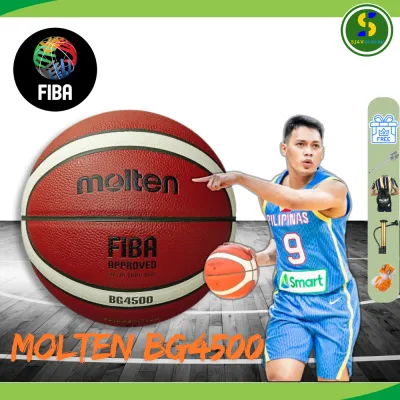
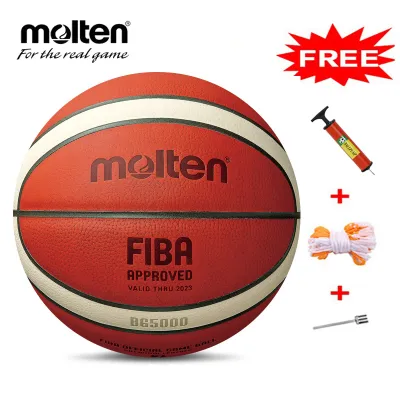
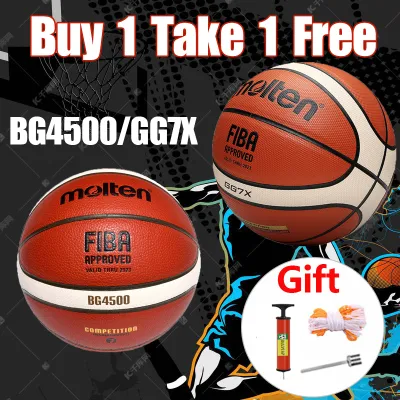
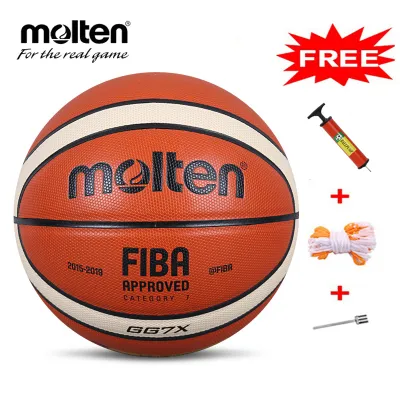
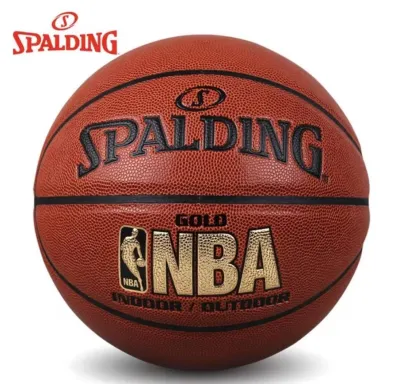
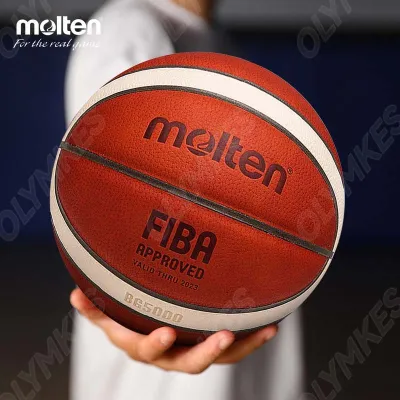
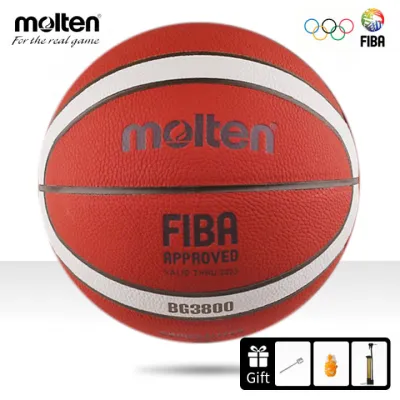
Prices are valid at publication and may change. Please refer to the product page for the latest price.
Next, examine the cover material label to confirm the ball’s construction. The Molten BG4500 features a premium composite leather cover, which is engineered to provide a softer, more consistent feel than traditional rubber or lower-grade synthetic options. You should also check the packaging for the manufacturer’s recommended court surface. While composite leather of this caliber is optimized for indoor use, verifying the official guidelines helps prevent premature wear caused by using the ball on unauthorized surfaces.
How Cover Material and Grip Influence Ball Handling
The choice of cover material plays a critical role in how a basketball manages moisture and maintains grip during intense play. In warm, tropical climates where humidity is high, sweat transfer from a player’s hands can quickly make a ball slippery. The composite leather on the Molten BG4500 is designed with moisture-absorbing properties that help maintain a secure feel even when the game heats up. Unlike rubber covers that tend to collect sweat on the surface, this synthetic material works to disperse moisture, allowing for more reliable ball control.

Surface texture and seam design further enhance your grip mechanics. This model utilizes a signature 12-panel design, which increases the number of seams across the ball compared to the traditional 8-panel configuration. These additional channels, combined with a consistent pebbling pattern, give your fingertips more contact points to grip. When preparing for a shot or executing a quick crossover, these deep channels help you align your fingertips rapidly without looking down at the ball.
It is also important to note how the grip evolves over time. Premium synthetic covers generally require a brief break-in period to reach their optimal softness and tactile feel. During your first few sessions, the ball may feel slightly slicker than expected. As you play, the material will soften and adapt to your hand. However, you must regularly wipe the surface to remove court dust, as fine debris can settle between the pebbles and temporarily reduce the ball’s natural tackiness.
Evaluating Bounce, Weight, and Flight Consistency
A basketball’s performance is highly dependent on its internal construction, which regulates bounce height, weight distribution, and flight path. To ensure optimal playability, locate the recommended inflation pressure printed directly around the air valve. Using a reliable pressure gauge and a standard hand pump, inflate the ball to the specified range. Over-inflation can stretch the internal bladder, causing the ball to warp or bounce unpredictably, while under-inflation leads to a sluggish, heavy feel that disrupts your dribbling rhythm.
You can evaluate the structural balance of the ball through a simple physical check. Spin the ball rapidly on your finger or a flat surface and observe its rotation. A well-balanced ball with high-quality internal nylon windings will spin smoothly without wobbling or leaning to one side. Asymmetrical weight distribution can cause the ball to drift mid-air during long passes or shots, making consistency difficult to achieve.
Finally, test the bounce response on your primary court surface. Drop the ball from shoulder height and observe how high and straight it rebounds. On a level indoor court, the bounce should be uniform across different spots on the ball’s surface. If you notice dead spots or uneven rebounds, double-check the inflation pressure or inspect the ball for any structural irregularities before continuing your training.
Is the Molten BG4500 Right for Your Court and Skill Level?
Deciding whether the Molten BG4500 fits your game depends heavily on where you play most of your matches. Because of its premium composite leather cover, this model is highly suited for indoor hardwood, taraflex, or smooth painted courts. If your primary playing venue is an outdoor concrete court, the abrasive surface will wear down the synthetic leather quickly, smoothing out the pebbling and compromising the grip. For rough outdoor environments, a dedicated outdoor composite or a durable rubber ball is a more practical choice to protect your investment.
Your skill level and position also dictate whether this ball matches your needs. Guards, shooters, and advanced players who rely on precise spin control and tactile feedback will highly appreciate the refined grip and 12-panel seam alignment. For beginners, the consistent bounce and high-quality feel provide an excellent training tool to develop proper shooting form and ball-handling habits, provided they practice on compatible court surfaces.
Keep an eye out for early signs of wear to determine when it is time to service or replace your basketball. If you notice the outer seams beginning to peel, the pebbles flattening out, or the ball losing air pressure between sessions, these are clear indicators of material fatigue. Monitoring these conditions ensures you always play with equipment that supports, rather than hinders, your performance on the court.
Frequently Asked Questions (FAQ)
How do I find the correct inflation pressure for my basketball?
To find the correct inflation pressure, look closely at the small embossed text molded directly into the rubber surrounding the inflation valve on the ball. This text will specify the recommended pressure range, usually measured in PSI (pounds per square inch) or bar. Always use a dedicated pressure gauge along with a standard ball pump to inflate the ball to these exact specifications. Avoid guessing by feel, as over-inflating can permanently damage the internal bladder and warp the ball’s shape, while under-inflating deadens the bounce.
How can I verify if my basketball has official competition certifications?
You can verify official competition certifications by inspecting the printed graphics on the cover of the basketball. Look for official licensing marks, such as the FIBA Approved logo, which are typically printed near the main brand logo or the model number. These stamps indicate that the ball has met strict international standards for weight, bounce, sphericity, and durability. To ensure authenticity and avoid counterfeit products, cross-reference the exact model number on the manufacturer’s official website or purchase exclusively from authorized local sports retailers.
Community discussion
Share your experience or ask a question. Comments are reviewed before publication.