
Understanding the technical specifications of a basketball is the fastest way to determine if it will actually improve your handling, shooting, and durability on your preferred court. While the Molten BG45000 (or its closely related regional variants) is a popular search term among players in the Philippines, translating raw spec sheets into real-game performance requires knowing exactly what to look for on the ball itself. This guide breaks down the critical specifications you need to verify, how they impact your playstyle, and the physical checks you can perform to ensure the ball matches your competitive needs.
Verifying the Exact Model and Baseline Specifications
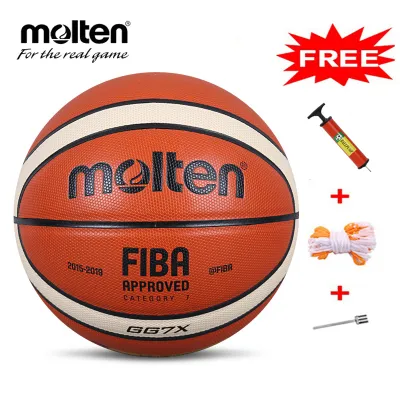
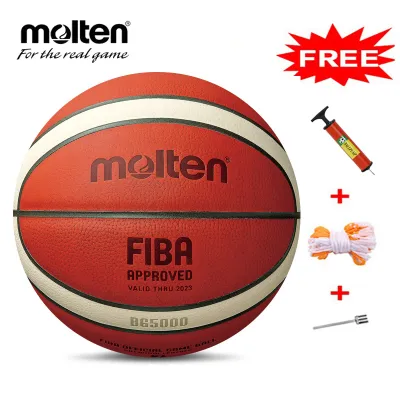
Before diving into performance tests, you must first ensure you are looking at the correct model and its official specifications. Basketball manufacturers often produce multiple tiers within a single product line, meaning a slight variation in the model number can signify a completely different cover material or bladder construction. When evaluating a ball, check the printed text on the synthetic leather panels or the official packaging to confirm it is the exact model you intend to buy, such as the BG45000 or its regional equivalent.
You can find the baseline metrics stamped directly onto the ball, usually surrounding the inflation valve. This specification label typically lists the official size, the recommended inflation pressure, and sometimes the designated court usage. Paying close attention to these details helps you avoid counterfeit products or lower-tier models that may look similar but lack the structural integrity required for competitive play.
Products mentioned in this guide
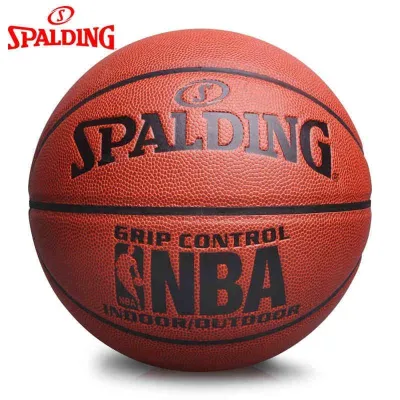
Prices are valid at publication and may change. Please refer to the product page for the latest price.
Cover Material and Texture: Matching Your Court Surface
The cover material is the most influential factor in how a basketball feels in your hands and how long it lasts. High-tier basketballs often feature composite leather covers, which are engineered to provide the soft feel of genuine leather while offering better resistance to moisture and wear. However, composite leather is highly sensitive to the playing surface. While it excels on polished indoor hardwood or smooth synthetic courts, using an indoor-designated composite ball on rough outdoor concrete or asphalt will rapidly degrade the material. The abrasive ground acts like sandpaper, quickly wearing down the outer texture and leaving you with a slick, unusable ball.

In the tropical climate of the Philippines, humidity and sweat are constant challenges during intense games. To evaluate how a ball will handle these conditions, inspect the depth of the channels and the texture of the pebbles. Deeper channels allow for better finger placement and water dispersion, while a consistent pebble pattern ensures a reliable grip even when your hands are damp. If your primary playing venue is an outdoor barangay court, verifying that the cover material is rated for outdoor or multi-court use is essential for protecting your investment.
Size, Weight, and Bounce: Aligning with League Standards
To ensure your training translates directly to game day, your basketball must match the official dimensions and weight standards of your league. Most adult men’s competitive leagues and barangay tournaments use a standard Size 7 ball, while women’s leagues and youth divisions typically require a Size 6. Using the wrong size can negatively affect your shooting mechanics and muscle memory, making it harder to adapt during official matches.
Equally important is the ball’s rebound consistency, which is governed by its internal bladder and inflation level. Always refer to the recommended inflation pressure, usually measured in pounds per square inch (PSI), printed near the valve. Over-inflating a basketball can stretch the inner carcass and cause permanent warping, while under-inflating leads to a dead bounce that disrupts dribbling. You can perform a quick physical check by dropping the inflated ball from chest height onto a hard, flat surface; it should bounce back up to approximately waist height, indicating proper inflation and a healthy inner bladder.
Testing Grip, Balance, and Flight Stability Before You Buy
If you are purchasing your basketball from a physical sporting goods store or an authorized local distributor, you have the opportunity to perform several hands-on quality checks. Start by testing the ball’s balance and symmetry. You can do this by spinning the ball on your finger or tossing it into the air with a clean backspin; a well-balanced ball will spin smoothly without any visible wobble or off-center drifting. This balance is crucial for predictable flight paths during long-range shots and passes.
Next, simulate game conditions by handling the ball with slightly damp hands. A quality composite cover should retain its tactile grip and resist becoming slippery when exposed to minor moisture. Finally, inspect the physical construction of the ball. Run your fingers along the seams to ensure the panels are perfectly aligned and flush, and check the rubber valve for any signs of debris or misalignment. These simple physical inspections help guarantee that the ball you take home is free of manufacturing defects and ready for the court.
Frequently Asked Questions (FAQ)
How should I break in a new composite leather basketball?
A new composite leather basketball can feel slightly stiff or slick right out of the box. The safest and most effective way to break it in is through regular play on its designated court surface, allowing the natural oils from your hands to gradually soften the cover. Avoid applying leather conditioners, household oils, or harsh chemical cleaners, as these substances can break down the synthetic adhesives holding the panels together and permanently ruin the grip.
Can I use an indoor Molten basketball on outdoor concrete courts?
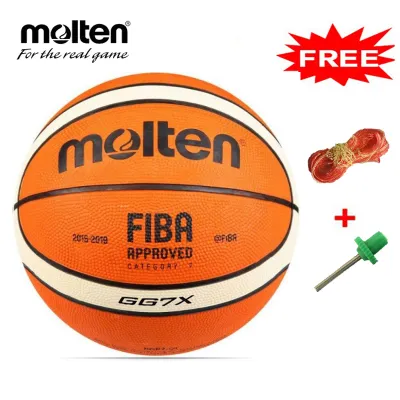
It is highly discouraged to use an indoor-designated composite basketball on rough outdoor concrete or asphalt. The abrasive nature of outdoor courts will quickly grind down the micro-pebbles and flatten the channels, severely reducing the ball’s grip and overall lifespan. If you frequently play outdoors, look for a ball specifically labeled for outdoor or indoor/outdoor use, or opt for a durable rubber model designed to withstand rough surfaces.

Community discussion
Share your experience or ask a question. Comments are reviewed before publication.