
Selecting the perfect molten volleyball ball depends entirely on where you play. Indoor courts require specialized balls designed for soft touch, precise aerodynamic flight, and optimal grip on polished hardwood or synthetic floors. Conversely, outdoor environments—ranging from sandy beaches to concrete barangay courts—demand rugged, water-resistant materials capable of surviving abrasive surfaces and unpredictable weather. Choosing the wrong model compromises your performance, leads to rapid gear deterioration, and increases the risk of physical discomfort.
Why Playing Surface Dictates Your Volleyball Choice
The physical interaction between a volleyball and the court determines how the ball bounces, wears, and responds to player contact. Indoor gymnasiums feature highly polished hardwood or specialized synthetic floors. These surfaces are clean, dry, and uniform, allowing manufacturers to focus on maximizing the ball’s aerodynamic stability and the player’s tactile control. Because indoor balls do not need to withstand rough friction, they are constructed with soft, premium microfiber or synthetic leather covers wrapped around a delicate, multi-layered internal bladder.
Outdoor environments present entirely different physical challenges. Whether you are playing on the sandy shores of a coastal province, a grassy park, or a rough concrete court, the ball faces constant exposure to abrasive debris, moisture, wind, and intense sunlight. Sand can easily wedge into deep seams, while concrete acts like sandpaper on delicate leather covers. Additionally, tropical humidity and sudden rain showers can quickly waterlog standard indoor materials, making the ball heavy, misshapen, and painful to hit.
Products mentioned in this guide
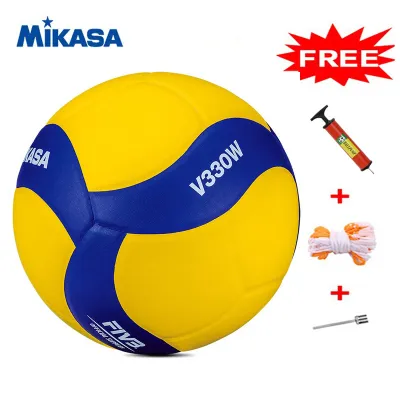
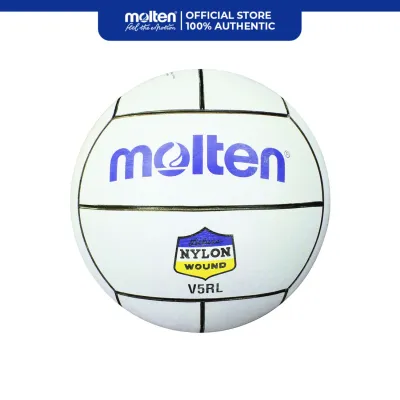
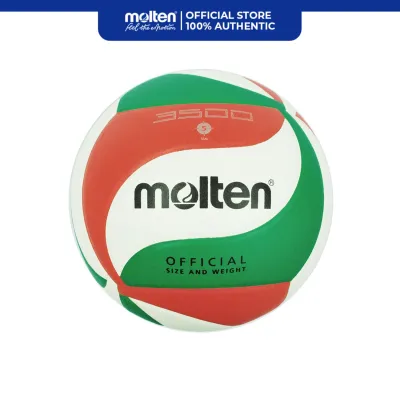
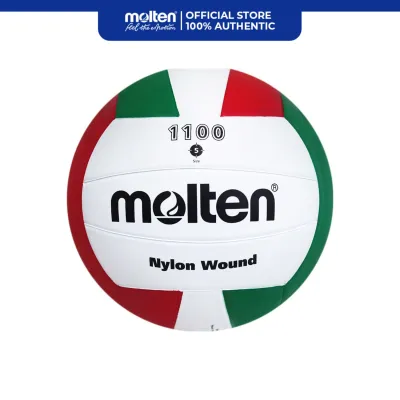
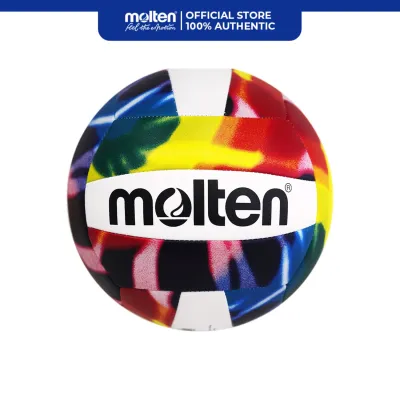
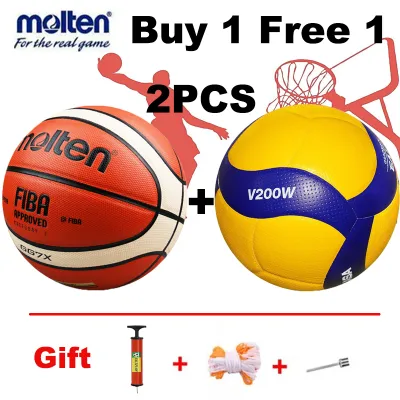
Prices are valid at publication and may change. Please refer to the product page for the latest price.
Matching the ball’s engineering to the court surface is essential for both your budget and your physical well-being. A ball designed for the smooth indoor court will quickly scuff, peel, and lose its structural integrity if subjected to concrete or sand. On the other hand, using a hard, weather-resistant outdoor ball on an indoor court can cause unnecessary strain on your wrists and forearms. Understanding these structural differences ensures you invest in a model that performs consistently and lasts for multiple seasons.
Selecting a Molten Volleyball for Indoor Courts
Indoor volleyball is a game of high precision, rapid sets, and powerful spikes, meaning the ball must offer reliable flight characteristics and a predictable bounce. When browsing for an indoor molten volleyball ball, look for models that prioritize a soft touch and advanced aerodynamic design. Premium indoor models feature specialized surface textures, such as hexagonal patterns or dimples, which are engineered to control the boundary layer of air around the ball during flight. This technology minimizes the erratic knuckling effect, allowing setters and servers to execute precise plays.

To identify a genuine indoor model, check the product specifications for materials like premium synthetic microfiber leather. Molten’s premier indoor designs often utilize their proprietary FLISTATEC® (Flight Stability Technology) or similar multi-panel configurations. These balls feature a flat-panel seam structure that keeps the surface uniform, ensuring that no matter where you strike the ball, the response remains consistent. The internal construction typically includes a nylon-wound butyl bladder, which retains air pressure exceptionally well during intense, high-impact indoor matches.
Before making a purchase, use this quick checklist to verify the ball’s indoor suitability:
- Indoor Designation: Check the packaging or product description for the explicit "Indoor" label.
- Material Composition: Verify that the outer cover is made of premium synthetic leather or microfiber rather than polyurethane or rubber.
- Competition Stamps: Look for official competition stamps, which indicate the ball meets strict weight and size regulations for indoor play.
- Surface Texture: Confirm that the surface texture features the flat-panel or specialized dimpled pattern designed for aerodynamic stability.
Keep in mind that these high-end indoor models are highly sensitive to environmental factors. The premium microfiber covers are designed to absorb a small amount of hand sweat to maintain grip, but they cannot handle outdoor moisture, dirt, or rough concrete. Exposing an indoor ball to these elements will ruin the outer texture and compromise the adhesive holding the panels together, leading to premature failure.
Choosing a Molten Volleyball for Outdoor and Beach Environments
Outdoor volleyball in the Philippines demands gear that can withstand intense tropical heat, high humidity, sand, and rough concrete surfaces. When selecting an outdoor or beach molten volleyball ball, durability and weather resistance must be your top priorities. Unlike indoor models, outdoor balls are engineered to repel water and resist UV damage from prolonged exposure to direct sunlight. This ensures the ball remains light, retains its correct shape, and does not fade or degrade after hours of play under the sun.
To identify a suitable outdoor model, look for specific labels such as “Outdoor,” “Beach,” or “All-Weather” on the packaging. These balls are typically constructed with durable synthetic polyurethane (PU) covers or rugged rubber. For beach volleyball, models with machine-stitched or reinforced seams are preferred over laminated panels. Stitched seams prevent sand grains and water from entering the inner layers of the ball, maintaining its weight and preventing the internal bladder from rotting or losing air.
Visibility is another crucial factor when playing outdoors. Bright, contrasting color panels—such as combinations of blue, yellow, white, or neon green—help players track the ball easily against complex outdoor backgrounds like bright skies, green trees, or sandy beaches. Additionally, outdoor models often feature enhanced puncture resistance to survive accidental contact with sharp rocks, twigs, or fences surrounding outdoor courts.
When buying an outdoor ball, verify that the material composition matches your specific playing surface. If you play primarily on rough concrete barangay courts, a heavy-duty rubber model is the most practical choice, as it offers maximum resistance to abrasion. For sand or grass play, a stitched synthetic leather beach model provides a better balance of soft touch and weather resistance, ensuring comfortable play during long weekend tournaments.
The Risks of Mixing Indoor and Outdoor Volleyballs
Using an indoor volleyball on an outdoor surface is a costly mistake that will quickly destroy your equipment. The delicate microfiber cover of an indoor model is highly susceptible to scuffs and tears when it contacts concrete or gravel. Once the outer protective layer is punctured, the panels will begin to peel away from the bladder. Furthermore, if an indoor ball is exposed to wet sand or puddles, the microfiber material will absorb water, significantly increasing the ball’s weight and making it dangerously heavy to set or spike.
Conversely, using an outdoor volleyball for indoor games presents its own set of challenges and safety risks. Outdoor balls, especially those made of thick rubber or heavy synthetic materials, are designed to be denser to combat outdoor wind. Indoors, this extra density makes the ball feel incredibly hard upon impact. For beginners or younger players, passing a heavy outdoor ball can lead to severe forearm bruising, wrist strain, and a generally unpleasant playing experience. Additionally, outdoor balls lack the aerodynamic paneling required for the precise, stable flight paths expected on indoor hardwood courts.
The verdict is clear: you should avoid mixing indoor and outdoor balls for competitive or regular training sessions. If your budget only allows for a single ball and you play casually across both environments, look for entry-level, multi-purpose rubber models. While these versatile options will not offer the professional feel, soft touch, or perfect flight stability of specialized models, they provide a durable compromise that can handle concrete without instantly falling apart.
How to Verify Authenticity and Specifications When Buying
The popularity of Molten sports equipment has unfortunately led to a high volume of counterfeit products in online marketplaces and physical stores. Purchasing a fake molten volleyball ball carries several risks, including poor bladder air retention, uneven weight distribution, off-center seams, and the use of low-quality, potentially toxic materials. To ensure you are getting a genuine product that performs safely and matches official specifications, you must perform a few critical checks before completing your purchase.
Start by inspecting the overall build quality and packaging of the ball. Genuine Molten balls feature perfectly aligned, crisp printing with no smudges, spelling errors, or blurry logos. Examine the valve area closely; authentic models have clean, centered valve placement, whereas counterfeits often exhibit messy glue residue or misaligned rubber around the inflation port. Many genuine models also come with authentic holographic security stickers or unique serial numbers on the packaging that you can verify.
For competition-grade models, look for official certification marks printed directly on the ball, such as “FIVB Approved” or “FIVB Inspected.” You can cross-reference these certifications by checking the official FIVB or manufacturer website to confirm if the specific model number is listed. If a seller claims a ball is a professional-grade model but lacks these markings, or if the price is suspiciously low compared to authorized retailers, it is highly likely a counterfeit.
To guarantee authenticity, always purchase your volleyball gear from authorized sporting goods retailers, official brand flagship stores, or highly rated, verified sellers on major sports equipment platforms. Avoid purchasing from unverified third-party merchants who offer premium models at a fraction of the standard retail price. Investing in a genuine ball ensures you receive the safety, performance, and durability that the manufacturer engineered into the product.
Essential Care and Maintenance for Your Molten Volleyball
Proper maintenance is key to extending the lifespan of your volleyball, especially in hot and humid tropical climates. To keep your ball in peak playing condition, establish a regular care routine starting with proper inflation. Always use a pump equipped with a reliable pressure gauge, and lubricate the pump needle with a drop of glycerin or soapy water before inserting it into the valve. Check the recommended inflation pressure (typically measured in PSI or bar) printed directly around the ball’s valve, and avoid over-inflating, which stretches the seams and can warp the bladder.
Cleaning methods should be tailored to the specific type of ball and the environment in which it was used:
- Indoor Volleyballs: After each session, wipe the surface with a soft, slightly damp cloth to remove sweat, dust, and floor oils. Avoid soaking the ball or using harsh chemical cleaners, as these can degrade the synthetic leather and dissolve the panel adhesives.
- Outdoor and Beach Volleyballs: Rinse the ball with clean, fresh water after play to remove sand, dirt, and salt. Use a soft sponge if necessary, but never use abrasive brushes. Allow the ball to air-dry completely in a shaded, well-ventilated area before storing it.
Store your volleyball in a cool, dry place away from direct sunlight, extreme heat, or damp environments, as prolonged exposure to heat can cause the air inside the bladder to expand and weaken the seams. If you plan to store the ball for an extended period, such as during the off-season, let out a small amount of air to relieve constant tension on the internal bladder and outer stitching.
Frequently Asked Questions (FAQ)
What is the standard size and weight for an adult Molten volleyball?
Standard adult volleyballs, designated as Size 5, generally feature a circumference of 65 to 67 centimeters and a weight range of 260 to 280 grams. These specifications are standard for official indoor and beach volleyball competitions. Always check the product label before buying, as youth models are lighter and smaller to accommodate developing players, while specific beach models may have slightly different pressure requirements.
How do I know if my Molten volleyball needs replacing?
You should replace your volleyball if you observe clear signs of physical degradation, such as peeling or flaking of the outer cover, visible seam separation, or a lopsided, misshapen structure when fully inflated. Another major indicator is air leakage; if the ball cannot hold its recommended pressure over a 24-hour period, the internal bladder is likely damaged. Finally, if the ball feels excessively hard or causes physical pain during normal play despite being inflated to the correct PSI, it has reached the end of its useful lifespan and should be retired.
Community discussion
Share your experience or ask a question. Comments are reviewed before publication.