
Choosing the right buoy for boat setups depends entirely on whether you need to secure your vessel in open water, protect its hull from impact, or signal your presence to other boaters. A mooring buoy anchors your boat in place, a fender buoy cushions it against docks or other vessels, and a safety buoy ensures visibility and compliance. Matching the correct gear to your specific watercraft and local tropical conditions prevents costly hull damage and keeps you compliant with maritime safety guidelines.
Quick Diagnostic: Identifying Your Primary Buoy Requirement
To determine your immediate equipment needs, start by evaluating where your watercraft spends most of its time. If you leave your boat unattended in a bay or near a shoreline reef, your primary requirement is a secure anchoring point that keeps the vessel from drifting. Conversely, if you frequently tie up at a concrete pier, navigate tight marina slips, or raft up alongside other boaters, your immediate concern is preventing physical impact. For those engaging in active water sports, diving, or navigating high-traffic channels, visibility and hazard marking become the top priorities.
Signs that your current setup is inadequate often manifest as physical wear or close calls on the water. You might notice fresh gelcoat scuffs, black rubber marks, or structural dings along your boat’s gunwale, indicating that your current fenders are either too small or improperly positioned. If your vessel drags its anchor during sudden tropical afternoon squalls, your anchoring system lacks the necessary holding power or proper mooring hardware. Low visibility in choppy waters or high-traffic zones can also lead to near-misses, signaling a critical need for highly visible marker buoys.
Products mentioned in this guide
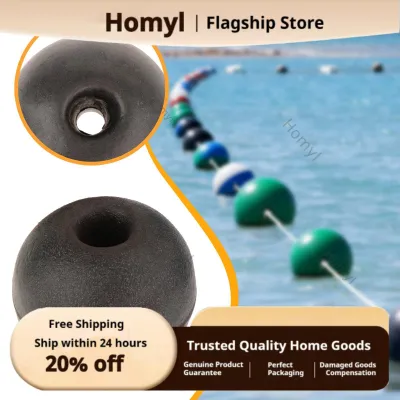
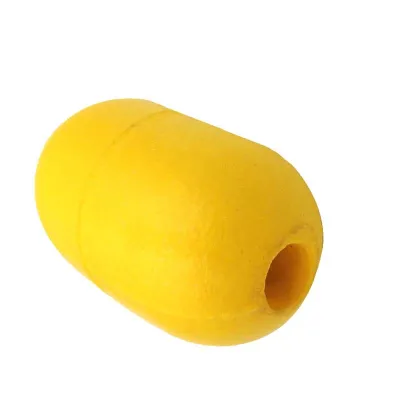
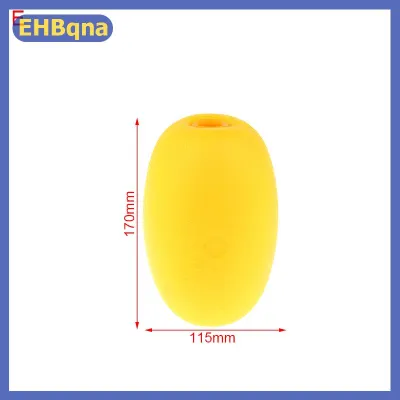
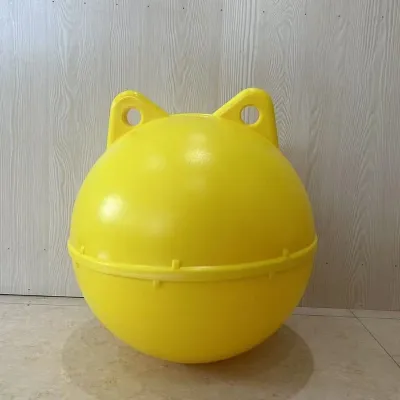
Prices are valid at publication and may change. Please refer to the product page for the latest price.
Many boating scenarios in tropical environments require a combination of these buoy types simultaneously. For instance, when mooring a motorized skiff near a shallow reef to go snorkeling, you will need a robust mooring buoy to hold the vessel, fenders to protect the hull if another boat ties alongside, and a highly visible safety marker to alert passing motorized craft of swimmers in the water. Assessing these overlapping needs before heading out ensures you carry the correct gear for every outing.
Mooring Buoys: Securing Your Vessel in Place
Mooring buoys serve as semi-permanent anchoring points, allowing you to secure your watercraft in deep water without deploying your onboard anchor. This setup is particularly useful in areas with sensitive marine environments, such as shallow coral reefs or seagrass beds, where dropping a traditional metal anchor could cause severe ecological damage. By securing your boat to a designated mooring buoy, you keep the hull safely positioned away from shallow hazards while minimizing your impact on the seabed.

When selecting a mooring buoy for boat security, you must verify several key dimensions on the product label to ensure it can handle the physical forces of your vessel. The buoyancy rating, typically measured in terms of maximum weight support, must exceed the combined weight of your mooring chain and hardware. Additionally, look for heavy-duty materials with high UV resistance, such as marine-grade polyethylene, which can withstand intense tropical sunlight and high humidity without cracking. The buoy must also feature a heavy-duty steel rod or a reinforced center hole compatible with your specific mooring line and shackle sizes.
Before deploying or tying off to any mooring buoy, you must perform essential environmental and regulatory checks. Verify local port authority or municipal regulations, as many coastal areas in the Philippines have strict rules regarding who can install or use permanent moorings. Assess the local water depth, tidal range, and current strength at your chosen location. Strong currents and high tides increase the load on the mooring line, requiring a higher buoyancy rating and a more robust anchor chain setup to prevent the buoy from being submerged or dragged under.
Fender Buoys: Preventing Hull and Dock Damage
Fender buoys act as the primary shield between your boat’s hull and solid structures like concrete docks, wooden pilings, or other watercraft. If you regularly observe scuff marks along your freeboard, experience tight fits in crowded marina slips, or enjoy rafting up with other boaters in calm coves, you require a dedicated set of fenders. Without adequate cushioning, the constant motion of waves and tides will cause abrasive wear, chipping your gelcoat or damaging the underlying fiberglass.
Selecting the right fender requires matching its physical dimensions to your boat’s weight, freeboard height, and the specific dock structures you encounter. As a general rule, larger and heavier vessels require thicker, high-volume cylindrical or round fenders to absorb greater impact forces. The freeboard height—the distance from the waterline to the deck—determines the length of the fender needed to prevent the boat from slipping underneath the dock edge. For floating docks, cylindrical fenders hung vertically work well, while fixed pilings often require round buoys or horizontally hung fenders to maintain protection as the tide rises and falls.
Proper placement and routine maintenance are critical to ensuring your fenders perform reliably when needed. Inspect the inflation valves regularly, as temperature fluctuations in tropical climates can cause air pressure to drop, rendering the fenders too soft to absorb impacts. Adjust your line lengths so the widest part of the fender rests exactly at the point of contact between the hull and the dock. Finally, check the material regularly for signs of degradation, such as stickiness, hardening, or cracking caused by prolonged exposure to salt water and intense sunlight.
Safety and Marker Buoys: Ensuring Visibility and Compliance
Safety and marker buoys are designed to communicate vital information to other boaters, mark specific underwater activities, and highlight potential hazards. These buoys are essential when towing wakeboarders, marking a dive site, or indicating submerged rocks and shallow sandbars that could damage a passing vessel. In emergency situations, highly visible safety buoys can also serve as temporary flotation aids or markers to assist search and rescue operations in open water.
To ensure these buoys serve their purpose effectively, they must meet strict visibility and design standards. Look for bright, high-visibility colors such as international orange, fluorescent yellow, or bright red, which stand out clearly against blue and green water. Many safety buoys feature reflective tape to improve visibility during low-light conditions, such as dawn, dusk, or heavy tropical downpours. If you are using the buoy for diving operations, ensure it includes a secure flag attachment point to display the standard red-and-white or blue-and-white diver-down flag.
While safety buoys are invaluable for visibility and navigation, they have distinct operational limitations. A safety or marker buoy is never a substitute for personal flotation devices (PFDs), life jackets, or primary life-saving gear required by maritime law. These buoys are designed to signal positions and mark hazards, not to support the weight of a person in the water for extended periods. Always ensure every passenger on your watercraft has access to a certified PFD, regardless of how many safety buoys you carry on board.
Matching the Buoy to Your Specific Watercraft
The ideal buoy setup varies significantly depending on the size, material, and propulsion of your watercraft. For small, human-powered vessels like kayaks and stand-up paddleboards (SUPs), heavy cylindrical fenders are impractical and add unnecessary weight. Instead, prioritize lightweight, compact safety and marker buoys that can be easily stowed or towed behind you. These buoys should feature low-drag profiles to minimize resistance as you paddle through calm coastal waters or mangrove channels.
Inflatable boats, including rigid inflatable boats (RIBs) and inflatable kayaks, require a different approach to protection and mooring. Because the tubes of inflatable boats are susceptible to punctures from sharp barnacles or rough dock edges, selecting soft, non-abrasive fenders is essential. Look for fenders made from smooth, marine-grade vinyl that will not scratch or wear down the inflatable material. Additionally, check the valve compatibility and attachment points on your inflatable boat to ensure they can handle the tension of mooring lines without tearing the fabric.
Motorized skiffs, pontoons, and larger recreational boats demand heavier-duty gear due to their greater displacement and wind resistance. For these vessels, evaluate robust mooring buoys with high buoyancy ratings that can withstand the pulling force of a heavier hull in rough chop. Cylindrical fenders with reinforced eyelets at both ends are ideal for these boats, allowing you to hang them vertically or horizontally depending on the dock configuration. Always calculate your vessel’s total displacement and wind profile when choosing the size and quantity of your protective fenders.
Frequently Asked Questions (FAQ)
Can I use a fender buoy as a temporary mooring buoy?
No, you should not use a fender buoy as a temporary mooring buoy. Fender buoys are designed to cushion impacts and are typically air-filled with thin walls, whereas true mooring buoys feature heavy-duty, often foam-filled construction designed to support heavy loads. Using a fender for mooring risks crushing the buoy under the tension of the mooring line, leading to air loss and causing your boat to drift. Additionally, fenders lack the reinforced steel hardware required to secure mooring chains safely without chafing or breaking.
How do I clean and store my boat buoys after use?
To extend the lifespan of your marine vinyl or PVC buoys, rinse them thoroughly with fresh water after every outing to remove salt, sand, and algae. Avoid using harsh chemical solvents or abrasive scrubbers, which can degrade the UV-resistant coating and weaken the material. Once clean, allow the buoys to dry completely in a shaded area. Store them in a cool, dry location away from direct sunlight and extreme heat to prevent warping, material degradation, and premature valve failure during the off-season.
Are there specific buoy colors required for diving or towing?
Yes, maritime safety conventions dictate specific colors and markings for diving and towing activities to ensure clear communication on the water. For diving, a bright red buoy with a white diagonal stripe (the diver-down flag) or a blue-and-white alpha flag is standard to warn nearby vessels to keep their distance. Towing and hazard markers typically utilize bright orange or yellow to maximize visibility. Always verify the exact color and marking requirements with your local maritime authority to ensure full compliance with regional safety regulations.
Community discussion
Share your experience or ask a question. Comments are reviewed before publication.