
Choosing between a mountain bike (MTB) and a road bottle cage comes down to balancing secure bottle retention against quick, effortless access. While both types of cages serve the same fundamental purpose of holding your hydration, they are engineered for vastly different riding environments. A mountain bike cage prioritizes keeping your bottle locked in place over violent roots, rock gardens, and drops, whereas a road bike cage focuses on aerodynamic efficiency, minimal weight, and smooth, high-speed extraction. Understanding these differences ensures you do not lose your hydration on a rough trail or struggle to pull your bottle free during a fast group ride.
Design and Retention Mechanisms
The physical architecture of a bottle cage dictates how tightly it grips your water bottle and how easily you can pull it out while riding. Mountain bike cages are designed with high-wrap profiles that encircle a larger percentage of the bottle’s circumference. Many MTB-specific designs feature pronounced top tabs or deeper hooks that catch the neck groove of standard cycling bottles, preventing vertical ejection during sudden, sharp impacts. Additionally, the inner surfaces of these cages often incorporate textured finishes or rubberized friction pads to increase grip, ensuring the bottle remains secure even when coated in mud, dust, or trail debris.
In contrast, road bottle cages feature shallower, more open profiles that allow for quick, low-effort bottle extraction and insertion. Because road cycling typically involves riding on smooth pavement, these cages do not require aggressive wrap-around arms or high-tension retention tabs. Instead, they are engineered to let you slide the bottle out at a slight angle with minimal resistance, which is crucial when riding in a dropped aerodynamic position or traveling at high speeds in a tight paceline. The interior of a road cage is generally smooth, reducing friction so that the bottle glides in and out effortlessly.
Products mentioned in this guide
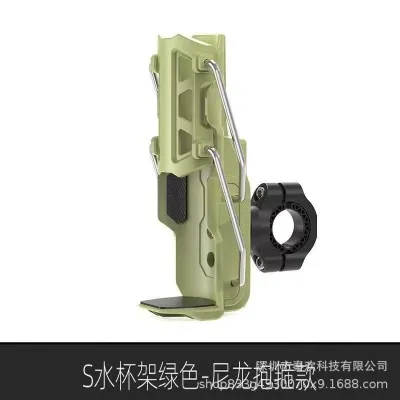
31 Lazada user ratings
Universal compatibility, Perfect for MTB and road bikes, Perfect for MTB and road bikes, High quality assurance, High quality assurance, Fas…Read full reviewShow less
Universal compatibility, Perfect for MTB and road bikes, Perfect for MTB and road bikes, High quality assurance, High quality assurance, Fast shipping from Philippines, Fast shipping from Philippines, Good packaging quality, Good packaging quality, Durable engineering plastic, Durable engineering plastic,
🔨Durability:10 🔌Compatibility:10 🛠️Ease of Installation:10Secure bottle retention, maganda sana pala ganito din ang binili ko sa bike ko at s…Read full reviewShow less
🔨Durability:10 🔌Compatibility:10 🛠️Ease of Installation:10Secure bottle retention, maganda sana pala ganito din ang binili ko sa bike ko at sa sa kong anak. thank you sa seller at sa lazada.
Got it.. Medyo yupi yupi na kahon akala ako may damage pero ok naman kumpleto parts... Maganda naman kahit na black sana gusto ko.. Tyamba s…Read full reviewShow less
Got it.. Medyo yupi yupi na kahon akala ako may damage pero ok naman kumpleto parts... Maganda naman kahit na black sana gusto ko.. Tyamba sa presyo.. Salamat salamat seller
Adjustable handlebar fit,
Putol yung parts no good
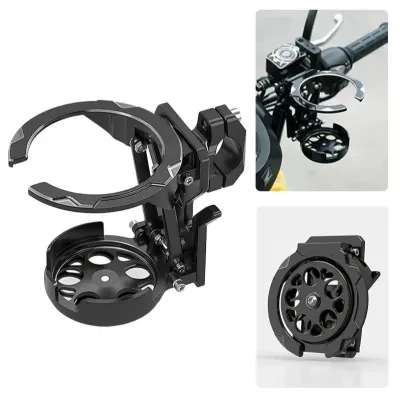
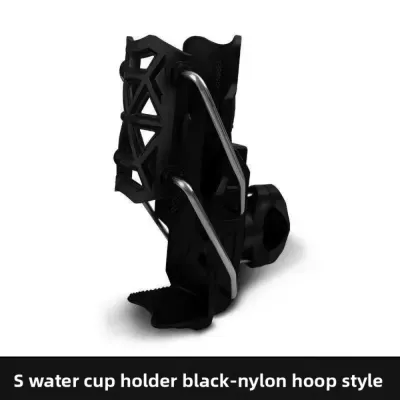
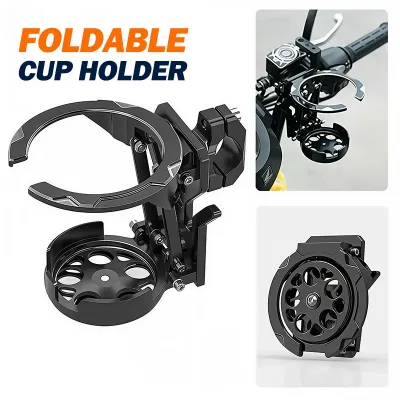
Prices are valid at publication and may change. Please refer to the product page for the latest price.
This structural divergence highlights a fundamental trade-off in cycling gear design: security versus accessibility. A cage that offers maximum retention on unpredictable terrain will naturally require more physical effort to pull the bottle free, which can be distracting when riding at high speeds on the road. Conversely, a cage designed for effortless, high-speed road access is highly likely to drop a bottle when subjected to the continuous vibrations and heavy landings of off-road trail riding. Selecting the correct design requires evaluating your typical riding surfaces to determine whether you need the relentless grip of an off-road cage or the streamlined convenience of a road-specific model.
Materials and Weight Trade-offs
The materials used to construct bottle cages directly influence their weight, durability, flexibility, and how they interact with your water bottles over time. Reinforced plastics and nylon composites are highly popular in mountain biking due to their exceptional impact resistance and structural flexibility. These composite materials can bend and flex during a crash or when brushed against trailside obstacles, returning to their original shape without snapping. Furthermore, nylon and plastic cages provide a secure, dampening grip on the bottle, and their relative softness means they are less likely to scratch or scuff plastic water bottles during repeated use.

Aluminum alloys represent a traditional and highly reliable option, frequently utilized in both road and budget-friendly cycling setups. Aluminum cages offer an excellent balance of light weight and structural stiffness, and they can often be gently bent by hand to adjust the grip tension on your bottle. However, aluminum is susceptible to permanent deformation if subjected to hard rock strikes or the rough handling common in aggressive trail riding. Once bent out of shape, an alloy cage may lose its retention capabilities, and the hard metal surface can quickly scuff the exterior graphics of your water bottles.
Carbon fiber is the premium material of choice for road cyclists who prioritize absolute weight savings and high structural stiffness. A carbon fiber road cage can weigh a fraction of a standard alloy or plastic cage, helping to minimize the static weight of the bicycle. However, carbon fiber is a brittle material that does not tolerate sharp, direct impacts well, making it less suitable for aggressive mountain biking where rock strikes are common. Additionally, carbon fiber cages are molded into rigid shapes that offer virtually no flexibility, meaning they cannot be adjusted to accommodate slightly oversized or undersized bottles.
When comparing these materials, riders must also consider the long-term wear on their gear. Harder materials like carbon fiber and aluminum can act as abrasives against plastic water bottles, especially when fine road grit or trail dust gets trapped between the bottle and the cage. Over time, this friction can wear down the bottle’s outer walls and leave unsightly scratches. Soft composite and nylon cages tend to be much gentler on bottles, absorbing vibrations and distributing pressure more evenly, which helps preserve both the cage and the bottle over seasons of heavy use.
Frame Geometry and Mounting Constraints
Beyond retention and material properties, the physical geometry of your bicycle frame plays a decisive role in determining which bottle cage will actually fit and function correctly. Mountain bike frames, particularly modern full-suspension models, present significant spatial challenges due to the presence of rear shock reservoirs, linkage pivots, and highly sloped top tubes. These design elements drastically reduce the available space within the front triangle, making it difficult to slide a standard water bottle vertically out of a traditional cage. To overcome these tight clearances, many mountain bikers rely on side-loading cages, which allow the bottle to be inserted and removed from the side.
Road bike frames generally feature larger, more traditional double-triangle geometries that easily accommodate standard, top-loading bottle cages on both the seat tube and the down tube. However, road cyclists must still navigate specific mounting constraints, such as aerodynamic tube profiles and integration with other accessories. Modern aerodynamic road frames often feature flattened or recessed mounting areas designed to tuck the bottle cage close to the frame to minimize wind resistance. Additionally, road riders must ensure that their chosen cages do not interfere with front derailleur bands, deep-section frame tubes, or integrated frame storage compartments.
Before purchasing any bottle cage, it is essential to perform a series of physical checks on your specific bicycle frame. Start by verifying the standard bolt spacing on your frame’s bottle bosses, which is typically 64 millimeters, though some specialized frames may feature adjustable mounting tracks. Next, measure the available clearance inside your frame triangle, taking into account the height of your preferred water bottle size to ensure it will not strike the top tube or rear suspension components. Checking these dimensions beforehand prevents the frustration of purchasing a high-performance cage only to find that your bottle cannot be physically extracted from the frame.
Choosing the Right Cage for Your Riding Style
Selecting the ideal bottle cage requires a clear understanding of your primary riding environment, your equipment setup, and your personal priorities on the bike. If your rides consist of navigating rocky singletrack, descending steep trails, or riding over unpredictable off-road terrain, a dedicated mountain bike cage is the most reliable choice. These cages prioritize maximum bottle security, utilizing robust wrap-around designs and high-tension materials to ensure your hydration stays attached to your bike, even during hard landings. For these disciplines, the minor weight penalty of a reinforced composite cage is a worthwhile trade-off for the peace of mind that comes with secure retention.
Conversely, if your cycling is focused on smooth pavement, long-distance road routes, or high-speed group rides, a road-specific bottle cage is highly advantageous. These cages are optimized for quick, fluid bottle access, allowing you to hydrate efficiently without breaking your riding rhythm or taking your eyes off the road ahead. They also cater to weight-conscious riders who want to minimize static weight on climbs, offering streamlined profiles that complement the clean aesthetics of modern road bikes.
For gravel riding, mixed-surface adventures, and hybrid cycling, the decision becomes a matter of balancing both worlds. Gravel paths can range from smooth dirt roads to rough, corrugated fire trails, meaning you may need a hybrid approach. Many gravel riders opt for reinforced road cages that offer slightly higher grip tension, or lightweight mountain bike cages that provide a middle ground between secure retention and easy access. If you frequently transition between smooth asphalt and bumpy gravel paths, look for cages made from resilient materials like titanium or high-strength composites that offer a naturally secure grip.
Regardless of the discipline you choose, always verify your equipment compatibility before finalizing your setup. Check that the cage’s mounting holes align perfectly with your frame’s bosses, and test the fit with your preferred water bottles to ensure a snug, rattle-free connection. If you ride a compact frame or a full-suspension mountain bike, prioritize side-loading configurations to guarantee you can easily access your water while on the move. Matching your cage to your specific frame geometry and riding conditions will ensure a seamless, hassle-free hydration experience on every ride.
Frequently Asked Questions (FAQ)
Can I use a road bottle cage on a mountain bike?
While you can physically mount a road bottle cage onto a mountain bike using the standard frame bolts, doing so is generally not recommended for trail riding. Road cages lack the intense grip tension and deep wrap-around design required to keep a heavy, water-filled bottle secure when subjected to the violent vibrations and sudden impacts of off-road terrain. If you attempt to use a standard road cage on rough trails, you are highly likely to experience bottle ejections, which can lose your hydration and create a safety hazard. However, using a road cage on a mountain bike may be perfectly acceptable if you are using the bike for casual commuting on paved roads or smooth gravel paths in the Philippines where significant bumps are rare.
Do carbon fiber bottle cages fit all bottle sizes?
Carbon fiber bottle cages are typically molded into rigid, non-adjustable shapes designed specifically for standard cycling bottles, which generally have a diameter of 73 to 74 millimeters. Because carbon fiber does not possess the natural elasticity of nylon composites or aluminum, these cages cannot expand to accommodate oversized bottles or contract to grip narrower, non-standard bottles securely. If you attempt to force an oversized bottle into a rigid carbon cage, you risk cracking the carbon structure. To ensure a secure, rattle-free fit without damaging your premium gear, always verify that your water bottles match the standard diameter specifications of your carbon cage before riding.
Community discussion
Share your experience or ask a question. Comments are reviewed before publication.