
Quick Answer: Is the MTP Everest the Best Budget Choice?
The MTP Everest is a highly accessible, entry-level bicycle designed primarily for budget-conscious riders. If your goal is to find an affordable set of wheels for daily commuting, running quick errands, or enjoying casual weekend rides on paved roads, this bike offers exceptional upfront value. In the Philippine market, where it typically sits in the highly competitive sub-₱8,000 price bracket, its primary advantages are its low initial cost and widespread availability in local neighborhood bike shops.
However, the MTP Everest may not be the absolute best choice if you are willing to spend slightly more for long-term durability. While it serves as an excellent entry point into cycling, it often loses to slightly pricier competitors when it comes to frame weight, component longevity, and shifting precision. If you require a lightweight aluminum frame for easier carrying or need highly reliable branded components for frequent, long-distance riding, saving up for a slightly higher-tier model is generally the wiser decision.
Key Specifications to Compare in the Entry-Level Class
When shopping for a budget bicycle, looking beyond the brand name and sticker price is essential. Manufacturers in the entry-level segment frequently update their component suppliers between production batches based on parts availability. This means two bikes bearing the same model name could have slightly different derailleurs, brakes, or tires. To make an informed comparison, you must learn to read the specification sheet and inspect the physical bike on the shop floor.
Products mentioned in this guide
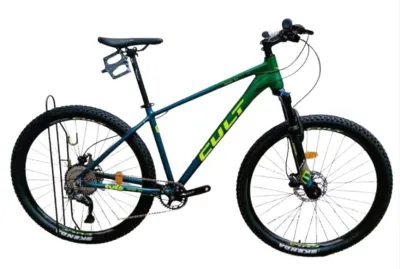
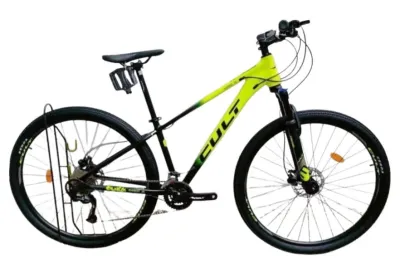
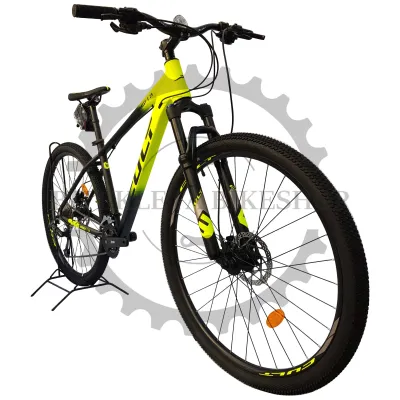
Prices are valid at publication and may change. Please refer to the product page for the latest price.

Evaluating these technical details yourself prevents you from relying on marketing buzzwords. By focusing on the actual materials and component brands, you can easily determine whether the MTP Everest or a competing model offers genuine value for your hard-earned money.
Frame Material and Weight
In the budget bicycle tier, the battle is almost always between high-tensile steel and aluminum alloy. High-tensile steel frames are incredibly durable, highly resistant to catastrophic impacts, and cheap to manufacture. However, they are significantly heavier than their aluminum counterparts, meaning you will have to exert much more physical effort when pedaling uphill or carrying the bike up pedestrian footbridges and MRT stairs.
Furthermore, steel is highly susceptible to rust. In the humid, tropical climate of the Philippines, where coastal air and heavy monsoon rains are constant factors, any chipped paint on a steel frame can quickly lead to corrosion if left untreated. Aluminum alloy frames (typically labeled as 6061 alloy) are lighter, stiffer, and naturally resistant to rust. When comparing the MTP Everest to other options, always verify the frame material of the specific batch you are looking at, as a lighter aluminum frame is almost always worth a small price premium.
Drivetrain and Shifting Reliability
Your bike’s drivetrain determines how efficiently your pedaling power translates into forward motion. In this price range, you will generally encounter two types of gear shifters: grip shifts (which you twist like a motorcycle throttle) and thumb/trigger shifters. Trigger shifters are highly recommended for beginners because they provide distinct, tactile clicks that make it much easier to select the correct gear without looking down.
Beyond the shifter style, pay close attention to the brand of the front and rear derailleurs. Branded entry-level components from manufacturers like Shimano (such as the Tourney series) or MicroSHIFT offer predictable shifting performance and are relatively easy to tune. Unbranded or generic imitation derailleurs, which are common on ultra-budget bikes, tend to lose their alignment quickly. This leads to skipped gears, chain drops, and frequent trips to the bike mechanic. Choosing a bike with basic branded drivetrain parts will save you significant frustration and maintenance costs over time.
Braking Performance in Wet Conditions
Stopping power is your most critical safety feature, especially when navigating busy city streets during a sudden tropical downpour. Entry-level bikes generally feature either traditional rim brakes (V-brakes) or mechanical disc brakes. V-brakes are lightweight, simple to adjust, and very cheap to replace, but they lose a substantial amount of their stopping power when the wheel rims become wet, muddy, or slightly out of true.
Mechanical disc brakes utilize a steel rotor mounted to the wheel hub, keeping the braking surface much further away from road grime and water. This design provides far more consistent and reliable stopping power in wet weather. If your daily commute involves riding through rain or on poorly drained roads, prioritize a bike equipped with functional mechanical disc brakes. Always check that the brake calipers on your chosen bike are properly aligned and do not rub against the rotor when the wheel spins.
MTP Everest: Market Positioning and Practical Use Cases
The MTP Everest is built to serve as a practical utility vehicle. Although its styling mimics the aggressive look of an off-road mountain bike—complete with knobby tires and a front suspension fork—it is structurally designed for pavement and light recreational use. Understanding this distinction is key to setting realistic expectations for your ownership experience.
For daily commuting in urban areas, the bike performs admirably. Its upright riding geometry keeps your head up, allowing you to maintain excellent visibility in traffic. The basic front suspension fork, though lacking advanced adjustments like a lockout lever, does a decent job of absorbing vibrations from cracked asphalt, speed bumps, and minor potholes. The wide tires also provide a reassuring contact patch on slippery or uneven road surfaces.
However, budget bike ownership requires a hands-on approach. To keep manufacturing costs low, stock contact points like the saddle and handlebar grips on the MTP Everest are often basic and firm. If you plan on riding for more than thirty minutes at a time, you will likely want to allocate a small portion of your budget for aftermarket upgrades, such as a more cushioned saddle or ergonomic lock-on grips.
Additionally, budget components require more frequent inspection and minor adjustments than high-end gear. Cables will stretch, and bolts can vibrate loose over time. Because of this, it is highly recommended to purchase your bike from a reputable local bike shop rather than ordering a completely unassembled box online. A local shop will properly assemble the bike, tension the wheel spokes, tune the brakes and gears, and often provide a period of free safety check-ups and adjustments.
MTP Everest vs. The Competition: Where It Wins and Loses
When placed side-by-side with other budget-friendly options in local bike shops, the MTP Everest presents a distinct set of trade-offs. Its most obvious victory is on price. It is frequently one of the least expensive options available, making cycling accessible to those who might otherwise be priced out of the activity. If your primary decision metric is the absolute lowest upfront cost for a functional bicycle, the MTP Everest is incredibly difficult to beat.
Where it often struggles against the competition is in the overall refinement of its build. In the ₱5,000 to ₱10,000 price range, some competing brands manage to offer lightweight aluminum alloy frames while keeping the price only slightly higher than the Everest. Other competitors might stick to a steel frame but compensate by equipping the bike with a more reliable, fully branded Shimano drivetrain. If you choose the Everest, you are often accepting a heavier overall bike and generic components in exchange for keeping your initial cash outlay as low as possible.
Another critical factor to consider is the availability of replacement parts. Because the MTP Everest utilizes highly standardized, non-proprietary frame dimensions and component sizes, finding replacement parts is incredibly easy. If a brake cable snaps or a derailleur hanger gets bent, almost any neighborhood bike mechanic in the Philippines will have a compatible, low-cost replacement part in stock. This high serviceability can sometimes outweigh a slightly better specification sheet on a lesser-known import bike that uses proprietary or unusual parts.
Finally, avoid the common mistake of comparing bikes with different wheel sizes without considering your physical height. Budget bikes are commonly sold in 26-inch, 27.5-inch, and 29-inch wheel configurations. While larger wheels roll over obstacles more easily and hold their speed better, they also add weight and can make the bike feel sluggish and difficult to maneuver for shorter riders. Ensure you are comparing apples to apples by evaluating the MTP Everest against competitors of the exact same wheel size and frame geometry.
Final Verdict: Which Bike Should You Buy?
To make your final decision, evaluate your specific riding environment, physical requirements, and long-term cycling goals. Use the following guidelines to determine which path is right for you:
Choose the MTP Everest if:
- You are operating on a very strict budget and need a functional bicycle immediately.
- Your riding is strictly limited to daily urban commuting, running local errands, and casual pavement riding.
- You prefer a bike that is highly standardized, making it easy and cheap to service at any local neighborhood bike shop.
- You do not mind a slightly heavier bicycle and are willing to perform regular, basic maintenance to keep rust at bay.
Choose a slightly higher-tier competitor if:
- You intend to use the bike for fitness, long-distance weekend rides, or light off-road trail riding.
- You must regularly carry your bike up apartment stairs, onto public transit, or over pedestrian overpasses, where a lighter aluminum frame is highly beneficial.
- You want smoother, more precise shifting and are willing to pay a small premium for branded Shimano or MicroSHIFT components out of the box.
- You prefer a bike that requires less frequent mechanical tuning to maintain its performance.
Verify first if:
- You are purchasing the bike through an online marketplace. Always read the product description carefully to see if the bike arrives fully assembled or in an "85% assembled" box. If it arrives in a box, you must factor in the additional cost of taking it to a professional local mechanic to have the wheels trued, brakes aligned, and gears properly indexed before your very first ride. Also, clarify the seller's return policy and warranty terms regarding frame defects or damaged parts received upon delivery.
Frequently Asked Questions (FAQ)
Is the MTP Everest suitable for heavy off-road trail riding?
No, the MTP Everest is not built for aggressive off-road trail riding, steep downhills, jumps, or highly technical terrain. Its frame, suspension fork, and entry-level components are designed specifically for paved roads, smooth dirt paths, and light gravel. Attempting to ride this bike on demanding mountain bike trails can lead to rapid component wear, structural frame failure, or severe personal injury. For safety, keep your riding to urban streets and recreational paths.
How do I maintain a budget mountain bike in a humid climate?
To protect your bike from rust and premature wear in a humid, tropical environment, perform basic and regular maintenance. Always wipe down the frame, handlebars, and steel components with a dry cloth after riding in the rain or through wet streets. Apply a thin layer of bicycle-specific wet chain lubricant to the chain and moving drivetrain parts, wiping away any excess to prevent dirt buildup. Finally, store your bicycle in a dry, covered indoor area rather than leaving it exposed to the elements outside.
Community discussion
Share your experience or ask a question. Comments are reviewed before publication.