
Choosing the right gear, particularly muay thai boxing gloves versus regular boxing gloves, is critical for protecting your hands and getting the most out of your training. While they might look similar to the untrained eye, these two types of gloves are engineered for entirely different combat sports.
If your training involves catching kicks, sweeping opponents, and working extensively in the clinch, you should buy Muay Thai gloves. Their shorter cuffs, flexible palms, and distributed padding allow you to open your hands and manipulate your opponent.
If your focus is strictly on western boxing, heavy bag workouts, or pad drills that prioritize straight punches, buy regular boxing gloves. They offer superior wrist support, a locked-in thumb, and concentrated knuckle padding to protect your hands during high-impact punching.
Products mentioned in this guide
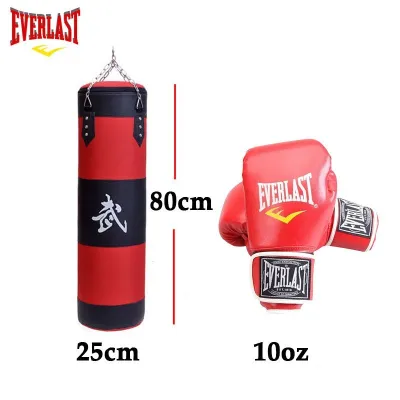
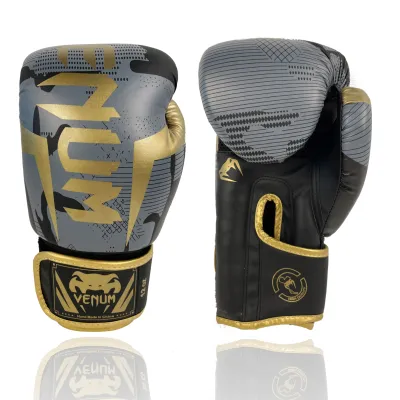
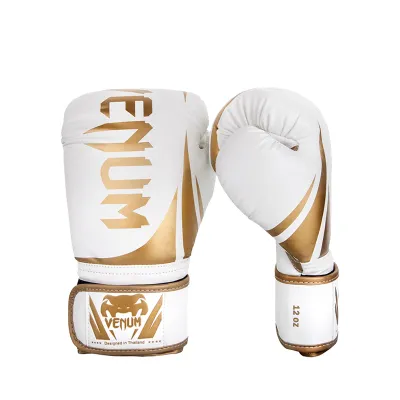
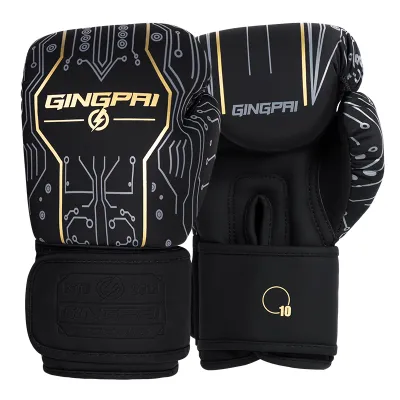
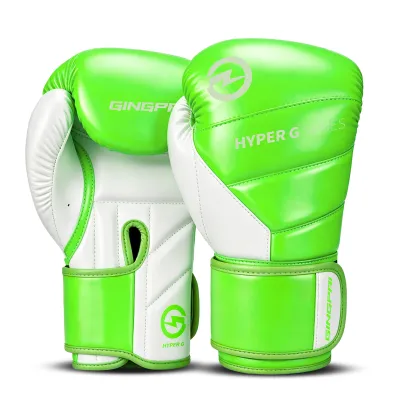
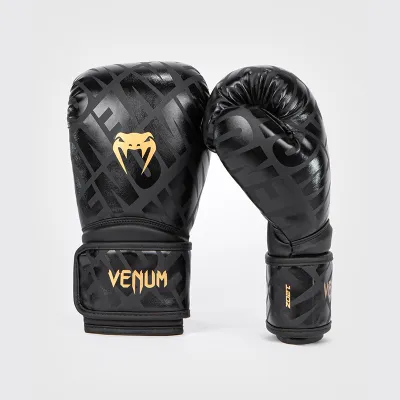
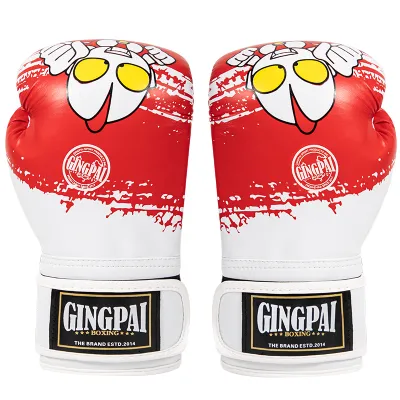
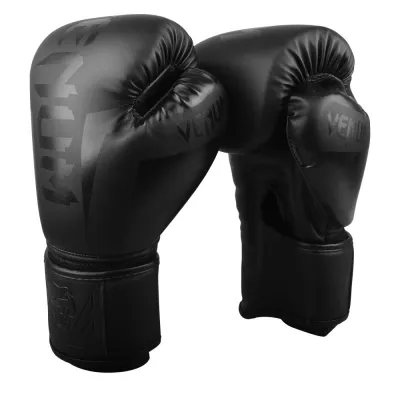
Prices are valid at publication and may change. Please refer to the product page for the latest price.
Structural Differences: How Muay Thai Boxing Gloves and Regular Boxing Gloves Are Built
The physical design variations between these gloves are rooted in the rules and techniques of their respective sports. Understanding these structural details will help you see why one style cannot easily replace the other.
Regular boxing gloves feature long, rigid cuffs. This design acts like a splint, wrapping high up the forearm to keep the wrist straight and secure. It minimizes the risk of the wrist bending awkwardly when landing heavy hooks or straight crosses. In contrast, Muay Thai gloves utilize a shorter, thicker cuff. This design provides some wrist support but leaves the wrist joint free to flex. This flexibility is essential for the multi-directional movements required in Thai boxing, especially when pulling an opponent’s head down in a clinch.
In western boxing, the thumb is tucked close to the fist and fully attached to the side of the index finger. This positioning keeps the hand in a natural, protective fist shape, reducing the chance of jamming or stubbing the thumb on impact. Muay Thai gloves feature a more open, straight, or slightly flared thumb. While still attached for safety, this design allows the thumb to move more independently, giving you the grip necessary to grab an opponent’s neck, arms, or legs.
Regular boxing gloves are molded to force your hand into a tight, resting fist. They contain a prominent, rigid grip bar inside the palm that your fingers curl around. This helps you maintain a clenched fist without straining your forearm muscles. Muay Thai gloves have a flatter palm profile and either a highly flexible grip bar or none at all. This allows the hand to open wide to catch incoming kicks or control an opponent during stand-up grappling.
The placement of protective foam also differs significantly. Boxing gloves concentrate the majority of their multi-layered padding directly over the knuckles, where the impact occurs, while the back of the hand is relatively thin. Muay Thai gloves distribute padding more evenly. While they still protect the knuckles, they feature thick padding along the outer edge of the hand and the back of the glove. This extra shielding is crucial for blocking head kicks, roundhouses, and elbow strikes.
Functional Differences: How They Perform in Training
Translating these structural differences into real-world training reveals how much your glove choice affects your technique and safety.

In Muay Thai, the clinch (known as Plum) is a dominant grappling position. When you wear regular boxing gloves in a clinch, the stiff cuff and closed-fist design make it incredibly difficult to wrap your hands behind your opponent’s neck. You will find yourself fighting against the glove’s natural resistance, leading to rapid forearm fatigue. Similarly, trying to catch a blasting body kick requires you to open your palm to scoop the leg. The flatter palm of a Muay Thai glove makes this movement fluid, whereas a boxing glove’s rigid shape can cause the kick to slip off, potentially leading to injury.
When it comes to pure punching volume, regular boxing gloves are the superior tool. Whether you are working on a heavy bag or hitting focus mitts, the repetitive, high-velocity impact can take a toll on your wrists. The long cuff of a boxing glove absorbs a portion of the shock and keeps your wrist aligned, even if your technique slips slightly when tired. If you use Muay Thai gloves for prolonged heavy bag work, the shorter cuff requires your forearm muscles to work much harder to keep the wrist stable, which can increase the risk of minor strains or hyperextension over time.
Defending strikes in Muay Thai involves more than just slipping and ducking. You often have to “shell up” against incoming kicks and elbows by placing your forearms and the backs of your hands against your head. The distributed padding on the sides and back of Muay Thai gloves acts as a shield, absorbing the impact of a shin bone. If you try to block a high kick with regular boxing gloves, the lack of padding on the back of the hand can result in the force transferring directly to your face, or causing painful bruising on your hands.
Side-by-Side Comparison Table
| Feature | Muay Thai Gloves | Regular Boxing Gloves |
|---|---|---|
| Cuff Design | Shorter, thicker, and highly flexible | Longer, more rigid, and supportive |
| Thumb Position | Slightly flared or straighter for gripping | Tucked close to the fist for protection |
| Palm Profile | Flatter, allowing the hand to open | Curved, forcing a closed-fist shape |
| Padding Distribution | Evenly distributed across knuckles, back, and sides | Heavily concentrated over the knuckles |
| Primary Use Case | Muay Thai, kickboxing, and MMA striking | Western boxing, heavy bag work, and focus mitts |
| Wrist Mobility | High mobility for clinching and catching | Restricted mobility to maximize wrist alignment |
How to Choose the Right Gloves for Your Training
Selecting the right pair is not about finding the “best” overall glove, but matching the gear to your specific training environment, skill level, and physical needs.
Choose Muay Thai Gloves If…
You should opt for Muay Thai gloves if your weekly training schedule includes traditional Thai boxing, kickboxing, or mixed martial arts (MMA) striking. If your coach regularly incorporates clinch work, sweep drills, or kick-catching exercises, these gloves are non-negotiable. Trying to perform these techniques in rigid boxing gloves will only frustrate you and hinder your skill development.
Additionally, Muay Thai gloves are an excellent option for general fitness enthusiasts who find the tightly clenched fist of regular boxing gloves uncomfortable. The flatter palm and relaxed thumb offer a more natural hand position during cardio-heavy workouts that mix striking with bodyweight exercises like push-ups or burpees, where you may need to quickly transition on and off the mat.
Choose Regular Boxing Gloves If…
Regular boxing gloves are the clear choice if your training is dedicated exclusively to western boxing. If your routine consists primarily of heavy bag drills, speed bag work, focus mitts, and traditional boxing sparring, the structural support of a boxing glove is unmatched.
These gloves are also highly recommended for beginners who are still developing their punching technique. When you are learning how to align your knuckles and wrist properly upon impact, the rigid cuff acts as a protective guide, reducing the risk of “folding” your wrist on a misaligned punch. Anyone with a history of wrist injuries or weak joints should prioritize the superior stability of a traditional boxing glove.
Verify First If You Train in Multiple Disciplines
If your training routine is split between traditional boxing and Muay Thai, choosing a single pair of gloves requires careful consideration. Look at where you spend the majority of your gym hours. If you do 80% boxing and 20% Muay Thai, a pair of boxing gloves will serve you best for the bulk of your work, though you will have to accept some limitations during clinch drills.
However, for those who are highly committed to both sports, the most practical solution is to invest in two separate pairs. This approach not only ensures you have the correct tool for each class but also extends the overall lifespan of your gear. It prevents the rapid wear and tear that comes from using a single pair of gloves for every single workout, and it allows each pair to dry fully between sessions. It also prevents the transfer of sweat and odor between different training environments.
Sizing, Fit, and Care Guidelines
Unlike shoes, gloves are sized by weight in ounces (oz) rather than physical dimensions. The right weight depends on your body weight and how you plan to use them. While budget synthetic models in the Philippines can start around ₱1,500, premium genuine leather options can range from ₱4,000 to ₱8,000 or more.
For general bag work and pad drills, lighter gloves ranging from 10 oz to 12 oz are standard, as they allow you to focus on speed and technique without carrying excess weight. For sparring, gyms almost universally mandate 14 oz or 16 oz gloves. The heavier weight means thicker padding, which is essential for protecting your sparring partners from injury. Always consult your gym’s head coach to verify their specific equipment requirements before making a purchase.
In the tropical climate of the Philippines, proper glove care is a daily necessity. The intense heat and high humidity create a perfect breeding ground for bacteria and mold inside your gloves, leading to foul odors and rapid material breakdown. Never leave your damp gloves sitting inside a closed gym bag after a grueling session at your local gym.
As soon as you finish training, wipe down the exterior of your gloves with a damp cloth to remove sweat and salt buildup. Open the cuffs as wide as possible and place them in a well-ventilated indoor area to air dry. While it might be tempting to place them under the direct, harsh Philippine sun to dry faster, avoid doing so; extreme heat can dry out and crack both genuine leather and synthetic materials.
Always check the manufacturer’s care label on your specific gloves. Genuine leather gloves benefit from occasional treatment with a specialized leather conditioner to keep the material supple, whereas synthetic leather gloves can be easily sanitized with mild, alcohol-free wipes. Taking these simple steps will preserve the protective foam and extend the life of your investment.
Frequently Asked Questions (FAQ)
Can I use regular boxing gloves for Muay Thai?
Yes, you can use regular boxing gloves for basic Muay Thai pad work and heavy bag drills. However, you will face significant limitations during clinch work and defensive drills. The rigid cuff and locked-thumb design make it difficult to open your hand to grab your opponent’s neck or catch incoming kicks, which can compromise your technique and increase the risk of wrist strain.
Are Muay Thai gloves safe for boxing sparring?
While Muay Thai gloves offer excellent protection, they may not be ideal for pure boxing sparring. The shorter cuff provides less wrist stability during heavy punching exchanges, and the padding is distributed more thinly over the knuckles compared to boxing gloves. Always check with your gym’s head coach first, as many traditional boxing gyms enforce strict rules regarding the specific types and weights of gloves allowed in the ring.
Community discussion
Share your experience or ask a question. Comments are reviewed before publication.