
Choosing the right bench is the foundation of any successful home gym setup. For most fitness enthusiasts, a standard adjustable bench is the most practical choice because it offers superior stability, a smaller footprint, and unobstructed movement for core compound lifts. A multi-function bench press—which typically features built-in barbell uprights and attachments like leg developers or preacher pads—is generally only necessary if you have a dedicated workout room, a strict budget that prevents buying separate rack systems, and a training program that heavily relies on isolation exercises.
In tropical climates like the Philippines, where high humidity and ambient moisture can accelerate wear on fitness equipment, making the right choice involves looking beyond the number of features. Sweat and moisture can quickly degrade cheap vinyl padding and cause rust in the joints of complex, multi-part frames. Understanding how each bench type fits your space, budget, and training style will save you from buyer’s remorse and ensure your workouts remain safe and effective.
Assess Your Training Goals and Space Constraints
Before browsing online marketplaces or local fitness stores, you must clearly define your current workout routine and your long-term fitness goals. If your training revolves around fundamental compound movements—such as dumbbell chest presses, seated shoulder presses, one-arm rows, and core work—a highly maneuverable bench is ideal. However, if your routine requires targeted isolation work like leg extensions, lying hamstring curls, or bicep curls, a multi-function model might seem appealing. Be honest about whether you will actually perform these isolation exercises regularly or if they are simply extra features that will clutter your routine.
Products mentioned in this guide
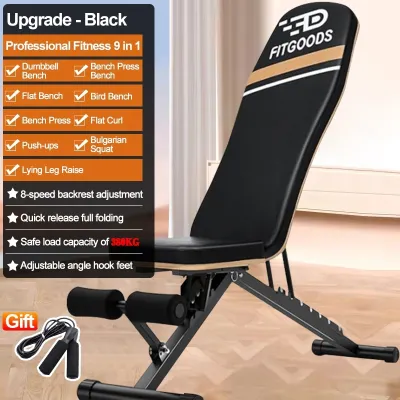
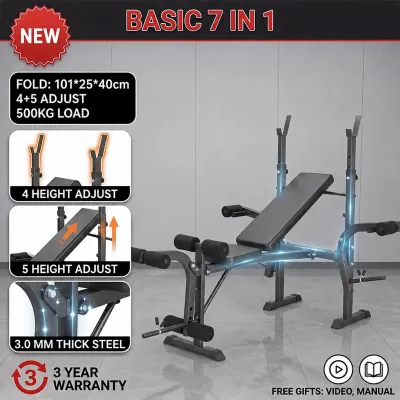
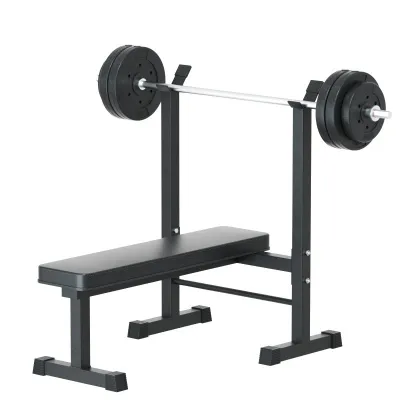
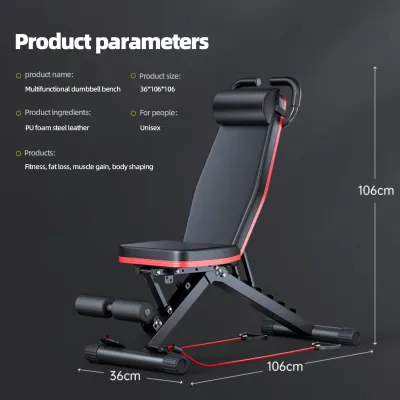
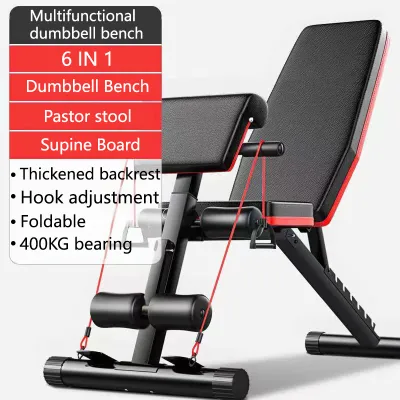
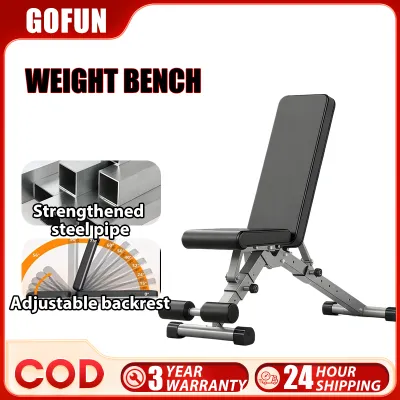
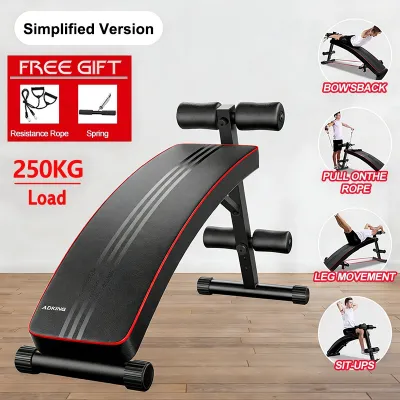
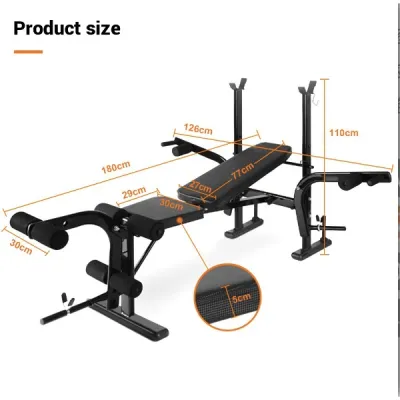
Prices are valid at publication and may change. Please refer to the product page for the latest price.
Space is often the ultimate deciding factor for home gym owners, especially in urban condos, townhouses, or shared family homes. A standard adjustable bench has a compact footprint and is often designed to fold flat or stand upright, allowing you to easily store it in a closet or against a wall when not in use. This mobility is incredibly valuable if your workout space doubles as a living area or garage.
Conversely, a multi-function bench press is a semi-permanent fixture. Because it integrates barbell uprights and front-mounted attachments, it cannot be easily folded or tucked away. You must measure not just the physical dimensions of the machine, but also the active workout footprint. You will need at least one meter of clear space on all sides of the bench to safely load weight plates, perform exercises without hitting walls, and move around the equipment without tripping.
Finally, consider the environmental conditions of your workout area. If you are setting up your gym in a garage, veranda, or non-air-conditioned room, the high humidity will constantly test your equipment. Multi-function benches have more moving parts, adjustment sleeves, and weld points where moisture can trap and cause rust. A simpler, high-quality standard bench with fewer joints is much easier to wipe down, maintain, and keep rust-free over years of humid tropical weather.
Standard Adjustable Bench: Core Capabilities and Limits
A standard adjustable bench, often referred to as a Flat-Incline-Decline (FID) bench, is the workhorse of strength training. Most quality models feature an adjustable backpad that transitions smoothly through various angles, typically ranging from a -15 degree decline up to a 90-degree upright position. This range of motion allows you to target different areas of your chest, shoulders, and back with precision using dumbbells or a separate squat stand.

The primary advantage of a standard adjustable bench is its compatibility and freedom of movement. Because there are no built-in uprights or leg attachments in the way, your body has an unobstructed path during exercises. You can easily perform dumbbell flyes, seated lateral raises, and step-ups without knocking your limbs against metal bars. It also pairs perfectly with a standalone power rack or squat stand, giving you a highly versatile setup that can grow with your strength levels.
However, standard benches do have clear limitations when it comes to lower-body and isolated upper-body training. Without built-in rollers or pads, you cannot perform traditional leg extensions or leg curls to target your quadriceps and hamstrings. While you can perform alternative exercises like goblet squats, lunges, and Romanian deadlifts using dumbbells, lifters who prefer machine-based isolation movements may find a standard bench limiting.
Additionally, if you plan to perform heavy barbell bench presses, a standard bench requires you to purchase a separate rack or cage to hold the barbell. This means a higher initial investment if you do not already own a rack. However, this separation is actually a safety benefit, as it allows you to position the rack’s safety spotter arms to catch the barbell if you fail a lift.
Multi-Function Bench Press: Evaluating Attachments and Stability
A multi-function bench press attempts to be an all-in-one strength station, combining a bench press station with attachments like leg developers, preacher curl pads, and sometimes chest fly arms. While the promise of a full-body workout on a single machine is tempting, you must carefully evaluate the quality and stability of these added features. Many budget-friendly multi-function benches priced under ₱10,000 compromise on steel thickness and frame width to accommodate the cost of these extra attachments.
To gauge the stability of a multi-function bench, you must verify the frame specifications. Look for benches constructed with heavy-duty steel tubing and check the base width. A narrow base can cause the bench to wobble or tip sideways when you are racking a heavy barbell or performing off-center movements. Always check the manufacturer’s maximum weight capacity label; this rating must safely cover your body weight plus the maximum weight you plan to lift.
Next, calculate the practical cost-to-utility ratio of the attachments. If you are buying a multi-function bench primarily for the leg developer, verify if the leg unit uses standard or Olympic-sized plates, and check if the motion feels smooth and natural. Cheap leg developers often have poor leverage curves, making the exercise feel jerky and putting unnecessary stress on your knees. If you find that you rarely use the preacher pad or the leg attachment, you are paying a premium—and sacrificing valuable floor space—for features that do not contribute to your progress.
Furthermore, built-in barbell uprights on multi-function benches are often fixed and relatively narrow. This narrow grip width can make it difficult to find a comfortable hand placement during bench presses, and it prevents you from using a standard 7-foot Olympic barbell comfortably. It also means you cannot adjust the height of the uprights to safely perform squats, severely limiting your lower-body progression compared to a separate squat rack setup.
How to Decide: A Practical Checklist for Your Home Gym
To make your final decision, match the bench type to your current skill level, budget, and long-term training progression. If you are a beginner or intermediate lifter focusing on building a solid foundation of strength, a high-quality standard adjustable bench paired with a set of adjustable dumbbells is almost always the smarter investment. This setup teaches proper form, encourages core stabilization, and fits easily into any home environment.
When evaluating any bench, prioritize safety features over extra attachments. Inspect the locking mechanisms, such as pop-pins or ladder-style adjustment slots, to ensure they seat deeply and securely. Look for clean, continuous welds rather than spot welds, especially at the joints where the frame meets the base. In humid conditions, poor welds can develop internal rust, compromising the structural integrity of the bench over time.
Consider your long-term budget and upgrade path. Buying a cheap multi-function bench now might save you money upfront, but as your strength increases, you may quickly outgrow its weight capacity and stability limits. Investing in a durable, commercial-grade standard adjustable bench now allows you to build your gym modularly. You can save up to buy a sturdy, standalone squat rack or power cage later, which is a far safer and more versatile setup for heavy lifting than any budget multi-function bench can provide.
Frequently Asked Questions (FAQ)
Is a multi-function bench press worth the extra cost for beginners?
For most beginners, a multi-function bench press is rarely worth the extra cost. Beginners should focus on mastering fundamental compound movements, such as flat and incline dumbbell presses, which build essential stabilizing muscles and coordination. The added isolation attachments, like leg developers or preacher pads, can distract from these core lifts and often suffer from poor biomechanics on budget models. Investing in a simpler, higher-quality adjustable bench ensures better stability and safety as you learn the basics.
Can I add attachments to a standard adjustable bench later?
In most cases, you cannot add attachments to a standard adjustable bench later. Standard benches are typically designed as sealed, self-contained units without the front receiver tubes or frame brackets required to mount accessories like leg developers or preacher pads. If you choose a standard bench, you should plan to use standalone equipment—such as resistance bands, a separate squat rack, or dedicated machines—if you wish to expand your exercise variety in the future. Always check the manufacturer’s specifications before buying if you want a modular bench that supports future upgrades.
Community discussion
Share your experience or ask a question. Comments are reviewed before publication.