
Acquiring a new kayak, stand-up paddle board (SUP), or inflatable boat opens up endless opportunities to explore the beautiful coastlines, calm lagoons, and winding rivers of the Philippines. However, purchasing the watercraft itself is only the first step toward a safe and fulfilling paddling experience. To navigate tropical waters confidently, you must equip your craft with the right boat accessories designed to ensure safety, improve paddling efficiency, and protect your gear from the elements.
Selecting the appropriate gear is not just about convenience; it is a fundamental aspect of water safety and vessel maintenance. In the Philippines, where paddlers frequently encounter strong tidal currents, sudden tropical downpours, and intense solar exposure, your choice of accessories can make the difference between a successful excursion and a dangerous situation. This guide details the essential safety, propulsion, and convenience gear that every new watercraft owner should secure before launching.
How to Choose the Right Boat Accessories
Before purchasing any add-ons, you must evaluate how your specific watercraft type dictates accessory compatibility. A hard-shell touring kayak, for example, often features built-in gear tracks or recessed areas designed for rigid mounts, whereas an inflatable SUP or a rigid inflatable boat (RIB) relies on glued-on D-rings, suction mounts, or flexible strap-down points. Always verify the manufacturer’s maximum weight capacity and deck layout instructions to ensure that adding accessories does not compromise the vessel’s stability, buoyancy, or self-bailing capabilities.
Products mentioned in this guide
Prices are valid at publication and may change. Please refer to the product page for the latest price.
Environmental factors in the Philippines demand careful attention to material durability. High humidity, constant exposure to saltwater, and intense ultraviolet (UV) radiation will rapidly degrade low-quality plastics, non-marine metals, and cheap adhesives. Look for accessories constructed from marine-grade stainless steel (such as 316 grade), anodized aluminum, and UV-stabilized polymers. Choosing materials rated specifically for saltwater environments prevents premature corrosion and mechanical failure while on the water.
Your typical paddling environment and skill level should guide the performance tier of the gear you select. If you plan to paddle exclusively on calm, inland lakes or protected resort coves, lightweight recreational gear may suffice. Conversely, if you intend to explore open coastal waters, navigate island-hopping routes, or fish in areas with active currents, you will require professional-grade accessories with higher safety margins. Equipment cannot replace proper training and sound judgment; always match your gear choices to your physical limits and local weather forecasts.
Essential Safety and Flotation Gear
Safety must always be your primary focus when preparing to launch. Having the correct personal safety equipment on board is a non-negotiable requirement for mitigating the inherent risks of open-water activities.

Personal Flotation Devices (PFDs) and Leashes
A properly fitted Personal Flotation Device (PFD) is the most critical piece of safety gear you will own. For kayaking, a Type III PFD is generally preferred because it features large armholes that allow for an unrestricted paddling motion, along with zippered pockets for small safety items. For stand-up paddle boarding, inflatable belt PFDs are highly popular due to their minimalist design, but you must verify that they carry certified buoyancy ratings and that you know how to manually deploy them in an emergency. Regardless of the style, check the manufacturer’s label to ensure the PFD matches your body weight and chest size, and adjust all straps to achieve a snug fit that does not ride up when pulled from the shoulders.
For paddle boarders, a high-quality leash is essential to prevent separation from your board, which acts as your primary flotation device. In open coastal waters or windy conditions, a strong gust or current can sweep a loose board away faster than you can swim. A coiled ankle or calf leash is ideal for flatwater paddling as it stays on the deck and prevents drag, while a straight leash is preferred for surf zones.
When paddling in moving water, such as rivers or areas with rapid tidal flows, you must use a leash equipped with a quick-release mechanism attached to your waist. This allows you to instantly detach from the board if it becomes entangled around a rock, hazard, or marker buoy, preventing you from being held underwater by the force of the current.
Signaling and Emergency Tools
Should you encounter trouble or become separated from your vessel, signaling tools are vital for attracting the attention of rescue craft or nearby boaters. A marine-grade, pea-less whistle should be semi-permanently attached to the shoulder strap of your PFD. Pea-less designs are crucial because they do not have moving parts that can jam when exposed to salt crust or water logging, ensuring they function reliably in wet conditions.
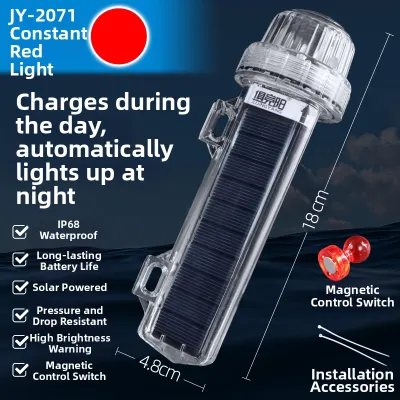
For low-light visibility, such as paddling during dawn, dusk, or unexpected overcast weather, always carry a waterproof, high-lumen flashlight or a water-resistant headlamp. Many local maritime guidelines require recreational paddlers to display a 360-degree white light if operating between sunset and sunrise. A compact, waterproof safety light attached to your PFD or deck ensures you remain visible to larger motorized vessels navigating the same waterways.
Finally, always carry a basic marine first-aid kit housed in a dedicated dry bag, along with a compact rescue throw bag containing high-visibility floating line. A throw bag is an invaluable tool for retrieving a swimming companion or securing a loose kayak in a swift current. Before heading out, practice throwing and repacking the line so you can deploy it quickly and accurately during an emergency.
Core Paddling and Navigation Equipment
Efficient propulsion and vessel control rely heavily on selecting the correct paddle and positioning tools. The right equipment minimizes physical fatigue and helps you maintain your course against wind and tide.
Paddles and Oars
Your paddle is your engine, and choosing the right material directly impacts how long you can stay on the water without experiencing shoulder or wrist strain.
- Aluminum Paddles: These are highly durable and budget-friendly, making them excellent choices for beginners or as backup oars. However, they are heavy and can become uncomfortably hot when left exposed to the tropical sun.
- Fiberglass Paddles: Offering a middle ground, fiberglass shafts and blades are significantly lighter than aluminum, reducing fatigue during extended paddling sessions while maintaining excellent structural strength.
- Carbon Fiber Paddles: These represent the premium tier, providing maximum stiffness and the lightest weight possible. They transfer energy highly efficiently with every stroke, though they require careful handling to avoid impact damage against sharp coral or rocks.
To determine the correct paddle length for a kayak, you must consider both your height and the width of your boat. Wider kayaks require longer paddles to allow the blades to clear the sides of the hull comfortably. For stand-up paddle boards, a general rule of thumb is to select a paddle that is 6 to 8 inches taller than your height for flatwater cruising, or 10 inches taller for racing.
Blade shape also influences your paddling style and energy expenditure. High-angle blades are wide and short, designed for a vertical, athletic stroke that provides rapid acceleration and power. Low-angle blades are longer and narrower, pulling less water per stroke to facilitate a relaxed, horizontal paddling style that conserves energy over long distances.
Anchors and Trolleys
Maintaining your position is crucial when you want to rest, fish, or take photographs without constantly drifting due to wind or tidal currents. A lightweight folding grapnel anchor weighing between 1.5 and 3 pounds (approximately 0.7 to 1.4 kg) is highly effective for securing small kayaks and paddle boards in sandy or muddy bottoms. Avoid dropping anchors directly onto live coral reefs, as this causes severe environmental damage and can securely wedge your anchor, forcing you to cut the line.
To manage an anchor safely from a kayak, install an anchor trolley system. This system consists of a loop of line running from the bow to the stern through pulleys, featuring a ring where your anchor line attaches. By adjusting the trolley, you can shift the anchor point to the front or back of the boat. This allows you to face into the wind or current, keeping your vessel stable and preventing waves from hitting your beam (side), which can easily cause a capsize.
Always ensure your anchor line is at least four to five times the depth of the water you are anchoring in, and attach a highly visible float to the line. If you must release the anchor quickly to avoid a hazard or a sudden wave, the float allows you to leave the anchor behind temporarily and retrieve it safely later.
Convenience, Storage, and Maintenance Items
Protecting your gear from water damage and maintaining your watercraft’s structural integrity will prolong the lifespan of your investments and enhance your comfort on the water.
Dry Bags and Deck Rigging
Waterproof storage is essential for safeguarding electronics, dry clothing, food, and emergency tools. Roll-top dry bags made from heavy-duty 500D PVC are highly puncture-resistant and offer reliable protection against heavy splashes and brief submersions. When packing, always leave a small pocket of air inside the bag before rolling the top down at least three to four times; this ensures the bag will float if it accidentally falls overboard.
Deck rigging kits, consisting of marine-grade bungee cords, pad eyes, and J-hooks, allow you to secure dry bags, water bottles, and safety gear directly to the deck of your kayak or SUP. Securely fastening your gear prevents it from floating away in the event of a capsize. However, avoid overloading your deck rigging, as placing too much weight high up or far forward can negatively affect the watercraft’s center of gravity, making it unstable and difficult to steer.
Sun Protection and Hydration Gear
Operating a watercraft under the intense tropical sun of the Philippines exposes you to direct solar radiation as well as glare reflected off the water’s surface. To prevent heat exhaustion and severe sunburn, wear a UPF 50+ rated long-sleeve sun shirt, a wide-brimmed hat featuring an adjustable chin strap, and polarized sunglasses. Polarized lenses are particularly useful because they cut through surface glare, allowing you to identify shallow coral heads, sandbars, and underwater hazards clearly. Always secure your sunglasses with a floating retention cord.
Staying hydrated is vital when paddling in hot climates. Install insulated water bottle holders or secure a hydration bladder system to your seat or deck rigging. Keeping your drinking water cool encourages regular hydration, and hands-free hydration systems allow you to drink without having to put down your paddle in choppy water.
Finally, protect your vessel’s hull from UV degradation. Rotomolded polyethylene kayaks and PVC inflatable boats will become brittle, fade, and lose structural integrity over time when exposed to constant sunlight. Apply a specialized marine UV-protectant spray to the clean, dry surface of your watercraft at the beginning of the season, following the manufacturer’s application instructions, to form a protective barrier against sun damage.
Quick Comparison of Essential Accessory Categories
To help you organize your gear list, the table below summarizes the primary categories of boat accessories, their main use cases, key technical specifications to verify, and their suitability for different watercraft types.
| Accessory Category | Primary Use Case | Key Features to Check | Ideal For |
|---|---|---|---|
| Personal Flotation Devices (PFDs) | Life-saving buoyancy and emergency flotation | ISO or coast guard certification, adjustable straps, pocket storage | Kayaks, SUPs, Inflatable Boats |
| Board Leashes | Prevents separation from the watercraft in wind or current | Coiled vs. straight design, comfortable cuff, quick-release pull | Stand-Up Paddle Boards (SUPs) |
| Paddles and Oars | Manual propulsion and steering control | Shaft material (fiberglass/carbon), blade angle, adjustable length | Kayaks, SUPs, Inflatable Boats |
| Folding Anchors | Maintaining position during rest, fishing, or photography | Grapnel design, marine-grade galvanized finish, float attachment | Kayaks, Inflatable Boats |
| Dry Bags | Protecting electronics, food, and clothing from water | 500D PVC material, roll-top closure, welded seams, D-ring attachment | Kayaks, SUPs, Inflatable Boats |
Frequently Asked Questions (FAQ)
Do I need a license or specific safety gear to kayak in the Philippines?
For casual, non-motorized recreational paddling on inland lakes or close to shore, there is currently no national requirement for a vessel license or operator’s permit in the Philippines. However, local government units (LGUs) in popular tourist destinations—such as El Nido, Coron, or Siargao—often enforce municipal ordinances that mandate the use of PFDs and whistles. The Philippine Coast Guard (PCG) also issues seasonal safety advisories during monsoon periods or high-swell events; always check with local tourism offices or PCG outposts regarding local restrictions before launching.
Can I use the same paddle for a kayak and a paddle board?
While convertible paddles with interchangeable blades exist, using a dedicated paddle for each watercraft is highly recommended. Kayak paddles feature blades at both ends and are designed for a seated position, requiring specific lengths to clear the kayak’s beam. SUP paddles feature a single blade and a T-grip handle, designed for a standing posture and a completely different stroke mechanic. Attempting to use a standard kayak paddle while standing on an SUP, or vice versa, is highly inefficient, leads to rapid muscle fatigue, and limits your control over the vessel.
How do I prevent my inflatable boat accessories from degrading in the sun?
To protect inflatable boat accessories and PVC materials from tropical sun damage, always rinse them thoroughly with clean, fresh water after every saltwater excursion to remove salt crystals, sand, and organic debris. Allow all items to dry completely in the shade before storage. Store your gear in a cool, well-ventilated space out of direct sunlight, and apply a marine-grade UV-protectant spray designed specifically for PVC or Hypalon materials. Avoid using petroleum-based protectants, as these can dissolve adhesives and weaken the fabric seams.
Community discussion
Share your experience or ask a question. Comments are reviewed before publication.