
Finding the right yoga mat anti slip performance is essential for a safe and rewarding practice, especially in a warm, tropical climate where humidity and sweat are constant factors. Slipping during a downward dog or a warrior pose not only disrupts your focus but can also lead to joint strain or sudden falls. The ideal material for your practice depends directly on how much you sweat and the style of yoga you perform. Polyurethane (PU) mats excel at absorbing moisture to deliver an exceptional wet grip during high-intensity, sweaty sessions. Natural rubber mats provide an incredibly stable, high-friction dry grip for grounded, slower-paced practices. Meanwhile, Thermoplastic Elastomer (TPE) mats offer a lightweight, budget-friendly alternative with reliable dry traction for beginners and low-sweat routines. Understanding how these materials interact with moisture, skin, and wear will help you choose the perfect foundation for your daily flow.
How Anti-Slip Grip Works: Material vs. Surface Texture
To understand how a yoga mat anti slip surface keeps you grounded, you must look at both the chemical properties of the base material and the physical design of its surface. Grip is not a single, static feature; it behaves differently depending on whether your hands and feet are dry or wet. Dry grip refers to the friction generated when your dry skin meets the mat. Wet grip, on the other hand, is the mat’s ability to maintain traction when sweat or high environmental humidity introduces a layer of moisture between your body and the surface.
Manufacturers use different surface treatments to enhance these grip types. Some mats feature open-cell structures or micro-pores that actively draw moisture away from the surface, preventing a slippery film from forming. Others rely on closed-cell materials paired with physical surface textures, such as laser-etched patterns, raised geometric grids, or textured ribbing, to create mechanical traction. When shopping, it is vital to check the product specifications for these specific surface treatments rather than assuming a material will perform perfectly on its own. A smooth, untreated closed-cell mat will behave very differently from one with a deeply textured profile, even if they are made of the exact same compound.
Products mentioned in this guide
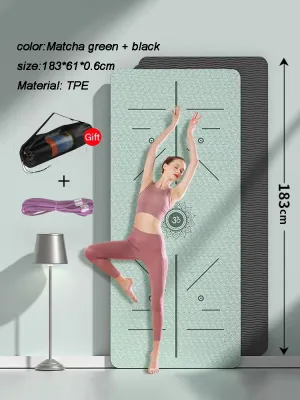
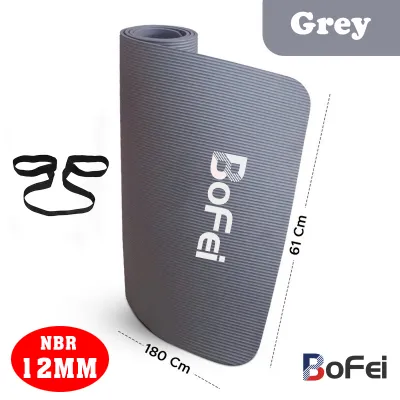
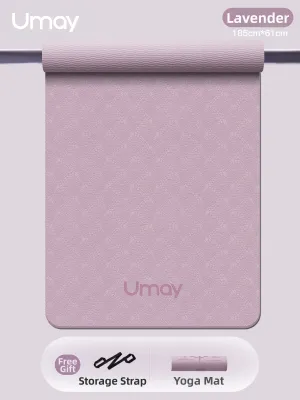
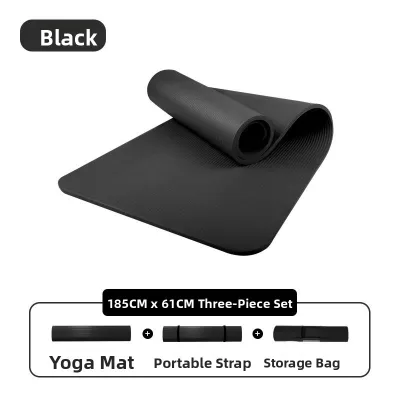
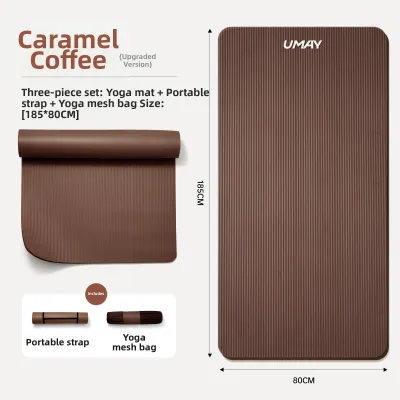
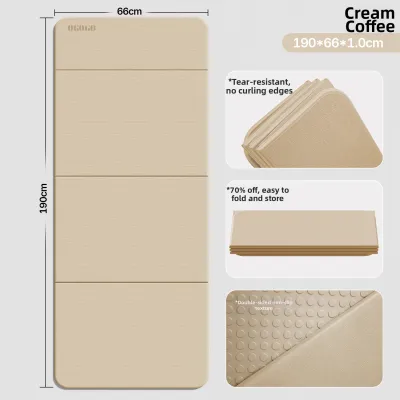
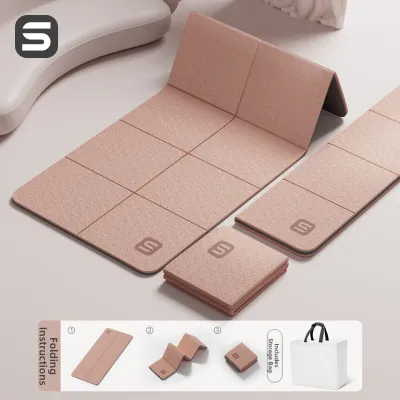
Prices are valid at publication and may change. Please refer to the product page for the latest price.
Natural Rubber: Dry Grip and Stability Conditions
Natural rubber is widely regarded as the gold standard for dry grip and structural stability. Sourced from rubber trees, this dense material lies completely flat on the floor without curling at the edges. This weight provides a solid, unyielding foundation for grounded, static, or moderately paced practices like Hatha, Iyengar, or gentle stretch routines. The high natural coefficient of friction ensures that your hands and feet stay firmly in place during dry conditions, allowing you to focus entirely on alignment and breath control.

However, the performance of natural rubber can evolve over time. Because it is an organic, biodegradable material, its surface texture is subject to wear from friction, exposure to sunlight, and natural aging. Over months of regular use, the areas where your hands and feet place the most pressure may gradually lose some of their initial texture. Additionally, natural rubber has distinct physical limitations that you should consider before purchasing. It is significantly heavier than synthetic alternatives, making it more challenging to carry if you commute via public transport or walk to your local studio. It also carries a distinct, sweet rubber odor when new, which takes time to dissipate. Most importantly, individuals with latex sensitivities must exercise caution, as natural rubber contains proteins that can trigger allergic reactions. Finally, while it offers superb dry traction, natural rubber is a closed-cell material that does not absorb moisture; if you begin to sweat heavily, water will pool on the surface, requiring the addition of a specialized yoga towel to prevent slipping.
Polyurethane (PU): Wet Grip and Sweat Absorption
For practitioners who engage in high-intensity, fast-paced, or heated sessions, polyurethane (PU) is often the ultimate choice for wet grip. PU mats are typically constructed with a top layer of polyurethane bonded to a natural rubber base. This synthetic top layer features a highly specialized, micro-porous structure. Instead of letting sweat pool on the surface, these micro-pores rapidly absorb moisture, pulling it away from your contact points. This unique action means that the wetter the mat gets, the grippier it becomes, making it highly suitable for Hot Yoga, Ashtanga, or vigorous Vinyasa flows in warm, humid environments.
This exceptional moisture-handling capability does, however, come with strict maintenance demands. Because the micro-pores absorb sweat, they also absorb body oils, lotions, cosmetics, and environmental dirt. Over time, these substances can clog the pores, creating a slick barrier that permanently degrades the mat’s anti-slip properties. To preserve the surface, you must strictly adhere to the manufacturer’s cleaning instructions. This usually involves wiping the mat down with a damp, soft cloth and a highly diluted, oil-free mild soap after every session. You must avoid harsh chemical cleaners, alcohol-based sprays, and direct sunlight, as these can break down the delicate PU layer. Allowing the mat to air-dry completely before rolling it up is essential to prevent mold and unpleasant odors from developing in the absorbed moisture.
Thermoplastic Elastomer (TPE): Lightweight Grip and Limitations
Thermoplastic Elastomer (TPE) is a synthetic blend of plastic and rubber that has become highly popular for entry-level mats and casual practitioners. The primary advantage of TPE is its closed-cell structure. Because the cells are sealed, the material is completely non-porous, meaning it will not absorb sweat, water, or cleaning solutions. This makes TPE mats incredibly easy to clean and sanitize, as dirt and moisture remain strictly on the surface where they can be wiped away instantly. TPE is also exceptionally lightweight, making it the most convenient option for yogis who frequently travel or carry their gear across town.
Despite these benefits, TPE has clear performance limitations when it comes to slip resistance. While it provides a reliable, soft dry grip for low-intensity, low-sweat practices like Yin, Restorative, or beginner foundational classes, it struggles under wet conditions. Because the material cannot absorb moisture, any sweat or high humidity will quickly turn the surface into a slick slide. If you tend to sweat even moderately, you may find your hands sliding forward in downward-facing dog. To mitigate this, you must verify if the specific TPE mat you are considering features an added physical anti-slip texture, such as a deep waffle pattern or a specialized non-slip coating. Without these physical design elements, a plain TPE mat may not provide sufficient traction for dynamic movements.
Choosing the Right Anti-Slip Material for Your Practice
Selecting the perfect yoga mat anti slip material requires a balanced look at your personal practice habits, physical needs, and daily environment. To make an informed decision, start by matching the material to your typical sweat level and practice intensity. If your routines are vigorous, fast, or conducted in warm rooms where heavy sweating is guaranteed, a PU mat is the most reliable choice to keep you from slipping. If you prefer grounded, alignment-focused classes with moderate sweat, a natural rubber mat offers unmatched dry stability. For gentle, restorative, or beginner practices where portability and ease of cleaning are your main priorities, a textured TPE mat is highly practical.
Beyond grip, consider secondary factors that impact your overall comfort and lifestyle. Joint cushioning is vital; if you have sensitive knees or wrists, you will want to look at the density of the material. Natural rubber is highly dense and supportive even at thinner profiles, whereas TPE offers a softer, more pillowy cushion that may feel less stable during standing balance poses. Weight is another major factor, especially if you commute. A heavy natural rubber mat can feel like a chore to carry, while a featherlight TPE mat fits easily into a travel bag. When comparing mats in local stores, you will find options ranging from budget-friendly TPE mats to premium natural rubber mats priced at several thousand pesos (₱).
Before finalizing your purchase, use this practical pre-purchase checklist to verify the mat’s suitability:
- Verify the Material Composition: Read the product label carefully to confirm whether it is pure natural rubber, TPE, or a PU-rubber hybrid.
- Check Surface Texture Claims: Look for explicit mentions of laser-etched patterns, open-cell structures, or non-slip coatings rather than relying on generic marketing terms.
- Review the Thickness: Ensure the thickness matches your balance and cushioning needs (typically 4mm to 6mm for a balanced practice).
- Read the Care Guidelines: Confirm that you are willing to follow the required cleaning regimen, especially for high-maintenance PU mats.
Frequently Asked Questions (FAQ)
Does a thicker yoga mat provide better anti-slip grip?
No, the thickness of a yoga mat does not directly improve its surface anti-slip grip. Thickness is designed to provide joint cushioning, shock absorption, and comfort against hard floors. In fact, excessively thick mats (such as those over 6mm) can actually compromise your stability and balance during standing poses. When a mat is too soft or thick, your hands and feet sink deeply into the material, making it harder to maintain a solid, aligned foundation, regardless of how grippy the surface material is. For optimal safety and balance, choose a standard thickness of 4mm to 5mm paired with a high-quality grip material.
How can I restore the grip of my current yoga mat?
To restore the grip of your current mat, start by checking for a buildup of body oils, sweat residue, lotions, or dust, which naturally accumulate and create a slick barrier over time. Clean the mat thoroughly according to the manufacturer’s specific guidelines, using a mild, oil-free soap solution and a soft cloth. Avoid using harsh household detergents or scrubbing brushes that can tear the surface. If you are dealing with heavy sweating during a transition period, using a specialized microfiber yoga towel with silicone grip dots on the bottom can provide immediate traction. However, if the material itself has begun to flake, crack, or wear thin, the physical structure has degraded, and it is time to replace the mat to ensure your safety.
Community discussion
Share your experience or ask a question. Comments are reviewed before publication.