
Choosing the right shelter is one of the most critical decisions for any outdoor enthusiast, especially when navigating the diverse and often unpredictable climates of the Philippines. The choice between the NatureHike Hongtu specialty series and other popular NatureHike tent lines comes down to a balance of environmental demands, weight limits, and budget. While the Hongtu series is engineered as a technical, weather-resistant shelter designed to withstand harsh conditions like high-altitude winds and heavy tropical downpours, standard NatureHike lines focus on maximizing interior comfort, ease of setup, and affordability for recreational campers.
To make an informed decision, you must evaluate where and how you plan to camp. A technical tent might offer superior wind shedding, but it often sacrifices the generous headroom and dual-door convenience that make weekend car camping enjoyable. Conversely, a budget-friendly recreational tent might feel spacious during a sunny beach trip but could struggle under the force of an unexpected mountain gale. By understanding the design philosophies behind these different lines, you can select a tent that keeps you safe and comfortable without overpaying for features you do not need.
Defining the Hongtu Specialty Series and Its Core Purpose
The NatureHike Hongtu series is positioned as a specialty line, specifically tailored for technical backpacking, alpine trekking, and exposure to challenging weather conditions. Unlike recreational tents designed for casual weekend use, the Hongtu line prioritizes structural integrity, wind resistance, and weight optimization. According to official manufacturer descriptions, these tents are built to serve as reliable shelters in environments where weather conditions can deteriorate rapidly, requiring a design that can shed wind and repel heavy rain effectively.
Products mentioned in this guide
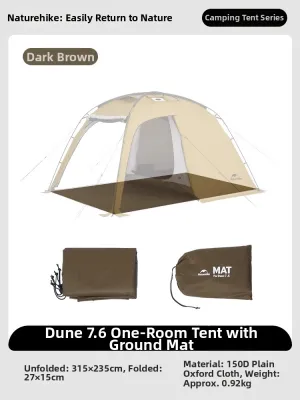
Prices are valid at publication and may change. Please refer to the product page for the latest price.
When evaluating the Hongtu series on an authorized retailer’s product page, you should perform a careful check of the structural and material specifications. Pay close attention to the pole material, which typically utilizes high-strength 7001 aluminum alloy to provide a flexible yet robust skeleton capable of flexing under high winds without snapping. Additionally, inspect the fabric denier and the hydrostatic head ratings of both the rainfly and the tent floor. A higher hydrostatic head rating, often indicated in millimeters (such as 3,000mm or 4,000mm), suggests a greater resistance to water penetration under pressure, which is crucial during prolonged tropical storms. You should also verify whether the fabric is silicone-coated nylon or polyurethane-coated polyester, as silicone coatings generally offer better tear strength and UV resistance over time.
However, choosing a specialty tent like the Hongtu involves clear trade-offs that you must consider before purchasing. To maximize wind shedding and minimize weight, these tents often feature a more aerodynamic, low-profile design, which results in reduced interior living space and lower peak heights compared to dome-style recreational tents. This means you may have less headroom to sit up straight or stretch out comfortably inside. Furthermore, technical tents frequently utilize complex pole configurations or tension-based designs that carry a steeper learning curve for setup, requiring precise staking and tensioning to achieve full stability.
Matching Tent Lines to Your Camping Style and Conditions
Matching your tent to your specific camping style and the environmental hazards of your destination is essential for a successful outdoor adventure. For long-distance backpacking trips and high-altitude climbs—such as trekking up Mount Pulag or Mount Apo—the specialized weight and weather features of the Hongtu series become highly valuable. In these exposed environments, sudden temperature drops, high wind gusts, and driving rain are common. The aerodynamic profile and robust pole structure of a technical tent help prevent the shelter from collapsing under wind loads, while its lightweight design reduces the physical strain of carrying your gear over steep, multi-day trails.

For weekend car camping, beach trips, or casual hikes in established campgrounds, standard or family-oriented NatureHike lines (such as the Mongar, Cloud Up, or Opalus series) are often much better suited to your needs. These recreational models typically prioritize livability, offering near-vertical walls, generous headroom, and multiple doors or vestibules that make moving around and storing gear much easier. If you do not need to carry your tent on your back for miles, the slight weight penalty of a larger, more comfortable recreational tent is a minor trade-off for the massive upgrade in daily comfort and ease of use.
Managing transitional seasons and unpredictable tropical weather also requires a close look at ventilation and seasonal ratings. In hot and humid climates, condensation can quickly build up inside a sealed tent, leading to damp sleeping bags and an uncomfortable night. When comparing tent lines, cross-reference the ventilation specifications, such as the ratio of mesh to solid fabric on the inner tent and the presence of adjustable rainfly vents. Standard three-season tents with extensive mesh inner walls allow for maximum airflow, keeping you cool during warm tropical nights, whereas specialty four-season or alpine tents may use solid fabric inner walls to retain heat, which can make them uncomfortably warm and prone to condensation in humid, low-elevation settings.
Evaluating Budget and Value Across NatureHike Models
Understanding the financial investment required for different tent lines helps you determine if the price premium of a specialty model is justified. When browsing official brand stores or authorized outdoor retailers in the Philippines, you will notice distinct pricing tiers. Standard, entry-level NatureHike tents often range from approximately ₱3,000 to ₱6,000, making them highly accessible for casual campers. In contrast, specialty lines like the Hongtu series, which utilize advanced materials and specialized construction techniques, generally command a higher price point, often ranging from ₱7,000 to over ₱12,000 depending on the specific model and current market availability.
To assess the true value of this investment, calculate the cost-per-use based on your anticipated camping frequency and the environments you plan to visit. If you camp only a few times a year in mild weather at managed campsites, a standard, budget-friendly tent will easily meet your needs and deliver excellent value over its lifespan. However, if you frequently venture into remote, high-elevation areas where equipment failure could pose a safety risk, paying the premium for a technical tent like the Hongtu is a practical investment in your safety, durability, and peace of mind.
Beyond the initial purchase price, you must also verify the long-term support and availability of replacement parts. Technical tents are subject to wear and tear in harsh environments, making the availability of replacement poles, rainflies, and matching footprints crucial. Before finalizing your purchase, check if the authorized retailer or local distributor offers reliable after-sales support and warranty coverage within the Philippines. A slightly cheaper parallel-imported tent may save you money upfront but could leave you without options if a pole snaps during a storm and you cannot source a matching replacement.
Decision Framework: Which NatureHike Tent Should You Buy?
To finalize your decision, use a condition-based framework that aligns your camping habits with the specific strengths of each tent line. You should choose the NatureHike Hongtu series if your itineraries consistently demand strict weight limits for long-distance trekking, compact pack sizes for limited backpack volume, and verified high weather resistance to handle exposed, high-altitude environments. This series is built for the dedicated backpacker who views a tent primarily as a protective, high-performance shelter rather than a spacious living room.
On the other hand, you should opt for other NatureHike lines if your priority is interior living space, straightforward and fast setup, and a more budget-friendly approach to casual camping. If your typical trip involves driving to a campsite, sharing a tent with family or friends, and enjoying the outdoors in relatively stable weather, the recreational lines will provide a far more comfortable and economical experience.
Regardless of which model you choose, always perform a few practical checks before heading out on your trip. Verify if your intended campsite has specific footprint restrictions, as some technical or tunnel-style tents require a larger, elongated footprint to stake out properly compared to freestanding dome tents. Finally, always practice pitching your new tent in a controlled environment, such as your backyard or a local park, before your first trip. Familiarizing yourself with the pole structure, tensioning points, and staking requirements in calm conditions ensures you can set up your shelter quickly and safely when faced with sudden rain or fading daylight on the trail.
Frequently Asked Questions (FAQ)
Is the NatureHike Hongtu series suitable for beginners?
The NatureHike Hongtu series is generally not recommended as a first tent for beginners due to its specialized design and steeper learning curve. Technical tents often require precise staking, tensioning, and specific site selection to achieve optimal stability and ventilation, which can be frustrating for those new to camping. Beginners are usually better served by standard, freestanding NatureHike models that feature intuitive pole designs and more forgiving setups, allowing them to focus on learning basic camping skills before transitioning to technical gear.
Can I use a standard NatureHike tent for high-altitude camping?
While standard NatureHike tents are excellent for three-season recreational use, using them for high-altitude camping carries significant risks. Standard models are typically not designed to withstand the high wind loads, heavy snow accumulation, or sudden, extreme weather shifts common at high elevations. If you plan to camp in exposed, high-altitude environments, you should verify that your tent’s specifications—including pole strength, fabric durability, and wind-shedding geometry—are rated for those specific hazards to ensure your safety on the mountain.
Community discussion
Share your experience or ask a question. Comments are reviewed before publication.