
Wading in moving water, deep coastal zones, or mountain streams carries inherent risks, including strong currents, sudden drop-offs, and slippery underwater terrain. Before stepping into the water, remember that no piece of equipment can replace proper water safety training, wading skills, and sound judgment. Always use a wading belt to prevent water from rushing into your waders in the event of a fall, and consider a wading staff and personal flotation device (PFD) for added stability. When choosing between neoprene and breathable waders, your decision should focus on how each material manages insulation and moisture to keep you safe and comfortable in your specific fishing environment.
The fundamental difference lies in how these materials handle temperature and perspiration. Neoprene is a thick, insulating synthetic rubber that excels at trapping body heat, making it ideal for cold water and low-activity fishing. Breathable waders, constructed from advanced multi-layer membranes, allow sweat vapor to escape while keeping external water out, making them the practical choice for warm weather, high-exertion hiking, and humid tropical climates. Your choice depends on water temperature, activity level, and climate.
Core Differences in Insulation and Moisture Management
To understand which wader suits your needs, you must first look at how each material is constructed. Neoprene is a synthetic rubber material filled with tiny, closed-cell nitrogen gas bubbles. This unique structure acts as a highly efficient thermal barrier. It does not allow water or air to pass through, meaning it traps a layer of air—and sometimes a thin layer of moisture—close to your skin, which your body heat then warms. This makes neoprene an exceptional insulator, but it also means that any sweat your body produces remains trapped inside the wader.
Products mentioned in this guide
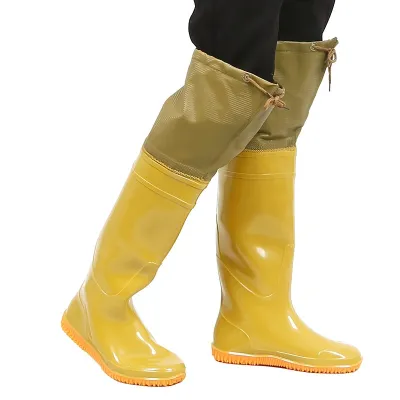
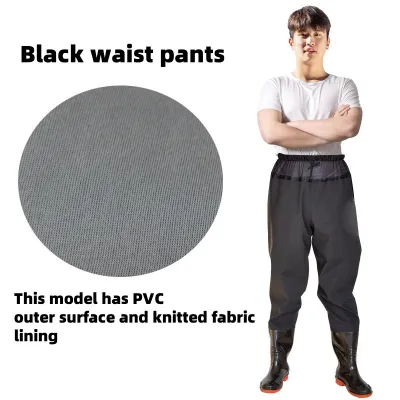
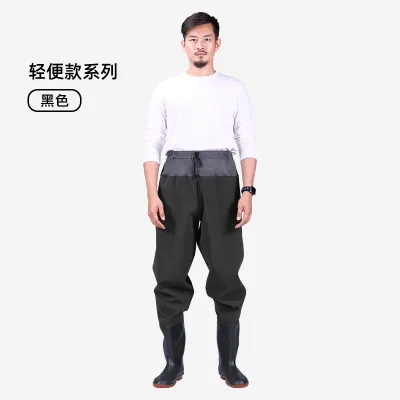
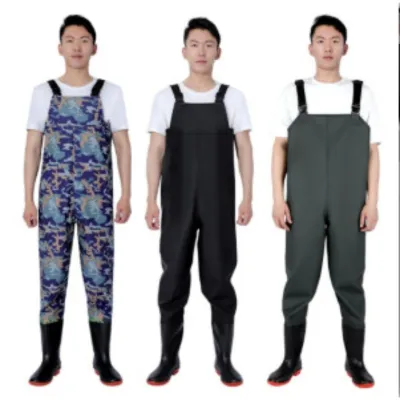
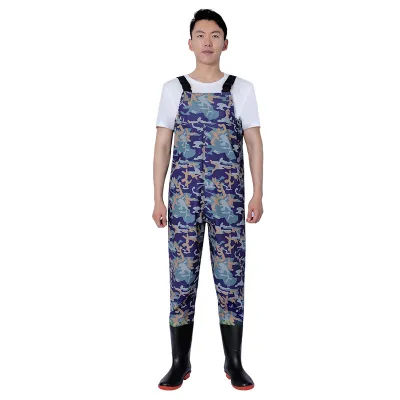
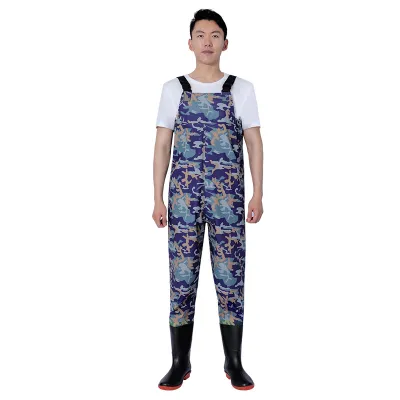
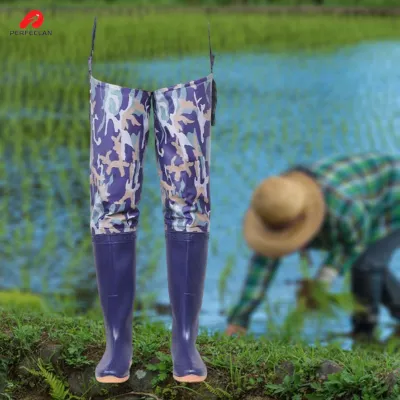
Prices are valid at publication and may change. Please refer to the product page for the latest price.
Breathable waders rely on a completely different engineering concept. They are typically constructed from tightly woven nylon or polyester outer shells laminated to a microporous membrane. These membranes feature billions of microscopic pores per square inch. These pores are too small for liquid water droplets to penetrate from the outside, yet they are large enough to allow individual water vapor molecules—your sweat—to escape from the inside. This process, known as moisture vapor transmission, keeps you dry from both external water and internal perspiration.
The way each material manages moisture directly impacts your comfort and safety. In a neoprene wader, high physical exertion leads to rapid sweat accumulation. Because the moisture cannot escape, your skin and undergarments become damp. If the air temperature drops or you stop moving, this trapped moisture can quickly chill your body, leading to discomfort or even hypothermia in cold conditions. Breathable waders actively work to prevent this dampness, provided you wear the correct moisture-wicking base layers underneath to facilitate the transfer of vapor.
Matching Wader Materials to Your Fishing Environment
Your choice of wader must align with the specific water temperatures and weather patterns of your fishing destinations. If you are wading in cold spring-fed streams, mountain rivers, or targeting fish during chilly dawn hours, neoprene provides the necessary thermal defense. Low-activity fishing styles, such as standing still in waist-deep water for hours or fishing from a float tube where your lower body is constantly submerged, demand the heavy-duty insulation that only thick neoprene can deliver. In these stationary, cold-water scenarios, the lack of breathability is less of an issue because your body is not generating excess sweat.

For anglers operating in warm weather, humid environments, or high-output situations, breathable waders are almost always the more practical choice. If your fishing style involves hiking long distances along riverbanks, scrambling over rocks, or casting repeatedly under a hot sun, the heat generated by your body must escape. In tropical climates like the Philippines, where coastal flats, estuaries, and inland lakes present high ambient temperatures and intense humidity, wearing neoprene can quickly lead to severe overheating and dehydration. Breathable fabrics allow you to stay protected from water, insects, and sharp underwater structures without suffering from heat exhaustion.
Transitional climates and changing seasons require a flexible approach, which is where breathable waders show their true versatility. By adopting a systematic layering strategy, you can adapt a single pair of breathable waders to a wide range of temperatures. On a chilly morning, you can wear thick fleece or synthetic thermal pants underneath to provide the necessary insulation. As the sun rises and the temperature climbs, the breathable membrane continues to vent your perspiration, and you can adjust your undergarments accordingly. Neoprene lacks this adaptability; once you are sealed inside, you cannot adjust your insulation level without changing your entire outfit.
Comfort, Mobility, and Layering Requirements
Physical comfort and freedom of movement are critical when navigating unstable riverbeds or casting for hours. Neoprene waders are inherently heavy and bulky. The thickness of the material, which typically ranges from 3mm to 5mm, creates physical resistance when you bend your knees, climb steep banks, or walk long distances. This added weight can lead to muscle fatigue more quickly, especially during active wading sessions. However, because neoprene is naturally stretchy, it can offer a snug, form-fitting feel that some anglers find reassuring, provided the cut matches their body shape.
Breathable waders offer a lightweight, unrestrictive alternative that feels more like wearing a pair of loose trousers. Because the fabric itself is thin and flexible, it places minimal resistance on your joints, allowing for a natural stride and easier bending, kneeling, and casting. This mobility is a significant safety advantage when you need to make quick, agile movements to maintain your balance on slippery rocks or in swift currents. The reduced weight also makes breathable waders much easier to pack and carry to remote fishing spots.
To maximize the performance of breathable waders, you must pay close attention to your base layers. Wearing cotton jeans or cotton underwear underneath a breathable wader completely defeats the purpose of the membrane. Cotton absorbs and holds moisture, preventing it from reaching the breathable barrier. Instead, you must wear synthetic fabrics like polyester, nylon, or merino wool. These materials actively pull sweat away from your skin and push it toward the outer layers, where the wader’s membrane can vent it into the atmosphere. For neoprene waders, thin, moisture-wicking socks and liners are also recommended to minimize the clammy feeling of trapped sweat.
Durability, Puncture Resistance, and Daily Care
The environments where we fish are often harsh, filled with sharp rocks, submerged branches, thorny brush, and abrasive sand. Neoprene is highly resilient against abrasions and minor scrapes. Its thick, spongy texture can absorb impacts and resist punctures from stray hooks or briars better than thin fabrics. If a puncture does occur, neoprene is relatively easy to repair using flexible polyurethane adhesives or specialized neoprene patches. The self-sealing nature of the compressed foam means small pinholes sometimes close up partially on their own, though they still require proper sealing to remain completely watertight.
Breathable waders, while constructed from high-tensile nylon or polyester, are more susceptible to sharp punctures from thorns, barbed wire, or jagged rocks. To combat this, manufacturers often reinforce high-wear areas, such as the knees, shins, and seat, with extra layers of heavy-duty fabric. If a breathable wader suffers a puncture, finding the leak can be more challenging than with neoprene. However, most manufacturers include field repair kits containing specialized waterproof tape and adhesives. Applying an alcohol-based solution to the inside of the wader can help reveal pinhole leaks as dark spots, allowing for precise patching.
Proper daily care is essential to extend the lifespan of both wader types. After every outing, especially when fishing in saltwater or muddy environments, you must rinse your waders thoroughly with clean, fresh water to remove salt crystals, dirt, and organic debris that can degrade the seams. Hang your waders to dry completely in a well-ventilated area out of direct sunlight, as ultraviolet (UV) rays damage both neoprene and breathable membranes. For breathable waders, ensure the inside is dry before drying the outside, as trapped moisture can lead to mold and mildew. Store them hanging naturally or loosely folded in a cool, dry place; never leave them crumpled in a hot car trunk.
Final Decision Framework: Which Wader Fits Your Needs?
To finalize your decision, evaluate your typical fishing scenarios against this straightforward framework.
Choose neoprene waders if:
- You primarily fish in extremely cold water or during the coldest months of the year.
- Your fishing style is stationary, such as standing in deep water, ice fishing, or using a float tube.
- You require a high level of built-in insulation and prefer a form-fitting, stretchy material.
- You frequently fish in areas with heavy brush where puncture resistance is your top priority.
Choose breathable waders if:
- You fish in warm, humid, or tropical climates where overheating is a constant risk.
- Your fishing involves active walking, hiking along banks, or wading over long distances.
- You want a single pair of waders that can adapt to multiple seasons through strategic layering.
- You prioritize lightweight gear, ease of packing, and maximum physical mobility.
Before making your purchase, always verify the key specifications on the manufacturer’s product label. Look for reinforced knees and seat panels if you plan to fish in rugged terrain. Check the seam construction; high-quality waders feature double-taped, welded, or liquid-sealed seams rather than simple stitching, which is prone to leaking over time. Finally, verify the sizing charts carefully, ensuring there is enough room in the crotch, knees, and feet to allow a full range of motion without pulling or straining the seams when you bend or step over obstacles. When comparing options at local outdoor shops, checking the price in ₱ can help you balance your budget against the durability features you need.
Frequently Asked Questions (FAQ)
Can I use neoprene waders in warm tropical climates?
Using neoprene waders in warm tropical climates is highly discouraged due to the extreme risk of overheating, dehydration, and heat exhaustion. In high ambient temperatures and humidity, neoprene traps your body heat and sweat completely, preventing your body’s natural cooling mechanisms from working. If you must wear waders in tropical environments to protect against waterborne hazards or sharp structures, choose lightweight, highly breathable waders, or opt for wet wading with protective wading pants and boots. Watch for early signs of heat stress, such as dizziness, excessive sweating, headache, or muscle cramps, and step out of the water immediately if they occur.
Do breathable waders keep you completely dry from sweat?
Breathable waders facilitate the escape of moisture vapor, but they cannot keep you completely dry if your rate of perspiration exceeds the fabric’s transmission capacity. In high-humidity environments or during intense physical exertion, sweat may build up faster than the membrane can vent it, leading to internal condensation that can feel like a leak. To maximize breathability, you must wear high-performance synthetic or merino wool base layers that wick moisture away from your skin. If you notice dampness after a strenuous hike, it is often accumulated sweat rather than an external leak, which will gradually evaporate once your activity level decreases.
How should waders fit to ensure both comfort and safety?
A proper wader fit is crucial for both physical comfort and your safety in the water. When trying on waders, perform a full range of motion checks: squat deeply, take wide steps, and bend at the waist to ensure the fabric does not pull tightly across your knees, seat, or shoulders. Tight spots restrict blood circulation, accelerate wear on the seams, and limit your ability to move quickly or swim in an emergency. Ensure the stockingfeet or boots fit snugly without pinching your toes, while leaving enough room for thick, protective socks. A properly fitted wader should allow you to layer comfortably underneath without feeling restricted or excessively baggy.
Community discussion
Share your experience or ask a question. Comments are reviewed before publication.