
Selecting the right diving gloves depends on balancing three critical factors: thermal insulation, physical protection against sharp underwater hazards, and the finger dexterity required to operate your gear safely. There is no single glove material that excels in every underwater environment. A diver exploring warm tropical reefs in the Philippines has vastly different equipment needs than a technical diver navigating a deep shipwreck or a commercial diver working in cold water. Your choice between neoprene, Kevlar-reinforced, and latex gloves will ultimately dictate how comfortable, safe, and capable you are during a dive.
While hand protection is often overlooked compared to primary gear like masks or fins, cold or injured hands can quickly end a dive. Reduced sensation in your fingers makes it difficult to perform essential safety tasks, such as sharing air, inflating your buoyancy compensator, or monitoring your dive computer. Understanding the strengths and limitations of each material allows you to make an informed decision that matches your skill level and diving environment.
Understanding the Core Differences in Diving Glove Materials
Every diving glove material represents a compromise between warmth, physical protection, and tactile sensitivity. Thick materials that trap heat naturally restrict the movement of your fingers, making it harder to adjust buckles, clear masks, or operate camera buttons. Conversely, thin, highly flexible materials offer excellent tactile feedback but provide minimal defense against cold water or sharp hazards like barnacles, rusted metal, and stinging hydroids.
Products mentioned in this guide
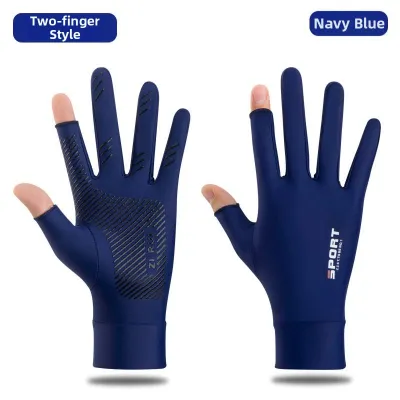
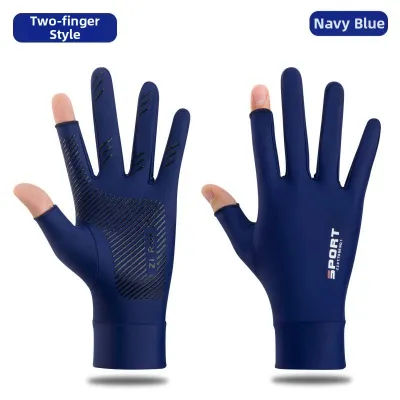
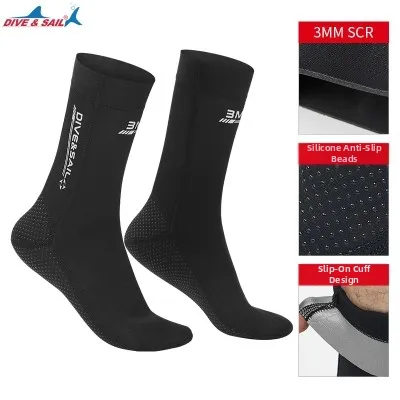
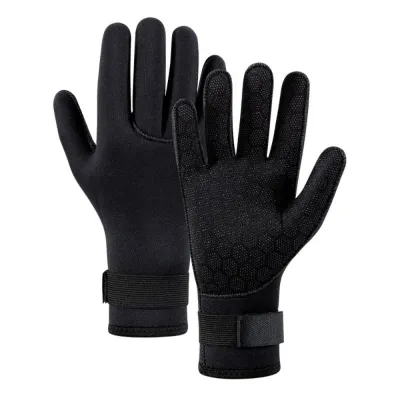
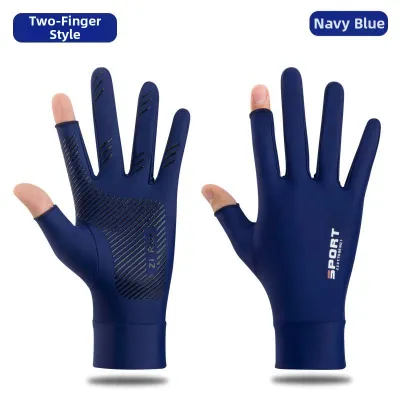

Prices are valid at publication and may change. Please refer to the product page for the latest price.
Water conducts heat away from the body much faster than air, making thermal protection vital even in seemingly warm waters during long exposures. When evaluating diving gloves, the thickness of the material—typically measured in millimeters—and the presence of internal linings are the primary indicators of thermal performance. Thicker materials offer greater insulation but increase buoyancy and resistance to hand movement.
Before purchasing, you must check the manufacturer’s product labels and specifications to verify the intended temperature range and depth ratings. Pressure at depth compresses certain materials, which reduces their insulating properties. Additionally, a proper fit is essential; gloves that are too loose will allow water to constantly flush through, carrying away body heat, while gloves that are too tight can restrict circulation and accelerate coldness and hand fatigue.
Neoprene Diving Gloves: Thermal Protection and Comfort
Neoprene is the standard material for general diving due to its excellent thermal insulation properties. It works by trapping a thin layer of water between your skin and the glove, which your body heat quickly warms. For tropical diving conditions, such as those found in popular Philippine dive sites like Anilao or Moalboal, thin neoprene gloves ranging from 1.5 mm to 3 mm are generally sufficient to ward off the chill of longer dives or unexpected thermoclines without overly restricting hand movement.

While neoprene excels at keeping your hands warm, maintaining finger mobility requires choosing the correct thickness for your specific dive profile. A 5 mm or 7 mm neoprene glove is highly effective in cold waters but will significantly stiffen your grip, requiring more hand strength to perform basic tasks. Divers must also choose between double-lined neoprene, which features nylon on both sides for durability, and single-lined neoprene, which has a smooth interior that seals tightly against the skin to minimize water movement but is more fragile to put on.
Standard neoprene has limited resistance to sharp punctures and heavy abrasions. If you accidentally grab a sharp rock or brush against a stinging organism, standard neoprene can easily tear, exposing your skin to injury. Divers must verify the seam construction on neoprene gloves, looking for glued and blind-stitched options that minimize water exchange and maximize durability. If your diving involves frequent contact with rough surfaces, standard neoprene may not offer sufficient longevity.
Kevlar-Reinforced Gloves: Maximum Protection for Hazardous Environments
Kevlar-reinforced gloves are designed for environments where physical hazards pose a greater risk than cold water. These gloves typically feature a flexible neoprene base for warmth, with heavy-duty Kevlar panels stitched over the palms, fingertips, and other high-wear areas. This construction is highly beneficial for wreck diving, search-and-recovery operations, or navigating areas with sharp volcanic rock and dense marine growth.
When selecting Kevlar gloves, it is essential to verify the placement of the reinforcement panels. Some designs only protect the palms, while others wrap around the fingertips to provide comprehensive cut and puncture resistance. Because Kevlar is an aramid fiber with high tensile strength, it resists tearing from jagged metal edges and sharp shells that would easily slice through standard neoprene.
However, this robust protection comes with distinct trade-offs. Kevlar panels are stiff, which reduces tactile feedback and makes fine motor tasks—such as manipulating small clips, tying knots, or adjusting camera settings—more challenging. The added material can also slightly alter your buoyancy characteristics and trap air if not fitted correctly. Divers must ensure that the gloves fit snugly without restricting circulation, as tight gloves can accelerate hand fatigue. Additionally, check the quality of the stitching; double-stitched or liquid-sealed seams help prevent the Kevlar panels from peeling away from the neoprene backing over time.
Latex Diving Gloves: Dexterity and Lightweight Tasks
Latex diving gloves are specialized tools favored by drysuit divers and those performing tasks that require maximum dexterity. Because latex is incredibly thin and elastic, it allows for near-natural tactile sensitivity. This makes latex gloves the preferred choice for underwater photographers adjusting delicate dials, researchers handling small specimens, or technical divers managing complex gear configurations.
Despite their unmatched dexterity, latex gloves offer virtually no thermal insulation on their own. In drysuit systems, they are typically used as an outer waterproof barrier over specialized thermal under-gloves. In warm-water environments, wearing thin latex gloves alone provides minimal protection against physical hazards; they are easily punctured by sharp coral, sea urchin spines, or jagged metal. Because they are prone to tearing, technical divers often carry a backup pair or a patch kit during long missions.
Furthermore, before using latex gloves, divers must perform a mandatory check for latex allergies or skin sensitivities. Even mild exposure can cause severe contact dermatitis or systemic reactions underwater, which can compromise safety during a dive. If you experience any itching, redness, or swelling during a pre-dive fitting, you must immediately discontinue use and seek alternative materials.
How to Match Glove Material to Your Diving Conditions
Selecting the right diving gloves requires matching the material properties to your specific dive plan and local environmental conditions. A systematic approach to choosing your gear helps prevent hand fatigue, cold exposure, or physical injury. Equipment cannot replace proper training and situational awareness underwater.
Consider the following conditional checklist when planning your gear configuration:
- Reef Exploration (Warm Water): Opt for 1.5 mm to 3 mm neoprene gloves to protect against accidental scrapes and mild stings while maintaining high dexterity.
- Wreck Penetration or Technical Diving: Select Kevlar-reinforced gloves to guard against sharp metal, rust, and abrasive surfaces, prioritizing physical protection over maximum flexibility.
- Drysuit or Cold-Water Diving: Use latex gloves integrated with a drysuit system, paired with appropriate thermal liners, to keep hands completely dry and warm.
If a single material cannot meet all your environmental needs, consider hybrid glove designs that combine a flexible neoprene body with reinforced synthetic leather or rubberized palms. Additionally, divers must always cross-reference their glove choice with local marine park regulations. In many protected marine sanctuaries across the Philippines, such as Tubbataha Reefs Natural Park, the use of diving gloves is strictly regulated or prohibited for recreational divers to discourage touching the reef and to protect delicate coral structures. Gloves should never be used as an excuse to disregard proper buoyancy control or to make physical contact with the marine environment.
Care, Maintenance, and Safety Checks
Proper care and maintenance are vital to ensure your diving gloves remain safe and functional over many dive seasons. Saltwater, chlorine, and tropical humidity can rapidly degrade glove materials if they are not cleaned correctly after every use.
To maintain your gloves, follow these material-specific protocols:
- Neoprene and Kevlar: Rinse thoroughly in fresh water inside and out to remove salt crystals and organic debris. Hang them to dry in a shaded, well-ventilated area away from direct sunlight, which can dry out and crack the material. Ensure they are completely dry before storage to prevent mold and mildew growth, which thrives in humid tropical climates.
- Latex: Wash with mild soap and fresh water, dry thoroughly, and apply a light coating of non-scented talcum powder or drysuit glove powder to prevent the latex from sticking to itself or degrading.
Before every dive, conduct a thorough visual inspection of your gloves. Check for seam separation, thinning material, loss of elasticity, or compromised reinforcement layers. If you observe significant wear, deep cuts, or holes that allow water to flush freely through neoprene gloves, it is time to replace them. Damaged gloves can lead to rapid heat loss or unexpected exposure to sharp hazards, compromising your safety and comfort underwater.
Frequently Asked Questions (FAQ)
Can I use Kevlar gloves for cold-water diving?
Kevlar itself does not provide thermal insulation; its primary purpose is to offer cut and puncture resistance. However, many manufacturers produce cold-water gloves that feature a thick neoprene body (such as 5 mm or 7 mm) with Kevlar reinforcement panels on the palms and fingers. If you plan to dive in cold water, you must verify that the gloves have an adequate thermal lining or neoprene thickness rather than relying on the Kevlar material alone for warmth.
How do I check for latex allergies before diving?
If you suspect you have a latex sensitivity, consult a medical professional for formal allergy testing before using latex diving gloves. Underwater allergic reactions can be dangerous, causing skin irritation, swelling, or respiratory distress. If you have any known sensitivity or wish to avoid the risk entirely, switch to alternative materials such as neoprene or nitrile gloves, which offer excellent performance without the risk of a latex-induced reaction.
Community discussion
Share your experience or ask a question. Comments are reviewed before publication.