
Selecting the correct mesh size for a nylon net bag depends entirely on whether you are keeping delicate live bait swimming or securing a heavy, freshly landed catch. For live bait, you must use a fine, knotless mesh—typically between 1/8 inch and 1/4 inch (3mm to 6mm)—to prevent escapes, avoid fatal “gilling,” and protect their sensitive slime coats. Conversely, holding your catch requires a much larger, heavy-duty mesh of 1/2 inch to 1 inch (12mm to 25mm) that allows rapid water drainage, resists tearing from sharp dorsal spines, and sheds debris easily when lifted. Using the wrong bag can quickly ruin your fishing trip, either by letting your expensive bait slip away or by tearing open under the weight of your hard-earned fish.
In the warm, humid coastal and freshwater environments of the Philippines, managing your bait and catch requires careful attention to water circulation and temperature. High water temperatures accelerate oxygen depletion, meaning a submerged net bag must offer optimal water exchange to keep its occupants alive. Nylon is the preferred material for these tasks because of its high tensile strength, elasticity, and resistance to rot in wet environments. However, understanding how to match the specific mesh dimensions to your target species is the key to maximizing the utility of this simple yet essential piece of gear.
Understanding Mesh Size Requirements for Live Bait
Keeping bait alive and energetic requires a delicate balance between containment and environmental exposure. The primary function of a bait bag is to allow a continuous flow of fresh, oxygenated water to pass through the mesh while keeping the bait securely inside. If the mesh is too dense or tightly woven, water inside the bag becomes stagnant, oxygen levels drop rapidly, and the bait will quickly suffocate in the tropical heat.
Products mentioned in this guide
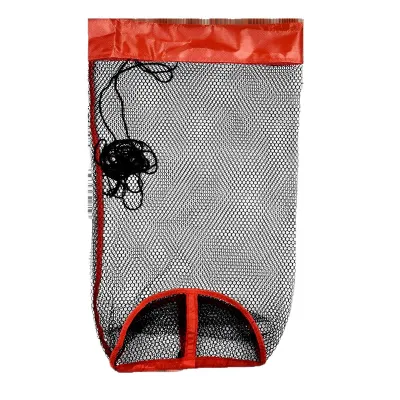
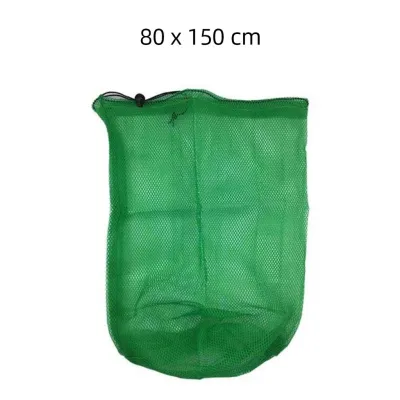
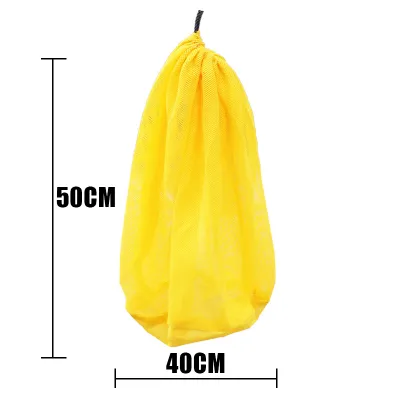
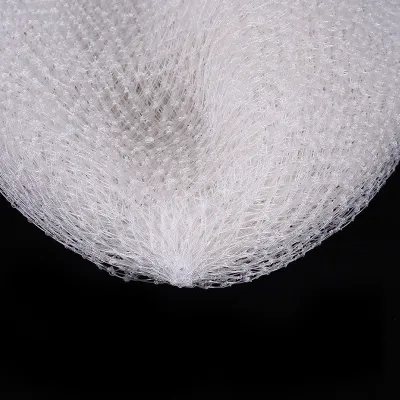
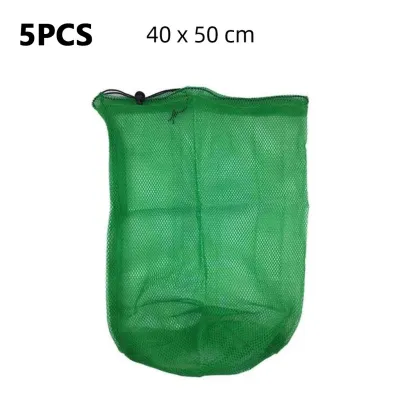
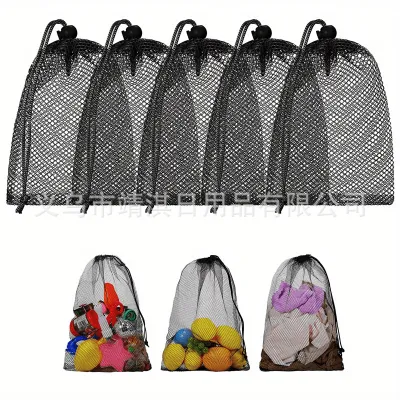
Prices are valid at publication and may change. Please refer to the product page for the latest price.
At the same time, the mesh must be small enough to prevent the bait from escaping or getting stuck. When baitfish attempt to swim through mesh that is slightly too large, they often get their heads through but cannot pass their bodies. This is known as “gilling,” which restricts their breathing and causes rapid mortality. To prevent this, the mesh opening must always be smaller than the smallest cross-section of your bait species, such as the body width of small shrimp or the head depth of local sardines.
Another critical factor is the physical texture of the nylon itself. Live baitfish are highly susceptible to losing their protective slime coats and scales when they rub against rough surfaces. Standard knotted nylon nets can act like sandpaper against delicate skin, leading to infections and sluggish behavior. When selecting a bag for live bait, look for smooth, knotless nylon micro-mesh, which minimizes friction and keeps your bait healthy and active for longer periods.
Selecting the Ideal Mesh for Holding Your Catch
Once you transition from keeping bait alive to securing your harvested catch, the structural requirements of the nylon net bag change dramatically. A catch bag does not need to protect a fish’s delicate slime coat; instead, it must withstand the sharp fins, teeth, and dorsal spines of species like tilapia, bangus, or lapu-lapu. A larger mesh size, ranging from 1/2 inch to 1 inch, is ideal because it allows sharp spines to slide through the openings without snagging or tearing the net fibers.

Rapid water drainage is another major advantage of a larger mesh size. When you lift a net bag full of fish out of the water and onto a boat, kayak, or concrete pier, a fine-mesh bag will trap liters of water, creating immense drag and adding unnecessary weight. A larger mesh allows water to drain instantly, ensuring that you are only lifting the actual weight of your catch and reducing the physical strain on both your arms and the bag’s seams.
Furthermore, larger mesh sizes make cleaning and maintenance much simpler. Fish slime, scales, seaweed, and bottom debris can easily become trapped in fine micro-mesh, leading to unpleasant odors and bacterial growth. A larger mesh allows these materials to wash away quickly with a simple rinse. When evaluating a catch bag, pay close attention to the weight capacity and seam construction, ensuring the bottom of the bag is reinforced with heavy-duty nylon binding tape to support a full harvest.
Key Design Features to Check Beyond Mesh Size
While mesh size is the most critical factor for functionality, several secondary design features determine how user-friendly and durable a nylon net bag will be in the field. The closure mechanism is your primary defense against accidental escapes. Drawstrings equipped with spring-loaded plastic cord locks are highly effective for quick access, but you must verify that the toggle holds firmly under tension. For catch bags, heavy-duty molded plastic zippers are often preferred over metal ones, as saltwater will quickly corrode metal components and render them useless.
Floatation rings or rigid hoops are another invaluable feature, especially when fishing from a stationary position or a kayak. A bag without a rigid opening will collapse in moving water or currents, crushing the bait or fish inside and cutting off vital water circulation. A floating collar or a built-in plastic hoop keeps the mouth of the bag open and positioned at the water’s surface, allowing you to drop fish or bait inside quickly with one hand without having to untie or adjust the bag.
Finally, consider the environmental durability of the nylon material. The intense tropical sun can rapidly degrade nylon fibers through photo-degradation, making the mesh brittle and prone to sudden failure. Look for bags that specify UV-resistant treatments or coatings. Additionally, ensure that any metal hardware, such as attachment clips or D-rings, is made of marine-grade stainless steel or high-impact polymer to prevent rust and degradation from constant exposure to saltwater.
How to Measure and Verify Mesh Size Before Use
When shopping for a nylon net bag, manufacturer descriptions can sometimes be confusing, especially regarding how the mesh is measured. Some brands list “square mesh” size, which is the measurement of a single side of the mesh square. Others list “stretched mesh” size, which is measured by pulling the mesh tight and measuring the distance from the inside of one knot to the inside of the opposite knot. Stretched mesh measurements are typically double the square mesh size, so verifying this distinction is crucial.
To measure a net bag accurately at home, lay the bag flat on a stable surface without pulling or tensioning the fabric. Use a ruler to measure the distance of a single open square from the inside of one knot to the adjacent knot. This gives you the relaxed square mesh size. Next, gently stretch the mesh to see how much the nylon expands under tension, as nylon is naturally elastic and will stretch slightly when loaded with water or fish.
Compare these physical measurements directly to the dimensions of your target bait or catch. If you plan to store small glass shrimp that are only 4mm wide, and your relaxed mesh measures 5mm, those shrimp will easily slip through the openings. Additionally, check the manufacturer’s tag for the denier and ply specifications of the nylon thread. A higher ply number (such as 9-ply or 12-ply) indicates a thicker, stronger strand that is perfect for heavy catch bags, while a lower ply (such as 3-ply or 6-ply) is lighter and softer, making it ideal for delicate bait.
Maintenance and Care for Nylon Net Bags
To extend the lifespan of your nylon net bag and prevent material degradation, a regular maintenance routine is essential. Saltwater is particularly damaging to nylon; as the water evaporates, it leaves behind microscopic salt crystals that dry inside the fibers. These crystals act like tiny abrasive blades, slowly cutting the nylon strands from the inside out every time the bag flexes. Always rinse your net bag thoroughly with clean, fresh water after every outing, paying close attention to the seams, knots, and closure mechanisms.
After rinsing, dry the bag completely before storing it away. Never leave a wet nylon bag crumpled inside a dark tackle box or plastic bin, as this creates the perfect environment for mold, mildew, and rot to develop, which weakens the fibers and creates persistent odors. Always hang the bag to dry in a well-ventilated, shaded area. Avoid drying nylon in direct, harsh sunlight, as prolonged exposure to extreme heat and UV rays will accelerate the breakdown of the polymer chains.
Regularly inspect your bag for any signs of wear and tear before heading out on the water. Look closely for frayed strands, loose knots, or small holes that could expand under pressure. A tiny tear in a bait bag can result in losing your entire supply of bait, while a weakened seam in a catch bag can fail catastrophically when lifting a heavy fish. If you find a small tear, you can often repair it using heavy nylon thread or dental floss, but if the damage is extensive or the nylon feels brittle to the touch, it is time to replace the bag.
Frequently Asked Questions (FAQ)
Can I use the same nylon net bag for both bait and catch?
Using a single nylon net bag for both live bait and holding your catch is generally not recommended due to the conflicting requirements of each task. If you attempt to use a large-mesh catch bag for small live bait, the bait will easily escape through the wide openings or become fatally gilled in the mesh. Conversely, if you use a fine-mesh bait bag to hold large, spiny fish, the sharp fins and dorsal spines will quickly puncture and tear the delicate micro-mesh.
Additionally, fine-mesh bags do not drain water quickly, making them incredibly heavy and difficult to lift when filled with larger fish. A medium-mesh bag (around 3/8 inch) can occasionally serve as a compromise, but only if you are using exceptionally large baitfish and harvesting small, smooth-skinned catch. For the best results and to protect your gear, it is highly recommended to keep two separate, dedicated bags in your tackle kit.
How do I prevent fish spines from tearing the nylon mesh?
To protect your nylon net bag from being punctured or torn by sharp fish spines, always practice proper handling techniques when placing fish inside. When loading spiny species like tilapia or kitang, guide them into the bag head-first. This natural direction forces their dorsal and pectoral spines to fold flat against their bodies, minimizing the chance of the sharp tips catching on the nylon strands as they slide in.
Avoid dragging a loaded net bag over rough surfaces, concrete docks, or sharp volcanic rocks along the shoreline. The friction combined with the weight of the fish can easily slice through nylon fibers. Always lift the bag entirely by its reinforced handles or drawstrings rather than pulling it along the ground. If you notice a tear that spans more than two adjacent mesh squares, repair it immediately with heavy nylon thread to prevent the structural failure of the entire bag.
Community discussion
Share your experience or ask a question. Comments are reviewed before publication.