
When building a home gym in the Philippines, choosing the right barbell set is one of the most critical decisions you will make. The market offers a wide variety of strength training equipment, but almost all options fall into two distinct categories: Olympic and standard. Selecting the incorrect style can lead to compatibility issues, wasted money, and potential safety hazards during your workouts.
Your decision between an Olympic barbell set and a standard barbell set should not be based on finding a universal “winner.” Instead, the correct choice depends entirely on your personal lifting goals, your physical training space, your budget, and the compatibility of any existing gym equipment you own. While one lifter may require the high-performance engineering of an Olympic setup, another may find that a basic standard set perfectly meets their daily fitness needs.
To make an informed purchase, you must evaluate three primary pillars: your long-term training objectives, the dimensions of your workout space, and your budget constraints. Understanding how these factors interact will help you invest in a system that supports your fitness journey safely and effectively for years to come.
Products mentioned in this guide
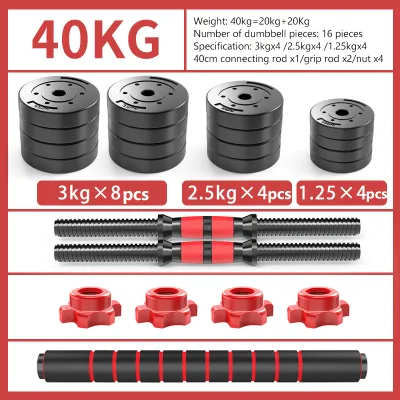
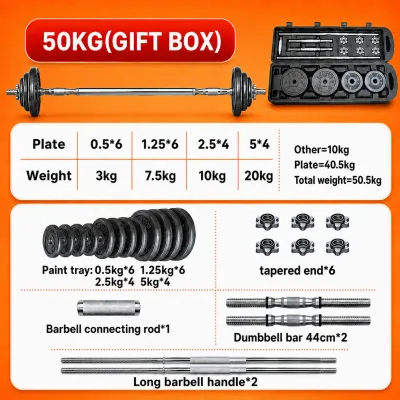
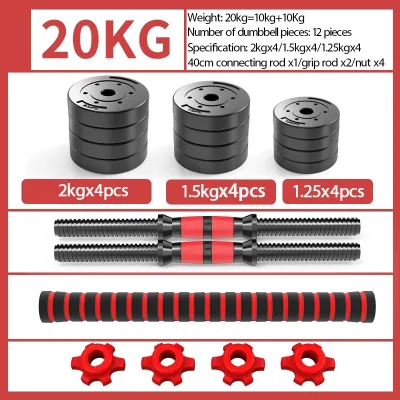
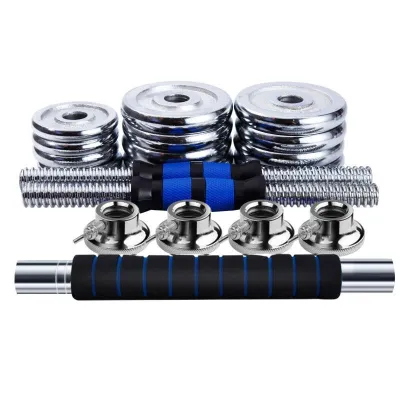
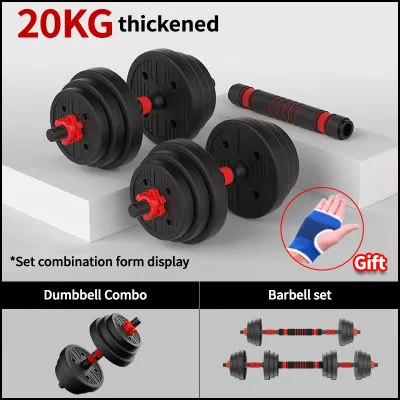
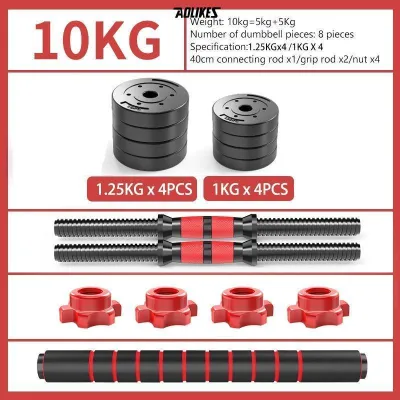
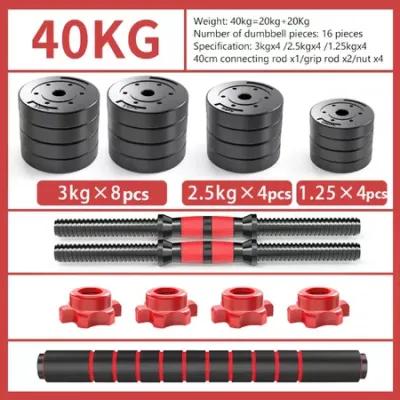
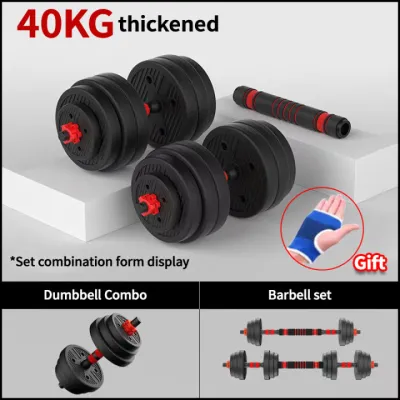
Prices are valid at publication and may change. Please refer to the product page for the latest price.
Core Differences: Olympic vs Standard Barbell Specs
At first glance, all barbells might look similar, but their structural engineering and mechanical designs are vastly different. These specifications dictate how much weight the bar can carry, how the weight plates behave during a lift, and how long the equipment will last under regular use.
Before purchasing any barbell set, always verify the exact load limits, material grades, and sleeve construction on the manufacturer’s official specification sheet. Relying solely on visual appearance can lead to purchasing sub-standard equipment that may warp or break under load.
Bar Dimensions and Sleeve Diameter
The most defining physical difference between the two systems lies in the sleeve diameter, which is the outer end of the shaft where you load the weight plates. An Olympic barbell features sleeves with a 2-inch (approximately 50mm) diameter, while the central shaft that you grip is typically thinner, ranging from 28mm to 32mm.
In contrast, a standard barbell features a uniform 1-inch (approximately 25mm) diameter across its entire length. This means both the central gripping shaft and the weight-loading sleeves share the exact same thickness, giving the bar a completely straight, uniform profile.
Standard men’s Olympic bars are built to strict competitive specifications, measuring 7.2 feet (2.2 meters) in length and weighing exactly 20 kilograms (about 44 pounds). Women’s Olympic bars generally weigh 15 kilograms (about 33 pounds) and are slightly shorter at 6.6 feet.
Standard barbell sets exhibit no such strict standardization. They are highly variable, with bar lengths ranging from 5 feet to 6 feet and weights often falling between 5 and 10 kilograms. This lighter starting weight makes standard bars much easier to handle for beginners or those recovering from injuries.
Weight Plates and Cross-Compatibility
Because the sleeve diameters differ so significantly, the weight plates manufactured for each system are completely incompatible with one another. Olympic weight plates feature a 2-inch center hole, allowing them to slide smoothly onto Olympic sleeves.
Standard weight plates are designed with a 1-inch center hole to match standard bars. These plates are commonly made of solid cast iron or cement filled with vinyl, which are highly popular for basic home workouts.
Never attempt to force incompatible plates onto a bar. Trying to slide a standard 1-inch plate onto a 2-inch Olympic sleeve is physically impossible. Conversely, placing an Olympic plate onto a standard 1-inch bar creates a highly unstable, loose fit.
If you load a 2-inch plate onto a 1-inch bar, the plate will wobble, slide, and shift during your lift. This shifting weight can easily throw off your balance, damage the bar’s surface, or cause the plates to slip off entirely, risking severe injury.
While plastic or metal sleeve adapters are commercially available to convert a 1-inch standard sleeve to a 2-inch Olympic sleeve, they have notable limitations. Adapters can alter the bar’s balance, reduce the usable sleeve length, and may not support heavy loads securely. Always check the adapter manufacturer’s safety limits before relying on them.
Weight Capacity and Durability Features
The engineering behind Olympic bars is designed to withstand extreme forces. These bars are constructed from high-tensile steel, allowing them to bend slightly under heavy loads and spring back into shape without permanently warping—a characteristic known in the fitness community as “whip.”
Furthermore, Olympic bars feature rotating sleeves equipped with either bushings or needle bearings. This rotation is crucial because it allows the weight plates to spin freely while you lift, reducing the rotational torque transferred to your wrists, elbows, and shoulders during dynamic movements.
Standard bars are much simpler mechanical devices. They typically feature static, non-rotating sleeves, meaning the entire bar and the loaded plates must rotate together. This design is perfectly fine for slow, controlled movements but can strain your joints during rapid transitions.
Because standard bars are often made from lower-grade steel or hollow tubes, they have much lower weight thresholds and are prone to permanent bending if overloaded.
Safety Check: Never assume a barbell’s weight capacity based on its category alone. You must check the manufacturer’s stated maximum load capacity and yield strength (measured in PSI for Olympic bars) for your specific model before attempting heavy lifts.
Aligning Your Barbell Choice With Training Goals
Your choice of a barbell set should directly reflect how you plan to train. Investing in equipment that matches your physical routines ensures both safety and optimal performance over years of use.

Heavy Lifting, Powerlifting, and Dynamic Movements
If your fitness regimen revolves around compound movements like heavy squats, deadlifts, overhead presses, or competitive powerlifting, an Olympic barbell set is virtually non-negotiable. The structural integrity of these bars ensures they will not bend permanently when loaded with multiple heavy plates.
Similarly, dynamic training styles such as Olympic weightlifting (cleans, jerks, and snatches) and high-intensity functional fitness require the specialized mechanics of an Olympic bar. The rotating sleeves allow the plates to spin smoothly as you transition your grip, protecting your joints from sudden rotational shocks.
Additionally, the natural flexibility or “whip” of a high-quality Olympic bar helps absorb the impact of sudden transitions, protecting your joints and assisting in the lift’s momentum. The high tensile strength also ensures they can handle being dropped onto rubber gym flooring or platform mats without bending, provided you are using appropriate rubber bumper plates.
General Fitness, Toning, and Beginner Routines
If your primary goals are general fitness, muscular toning, cardiovascular conditioning, or targeted isolation exercises (like bicep curls, tricep extensions, and bent-over rows), a standard barbell set is highly practical. These routines do not require the advanced engineering of rotating sleeves and high-tensile steel.
For beginners who are just learning lifting mechanics, starting with a standard bar can be much less intimidating. The lighter starting weight of a standard bar allows you to perfect your form and build baseline strength before transitioning to heavier loads.
Standard sets are also excellent for high-repetition, low-resistance workouts, such as body pump classes or home-based aerobic strength routines. If you do not plan to perform heavy compound lifts or dynamic movements, a standard bar provides a stable, reliable platform for basic resistance training at a fraction of the physical demand.
Home Gym Constraints: Space, Budget, and Compatibility
Beyond your fitness goals, the physical and financial realities of your home environment play a massive role in determining which barbell set is the right fit. Setting up a gym in a Philippine home requires careful planning around spatial limitations, tropical climates, and budget priorities.
Rack and Bench Compatibility
Before buying a barbell, you must ensure it is compatible with your existing or planned support equipment, such as squat stands, power racks, or weight benches. Most commercial-grade power racks and half-racks are designed specifically for the dimensions of a standard 7.2-foot Olympic bar.
The distance between the rack’s uprights requires a bar with a wide shaft length (the grip area between the sleeves) to rest securely in the J-cups. If you attempt to use a shorter standard bar on a standard-width power rack, the sleeves may rest directly on the J-cups, or the bar may be too short to span the distance entirely, creating a severe drop hazard.
Conversely, many compact, entry-level bench presses sold for home use are designed specifically for standard bars and have narrower uprights. An Olympic bar might be too wide or too heavy for these lightweight benches, risking a structural tip-over.
Always measure the outer and inner widths of your rack’s uprights and compare them to the shaft length of the barbell you intend to buy. Ensure the J-cups are wide enough to seat the bar sleeve securely without pinching.
Budget and Long-Term Value
From a financial perspective, standard barbell sets offer a significantly lower entry cost. If you are testing the waters of home fitness or working with a limited budget, a standard set allows you to acquire a bar and a decent amount of weight plates for a minimal initial outlay in Philippine Pesos (₱).
However, fitness enthusiasts often fall into the “upgrade trap.” As your strength progresses, you may quickly exceed the safe weight capacity of a standard bar. When this happens, you cannot simply buy a stronger bar; because standard plates do not fit Olympic bars, you will have to replace your entire inventory of weight plates as well.
This means buying a standard set with the intention of upgrading later often ends up costing twice as much as investing in an Olympic barbell set from the beginning. If you foresee yourself committing to long-term strength training and progressive overload, saving up for an Olympic set is the more cost-effective decision over a multi-year horizon.
Space and Storage Footprint
The physical layout of your home is another crucial factor. In typical Philippine residential spaces, such as high-rise condominiums in Metro Manila or compact townhouse garages, space is at a premium. A full-size 7.2-foot Olympic bar requires a clear lifting path of at least 9 feet to allow for safe loading and unloading without hitting walls or furniture.
If your dedicated workout space is small, a shorter standard bar (often 5 or 6 feet) is much easier to maneuver and store. Furthermore, consider the storage footprint of the weight plates. Olympic bumper plates, which are made of dense rubber to absorb impact, are significantly thicker than cast-iron plates and require more floor or rack space.
Additionally, the high humidity and tropical climate of the Philippines can accelerate rust on steel equipment. Standard bars often feature basic chrome plating that can flake or rust quickly in non-air-conditioned garage gyms. Olympic bars are available in more advanced rust-resistant finishes like black oxide, hard chrome, zinc, or stainless steel, which offer better protection against sweat and humid air, though they require regular maintenance like oiling.
Final Decision Framework: Which Barbell Set Fits Your Needs?
To help you make the final choice for your home gym setup, use this structured decision framework to match your profile to the correct barbell system.
Choose an Olympic Barbell Set if:
- Progressive Strength: Your training involves heavy compound lifts (squats, deadlifts, bench presses) and you plan to consistently increase your lifting weights over time.
- Dynamic Movements: You practice Olympic weightlifting, powerlifting, or CrossFit-style workouts that require rotating sleeves and bar whip.
- Standard Equipment: You plan to use a full-size power rack, squat stand, or commercial-grade bench.
- Long-Term Investment: You want to buy a durable system once and avoid the cost of replacing your entire plate collection later.
Choose a Standard Barbell Set if:
- Light-to-Moderate Fitness: Your workouts focus on general conditioning, high-rep toning, or isolation movements where heavy loads are not required.
- Strict Initial Budget: You need an affordable entry point into strength training and want to minimize your upfront costs.
- Tight Spatial Limits: You are working in a cramped room, condo, or balcony where a 7.2-foot bar is physically too long to use safely.
- Beginner Friendly: You prefer a lighter starting bar weight to learn proper lifting form without excessive physical strain.
Verify Before You Buy:
- Before finalizing your purchase, always measure your workout area to ensure adequate clearance.
- Double-check the dimensions of your existing rack's J-cups, the width of your bench uprights, and the inner hole diameter of any weight plates you already own to guarantee perfect compatibility.
Frequently Asked Questions (FAQ)
Can I use standard weight plates on an Olympic bar?
No, standard weight plates cannot be used directly on an Olympic bar. Standard plates are manufactured with a 1-inch (25mm) center hole, whereas the sleeves of an Olympic bar have a 2-inch (50mm) diameter. The physical opening of a standard plate is too small to slide onto the thicker Olympic sleeve.
While you can find adapter sleeves designed to convert 1-inch bars to accept 2-inch plates, there is no safe way to make a 1-inch plate fit a 2-inch bar without physically machining the plate, which is highly impractical and can ruin the plate’s balance. To maintain safety and stability during your workouts, always pair your barbell with the matching plate standard.
Is a standard barbell safe for heavy bench pressing?
The safety of a standard barbell during a bench press depends entirely on the specific bar’s manufacturer-rated weight capacity and your lifting weight. Many standard bars are designed for light-to-moderate loads and may have a maximum capacity of only 100 to 150 kilograms (approximately 220 to 330 pounds).
Exceeding this rated limit, or dropping the loaded bar onto a rack, can cause the steel to bend permanently or fracture, leading to catastrophic equipment failure over your chest. Always inspect your barbell’s official specification sheet for its maximum weight limit. If you plan on progressively overloading your bench press beyond basic fitness levels, upgrading to a high-tensile Olympic barbell set is highly recommended for your personal safety.
Community discussion
Share your experience or ask a question. Comments are reviewed before publication.