
Choosing the right wetsuit for spearfishing comes down to balancing thermal efficiency, flexibility, and ruggedness against your typical diving environment and maintenance habits. For most dedicated spearfishers and freedivers, open cell wetsuits are the preferred choice because they offer unmatched warmth and freedom of movement. However, closed cell wetsuits remain highly practical for beginners, those who frequently dive from rocky shorelines, or anyone who prefers a quick, dry-donning process without the need for lubricants.
Understanding the physical differences between these two materials is essential before making an investment. Because spearfishing involves long periods of low-activity floating on the surface punctuated by intense, breath-hold descents, your suit must perform well across different depths and temperatures. By evaluating how each neoprene type handles heat retention, stretch, and daily wear, you can select the gear that best supports your time in the water.
How Open Cell and Closed Cell Neoprene Differ
To understand why these two wetsuit types perform so differently, it helps to look at how neoprene is manufactured. Neoprene is a synthetic rubber filled with millions of microscopic nitrogen gas bubbles, which provide both insulation and buoyancy. The primary distinction between open cell and closed cell suits lies in how the interior surface of this rubber is finished before the suit is assembled.
Products mentioned in this guide
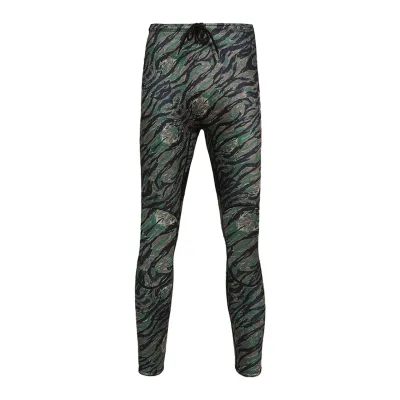
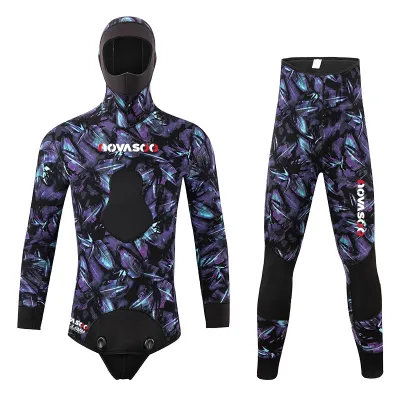
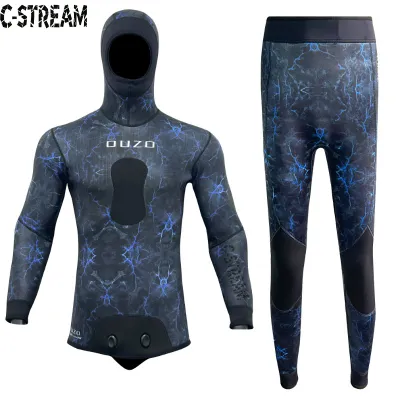
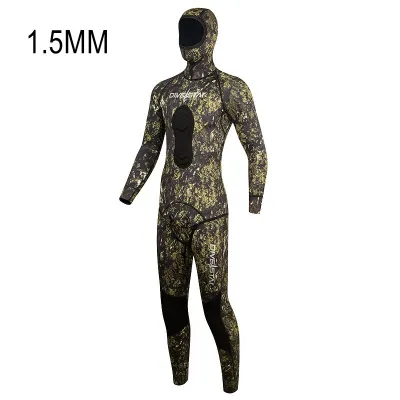
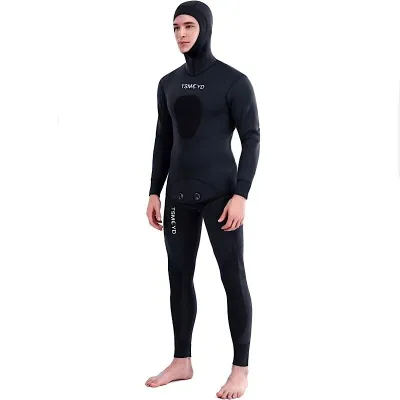
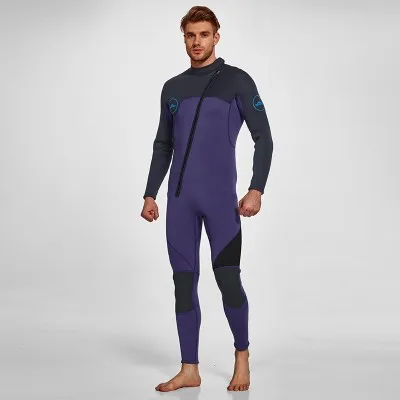
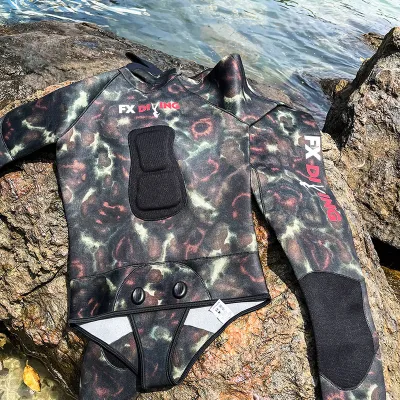
Prices are valid at publication and may change. Please refer to the product page for the latest price.
An open cell wetsuit features a raw, unlined neoprene interior. During manufacturing, large blocks of neoprene are sliced into sheets, cutting directly through the microscopic nitrogen bubbles. This leaves countless tiny, open half-bubbles on the inside surface of the suit. When placed against the skin, these open cells act like miniature suction cups, preventing the suit from shifting and creating a highly effective barrier against water movement.
In contrast, a closed cell wetsuit has an interior lined with a protective fabric layer, typically made of woven nylon, polyester, or spandex. This fabric lining covers the open bubbles, making the inside of the suit smooth, dry to the touch, and easy to slide over your skin. While the lining makes the suit much easier to put on, it prevents the neoprene from making direct contact with your body.
Exterior coatings can vary independently of the interior cell type. Many spearfishing suits feature a nylon exterior to protect the delicate rubber from reef scrapes, while others use a smoothskin or glide skin exterior to minimize surface drag. Understanding this distinction is crucial, as a suit can have a rugged nylon exterior while still utilizing a raw, open cell interior for maximum warmth.
Warmth and Thermal Retention During Long Dives
Thermal protection is the single most important factor when choosing a wetsuit for spearfishing. Unlike scuba divers who move continuously or surfers who spend time active on their boards, spearfishers often spend hours floating quietly on the surface, waiting for target fish. This low-activity state makes you highly susceptible to hypothermia, even in tropical waters.

Open cell wetsuits excel at heat retention because of the skin-seal effect. Because the raw neoprene sticks directly to your body, it virtually eliminates water flushing. Flushing occurs when cold water enters through the collar, wrists, or ankles, gets warmed by your body heat, and is then pushed out and replaced by a fresh rush of cold water. By stopping this water exchange, an open cell suit keeps a single, microscopic layer of moisture against your skin, allowing your body to maintain its core temperature with minimal energy expenditure.
Closed cell suits are far more prone to micro-flushing. Because the inner fabric lining cannot stick to your skin, water can flow relatively freely through the small gaps between your body and the suit. Every time you bend your torso, kick your fins, or look around, a small amount of water is pumped through the suit, constantly stealing your body heat. Over a long session, this continuous heat loss leads to shivering, fatigue, and shorter breath-hold times.
Neoprene thickness must be matched to your diving environment and the cell type you choose. In tropical regions like the Philippines, surface temperatures can be warm, but deep thermoclines can quickly chill a diver. A 1.5mm to 3mm open cell suit often provides the same thermal protection as a much thicker 5mm closed cell suit. By choosing a thinner open cell suit, you can stay warm while reducing the amount of lead weight required to submerge, making your dives safer and less exhausting.
Flexibility and Hydrodynamics for Freediving
Spearfishing is a form of freediving, meaning your performance is directly tied to your oxygen efficiency. Any restriction on your movement forces your muscles to work harder, consuming precious oxygen and shortening your dive times. The flexibility of your wetsuit plays a massive role in how comfortable and efficient you are underwater.
Unlined open cell neoprene offers unparalleled stretch. Without an inner fabric lining to restrict the rubber, the material can expand and contract freely. This is particularly noticeable in the chest area, where an open cell suit allows for full, unrestricted lung expansion during your pre-dive breathe-up. It also allows for a more natural, fluid finning technique, as your hips and knees do not have to fight against the resistance of a stiff fabric lining.
Closed cell suits are inherently stiffer because of their dual-layer construction. The inner fabric lining, even when made of high-stretch spandex, acts as a physical limit on how far the neoprene can stretch. This stiffness can cause muscle fatigue over a long day of diving, particularly in the shoulders and calves. For shallow, casual diving, this resistance may be negligible, but for deeper descents, it becomes a noticeable drawback.
Furthermore, high-end spearfishing suits often utilize specific neoprene grades designed to resist compression at depth. As you dive deeper, water pressure compresses the nitrogen bubbles inside the neoprene, making the suit thinner and reducing its insulating properties. High-quality open cell suits balance extreme flexibility at the surface with excellent compression resistance at depth, ensuring you stay warm and buoyant throughout your dive profile.
Durability, Donning Ease, and Daily Maintenance
While open cell suits win on warmth and flexibility, closed cell suits are the clear victors when it comes to durability, convenience, and ease of use. The practicalities of gearing up and caring for your suit can heavily influence which option is right for your lifestyle.
Putting on an open cell wetsuit requires a specific lubrication process. Because the raw rubber sticks to dry skin, you cannot slide into an open cell suit dry without immediately tearing the material. You must use a lubricant, typically a mixture of fresh water and a small amount of biodegradable, skin-safe soap or hair conditioner. You pour this mixture inside the suit, shake it to coat the interior, and then slide in. While this process is quick once mastered, it can be messy and inconvenient, especially when changing on a crowded boat or a windy beach.
Closed cell suits can be slipped on dry or wet without any lubricant. This makes them incredibly convenient for quick sessions, multi-sport days, or travel where carrying soapy water is impractical. If you value a hassle-free, plug-and-play gear setup, the convenience of a closed cell suit is difficult to beat.
In terms of durability, open cell neoprene is highly delicate. The raw interior is easily gouged by long fingernails during donning, and the lack of an inner lining means the suit can tear if pulled too hard. It is also more vulnerable to damage from sharp reef edges, barnacles, and rocky shore entries. Closed cell suits, protected by fabric on both sides, are incredibly tough. They can withstand rough handling, rocky scrambles, and the general wear and tear of active spearfishing without requiring constant repairs.
Maintenance routines also differ significantly. Open cell suits must be thoroughly rinsed with fresh water after every use to remove salt, organic matter, and soap residue, which can degrade the raw rubber over time. They must be dried inside-out first, away from direct sunlight, and stored flat or on wide, padded hangers to prevent creasing. Closed cell suits are much more forgiving of basic rinsing and hanging, making them easier to maintain for casual divers.
Which Wetsuit Fits Your Spearfishing Profile?
To make your final decision, evaluate your typical diving conditions, your experience level, and how much effort you are willing to put into gear maintenance. Neither suit is a universal winner, but one will align much better with your specific diving style.
Choose Open Cell if:
- Your primary goals are maximum warmth, comfort, and long breath-hold times.
- You plan to dive in deeper waters, face cold thermoclines, or stay in the water for several hours at a time.
- You are comfortable using a soapy lubricant to put on your suit before every dive.
- You are willing to handle your gear with care, keep your fingernails trimmed, and follow a meticulous rinsing and drying routine.
- You want to minimize the thickness of your suit to reduce the amount of dive weight you need to carry.
Choose Closed Cell if:
- You are a beginner who wants a simple, durable, and user-friendly suit.
- You frequently conduct shore entries over sharp rocks, shallow reefs, or through heavy surf where gear abrasion is highly likely.
- You travel often and do not want the hassle of carrying and mixing lubricant at remote dive sites.
- You want a versatile suit that you can also use for surfing, wakeboarding, or scuba diving.
- You prefer a suit that can be put on dry in a matter of seconds without any preparation.
Verify First
Before purchasing any spearfishing wetsuit, verify the manufacturer’s sizing chart carefully, as an improper fit will ruin the performance of both open and closed cell designs. Look for suits with glued and blindstitched (GBS) seams rather than flatlock stitching, as GBS seams prevent water from leaking through the seams. Finally, check the chest loading pad; a dedicated spearfishing suit should have a padded chest area to make loading your speargun comfortable and safe.
Frequently Asked Questions (FAQ)
Can I use a standard surfing wetsuit for spearfishing?
While you can use a standard surfing wetsuit for casual, shallow spearfishing in warm water, it is not ideal for dedicated diving. Surfing suits are designed for surface activity and are cut differently, often lacking the high-waisted pants and separate jacket design of spearfishing suits. They are almost always closed cell, which means they will flush more water during deep descents and restrict your chest expansion during breath-holds. Additionally, surfing suits lack a chest loading pad, making it painful and potentially dangerous to load a rubber-banded speargun against your chest.
Do I need an attached hood for spearfishing in tropical waters?
An attached hood is highly recommended for spearfishing, even in warm tropical waters. While you may not need the hood for extreme cold, it plays a vital role in streamlining your profile and preventing water from flushing down your neck when you look down. A hood also provides excellent protection against stinging jellyfish, sea lice, and intense tropical sunburn on the back of your neck. For very warm, shallow dives, you can pull the hood back off your head, but having an attached hood available is a major safety and comfort advantage for long sessions.
Community discussion
Share your experience or ask a question. Comments are reviewed before publication.