
Choosing the right taekwondo head gear is a critical decision that directly impacts your safety, comfort, and performance on the mat. The choice between open-face and closed-face designs is not about finding a universal winner, but rather about understanding how each style aligns with your specific training goals, sparring intensity, and competition rules. While both designs utilize shock-absorbing foam to cushion impacts, they distribute coverage differently, creating distinct trade-offs in visibility, weight, and heat retention.
To make an informed choice, you must evaluate how these structural differences affect your ability to react to incoming kicks and how the gear performs under intense physical exertion. By focusing on verifiable product specifications, proper fit, and your personal training context, you can select a head guard that keeps you protected without compromising your movement or vision.
Core Differences in Coverage and Vision
The most immediate distinction between open-face and closed-face taekwondo head gear lies in how much of your face remains exposed. An open-face head guard features a classic design that wraps securely around the forehead, temple, sides, and back of the head, while leaving the entire front of the face completely open. This structural simplicity maximizes your peripheral vision, allowing you to spot high, fast-moving kicks coming from extreme angles without needing to turn your neck excessively. In a sport where split-second reactions dictate whether you successfully block a roundhouse kick or absorb the impact, unobstructed vision is a significant tactical advantage.
Products mentioned in this guide
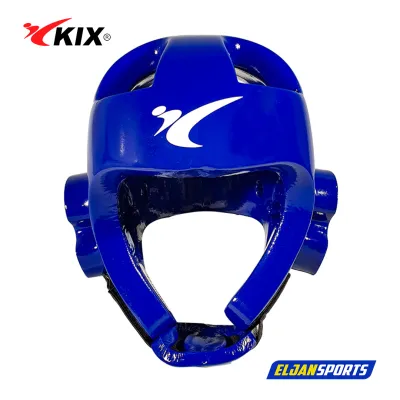
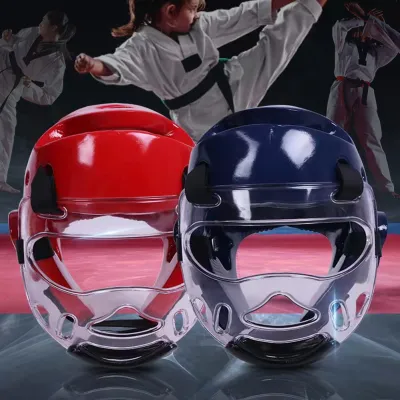
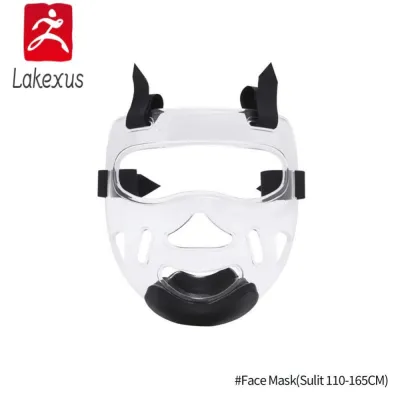
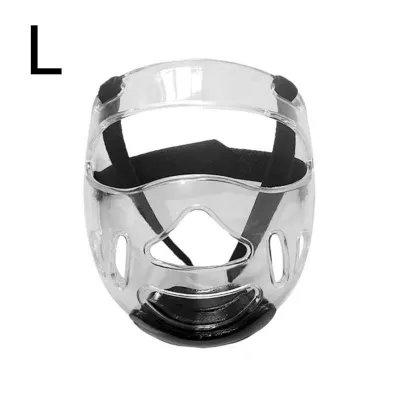
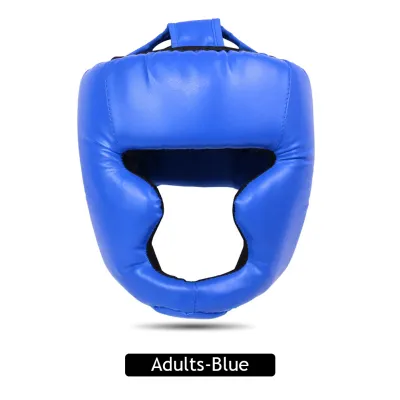
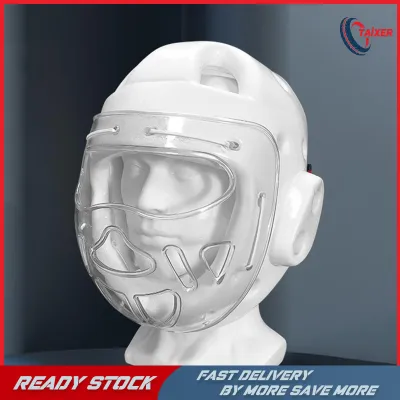
Prices are valid at publication and may change. Please refer to the product page for the latest price.
Conversely, a closed-face head guard extends its protective foam forward, incorporating built-in cheek guards and, in some specialized training models, a padded chin bar. While this design physically covers more surface area, the added material inevitably narrows your field of view. The cheek guards create physical blind spots, particularly in your lower peripheral vision, making it more challenging to track low-level footwork, stance shifts, or low-line attacks. The structural bulk can also make your head feel larger and more cumbersome, slightly altering your spatial awareness during close-range exchanges.
Before you commit to a purchase and remove the retail tags, it is essential to physically check these visibility limits in a controlled environment. Put the head gear on, secure the straps, and look straight ahead at a fixed point. Without moving your head, slowly move your hands from the sides and bottom of your field of view to identify exactly where your vision cuts off. If the cheek guards block your downward gaze to the point where you cannot see your own feet or immediate floor space, you must decide if you are willing to accept this visual compromise in exchange for localized facial coverage.
Protection Trade-Offs and Safety Verification
When comparing the protective capabilities of these two designs, it is vital to separate marketing claims from verifiable safety standards. Many manufacturers advertise maximum protection or superior shock absorption, but these subjective labels do not guarantee performance. Instead of relying on brand promises, look for recognized martial arts certification labels, such as a current World Taekwondo approval stamp, printed directly on the physical product tag or embossed into the foam. These certifications indicate that the gear has undergone standardized testing for impact distribution and material durability.

Beyond official stamps, you should closely compare the manufacturer’s specifications regarding foam density and thickness. High-quality taekwondo head gear typically utilizes high-density EVA (ethylene-vinyl acetate) foam or polyurethane blends. A thicker, denser foam layer provides better energy dissipation across the surface of the guard, reducing the localized force transmitted to your skull. However, you must understand that the extra foam on a closed-face guard is primarily designed to prevent superficial injuries, such as facial scratches, split lips, nosebleeds, and mat burns during chaotic scrambles. It does not offer a mechanical shield against the rotational forces that cause severe head trauma.
Regardless of the design you choose, the protective value of head gear drops drastically if it does not fit perfectly. If the head guard shifts, rotates, or slides down over your eyes when you take a light blow or move your head rapidly, it becomes a hazard rather than a safeguard. A loose head guard can block your vision at a critical moment or concentrate impact forces unevenly. If you experience any shifting, pinching, or discomfort during a test fitting, stop using the gear immediately and consult your coach or a qualified equipment specialist to find a more suitable size or shape.
Comfort, Breathability, and Weight in Action
The physical sensation of wearing head gear during an intense training session can greatly influence your stamina and focus. Weight distribution is a primary factor here. Because closed-face models feature extra foam around the cheeks and jaw, they carry more physical weight than their open-face counterparts. While a difference of a few dozen grams might seem negligible when holding the gear in your hands, that extra weight is magnified once mounted on your head. Over the course of a multi-hour training session, the added mass can accelerate neck fatigue, making it harder to keep your hands up and your head moving defensively.
In tropical climates like the Philippines, heat retention and sweat management are critical considerations for any martial artist. The high humidity and ambient temperature mean that your body relies heavily on sweat evaporation to cool down. Open-face head gear, with its exposed face and generous ventilation cutouts around the ears and crown, allows air to circulate freely across your skin, helping to regulate your body temperature. Closed-face models, by contrast, trap hot air and sweat against your cheeks and jawline. This trapped moisture not only causes discomfort but can also lead to skin irritation, acne breakouts, and a slippery sensation that causes the head guard to slide out of alignment.
To mitigate these issues, pay close attention to the inner lining material of the head gear. Look for models featuring moisture-wicking fabric linings or textured, non-slip interior surfaces that maintain their grip even when wet. Avoid cheap, smooth plastic linings that turn slick at the first sign of perspiration. Additionally, prioritize materials that are easy to clean; a non-porous, quick-drying interior allows you to wipe down the gear with a damp cloth and mild disinfectant after every session, preventing the buildup of bacteria and unpleasant odors in warm, humid environments.
Matching the Design to Your Skill Level and Sparring Style
Choosing between open-face and closed-face head gear requires a realistic assessment of your current skill level, your sparring environment, and your competitive aspirations. An open-face design is highly recommended if you prioritize maximum visibility and agility. This style is the standard for official World Taekwondo point-sparring competitions, where competitors are highly trained, and direct, uncontrolled strikes to the face are strictly regulated or penalized depending on the age division. If your training emphasizes rapid footwork, quick head slips, and high-speed counter-kicking, the lightweight and wide-open view of an open-face guard will support your style perfectly.
On the other hand, a closed-face head guard is highly practical for beginners, recreational practitioners, or those engaging in continuous, light-contact sparring. Beginners often lack the defensive reflexes, distance management, and blocking skills needed to deflect stray hands or accidental knees. The added cheek guards provide a physical buffer against these accidental scrapes and minor facial impacts, offering valuable peace of mind. This psychological comfort can help newer students build confidence on the mat without the constant fear of sustaining visible facial marks before heading to school or work the next day.
Before making your final decision, you must verify the equipment policies of your specific dojo, local athletic association, or tournament organizers. Many traditional schools and competitive leagues have strict rules regarding what gear is permitted on their mats. For instance, some tournaments strictly mandate approved open-face head gear in specific colors (typically blue or red to match the electronic scoring systems), while prohibiting closed-face models entirely. Conversely, some youth programs or recreational clubs may require full-face protection for insurance compliance. Always consult your head coach or review the official tournament rulebook before purchasing to ensure your new gear is fully compliant.
Fit, Sizing, and Pre-Purchase Inspection Checklist
To ensure your taekwondo head gear provides the protection and stability you need, you must execute a precise fit and sizing check before taking it to the mat. Sizing standards vary significantly between manufacturers, meaning a “Medium” in one brand may fit like a “Large” in another. To find your correct size, use a flexible fabric measuring tape to measure the circumference of your head. Wrap the tape horizontally around your head, positioning it about one inch (2.5 centimeters) above your eyebrows and just above your ears. Compare this measurement directly to the manufacturer’s specific sizing chart rather than relying on general estimates.
Once you receive the head gear, perform a thorough adjustability and comfort check. Most modern head guards utilize a rear hook-and-loop strap, a lace-up system, or an elastic band to fine-tune the fit. Put the gear on and adjust these closures so that the guard feels snug and secure without squeezing your temples or pinching the back of your neck. The chin strap should hold the guard firmly in place without restricting your ability to open your mouth, breathe deeply, or swallow comfortably. If the strap presses uncomfortably against your throat, adjust the angle or consider a different model.
Finally, conduct a physical inspection of the gear’s construction before its first use. Carefully examine the stitching around high-stress areas, such as the ear guards, the attachment points of the chin strap, and the seams of the cheek pads. Look for any loose threads, uneven seams, or gaps in the foam bonding. Press the foam with your fingers to ensure there are no hollow pockets or unusually soft spots that could compromise impact absorption. Taking a few minutes to verify these structural details ensures your gear is durable, safe, and ready for the rigors of active sparring.
Frequently Asked Questions (FAQ)
Can I use closed-face taekwondo head gear for official competitions?
Whether you can use closed-face head gear depends entirely on the governing body and the specific rules of the tournament you are entering. For official World Taekwondo sanctioned events, competitors are typically required to wear certified open-face head gear in designated colors (red or blue) that comply with electronic scoring systems. Closed-face models or those with face shields are generally restricted or prohibited in these settings. Always consult the current World Taekwondo equipment guidelines and your specific tournament’s technical handbook, as rules and approved gear lists are updated periodically.
Does closed-face head gear prevent concussions?
No, closed-face head gear does not prevent concussions. Soft foam head guards are designed primarily to absorb and distribute localized impact forces to reduce superficial injuries, such as cuts, lacerations, bruises, and mat burns. Concussions are caused by the rapid acceleration and deceleration of the brain inside the skull during an impact, which foam padding cannot stop. The most effective ways to minimize concussion risks are practicing proper defensive techniques, maintaining controlled sparring intensity, strengthening neck muscles, and immediately seeking professional medical evaluation if you experience any head impact or symptoms of trauma.
Community discussion
Share your experience or ask a question. Comments are reviewed before publication.