
Choosing the right swim buoy depends entirely on where you plan to swim and what you hope to accomplish. For open water swimmers navigating unpredictable coastal currents or open lakes, a towable safety buoy is an inflatable device that floats behind you to ensure visibility and provide a resting aid. For pool swimmers focused on lap workouts, a pull buoy is a compact foam block held between your thighs to isolate your upper body and refine your stroke technique. Because these two tools serve completely different functions, understanding their unique features is vital for your safety and training success.
While both items are commonly referred to as buoys, they are not interchangeable. Using the wrong gear in the wrong environment can disrupt your training flow or, worse, compromise your safety in deep water. By matching your equipment to your specific swimming venue, skill level, and physical needs, you can maximize your performance and stay secure in the water.
Understanding the Core Differences in Buoy Needs
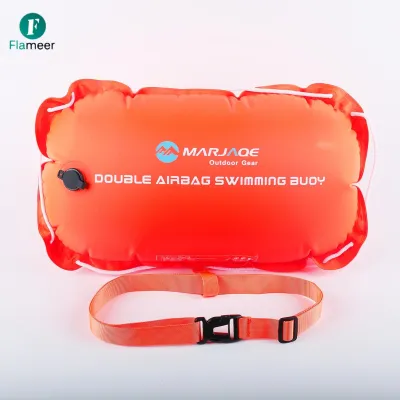
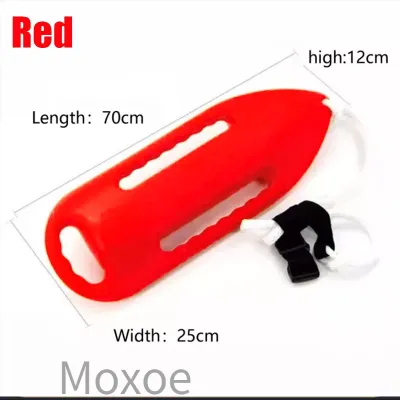
Open water swimming and pool training demand entirely different physical preparations and safety precautions. In open water, you face natural elements such as shifting currents, wind-driven chop, and motorized boat traffic. Your primary goals in this environment are visibility, safety, and having a reliable way to rest if you experience sudden fatigue or muscle cramps. A towable swim buoy addresses these needs by acting as a bright, floating marker that tracks your movement.
Products mentioned in this guide
Prices are valid at publication and may change. Please refer to the product page for the latest price.
In contrast, pool training takes place in a highly controlled, confined environment where lifeguards are nearby and water conditions are stable. Here, the focus shifts from survival and visibility to physical conditioning, stroke mechanics, and endurance. Swimmers do not need a trailing safety device; instead, they require tools that help them isolate specific muscle groups to build strength and improve body alignment.
Confusing a towable safety buoy with a leg-held pull buoy is a common mistake for beginners. A pull buoy is a solid piece of foam designed to sink your kick and lift your hips, forcing your upper body to do the work. A towable swim buoy is an inflatable bag that floats on the surface behind you. Understanding this distinction prevents purchasing errors and ensures you have the correct tool for your chosen venue.
Local environment rules and lane etiquette also dictate which buoy is appropriate. Many public lap pools and private swim clubs prohibit large towable buoys because they drift into adjacent lanes and create collision hazards. Conversely, organized open-water events, triathlons, and marine sanctuaries often make towable safety buoys strictly mandatory to help safety kayakers and lifeguards monitor participants.
Open Water Swim Buoys: Visibility, Safety, and Storage
When swimming in open coastal waters or deep lakes, visibility is your primary line of defense against boats, jet skis, and other watercraft. Look for a towable buoy in high-visibility fluorescent colors such as neon orange, hot pink, or vibrant yellow. These colors stand out sharply against dark blue or green water, even in choppy conditions. Some models also feature integrated reflective strips, which are highly beneficial if you prefer swimming during low-light hours like dawn or dusk.

While a towable buoy is a valuable safety aid, it is crucial to remember that equipment cannot replace proper open-water training, physical fitness, or sound judgment. Before purchasing, check the manufacturer’s label for buoyancy ratings and weight limits to ensure the buoy can support your body weight if you need to cling to it to rest. Never swim in conditions that exceed your swimming ability, and always monitor local weather forecasts and tide charts before entering the water.
Many open water buoys feature built-in dry bag compartments, allowing you to secure personal items like your phone, car keys, slippers, or a small snack. When evaluating these storage options, look for dual-chamber designs. This setup ensures that even if one chamber suffers an accidental puncture or valve leak, the second chamber remains fully inflated to keep the buoy afloat and your belongings dry. Pack your items evenly to maintain the buoy’s balance and prevent it from flipping or creating uneven drag.
Proper attachment and fit are essential to prevent the buoy from interfering with your swim stroke. Most tow buoys use an adjustable waist belt connected to a lightweight leash. Adjust the belt so it sits snugly on your hips without restricting your breathing or causing chafing against your swimwear or skin. The leash length should be adjusted so the buoy floats just behind your thighs—high enough to stay clear of your leg-kick zone, but far enough back that it does not bump into your heels.
Pool Training: Pull Buoys vs. Towable Buoys
Bringing an inflatable tow buoy into a structured lap pool is highly impractical. In a standard 25-meter or 50-meter lane, a trailing buoy occupies valuable space, risks tangling with lane lines, and poses a hazard to other swimmers sharing the lane. Because pool lanes are free from motorized traffic and natural currents, the safety and visibility benefits of a tow buoy are unnecessary.
Instead, pool sessions require a traditional pull buoy to isolate the upper body and refine stroke technique. By placing this contoured foam block high between your thighs, you neutralize your leg kick and allow your lower body to float naturally. This isolation forces your shoulders, arms, and core to generate all your forward momentum, making it an excellent tool for building upper-body strength and endurance.
Selecting the right pull buoy depends on your body size, thigh fit, and swimming experience. Look for a buoy made from high-density EVA foam, which resists water absorption and maintains its shape over time. The ergonomic contour should fit comfortably between your thighs without slipping out during flip turns. Swimmers with heavier legs or larger frames may require a slightly larger pull buoy to provide sufficient hip elevation and maintain a horizontal body position.
For advanced swimmers seeking an extra challenge, drag buoys or resistance trainers offer an alternative. These specialized tools intentionally create water resistance behind you, forcing your upper body to work harder to maintain forward momentum. Unlike safety buoys, these are designed specifically for controlled pool training and do not provide buoyancy or rest support.
Cross-Scenario Compatibility: Using One Buoy for Both Environments
If you are trying to streamline your gear bag or optimize your budget, you might wonder if a single buoy can serve both environments. While using a small, low-profile open water tow buoy in an empty pool lane is technically possible, it is highly inefficient. The drag created by towing an inflatable bag slows you down and alters your body alignment, defeating the purpose of structured pool workouts. Furthermore, if other swimmers join your lane, etiquette dictates removing any trailing gear immediately.
Conversely, you must never attempt to use a pool pull buoy as a safety device in open water. A pull buoy provides no visible profile to passing boats, lacks any attachment leash, and cannot be held easily to rest in rough water. If you lose your grip on a foam pull buoy in a strong current, it will quickly float away, leaving you without any support.
For swimmers who split their time between the pool and open water, investing in both tools is the most practical and safest approach. A standard foam pull buoy is highly affordable, often costing only a few hundred pesos (₱), while a durable open water safety buoy is a long-term investment in your personal safety. To help optimize your budget, consider the following decision framework based on your primary swimming venue:
- Primary Pool Swimmer: If you spend most of your time in a lap pool and only occasionally visit the ocean, prioritize a high-quality, ergonomic pull buoy. You can rent or borrow a tow buoy for occasional open-water excursions.
- Primary Open Water Swimmer: If you are training for ocean triathlons or swim regularly in coastal waters, a high-visibility tow buoy with a dry bag compartment is an absolute necessity. Pair it with a basic, budget-friendly pool pull buoy for your mid-week pool conditioning sessions.
Pre-Swim Equipment Check and Maintenance
Before entering any body of water, perform a quick visual inspection of your equipment to ensure it is fully functional. For inflatable open water buoys, inflate both chambers fully and submerge the buoy in water or listen closely for escaping air to check for valve leaks or seam separations. Inspect the waist belt, plastic buckles, and tow line for any signs of fraying, cracking, or weakening that could cause the buoy to detach mid-swim.
Proper maintenance after every swim is essential to prevent material degradation, especially in tropical climates where intense sun, saltwater, and chlorine accelerate wear. Rinse your swim buoy and pull buoy thoroughly with clean, fresh water after every session to remove salt crystals, sand, or chlorine residue. Hang them to dry completely in a shaded, well-ventilated area; avoid leaving foam or inflatable gear in direct sunlight, as UV rays can fade high-visibility colors and weaken heat-sealed seams.
Know when it is time to retire your gear to avoid equipment failure during a swim. If your inflatable buoy consistently loses pressure during a session, or if the high-visibility neon fabric has faded to a dull, washed-out shade, it is time to replace it. For pool pull buoys, retire the item if the foam begins to crumble, absorb water, or lose its buoyancy, as degraded foam will no longer hold your hips in the correct training position.
Frequently Asked Questions (FAQ)
Are swim buoys mandatory for open water swimming?
While national laws may not universally mandate swim buoys for casual beachgoers, many local marine sanctuaries, organized races, and public swimming zones in the Philippines strictly require them. Event organizers and local coast guards often enforce these rules to ensure swimmers remain visible to rescue boats and marshals. Always check the specific regulations of your swimming venue or event guidelines before heading out.
Can I use a brightly colored pull buoy for open water safety?
No, a pull buoy should never be used as a substitute for an open water safety buoy. Even if the foam is brightly colored, a pull buoy sits low in the water between your legs or flat on the surface, making it virtually invisible to boat operators from a distance. Additionally, it lacks a waist belt and tow line, meaning you cannot swim naturally while keeping it attached to your body, and it does not offer the reliable flotation support needed for resting in open currents.
Community discussion
Share your experience or ask a question. Comments are reviewed before publication.