
To determine if a shuttlecock is original or fake, you must perform a three-step verification process: inspect the outer packaging for high-resolution printing and official security seals, examine the physical construction for uniform feather alignment and clean glue application, and verify the unique serial code on the manufacturer’s official database. In the Philippines, where high tropical humidity and warm indoor court conditions put immense physical stress on your gear, playing with a genuine, high-quality shuttlecock is essential. Investing in an original shuttlecock ensures predictable flight paths and lasting durability, whereas counterfeit alternatives fail rapidly under local playing conditions.
The Impact of Counterfeit Shuttlecocks on Your Game
Using counterfeit shuttlecocks directly degrades your performance on the court and disrupts the flow of play. In badminton, consistency is everything. A genuine shuttlecock is engineered with precise weight distribution to ensure that every clear, drop shot, or smash behaves predictably. When you play with a counterfeit product, you will immediately notice issues with flight stability. These fakes often wobble mid-air, drift unexpectedly even in indoor courts without drafts, and experience rapid deceleration. This erratic behavior makes it incredibly difficult to timing your shots correctly, leading to unforced errors and frustration.
Durability is another major casualty of counterfeit manufacturing. Genuine feathers undergo rigorous selection and treatment processes to withstand high-velocity impacts. Counterfeiters, on the other hand, often use low-grade, brittle feathers or cheap synthetic materials that split or snap after only a few hard hits. In a typical session at a local sports center, you might find yourself burning through an entire tube of fake shuttlecocks in the time it would take to wear out just one or two genuine ones.
Products mentioned in this guide
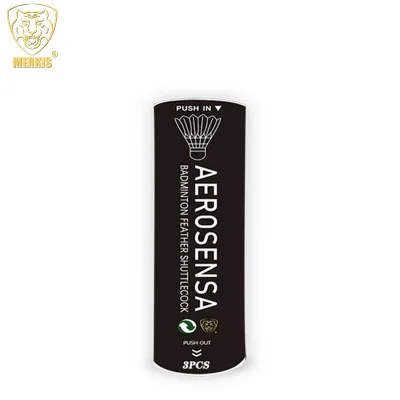
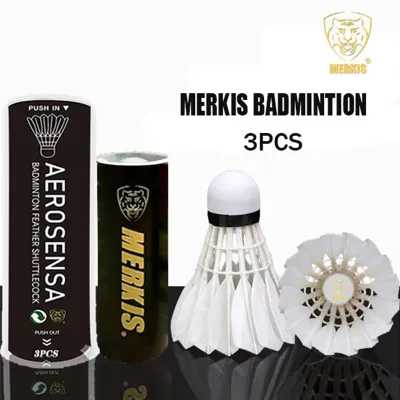
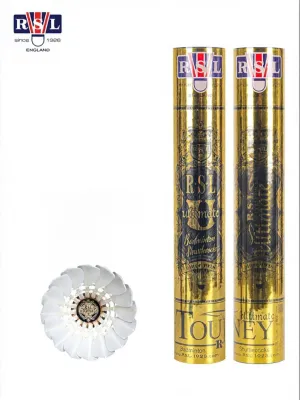
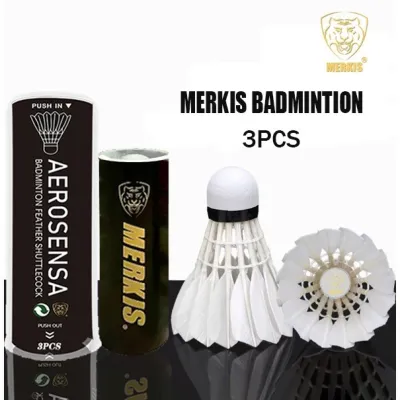
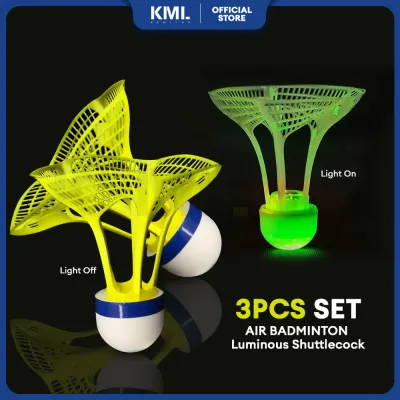
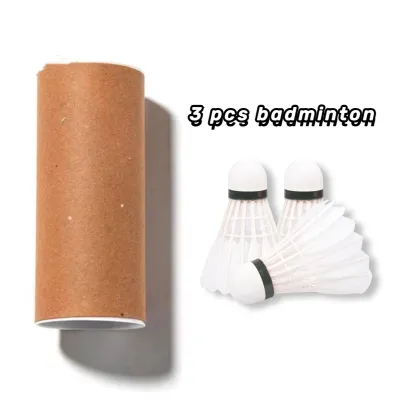
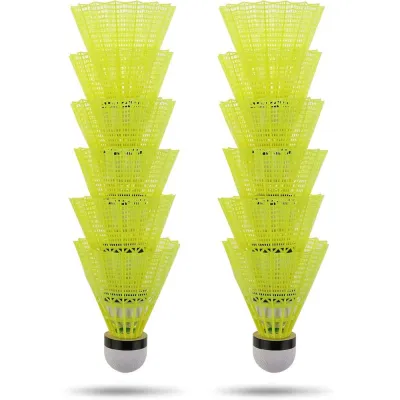
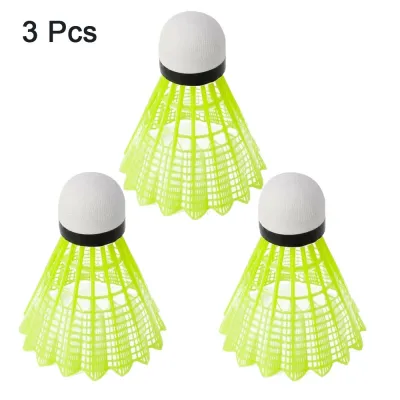
Prices are valid at publication and may change. Please refer to the product page for the latest price.
This rapid wear leads to a significant financial disadvantage. While a tube of counterfeit shuttlecocks might seem like a bargain upfront, the frequency of replacement quickly adds up. You end up spending more money over time replacing broken fakes than you would have spent on a single tube of original, high-durability gear. Beyond the financial cost, constantly stopping the game to replace a damaged shuttlecock ruins the momentum of your matches and prevents you from developing consistent muscle memory.
How to Spot Fake Shuttlecocks: Physical and Packaging Clues
Identifying a counterfeit shuttlecock before you hit the court requires a keen eye for detail. Manufacturers of genuine badminton equipment adhere to strict quality control standards, resulting in highly consistent packaging and product physical features. Counterfeiters, aiming to keep production costs as low as possible, almost always leave behind subtle clues on both the outer tube and the shuttlecocks themselves.

Inspecting Packaging and Labeling
The outer tube is your first line of defense when verifying authenticity. Genuine manufacturers use high-quality, dense cardboard for their tubes, finished with crisp, high-resolution printing. When examining the tube, look closely at the brand logos, color gradients, and typography. Counterfeit tubes often display blurred text, slightly smeared ink, or off-color brand logos that do not match the official corporate color scheme.
Pay close attention to the spelling and grammar on the packaging. It is surprisingly common for counterfeit products to feature minor spelling mistakes in the descriptive text or warning labels. Additionally, check the alignment of the printed elements; text on fake tubes is often crooked or poorly spaced.
The physical construction of the packaging also reveals its origin. Examine the tube caps and the protective seals. Original tubes feature snug-fitting caps made of durable plastic or metal, often embossed with the brand’s logo. The inner lining of the tube should be smooth and clean, designed to protect the feathers from moisture and physical damage. Counterfeit tubes often use flimsy, ill-fitting caps and cheap, rough inner linings that fail to seal out humidity.
Evaluating Material Quality and Craftsmanship
Once you open the tube, inspect the individual shuttlecocks. For traditional feather shuttlecocks, the quality of the feathers is a primary indicator of authenticity. Original premium shuttlecocks typically use high-grade goose or duck feathers that are uniform in color, shape, and thickness. Look at the alignment of the feathers along the circumference; they should be spaced perfectly evenly and angled at a precise, identical degree.
Inspect the stitching and glue application holding the feathers together. Genuine shuttlecocks feature neat, uniform thread lines secured by a clean, thin layer of specialized adhesive. There should be no excess glue globs, loose thread ends, or uneven stitching. Counterfeit shuttlecocks often show messy glue application, with adhesive smeared onto the feathers themselves, which severely disrupts aerodynamic balance.
For synthetic or nylon shuttlecocks, examine the plastic skirt. Genuine synthetic models are manufactured using high-precision injection molding, resulting in clean edges, uniform thickness, and consistent flexibility. Fake synthetic shuttlecocks often have rough, unfinished plastic edges (known as flash) and inconsistent flexibility across different sides of the skirt.
Finally, examine the base, which is typically made of natural cork, synthetic cork, or a layered combination. Original shuttlecocks feature a perfectly rounded, dense cork base covered by a neatly applied, smooth white casing. The base must be securely attached to the feather or synthetic assembly without any visible gaps or wobbling. Counterfeit bases often feel soft, use low-density materials that deform easily under impact, and may have unevenly applied outer casings.
Checking Weight and Balance Consistency
Every official shuttlecock model is manufactured to specific weight and speed classifications, usually ranging from 4.74 to 5.50 grams. If you have access to a digital pocket scale, weigh several shuttlecocks from the same tube. Original shuttlecocks will show almost identical weights across the entire batch, with variances of less than a tenth of a gram. Counterfeit batches, lacking strict quality control, will often display highly inconsistent weights from one shuttlecock to the next.
You can also perform a basic physical balance test. Hold the shuttlecock by the cork and spin it gently between your fingers. An original shuttlecock will spin smoothly around its central axis without any noticeable wobble. If the shuttlecock wobbles or tilts as it spins, the weight distribution is uneven, which is a classic hallmark of a counterfeit product.
If you are already at the court, perform a simple drop or flight test. When dropped vertically from a height, a genuine shuttlecock should fall straight down, cork-first, without drifting sideways. During a gentle hit, it should transition smoothly from the hit to a stable, nose-forward flight path. A fake shuttlecock will often wobble or tumble during this transition, showing unpredictable deceleration.
Official Verification Methods for an Original Shuttlecock
To combat the rise of counterfeit sports equipment, major badminton brands have implemented sophisticated security and verification systems. Relying on these official tools is the most reliable way to guarantee that your purchase is genuine.
Most premium shuttlecock tubes now feature a holographic security label or a scratch-off panel on the outer packaging. This label is typically placed over the seam of the tube cap to ensure the packaging has not been tampered with or refilled. Scratching off the protective coating reveals a unique serial number or a QR code.
To verify this code, navigate directly to the manufacturer’s official website or use their dedicated verification app. Do not scan QR codes that direct you to unfamiliar, third-party domains, as counterfeiters sometimes set up fake verification sites that mimic the official brand interface. Always type the official brand URL directly into your browser.
Once you input the serial code into the official database, pay close attention to the specific verification result message. A genuine, newly purchased product should return a message indicating that the code is valid and, crucially, that this is the very first time the code has been queried. If the system states that the code is valid but has already been searched dozens or hundreds of times, you are likely holding a counterfeit product with a copied serial number.
Keep in mind that these security features and verification portals vary significantly depending on the brand, regional market, and product tier. Entry-level or training-grade shuttlecocks may not feature scratch-off codes, while tournament-grade models almost always do. Always consult the specific manufacturer’s official authentication guidelines for the exact model you have purchased to understand what security features to expect.
Safe Purchasing Channels for Original Badminton Gear
The most effective way to avoid counterfeit shuttlecocks is to be highly selective about where you shop. In the Philippines, purchasing from authorized brick-and-mortar sports retailers or official online brand stores dramatically reduces the risk of buying fakes.
When shopping in physical stores, prioritize major department stores, established national sports chains, or specialized badminton pro shops. These retailers source their inventory directly from official distributors, ensuring a secure supply chain. If you prefer the convenience of online shopping, stick to official brand websites or verified flagship stores on major e-commerce platforms. Look for official platform badges that indicate a store is a brand-authorized seller or a verified mall merchant.
Be highly skeptical of unusually low prices. While everyone loves a good deal, original shuttlecocks have relatively stable market prices due to the cost of raw materials and manufacturing precision. If you encounter a seller offering premium tournament-grade shuttlecocks at half the standard retail price—such as a tube priced at ₱200 instead of the usual ₱800 to ₱1,200—it is almost certainly a counterfeit product.
Before making an online purchase from a third-party seller, thoroughly investigate their profile. Check their overall seller rating and read recent customer reviews. Look specifically for reviews that mention the shuttlecock’s durability, flight stability, or verification code success. Avoid sellers with vague product descriptions, those who refuse to show photos of the packaging’s security labels, or those lacking an official authorized dealer badge.
Steps to Take If You Receive a Counterfeit Product
If you suspect that you have received a counterfeit shuttlecock after making an online purchase, act quickly and systematically to protect your consumer rights.
First, document the evidence thoroughly. Take clear, well-lit, high-resolution photographs and videos of the product. Capture the outer tube packaging from all angles, focusing closely on the brand logos, any spelling errors, the tube caps, and the security label. If you scratched off the verification panel, take a clear photo of the code and a screenshot of the official verification result showing that the code is invalid or has been queried multiple times. Additionally, take close-up photos of the physical shuttlecocks, highlighting any manufacturing flaws like messy glue, uneven feathers, or a damaged base.
Next, initiate a formal return or refund dispute directly through the e-commerce platform’s built-in buyer protection program. Select the appropriate reason for the return, such as “counterfeit product” or “item not as described,” and upload all your gathered photo and video evidence.
Do not attempt to resolve the issue by contacting the seller directly outside the platform’s official communication channels. Counterfeit sellers may attempt to persuade you to close the dispute in exchange for a partial refund or promise a replacement that never arrives. Keep all communication within the platform so that customer support agents can review the chat history if they need to intervene.
Frequently Asked Questions (FAQ)
Can I tell if a shuttlecock is fake just by its price?
While an exceptionally low price is one of the strongest indicators of a counterfeit product, you cannot rely on price alone to verify authenticity. Some sophisticated counterfeiters price their fake shuttlecocks only slightly below the standard retail price of original models. This tactic is designed to deceive buyers into thinking they are purchasing genuine gear on a minor discount. Therefore, you must always combine price evaluation with a physical inspection of the packaging, craftsmanship, and official serial code verification.
Do all original shuttlecocks have a hologram sticker?
No, not all genuine shuttlecocks feature a hologram sticker. Security features are highly dependent on the manufacturer, the specific product tier, and the target market. While premium, tournament-grade shuttlecocks from leading brands almost always include holographic labels, QR codes, or scratch-off panels, entry-level training shuttlecocks or nylon models may not have these advanced security measures. To ensure authenticity, check the official website of the specific brand you are buying to confirm which security features are standard for that exact model.
Community discussion
Share your experience or ask a question. Comments are reviewed before publication.