
Choosing between an oscillating and a linear vibration platform machine for strength training depends on your specific fitness goals, preferred exercises, and how your body responds to different movement patterns. Neither platform is universally superior; instead, each serves a distinct role in a strength routine.
An oscillating platform mimics the natural movement of walking or running by pivoting around a central point, making it excellent for lower-body stability, core activation, and balance.
Conversely, a linear platform moves uniformly up and down, providing a consistent vertical force that is highly effective for upper-body exercises, static holds, and mimicking traditional weightlifting forces.
Products mentioned in this guide
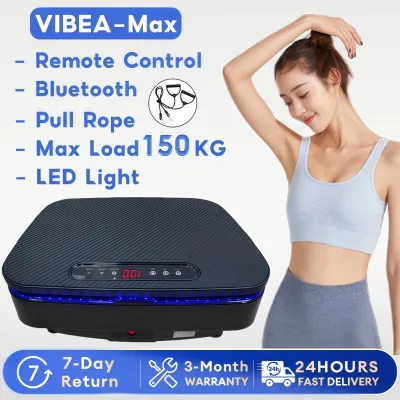
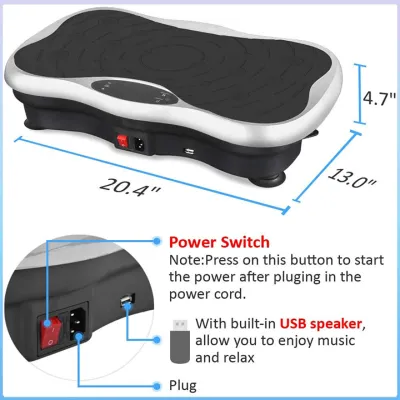
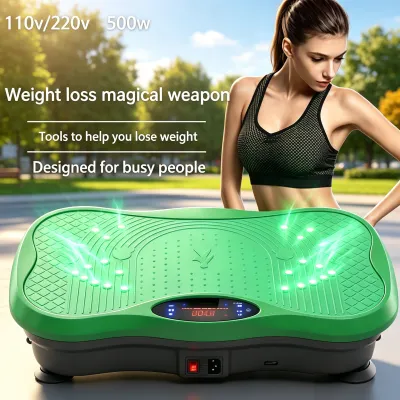
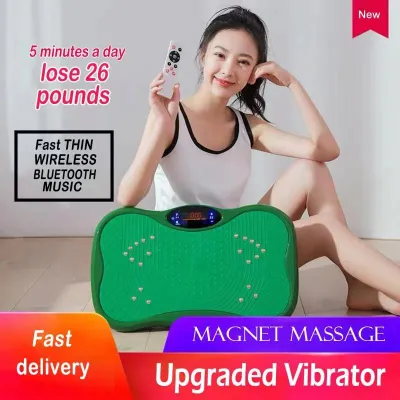
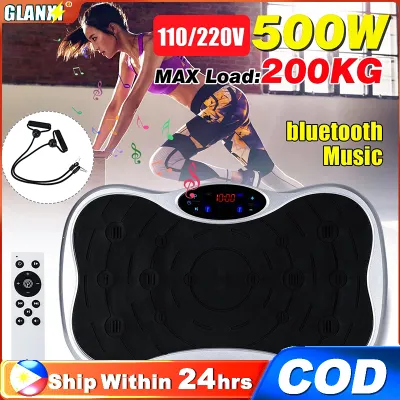
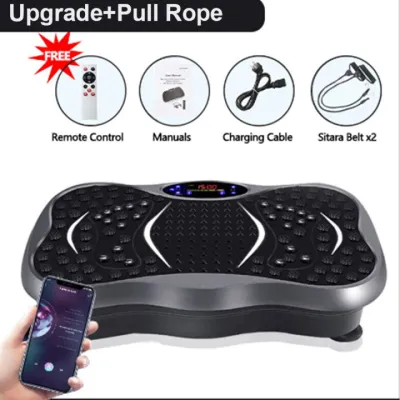
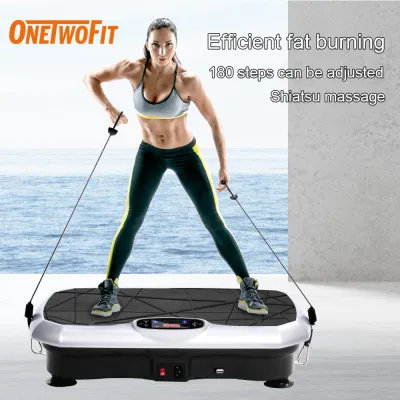
Prices are valid at publication and may change. Please refer to the product page for the latest price.
To make an informed decision for your home gym in the Philippines—where high humidity and tropical conditions require durable, moisture-resistant fitness equipment—you must understand how these mechanical differences translate into muscle activation and joint stress.
Understanding the Mechanics: Oscillating vs. Linear Vibration
To understand how these machines affect your body, you must first look at how they move. An oscillating vibration platform, often referred to as a pivotal platform, operates on a central axis much like a seesaw. When one side of the platform rises, the other side lowers, creating an alternating lateral and vertical displacement. This motion forces your pelvis to tilt side to side, mimicking the natural biomechanics of walking or running.
Because the movement is alternating, the physical load shifts continuously from one leg to the other. This lateral displacement requires your body to constantly adjust its center of gravity to maintain balance. The rapid shifting of weight triggers involuntary muscle contractions across your lower body and core as your nervous system works to keep you upright.
In contrast, a linear vibration platform moves the entire plate up and down simultaneously. There is no central pivot point or lateral tilting; instead, the entire surface undergoes uniform vertical displacement. This means that both of your feet or hands experience the exact same upward and downward force at the exact same millisecond.
This uniform vertical movement pushes directly against gravity, creating a highly synchronized muscle reflex. Rather than shifting your weight from side to side, a linear platform forces your muscles to resist a direct vertical load. This mechanical difference changes how force is distributed through your joints and how your stabilizer muscles are recruited during static or dynamic strength exercises.
How Each Platform Type Affects Strength Training
The mechanical differences between these two platform types directly influence how they challenge your body during a strength workout. Oscillating platforms place a high demand on your stability and balance. Because the platform is constantly tilting, your deep stabilizer muscles—such as the multifidus in your spine and the transversus abdominis in your core—must work continuously to keep you steady. This makes oscillating machines highly effective for functional strength training, balance improvement, and targeting hard-to-reach stabilizer muscles in the hips and ankles.

Linear platforms, on the other hand, excel at providing uniform loading. When you perform exercises like push-ups, planks, or squats on a linear plate, the consistent vertical force feels highly stable and predictable. This uniform displacement is particularly beneficial for upper-body exercises, where a tilting platform might place uneven, uncomfortable lateral stress on your wrists, elbows, or shoulders. If your routine involves heavy static holds or traditional strength movements, the direct vertical path of a linear platform often feels more natural.
Joint impact is another critical factor to consider when choosing a platform. The pivoting motion of an oscillating plate allows for a slight lateral sway, which many users find gentler on the knees and lower spine during standing exercises. Because the force is not delivered in a direct vertical line, the impact is distributed more gradually. Conversely, the direct vertical impact of a linear plate transmits force straight up through the skeletal system. While this direct force is excellent for stimulating bone density and intense muscle activation, it can feel more jarring if the machine is set to a high frequency or if you have sensitive joints.
Regardless of the motion type you choose, you must always verify the specific machine’s frequency (Hz) and amplitude (mm) ranges. These technical specifications dictate the actual training stimulus your muscles receive. A machine with a wider frequency range allows you to customize your workouts, using lower settings for recovery and higher settings for intense strength training, ensuring the equipment grows with your fitness level.
Oscillating vs. Linear Vibration Platforms: Spec Comparison
While both platform types can enhance your fitness routine, comparing their typical specifications and primary applications can help you quickly identify which style fits your training goals. The table below outlines the key differences in motion, force direction, and typical use cases.
| Feature | Oscillating (Pivotal) Platforms | Linear Platforms |
|---|---|---|
| Motion Type | Seesaw-like movement around a central pivot | Uniform vertical or 3D displacement |
| Primary Force Direction | Alternating vertical and lateral | Direct vertical (up and down) |
| Typical Best Use | Balance, core stability, lower-body functional strength | Upper-body exercises, static holds, vertical force training |
| Stability Demand | High (requires continuous micro-adjustments) | Moderate (focuses on resisting vertical force) |
| Key Specs to Verify | Frequency (Hz), Amplitude (mm), Weight Capacity, Pivot Angle | Frequency (Hz), Amplitude (mm), Weight Capacity, Motor Power |
It is important to note that the exact performance, durability, and noise levels of any vibration platform machine depend heavily on the specific model’s motor build and overall engineering. In the warm, humid climate of the Philippines, look for platforms constructed with high-quality, rust-resistant frames and robust non-slip rubber mats. These material choices help ensure the machine remains stable and safe to use, even during intense, sweaty workouts in a home gym environment.
Decision Framework: Choosing the Right Vibration Platform Machine
Selecting the right vibration platform machine requires a clear understanding of your personal fitness routine, physical condition, and training preferences. You should choose an oscillating platform if your primary fitness goals center around lower-body stability, balance integration, and functional core strength. If you prefer a natural, walking-like movement pattern that is generally gentler on the spine during standing exercises like squats or lunges, an oscillating model is typically the more comfortable and practical choice.
Conversely, you should choose a linear platform if your strength routine heavily features upper-body work, such as push-ups, planks, or dips. The uniform vertical displacement ensures that both of your hands receive equal force simultaneously, preventing uneven joint strain and allowing you to maintain proper form. A linear platform is also ideal if you prefer a traditional, direct up-and-down vibration pattern for static strength holds and high-intensity muscle activation.
Before making a final decision, you must verify if you have any pre-existing joint, spinal, or neurological conditions. If you are recovering from an injury or have chronic joint pain, always consult a physical therapist or medical professional. They can evaluate your physical condition and recommend the specific vibration vector and frequency ranges that are safe and therapeutic for your body.
With any vibration platform machine, keep in mind that neither platform type is a complete substitute for progressive overload with traditional free weights. While a vibration platform machine is an excellent supplementary tool that can enhance muscle fiber recruitment, improve flexibility, and accelerate recovery, it should not replace the heavy mechanical tension required for maximal strength gains. For the best results, integrate vibration training as a supportive stimulus alongside your existing resistance training routine.
Safety Checks and Usage Limits for Vibration Training
To prevent injury and ensure the longevity of your equipment, you must establish safe operating habits and perform regular maintenance checks. When training on a vibration platform, your choice of footwear is crucial for maintaining grip and ensuring proper force transfer. It is generally best to train either barefoot—provided the platform has a high-traction, clean rubber surface—or with flat-soled, non-slip athletic shoes. Avoid wearing running shoes with thick, highly cushioned midsoles, as the foam will absorb the vibrations and significantly reduce the effectiveness of the exercise.
You must also adhere strictly to the manufacturer’s guidelines regarding session limits and continuous usage times. Most manufacturers recommend limiting a single vibration session to 10 to 15 minutes. Overexposing your body to high-frequency vibrations can lead to excessive muscle fatigue, temporary dizziness, or neurological desensitization, so it is vital to let your body adapt gradually.
Before every workout, perform a quick equipment check to ensure a safe training environment. Inspect the platform’s surface for any wear or peeling, verify that the power cord is secure and undamaged, and ensure the machine is placed on a flat, level surface. If you plan to use external weights like dumbbells or kettlebells while standing on the plate, always verify the machine’s dynamic weight capacity first to avoid overloading the motor.
Lastly, establish clear stop conditions for your workouts. Cease using the vibration platform machine immediately if you experience dizziness, nausea, joint pain, headache, or if you hear any unusual mechanical noises coming from the unit. If any physical symptoms persist after you step off the platform, consult a healthcare professional before attempting to use the machine again.
Frequently Asked Questions (FAQ)
Can I use a vibration platform machine for heavy weightlifting?
Vibration platform machines are primarily designed to enhance bodyweight exercises, resistance band workouts, or movements using light external loads like dumbbells and kettlebells. You must always check the manufacturer’s specified maximum dynamic weight capacity before adding any external weight to the platform. Never drop heavy barbells, plates, or dumbbells onto the platform, as the sudden impact can permanently damage the internal motor, drive belts, and sensitive electronic sensors.
Does a higher Hz setting always mean a better strength workout?
A higher frequency (Hz) setting increases the speed of the vibrations, forcing your muscles to contract more rapidly, but it is not universally better for every strength goal. Lower frequencies, typically under 15 Hz, are excellent for warm-ups, balance training, and promoting muscle relaxation and recovery. Moderate to higher frequencies, usually 20 Hz and above, are more suitable for intense strength and power exercises, but you should always start at a lower setting and adjust based on your personal comfort, stability, and the specific exercise you are performing.
Community discussion
Share your experience or ask a question. Comments are reviewed before publication.