
If your badminton racket is slipping during a crucial smash or feels uncomfortable in your hand, it is likely time to address your grip. Choosing between an overgrip and a replacement grip is one of the most practical decisions a player can make to maintain control, comfort, and performance on the court. While both options wrap around your racket’s handle, they serve entirely different structural purposes and cater to different stages of wear.
A replacement grip is a thick, cushioned wrap designed to be applied directly to the bare wooden handle of your racket. It acts as the primary foundation, restoring the handle to its original factory thickness and providing essential shock absorption. An overgrip is a much thinner, highly adaptable outer layer wrapped on top of an existing base grip. Its primary job is to manage sweat, provide a fresh tacky or dry texture, and allow you to fine-tune the handle’s thickness without replacing the entire foundation.
Understanding how these two grip types interact with your hand, your playing style, and the local climate is key to making the right purchase. In tropical environments where humidity and sweat are constant challenges, selecting the correct grip setup can prevent unforced errors and protect your equipment from long-term damage.
Products mentioned in this guide
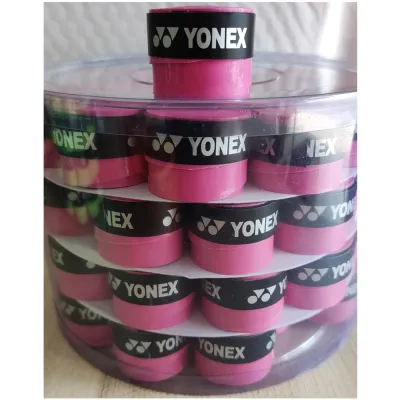
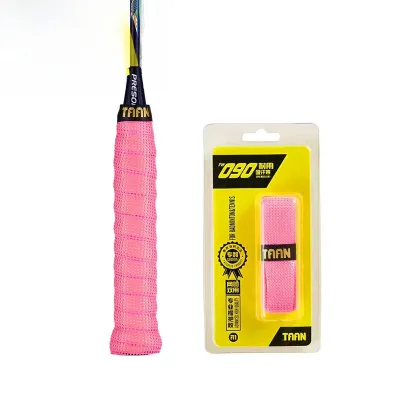

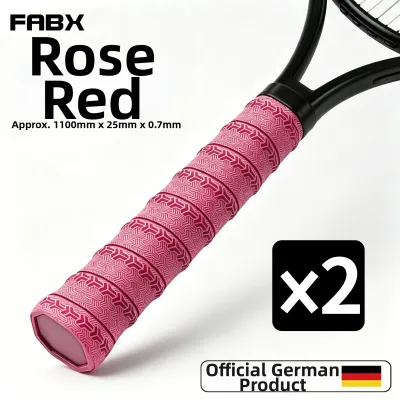
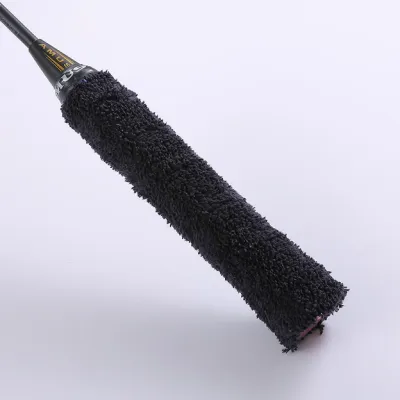
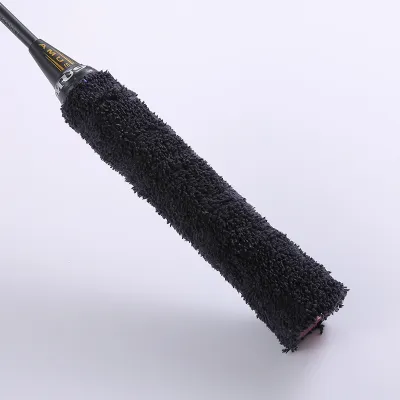
Prices are valid at publication and may change. Please refer to the product page for the latest price.
Understanding the Core Differences Between Overgrips and Replacement Grips
To make an informed choice, you must first understand the physical construction of your badminton racket’s handle. When a racket is manufactured, a raw wooden handle is shaped with eight distinct flat sides, known as bevels. These bevels are crucial because they allow your fingers to identify the angle of the racket face instinctively during fast-paced rallies.
A replacement grip is engineered to replace the original factory grip that covers this wooden handle. Typically measuring between 1.5 millimeters and 2.0 millimeters in thickness, replacement grips feature a full adhesive backing to ensure they bond securely to the wood. They are made from dense polyurethane or synthetic compounds, often incorporating foam ridges or air holes to provide a cushioned barrier. This thick layer is essential for dampening the vibrations that travel up the shaft when you strike the shuttlecock, protecting your wrist and elbow from repetitive strain.
An overgrip is a secondary, sacrificial layer designed to be wrapped over a replacement grip or the original factory grip. Measuring only 0.4 millimeters to 0.7 millimeters in thickness, overgrips generally do not have a full adhesive backing; instead, they rely on friction and a small piece of adhesive tape at the top to stay secure. Overgrips are meant to be replaced frequently, offering a quick and cost-effective way to restore tackiness and absorb moisture without stripping the racket down to the bare wood.
Removing a worn-out factory grip completely exposes the underlying wooden handle. If you attempt to play on this bare wood, you will quickly find it too hard, uncomfortable, and prone to splintering. Therefore, a replacement grip is always required as a base layer before you can apply an overgrip. You cannot simply use an overgrip as a standalone grip directly on the wood, as it lacks the necessary thickness and cushioning to protect both your hand and the racket handle.
Key Comparison Dimensions for Your Playing Needs
When comparing overgrips and replacement grips, several physical dimensions will directly impact your comfort and performance on the court. Evaluating these factors based on your personal playing style and local environmental conditions will help you determine the best setup.

Thickness and feel are critical because they alter the overall diameter of your racket handle. A thicker handle, created by using a thick replacement grip or stacking multiple overgrips, is often preferred by players who favor powerful smashes, as it allows for a tighter, more stable hold. Conversely, a thinner handle, achieved by using a thin overgrip over a standard base, preserves the sharp definition of the handle’s bevels. This is ideal for control-oriented players who rely on quick finger adjustments and wrist flexibility to execute deceptive net shots.
Cushioning and shock absorption vary significantly between the two types. Because replacement grips are thicker, they offer superior impact reduction. If you frequently play long sessions or suffer from joint discomfort, checking manufacturer specifications for shock-absorbing materials like polyurethane foam is highly recommended. Overgrips provide minimal cushioning on their own; their primary contribution to comfort is surface texture rather than impact dampening.
Moisture management is a major consideration, especially in hot and humid tropical climates like the Philippines. When playing in local sports centers without air conditioning, sweat can quickly make a racket handle slippery and dangerous. Grips generally fall into two categories: tacky and dry. Tacky grips offer a sticky, high-friction surface that works best for players with dry to moderately sweaty hands. Dry or absorbent grips, often featuring a soft, towel-like texture or micro-perforations, excel at drawing moisture away from the palm, ensuring a secure hold even during intense, high-sweat rallies.
Durability and wear rate also differ. Overgrips are designed to be temporary and will degrade relatively quickly under heavy use. You will notice visual and tactile signs of wear, such as flaking, color fading, a loss of tackiness, or a slick texture, indicating it is time for a change. Replacement grips are built to last much longer, but they are not permanent. Over several months, the inner foam of a replacement grip will compress and lose its elasticity, resulting in a harder feel and reduced shock absorption.
When to Choose an Overgrip vs. a Replacement Grip
Deciding which grip to buy depends on the current state of your racket and your specific ergonomic needs. By assessing a few key indicators, you can easily determine the most practical solution for your next session.
You should choose an overgrip if your underlying base grip is still structurally sound, clean, and cushioned, but you want to refresh the surface feel. Overgrips are perfect for players who want to maintain a consistent handle size while enjoying a fresh, tacky surface every few weeks. They are also an excellent choice if your current handle feels just a tiny bit too small, as adding a single overgrip will slightly increase the diameter without rounding out the bevels.
You should choose a replacement grip if your original factory grip is peeling, crumbling, hardened, or emitting an unpleasant odor from months of accumulated sweat. Once the base material begins to disintegrate, an overgrip cannot mask the uneven texture or lack of cushioning underneath. Replacing the entire base grip restores the racket’s structural comfort and provides a clean, hygienic foundation.
Before making a decision, verify if adding an overgrip will make the handle too thick for your hand size. To check this, grip your racket normally; there should be a small gap (about the width of a finger) between your fingertips and the palm of your hand. If your fingertips press firmly into your palm, the handle may be too small, and adding an overgrip is a great way to adjust it. If your fingers cannot comfortably wrap around the handle, adding an overgrip will restrict your finger movement and wrist flexibility, increasing the risk of forearm fatigue.
It is also important to recognize when neither option is sufficient. If you remove your old grip and find that the wooden handle itself is cracked, splintering, or loose, applying a new grip will not make the racket safe to use. In this scenario, you must take your racket to a professional stringer or repair shop to have the wooden handle repaired or replaced before wrapping any new grip material.
Application, Maintenance, and Replacement Checks
Proper installation and maintenance are essential to get the most out of your chosen grip. Following a few simple steps ensures that your grip remains secure, comfortable, and hygienic over time.
Before wrapping a new grip, perform a thorough preparation check. Peel off the old grip and inspect the handle surface. If you are installing a replacement grip, use a dry cloth to clean off any leftover glue, dirt, or wood dust. Ensuring the surface is completely clean and dry prevents the new adhesive from slipping or peeling prematurely.
When installing the grip, always follow the manufacturer’s recommended wrapping direction. Start at the bottom of the handle, aligning the tapered end of the grip with the edge of the butt cap. Wrap upward with consistent tension, overlapping each turn by about 2 millimeters to 3 millimeters. Avoid stretching the grip excessively, as pulling too hard can thin out the synthetic polyurethane material, reducing its cushioning and durability. Once you reach the top of the handle near the cone, cut the grip at an angle and secure it firmly with the included adhesive finishing tape.
Recognizing replacement triggers will keep your performance consistent. If you find yourself gripping the racket tighter than usual to prevent it from twisting during a swing, your grip has lost its friction and needs to be replaced. From a hygiene standpoint, grips absorb sweat, skin oils, and dirt, making them a breeding ground for bacteria. Replacing your overgrip regularly prevents odors and keeps your gear fresh.
For storage, keep your unused grips in their original sealed packaging. Polyurethane and other synthetic materials are sensitive to environmental factors. Exposure to high humidity, heat, and direct sunlight can cause the adhesive to degrade or the grip material to dry out and become brittle before you even install it. Storing them in a cool, dark drawer or a sealed bag inside your racket cover will preserve their quality.
Planning Your Grip Inventory and Budget
Managing your grip inventory and budget effectively ensures you always have a fresh, reliable grip ready when you step onto the court. Your replacement frequency and purchasing strategy should align with how often you play and your personal sweat levels.
To estimate your replacement frequency, consider your weekly playing hours and the local climate. If you play two to three times a week in a humid environment, you may need to replace your overgrip every two to four weeks to maintain optimal tackiness. A replacement grip, by contrast, can easily last three to six months under similar conditions, as it does not bear the direct friction of your hand.
When evaluating cost-effectiveness, buying overgrips in multi-packs is generally much more economical than purchasing individual grips. Multi-packs of three, twelve, or even thirty overgrips offer a significantly lower cost-per-use, making it easy to swap them out frequently without worrying about the expense. Replacement grips are more expensive individually, but because they are replaced far less often, they represent a long-term investment in your racket’s comfort.
When shopping at local sports stores or official brand retailers in the Philippines, you will find standard pricing tiers for authentic products. A quality overgrip pack typically ranges from ₱100 to ₱300 depending on the pack size, while a premium replacement grip can cost between ₱250 and ₱500.
To protect your investment, always avoid counterfeit grips, which are common on unauthorized online marketplaces. Counterfeit grips often use cheap plastics that tear easily, offer poor sweat absorption, and lose their tackiness after just one session. Verify packaging details, look for holographic authenticity seals, and purchase exclusively from authorized physical retailers or official online flagship stores to ensure you are getting genuine, high-performance materials.
Frequently Asked Questions (FAQ)
Can I put an overgrip directly on the bare wooden handle?
No, you should not apply an overgrip directly to a bare wooden handle. Overgrips are extremely thin (usually under 0.7 millimeters) and do not provide enough cushioning to absorb the impact of hitting a shuttlecock, which can quickly lead to hand fatigue, blisters, or joint pain. Furthermore, because overgrips lack a complete adhesive backing and are highly porous, sweat will easily seep through the thin material and soak into the wooden handle. Over time, this moisture can cause the wood to rot, warp, or splinter, permanently damaging your racket’s structural integrity. Always install a proper replacement grip or keep the factory base grip intact before applying an overgrip.
Does adding an overgrip change the balance of the racket?
Yes, adding an overgrip will slightly alter the balance of your racket, though the effect is minimal. A standard overgrip weighs approximately 4 to 8 grams. Adding this weight to the handle shifts the racket’s balance point slightly toward the grip, making the racket feel a tiny bit more head-light. This shift can marginally increase your maneuverability, defense speed, and control during fast net exchanges. However, it may also slightly reduce the momentum and power of your smashes. While casual players may not notice this subtle change, competitive players often use different grip weights to fine-tune their racket’s balance to match their specific playing style.
Community discussion
Share your experience or ask a question. Comments are reviewed before publication.