
Quick Answer: Which PGM Golf Ball Should You Choose?
Choosing the right golf ball can significantly impact your performance on the course, especially when navigating the diverse product lineup from PGM. For beginners, the primary goal is keeping the ball in play and maximizing distance off the tee. A two-piece golf ball featuring a durable ionomer or Surlyn cover is the most practical choice for this skill level, as it minimizes unwanted sidespin and withstands frequent mishits.
Intermediate players, on the other hand, require more control around the greens and a softer feel for approach shots. For these golfers, a three-piece or multi-layer ball with a softer cover material, such as urethane, is highly recommended to achieve the necessary greenside spin. Because PGM model names and packaging designs can vary across different online marketplaces and release years, players should always prioritize the technical specifications listed on the box over promotional names.
Decoding PGM Golf Ball Construction and Specs
To make an informed decision, it is essential to understand how a golf ball is engineered. The construction of a golf ball—specifically the number of layers—directly dictates how energy is transferred from your clubface to the ball. A standard two-piece ball consists of a single large solid core wrapped in a protective outer cover. This design is optimized for maximum energy transfer and low spin, helping players achieve greater distance even with slower or inconsistent swing speeds.
Products mentioned in this guide
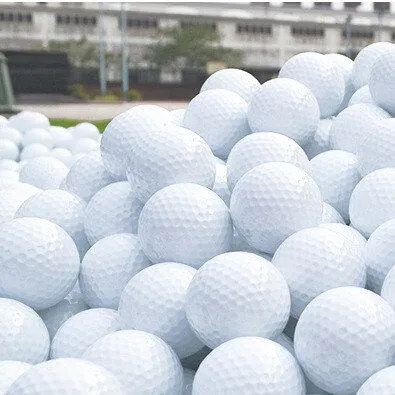
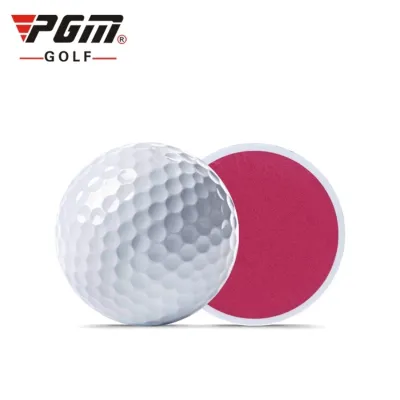
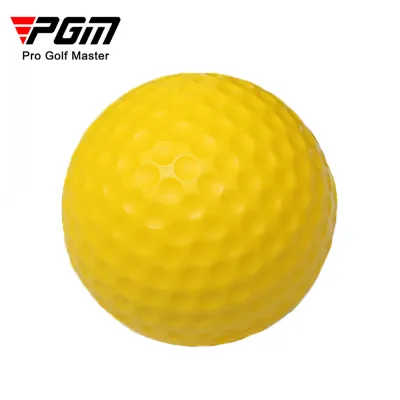
Prices are valid at publication and may change. Please refer to the product page for the latest price.

Multi-layer golf balls, which include three-piece or four-piece designs, introduce one or more mantle layers between the core and the outer cover. These intermediate layers act as a transition zone, allowing the ball to behave differently depending on the force of the impact. When struck with a driver, the high force compresses the ball down to its core, producing low spin for maximum distance. When struck with a wedge, the softer impact engages only the outer cover and mantle, generating high spin for precise control on the green.
The cover material is another critical factor that determines durability and feel. Surlyn and other ionomer blends are highly durable, cut-resistant polymers that resist scuffing when struck by irons or cart paths. Urethane, conversely, is a much softer material that allows the grooves of your wedges to “grip” the ball, producing significantly higher spin rates. While urethane covers offer superior control, they are more susceptible to scuffs and cuts from mishits.
Compression ratings measure how much a golf ball deforms under a standard load. Low-compression balls (typically rated between 50 and 70) are softer and easier to compress, making them ideal for players with moderate swing speeds who need help generating distance. High-compression balls (rated 90 and above) require a fast, powerful swing to compress the core fully, rewarding high-speed players with explosive distance and a firmer, more responsive feel. In tropical climates, extreme heat can make a golf ball feel slightly softer, which is why understanding these baseline ratings is crucial for consistent play.
What Beginners Should Look for in PGM Golf Balls
For golfers who are still developing their swing mechanics, consistency is the ultimate objective. Beginners often struggle with lateral spin, which manifests as frustrating slices and hooks that land in the rough or water hazards. Selecting a PGM golf ball designed for low driver spin can help mitigate these errors, keeping your shots closer to the center of the fairway.
Durability is another major consideration for those starting their golf journey. A single round can easily consume multiple balls due to lost shots, tree strikes, or cart path bounces. Choosing a ball with a tough ionomer or Surlyn cover ensures that the ball remains playable even after surviving a few rough impacts. This durability helps manage the overall cost of playing, allowing you to focus on your swing rather than worrying about scuffing an expensive ball.
Launch angle also plays a vital role in helping beginners get the ball airborne. Many novice players have moderate swing speeds that make it difficult to achieve sufficient lift. PGM models engineered with a lower compression core and a high-launch dimple pattern help maximize carry distance by launching the ball higher into the air with less effort. This combination of high launch and low spin provides a forgiving flight path that builds confidence on every tee box.
Furthermore, the lush, thick grass often found in tropical roughs makes finding lost balls highly challenging. Using a highly visible, durable two-piece ball allows beginners to practice their course management without the constant stress of losing premium equipment. By focusing on straight flight and durability, novice players can establish a solid foundation before transitioning to more complex ball designs.
What Intermediate Players Need from PGM Golf Balls
As your handicap drops and your swing becomes more consistent, your equipment needs will naturally evolve. Intermediate players generally possess faster swing speeds and a more refined short game, meaning they can benefit from the advanced performance characteristics of multi-layer golf balls. Instead of just searching for raw distance, intermediate golfers require stopping power on the greens to hold their approach shots.
This is where spin separation becomes a crucial feature. A high-quality three-piece PGM ball is designed to deliver low spin off the driver to maintain distance, while simultaneously providing high spin off short irons and wedges. This dual-performance profile allows you to attack pins with confidence, knowing the ball will check up quickly on the green rather than trickling off into the fringe.
Developing a consistent short game also requires a ball that offers a soft, responsive feel off the putter face. A softer cover material allows for better sensory feedback, helping you gauge distance control on long putts and delicate chips. This feedback is essential for developing the touch needed to navigate challenging green complexes.
The transition to multi-layer balls does come with a higher price point per ball in ₱. Intermediate players must balance this increased cost against the tangible performance benefits on the scorecard. If you are no longer losing multiple balls per round, investing in a higher-spec PGM model with a softer cover can be a highly cost-effective way to shave strokes off your short game.
Specification Checklist for Comparing PGM Models
When browsing online marketplaces or local golf shops, you will encounter various PGM models with different marketing labels. To cut through the promotional language, use the following specification checklist to verify the actual construction of the ball before making a purchase.
| Construction | Cover Material | Compression | Spin Profile | Target Skill Level |
|---|---|---|---|---|
| 2-Piece | Ionomer / Surlyn | Low (50–70) | Low Spin | Beginner / High Handicap |
| 2-Piece | Ionomer / Surlyn | Mid (70–85) | Low-Mid Spin | Beginner to Early Intermediate |
| 3-Piece | Soft Ionomer | Mid (70–85) | Mid-High Spin | Intermediate |
| 3-Piece | Urethane | Mid-High (80–95) | High Spin | Intermediate to Advanced |
Always inspect the product packaging or online specification sheets to verify these details. Do not rely solely on terms like “Pro,” “Tour,” or “Premium” printed on the box, as these are often used for marketing purposes across different product tiers. Instead, look for explicit mentions of the layer count (e.g., “3-Layer”) and the specific cover material to ensure the ball matches your playing style.
If the packaging does not clearly state the cover material or compression rating, check the manufacturer’s official product descriptions or user manuals. Verifying these specifications beforehand prevents the disappointment of purchasing a ball that is either too firm for your swing speed or too delicate for your current level of accuracy.
Final Decision Framework and Buying Tips
To finalize your choice, apply a simple decision rule based on your current playing conditions and performance goals. If your primary challenge is keeping the ball in play, or if you frequently lose balls during a round, prioritize a budget-friendly 2-piece PGM distance model. This choice will keep your costs low while providing a straighter, more forgiving flight path.
If you have reached a stage where you can play an entire round with only one or two balls and want to improve your scoring around the green, transition to a 3-piece PGM model. The added control on approach shots and chips will immediately complement your developing short game.
Before committing to a bulk purchase of several dozen balls, buy a single sleeve or a small 12-pack to test on the course. This allows you to evaluate how the ball feels off your specific clubs and how it reacts on the greens you play most often. Additionally, when purchasing from e-commerce platforms, always verify the seller’s rating and read verified customer reviews to ensure you are receiving genuine PGM products rather than counterfeit goods.
Finally, proper storage is vital in warm, humid environments. Avoid leaving your golf balls in the trunk of your car or in direct sunlight for extended periods, as extreme heat can degrade both the outer cover and the inner core over time. Store your equipment in a cool, dry place to preserve its structural integrity and ensure consistent performance on the course.
Frequently Asked Questions (FAQ)
Do PGM golf balls perform well in wet or humid conditions?
Yes, but performance depends heavily on how you maintain the ball during play. In highly humid or wet tropical conditions, moisture on the cover can reduce the friction between the clubface and the ball, leading to lower spin rates and unpredictable launch angles. To maintain consistent performance, dry your golf ball thoroughly with a microfiber towel before teeing off and after completing each hole. Additionally, check the product specifications to ensure the ball features a dimple pattern designed for stable aerodynamics in varying weather conditions.
How often should beginners replace their PGM golf balls?
Beginners should replace their golf ball as soon as it shows visible signs of structural damage. Inspect the ball regularly for deep scuffs, cuts in the cover, or significant discoloration, as these imperfections disrupt the ball’s aerodynamics and cause erratic flight paths. While a minor cosmetic scratch is acceptable for practice, any cut that exposes the inner layers means the ball must be retired. If you play frequently, check your ball after hitting trees, cart paths, or hard bunker sand to ensure it remains perfectly round and smooth.
Community discussion
Share your experience or ask a question. Comments are reviewed before publication.