
Quick Answer: Which Body Stretcher Fits Your Routine?
When searching for the ultimate “body stretcher” to enhance your flexibility, core strength, and physical alignment, you will inevitably encounter three primary tools: the Pilates ring, resistance bands, and the Pilates reformer. While all three serve as exceptional aids for elongating muscles and building functional strength, they operate on vastly different mechanical principles. Choosing the right one depends on your fitness level, budget, physical space, and specific training goals.
The Pilates ring, or Magic Circle, is a highly specialized accessory designed for targeted isometric resistance, deep pelvic floor activation, and structural alignment during mat workouts. Resistance bands are the ultimate portable body stretcher, offering variable elastic tension that is highly adaptable for dynamic stretching, joint mobility, and rehabilitation on the go. The Pilates reformer is a comprehensive, spring-loaded machine that provides a full-body workout with highly controlled, low-impact linear resistance, making it the gold standard for deep flexibility and professional-grade conditioning.
Ultimately, the best body stretcher is the one that matches your personal lifestyle and physical requirements. In the Philippines, where tropical humidity can affect equipment materials and urban living spaces are often compact, practical factors like storage, maintenance, and durability are just as important as your fitness objectives. There is no single universal winner; instead, the ideal choice is highly conditional on your individual profile.
Products mentioned in this guide
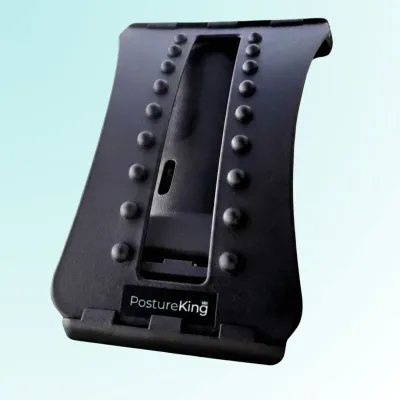
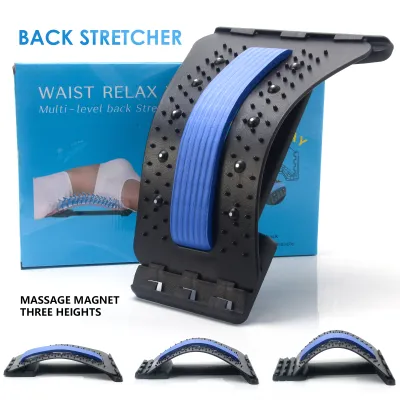
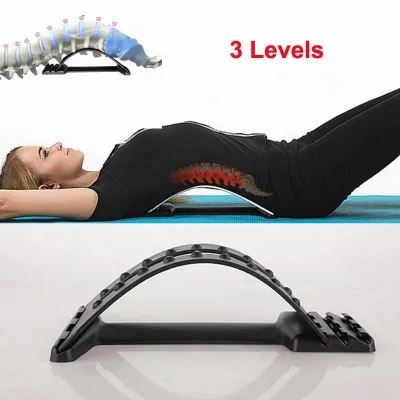
Prices are valid at publication and may change. Please refer to the product page for the latest price.
Meet the Contenders: Core Features and Mechanics
To make an informed purchase decision, you must first understand the biomechanical principles behind how each tool functions as a body stretcher. Each piece of equipment manipulates resistance in a distinct way, which alters how your muscles contract, stretch, and recover during a workout.

Pilates Ring (Magic Circle)
Originally designed by Joseph Pilates using the metal hoop from a keg, the modern Pilates ring is a flexible circular band—typically constructed from steel or fiberglass—featuring padded grips on both the interior and exterior surfaces. This design allows you to use the ring by either squeezing it inward or pressing outward against the pads, utilizing your own body weight and muscular control to create tension.
The mechanical action of a Pilates ring is primarily isometric, meaning it provides resistance without requiring a large range of motion. When used as a body stretcher, it acts as an alignment guide and stabilizer, helping you maintain correct posture while activating the deep, stabilizing muscles of the inner and outer thighs, chest, shoulders, and pelvic floor. Because it relies on manual compression, the level of resistance is entirely dependent on the force you apply, making it an excellent tool for developing body awareness and precision.
In humid tropical climates, look for rings with high-grade, non-slip EVA foam pads and moisture-resistant coatings. Sweaty hands and legs can easily slip off inferior plastic handles, which compromises your form and increases the risk of sudden muscle strain.
Resistance Bands
Resistance bands are elastic bands made from latex or woven fabric-covered rubber that provide variable linear resistance. They are available in several common configurations, including thin flat therapy bands, closed-loop mini bands, and heavy-duty tube bands equipped with plastic handles and door anchors. Unlike weights, which rely on gravity, resistance bands allow you to apply force in any direction or plane of motion.
The core mechanic of a resistance band is progressive elastic tension, which is governed by Hooke’s Law: the further you stretch the band, the greater the resistance becomes. This makes them highly effective as dynamic body stretchers, as the tension build-up matches the natural strength curve of your muscles, providing lighter resistance at the start of a movement and maximum challenge at full extension. They are widely used in physical therapy to gently traction joints, stretch tight hamstrings, and restore mobility to injured shoulders.
When choosing bands in the Philippines, material durability is a critical consideration. Standard latex bands are highly susceptible to dry rot and cracking when exposed to heat and high humidity; fabric-bound resistance bands are often more resilient and comfortable against the skin during intense, warm-weather workouts.
Pilates Reformer
The Pilates reformer is a sophisticated, bed-like apparatus consisting of a flat platform called the carriage, which slides back and forth on wheels along a metal or wooden frame. The carriage is connected to one end of the frame by a series of adjustable springs of varying tensions. It also features a footbar, long straps with loops for the hands or feet, and shoulder blocks to keep you securely positioned.
The reformer utilizes spring-based linear resistance to guide your body through a controlled range of motion. Unlike elastic bands, which can snap back rapidly if control is lost, the steel springs of a reformer provide a smooth, consistent, and highly predictable resistance throughout both the concentric (shortening) and eccentric (lengthening) phases of an exercise. This unique mechanical action allows you to perform deep, supported stretches and high-intensity, low-impact strength movements simultaneously.
Because the reformer supports your body weight, it acts as a highly guided body stretcher that minimizes joint stress. It allows you to target muscles from angles that are impossible to replicate on a standard exercise mat, making it highly favored for spinal decompression, postural correction, and athletic conditioning.
Head-to-Head Comparison: What Matters Most
To determine which body stretcher is best suited for your home gym or daily routine, we must compare them across three critical dimensions: muscle targeting, exercise variety, and spatial logistics.
Effectiveness and Muscle Targeting
The three tools differ significantly in how they engage your muscles and facilitate flexibility. The Pilates reformer is the most effective for comprehensive, full-body eccentric muscle targeting. Eccentric training—where the muscle is challenged while it is actively lengthening—is highly effective for building long, lean muscle fibers and improving active flexibility. The spring system of the reformer assists your body in holding deep stretches safely, allowing you to gradually increase your range of motion without overloading your joints.
Resistance bands excel at dynamic mobility and multi-planar stretching. Because they are not fixed to a rigid frame, they require your stabilizing muscles to work continuously to control the path of the band. This makes them highly effective for functional movement patterns, rotator cuff strengthening, and targeted hip opening. However, they lack the heavy, stable base required for deep, passive, weight-supported stretching.
The Pilates ring is highly specialized and excels at isolating specific muscle groups, particularly the adductors (inner thighs) and chest stabilizers. It is not designed for full-body strength building or deep passive stretching; rather, it acts as a feedback tool. Squeezing the ring during a mat exercise forces you to engage your deep core muscles, ensuring that your body remains perfectly aligned and that secondary muscle groups are actively participating.
Versatility and Exercise Range
When it comes to exercise variety, the Pilates reformer is unmatched. A standard studio or high-quality home reformer supports over five hundred distinct exercises, ranging from basic footwork for beginners to highly advanced, gravity-defying athletic maneuvers. By adjusting the spring tension, changing your body position, or using the straps, you can target every major muscle group from multiple angles.
Resistance bands are also incredibly versatile, limited only by your imagination and anchoring options. You can easily loop them around your feet for a seated hamstring stretch, anchor them to a sturdy post for standing chest presses, or use them to assist your body weight during pull-ups. They integrate seamlessly into yoga, traditional strength training, and physical therapy routines.
The Pilates ring is the least versatile of the three. While it is an exceptional accessory, its exercise library is relatively small and highly focused on squeezing and pressing movements. It is designed to supplement and intensify an existing mat Pilates routine rather than serve as a standalone, comprehensive workout system.
Portability, Space, and Setup
For many fitness enthusiasts in the Philippines, practical logistics are the deciding factor. Resistance bands are the undisputed champions of portability. They are lightweight, require virtually zero storage space, and can be packed into a small pouch for travel, outdoor workouts, or quick sessions in a compact condominium. They require no setup time and can be used anywhere.
The Pilates ring is also highly portable and easy to store. It is lightweight and flat, allowing it to be slid under a bed, hung on a wall hook, or packed flat into a suitcase. It requires no assembly and is ready to use instantly.
In contrast, a Pilates reformer requires a massive spatial and physical commitment. A standard reformer is approximately 8 to 9 feet long and 2 to 3 feet wide, requiring a dedicated floor area with at least two feet of clearance on all sides for safe operation. While some manufacturers offer foldable or vertically storable home reformers, these units are still heavy (often weighing between 30 to 70 kilograms) and require physical strength and time to assemble, unfold, and store away after each use. If you live in a small apartment or do not have a dedicated workout room, a reformer can quickly become a cumbersome obstacle.
Price and Value Assessment
The financial investment required for these three body stretchers represents three entirely different economic tiers. Understanding the upfront costs, potential hidden fees, and long-term durability of each option is essential for determining their true value.
Resistance bands are the most budget-friendly option, with high-quality sets typically priced between ₱150 and ₱800 on online marketplaces and local sports retailers. They offer an incredibly high return on investment due to their low cost and high utility. However, bands are wear-and-tear items; because rubber degrades over time, especially when exposed to sweat and tropical humidity, they must be inspected regularly and replaced every 12 to 24 months to prevent snapping during use.
Pilates rings occupy a highly affordable mid-range tier, usually retailing between ₱300 and ₱1,200. Because they are constructed with steel or fiberglass cores, they are highly durable and rarely need replacement unless the foam padding degrades or the frame loses its spring tension after years of heavy use. This makes them a highly cost-effective, long-term addition to your home workout gear.
Pilates reformers are a premium fitness investment. Entry-level, foldable home reformers typically start around ₱25,000 to ₱45,000, while professional-grade, solid-wood or aluminum studio models can easily range from ₱100,000 to over ₱250,000. When shopping for a reformer, exercise extreme caution regarding ultra-cheap, unbranded machines sold online. These budget models often use low-quality plastic wheels, rough tracks, and weak, uncalibrated springs that can compromise your safety and ruin the smooth, fluid movement that makes reformer training effective.
Additionally, own-use reformers carry long-term maintenance responsibilities. To ensure safe operation, you must regularly clean the tracks, lubricate the wheels, inspect the straps for fraying, and replace the tension springs every two years of consistent use. If you are not ready for this financial or maintenance commitment, attending local reformer studio classes may offer better long-term value.
Decision Framework: Which Should You Buy?
To finalize your purchase decision, evaluate how your specific physical needs, budget, and living conditions align with the following profiles.
- Choose the Pilates Ring if:
- You already have a consistent mat Pilates routine and want to increase the difficulty and core engagement.
- Your primary goals are improving pelvic floor strength, inner thigh toning, and upper body alignment.
- You have a limited budget and want a durable, low-maintenance accessory that stores flat under a bed or in a closet.
- Choose Resistance Bands if:
- You need maximum portability for travel, outdoor workouts, or moving between rooms in a compact home.
- You are recovering from an injury and require gentle, highly adjustable traction and dynamic joint mobility work.
- You want the most versatile, multi-functional stretching tool available at the lowest possible entry price.
- Choose the Pilates Reformer if:
- You have a dedicated, permanent space in your home (at least 9×5 feet of clear floor space) and a flexible budget.
- You want a low-impact, full-body workout system that excels at eccentric muscle lengthening and deep, supported stretching.
- You prefer a highly guided, smooth, and controlled movement pattern that minimizes stress on your spine and joints.
- Verify First:
- Before purchasing any high-resistance equipment or starting a new fitness routine, verify your physical readiness.
- If you have pre-existing spinal conditions, herniated discs, joint instability, or chronic pain, consult a physical therapist or a certified Pilates instructor first. Equipment cannot replace professional clinical judgment.
- Always read the manufacturer's user manual and safety guidelines regarding weight limits, assembly, and spring maintenance. If instructions conflict or if you are unsure of a setup step, stop immediately and contact the manufacturer or a qualified professional.
Frequently Asked Questions (FAQ)
Can I use a Pilates ring and resistance bands together?
Yes, combining a Pilates ring and resistance bands is an excellent way to introduce multi-directional resistance to your mat workouts. For example, you can place a loop resistance band around your outer thighs to activate your glutes while simultaneously squeezing a Pilates ring between your hands to engage your chest and deep core. This combination challenges your stability and forces your body to maintain strict alignment. However, you should master the correct form of each exercise using only one tool first; introducing too many variables too quickly can compromise your joint alignment and increase the risk of strain.
Is a foldable Reformer as effective as a studio model?
Foldable reformers are highly effective space-saving solutions for home workouts, but they do involve clear trade-offs compared to solid, one-piece studio models. To allow for folding, these units often feature a split track, which can create a slight bump or friction as the carriage wheels glide over the seam. They also tend to have shorter carriage tracks, lower maximum user weight capacities, and lighter frames that may shift slightly during high-intensity, dynamic movements. Before purchasing, carefully verify the manufacturer’s specifications for track length, maximum user height, and weight limits to ensure the machine safely accommodates your body size and allows you to achieve a full, uncompromised range of motion.
Community discussion
Share your experience or ask a question. Comments are reviewed before publication.