
Starting a home Pilates practice requires deciding which tool will best support your consistency, physical space, and fitness goals. While the classic Pilates Reformer often represents the pinnacle of the practice, its substantial size and cost make it a challenging entry point for many. For most beginners, the choice comes down to three primary tools: the highly portable resistance band, the targeted Pilates ring (or Magic Circle), and the comprehensive Reformer machine. Selecting the right one first involves balancing your immediate budget, your available floor space, and your current familiarity with Pilates movement patterns.
The ideal first purchase is not necessarily the most advanced or expensive piece of equipment, but the one that removes the most friction from your daily routine. In a tropical climate like the Philippines, where indoor space can be premium and humidity affects equipment care, choosing a setup that fits your lifestyle is crucial. By evaluating your personal constraints and fitness objectives early, you can build a sustainable, safe, and deeply rewarding home practice.
Quick Diagnostic: Match Your Space, Budget, and Skill Level
Before committing to any equipment, you must assess three core dimensions: your physical living environment, your financial allocation, and your current physical conditioning. Pilates is highly dependent on precise form, and the equipment you choose should support your ability to execute movements safely and correctly.
Products mentioned in this guide
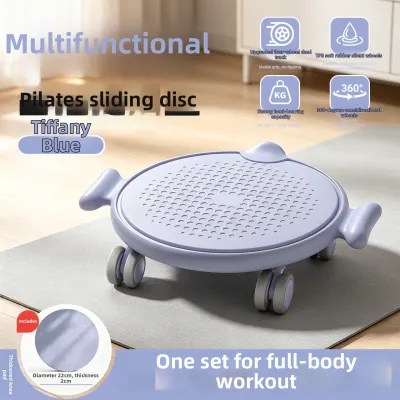

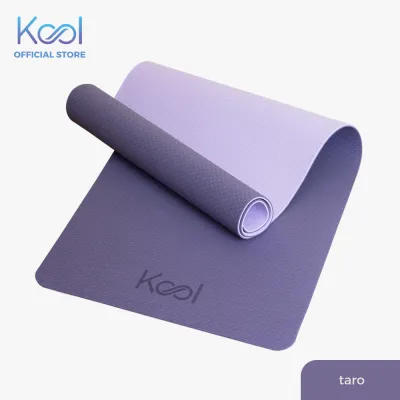
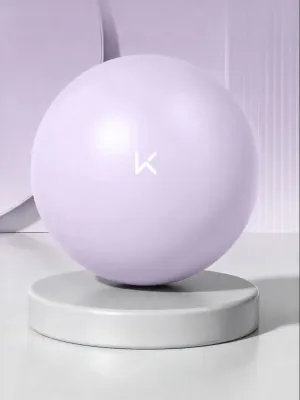
Prices are valid at publication and may change. Please refer to the product page for the latest price.
To help clarify your direction, consider the following self-assessment checklist based on your current household and fitness reality:
- The Space-Constrained Practitioner: If you live in a compact condominium or share a living space where equipment must be packed away after every session, prioritize highly portable tools like resistance bands or a Pilates ring.
- The Budget-Conscious Beginner: If you want to explore Pilates without a major financial commitment, resistance bands offer the lowest barrier to entry, followed closely by the Pilates ring.
- The Dedicated Fitness Enthusiast: If you have a dedicated home gym or spare room, a long-term budget, and a commitment to daily low-impact conditioning, a Pilates Reformer is a viable centerpiece.
- The Form-Focused Novice: If you are still learning to find your deep core muscles, starting with a Pilates ring or bands allows you to build necessary mind-muscle connection before navigating the complex mechanics of a Reformer.
Ultimately, your first purchase should facilitate a consistent habit. Buying a large machine that crowds your living room can create mental friction, while buying cheap bands that snap easily can disrupt your momentum. Focus on establishing a reliable routine with manageable tools before scaling up your home studio.
Resistance Bands: The Accessible Starting Point for Small Spaces
Resistance bands are the most accessible entry point for home Pilates, offering a highly versatile workout with virtually zero storage requirements. They are particularly suited for renters, frequent travelers, and those operating on a modest budget. Because they can be easily folded and stored in a drawer, they allow you to transform any room into a temporary workout space in seconds.

The primary mechanical benefit of resistance bands is their ability to mimic the spring-based resistance of a Pilates Reformer. As you stretch a band, the tension increases progressively, requiring your muscles to work harder at the end of the movement. This variable resistance challenges your muscles through both the concentric (shortening) and eccentric (lengthening) phases of an exercise, which is excellent for building long, lean muscle tone.
However, resistance bands have distinct limitations when compared to structured apparatus. Unlike a Reformer, which provides a fixed carriage and solid frame to guide your alignment, bands offer no external structural support. This means you must rely entirely on your stabilizer muscles to maintain proper form and prevent the band from pulling your joints out of alignment. Additionally, the resistance is not constant; it is lightest at the beginning of the movement and heaviest at the peak stretch, which differs from the more uniform tension provided by high-quality metal springs.
When shopping for resistance bands, you must evaluate the material and design to match your specific needs:
- Latex vs. Fabric: Latex bands offer excellent elasticity and are ideal for upper-body movements, but they can degrade quickly in hot, humid climates. Fabric loop bands are highly durable, resist rolling up, and provide excellent resistance for lower-body lateral work, though they offer less stretch.
- Attachment Accessories: Look for sets that include comfortable foam handles, ankle straps, and a secure door anchor to expand your exercise options safely.
Because resistance bands are subject to high tension, safety and care are paramount. Always check the manufacturer’s care instructions before your first use. Inspect your bands thoroughly before every workout, looking for micro-tears, discoloration, or brittle spots. In humid environments, store your bands in a cool, dry place away from direct sunlight, as UV rays and heat accelerate rubber degradation. If you notice any signs of wear, discard the band immediately to prevent painful snap-back injuries during exercise.
Pilates Ring: The Targeted Tool for Muscle Activation and Control
The Pilates ring, historically known as the Magic Circle, is a specialized tool designed to deepen muscle activation and improve alignment. Invented by Joseph Pilates, this flexible ring features dual-sided pads that allow you to squeeze it between your hands, thighs, or ankles. It is an exceptional first purchase for those who already practice mat Pilates but struggle to engage specific stabilizing muscle groups.
The core benefit of the Pilates ring lies in its ability to provide both isometric and isotonic resistance. When you compress the ring, it provides immediate tactile feedback, helping you identify exactly which muscles are firing. It is particularly effective for targeting hard-to-reach areas such as the adductors (inner thighs), pelvic floor, chest, and deep core stabilizers. Because it is lightweight and flat, it can be easily slid under a bed or stood up in a closet, making it highly suitable for smaller living spaces.
Despite these benefits, the Pilates ring is a supplementary tool rather than a comprehensive, standalone system. It cannot provide the heavy, adjustable resistance needed for significant lower-body strength progression, nor does it offer the spinal support and decompression benefits of a Reformer carriage. It is designed to enhance your existing mat routine rather than replace other forms of resistance training.
To choose a durable and effective Pilates ring, keep the following specifications in mind:
- Diameter: Standard rings are typically 14 to 15 inches in diameter, which fits most adults comfortably. Smaller 12-inch rings are available for individuals with narrower shoulders or shorter frames.
- Core Material: Look for a ring with a flexible fiberglass or spring-steel core. Fiberglass offers a lighter, springier feel, while steel provides a firmer, more challenging resistance and is less likely to warp over time.
- Pad Quality: Ensure the ring features non-slip, sweat-resistant foam pads on both the inside and outside of the ring to allow for comfortable compression during both pulling and pushing exercises.
Integrating the ring into your routine is straightforward. You can place it between your ankles during a hundred exercise to keep your inner thighs engaged, or hold it between your hands during a roll-up to stabilize your shoulders. This immediate feedback helps correct common alignment errors, ensuring you get the most out of every mat movement.
Pilates Reformer: The Comprehensive Investment for Dedicated Practice
The Pilates Reformer is the ultimate apparatus for a complete, low-impact conditioning routine, but it requires a major commitment of space, money, and maintenance. Comprising a sliding carriage, a system of springs, pulleys, and a footbar, the Reformer supports your body while providing smooth, adjustable resistance. It is the ideal choice for advanced practitioners, those recovering from injuries under professional guidance, or individuals with a dedicated home wellness space.
The primary advantage of the Reformer is its ability to facilitate a massive library of exercises that cannot be replicated on a standard mat. The spring system provides constant, smooth resistance that supports your joints while challenging your core stability. Because the carriage moves, your body must constantly adjust to maintain balance, which builds deep stabilizing strength and improves overall coordination. Furthermore, the frame and straps help guide your body into correct alignment, reducing the risk of compensation injuries.
However, the commitments required for a home Reformer are substantial. Financially, a high-quality Reformer is a premium investment, often costing from tens of thousands to over a hundred thousand Philippine Pesos (₱). Physically, these machines are large, typically requiring a floor footprint of about 8 feet by 2.5 feet, plus additional clearance space around the machine for safe mounting and dismounting. They are also heavy, making them difficult to move once assembled.
When evaluating a Reformer for your home, consider these essential buying parameters:
- Frame Construction: Wood frames offer beautiful aesthetics and excellent stability but are incredibly heavy. Metal or aluminum frames are often lighter and may feature folding mechanisms for vertical storage.
- Spring Configuration: Ensure the machine uses high-quality, commercial-grade springs with varying tension levels (typically color-coded) so you can adjust the resistance precisely to your fitness level.
- Carriage and Rail Smoothness: The carriage should glide silently and smoothly along the rails. Any catching, bumping, or squeaking indicates poor manufacturing or worn wheels.
- Warranty and Weight Capacity: Always check the manufacturer's specified weight capacity and warranty terms to ensure safe operation.
If a Reformer does not fit your current budget or living space, do not feel pressured to make a premature purchase. A highly effective alternative path is to invest in a premium mat and a set of quality resistance bands for your daily home practice. You can then allocate the remaining budget to attend weekly or bi-weekly Reformer classes at a local professional studio. This hybrid approach ensures you receive the benefits of expert hands-on instruction and high-end machinery without compromising your home’s living space or your financial stability.
Final Decision Matrix: Comparing Your Options Side-by-Side
To help you synthesize these options and make an informed first purchase, the table below compares the three equipment types across key decision dimensions:
| Decision Dimension | Resistance Bands | Pilates Ring | Pilates Reformer |
|---|---|---|---|
| Relative Cost | Low (₱300 – ₱1,500) | Moderate (₱800 – ₱2,500) | High (₱15,000 – ₱150,000+) |
| Space Required | Negligible (fits in a drawer) | Minimal (fits under a bed) | Substantial (requires dedicated floor space) |
| Learning Curve | Low (intuitive but requires self-correction) | Low to Moderate (excellent tactile feedback) | Moderate to High (requires instruction to use safely) |
| Primary Benefit | Progressive resistance, high portability | Targeted muscle activation, alignment feedback | Full-body conditioning, joint support, smooth resistance |
| Maintenance Level | Low (regular inspection for tears) | Low (wipe down after use) | Moderate to High (cleaning rails, checking springs/ropes) |
To finalize your choice, map your personal profile to the recommendations below:
- Choose Resistance Bands if you are a beginner, rent your home, travel frequently, or want a low-cost entry point that takes up zero physical space.
- Choose a Pilates Ring if you already practice mat Pilates, want to target specific areas like your inner thighs or core, and need a lightweight tool with immediate physical feedback.
- Choose a Pilates Reformer if you are a dedicated practitioner with a permanent home gym space, have a premium budget, and want a comprehensive, joint-friendly workout machine.
Starting your Pilates journey with smaller, affordable tools like bands or a ring is an excellent way to build foundational core strength and establish a consistent routine. Once you have confirmed your long-term dedication to the practice, you can confidently decide whether to invest in a full-scale Reformer.
Frequently Asked Questions (FAQ)
Can I get the same results with a resistance band as a Reformer?
While resistance bands are excellent for building strength, improving flexibility, and conditioning your muscles, they cannot fully replicate the Reformer experience. Bands provide variable tension that increases as they stretch, whereas Reformer springs offer more consistent, smooth resistance throughout the entire movement. Additionally, the Reformer’s solid frame, sliding carriage, and pulley system provide structural alignment support and joint-friendly decompression that bands simply cannot match.
Do I need a specific type of mat if I buy a Pilates ring or bands?
Yes, using a high-quality, dense mat is essential when practicing with portable tools like a Pilates ring or resistance bands. Standard yoga mats are often too thin (typically 3mm to 5mm) to protect your spine, hips, and knees during floor-based Pilates exercises. Look for a dedicated Pilates mat that is at least 10mm to 15mm thick, featuring a non-slip textured surface. In a warm, humid climate, ensuring the mat has excellent grip is vital to prevent slipping when sweating or anchoring bands.
Is it safe to buy a used or second-hand Pilates Reformer?
Buying a second-hand Reformer can be a great way to save money, but you must exercise extreme caution. Before purchasing, thoroughly inspect the carriage wheels for flat spots, check the springs for any rust, gaps, or loss of tension, and examine all ropes, straps, and loops for fraying. Always test-drive the machine to ensure the carriage glides silently and smoothly along the rails. It is highly recommended to stick to reputable, well-known brands where replacement parts and springs are still easily obtainable from the manufacturer.
Community discussion
Share your experience or ask a question. Comments are reviewed before publication.