
Finding the right driver is not about searching for a universal, one-size-fits-all club. Instead, it is about identifying which engineering profile matches your unique swing dynamics, tempo, and typical miss patterns.
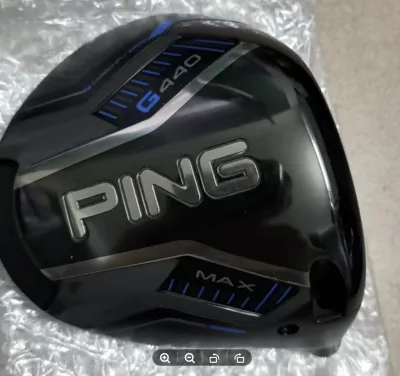
Your swing speed, launch angle, and spin preferences dictate which clubhead will perform best on the course. The PING G440 Max, TaylorMade Qi10, and Callaway Elyte represent three distinct design philosophies aimed at optimizing off-the-tee performance. By comparing their structural designs, adjustability features, and forgiveness profiles, you can narrow down the options before stepping into a hitting bay.
In the humid, tropical playing conditions of the Philippines, where soft fairways can limit roll-out and moisture can affect ball spin, finding a driver that delivers consistent launch conditions is essential for maintaining distance and accuracy.
Products mentioned in this guide
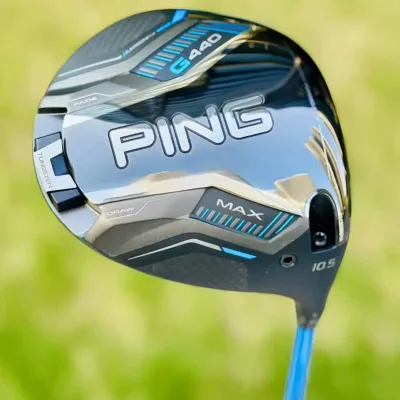
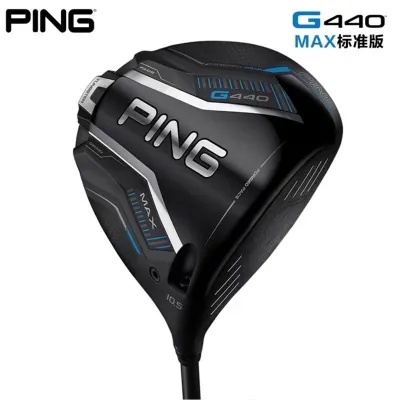

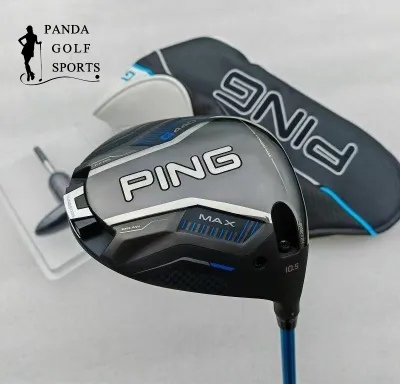
Prices are valid at publication and may change. Please refer to the product page for the latest price.
Understand the Design Philosophy of Each Driver
PING has historically focused on maximizing the Moment of Inertia (MOI) in its driver designs. This engineering approach places weight as far back and low in the clubhead as possible to resist twisting on off-center hits. For golfers who prioritize keeping the ball in play and minimizing the severity of big misses, this high-MOI philosophy offers exceptional stability.
TaylorMade takes a different path, emphasizing face flexibility, aerodynamics, and raw ball speed generation. Their designs often feature advanced face materials and streamlined crown shapes to help players maximize energy transfer. This approach is tailored for golfers who want to squeeze out every yard of carry distance and prefer a fast, aggressive feel through the air.
Callaway focuses on a balanced, multi-material construction that often utilizes lightweight carbon composites to free up discretionary weight. This weight is then strategically redistributed to allow for versatile shot-shaping capabilities and adjustable weighting systems. This philosophy appeals to players who want to fine-tune their launch conditions and spin rates to match specific course layouts.
Before testing these models, reflect on your primary on-course struggles. Deciding whether your main priority is keeping the ball in play, maximizing carry distance, or having the ability to shape your shots will guide you toward the design philosophy that best supports your game.
Compare Key Performance Specifications
To cut through marketing claims, you must learn to evaluate the technical specifications of each driver using official manufacturer spec sheets. Pay close attention to how each brand positions its Center of Gravity (CG) and defines its MOI ratings. A low-and-back CG typically promotes a higher launch and more spin, whereas a forward CG lowers launch and spin for faster swing speeds.

Additionally, compare the adjustability features of each clubhead, including the hosel settings and weight ports. The stock shaft options are equally critical; the shaft acts as the engine of the club, and matching its weight, flex, and torque to your transition tempo is vital for consistent delivery.
Forgiveness and Stability on Off-Center Hits
Forgiveness is mathematically tied to a club’s MOI, which is measured both horizontally (heel-to-toe) and vertically (crown-to-sole). A high horizontal MOI prevents the face from opening or closing when you strike the ball away from the sweet spot, reducing the gear effect that causes severe slices or hooks.
The physical footprint of the clubhead at address also plays a significant role in performance and confidence. A larger, more elongated crown can inspire confidence over the ball, while a compact shape appeals to players who prefer a traditional look. However, visual confidence must be backed up by data; always verify actual forgiveness by analyzing your dispersion circle on a launch monitor during a fitting.
Ball Speed and Distance Technologies
Manufacturers use variable face thickness designs to maintain high ball speeds on off-center strikes. By thinning out the perimeter of the face, they allow the outer areas to flex more efficiently, reducing the speed penalty on toe or heel strikes.
Aerodynamic features, such as streamlined crown curves and sole slots, are designed to reduce drag during the downswing. This is particularly relevant for players with high clubhead speeds who want to maximize their velocity through the air. Keep in mind that actual ball speed gains are highly dependent on your dynamic loft and angle of attack; a driver designed for low drag will only translate to extra distance if your impact conditions are optimized.
Adjustability and Shot Shaping
Adjustability allows you to customize the driver to your specific swing tendencies. Most modern hosel systems allow you to adjust loft by up to two degrees up or down, which also alters the face angle—closing the face when loft is increased, and opening it when loft is decreased.
Movable weights or interchangeable weight ports let you shift the center of gravity toward the heel to promote a draw bias, or toward the toe to promote a fade bias. While these adjustments can help mitigate a persistent miss, they are not a substitute for sound swing mechanics. It is highly recommended to establish a baseline with neutral settings before making incremental adjustments to fine-tune your ball flight.
Decision Framework: Which Driver Fits Your Swing?
To help narrow down your choice, consider how your typical swing aligns with each driver’s design strengths.
Choose the PING G440 Max if: Your primary goal is consistency and fairway accuracy. If you struggle with a wide dispersion pattern and want a driver that minimizes the penalty on off-center strikes, the high-MOI design of the PING G440 Max is engineered to keep your ball on a straighter line. It is highly suited for players who prefer a stable, solid feel at impact and want maximum assistance on off-center hits.
Choose the TaylorMade Qi10 if: You have a relatively consistent impact pattern and want to prioritize ball speed and distance. If you prefer an aerodynamic head shape that encourages a faster swing tempo and like a crisp, energetic feel at impact, this model is designed to optimize energy transfer. It suits players who want to maximize their carry distance and are comfortable with a slightly more forward-weighted feel.
Choose the Callaway Elyte if: You want a highly customizable driver that allows you to fine-tune your launch, spin, and shot shape. If you are sensitive to the sound and feel of your driver and prefer a muted, carbon-fiber acoustic profile, this model offers versatile weighting options. It is ideal for players who want to dial in specific spin numbers or who like to adjust their club configuration based on course conditions.
Verify first if: Your swing speed falls outside the average range (either below 80 mph or above 105 mph). In these cases, stock shaft options may not provide the optimal launch angle or spin rate, making a custom shaft selection essential to unlock the clubhead’s full potential.
Pre-Purchase Fitting and Verification Checklist
Before investing in a new driver, which can exceed ₱40,000 at authorized local retailers in the Philippines, a professional fitting is highly recommended. Do not rely solely on indoor simulator distance numbers, which can sometimes be artificially boosted. Instead, focus on key metrics such as smash factor (ball speed divided by clubhead speed), backspin rate, and your overall dispersion pattern.
When testing, make sure to hit several shots with your typical “bad swing.” A driver that performs beautifully on your perfect swing but punishes your miss will not help your score on the course. Verify the warranty terms and return policies with your local golf shop to ensure your investment is protected.
If the launch monitor data shows inconsistent spin rates or erratic launch angles, consult a certified club fitter to test alternative shaft profiles. Matching the shaft’s weight and flex to your transition tempo is just as critical as choosing the right head.
Frequently Asked Questions (FAQ)
Does a higher MOI guarantee straighter drives?
A higher Moment of Inertia (MOI) reduces the amount the clubhead twists when you strike the ball away from the center of the face. This helps preserve ball speed and keeps the ball closer to your target line than a low-MOI club would. However, MOI cannot correct a severe path-to-face mismatch; if your clubface is wide open at impact, the ball will still slice.
Should I prioritize the clubhead or the shaft when upgrading?
The shaft is often referred to as the engine of the golf club because it dictates how the clubhead is delivered to the ball. A high-performance clubhead paired with an unsuitable shaft will result in poor timing, inconsistent launch angles, and erratic spin. Prioritize finding a shaft that matches your swing tempo and release, then pair it with the head that offers the right forgiveness and launch characteristics.
How often should I upgrade my driver?
For most golfers, upgrading every five to seven years yields the most noticeable performance gains. Year-over-year technological advancements are typically incremental. You should consider an upgrade sooner if your physical swing characteristics change significantly, or if your current driver suffers structural wear that affects its performance.
Community discussion
Share your experience or ask a question. Comments are reviewed before publication.