
Finding the right foot support for plantar fasciitis depends entirely on when and how you experience pain. If your heels throb during daytime walking, running, or standing on hard surfaces, supportive insoles are your primary tool. If you dread the sharp, stabbing pain of your very first steps out of bed, a night splint is designed to address that specific morning stiffness. For active recovery, compression sleeves and daytime braces offer targeted pressure and joint stability during movement. Before starting any new support regimen, verify your condition with a healthcare professional, especially if you experience acute swelling, worsening pain, or numbness.
Matching Support Types to Your Specific Pain Patterns
To make progress toward curing plantar fasciitis, you must first understand your foot’s daily pain patterns. The plantar fascia is a thick band of tissue running along the bottom of your foot, connecting your heel bone to your toes. When you sleep, your feet naturally point downward, allowing this tissue to contract and tighten. Taking your first steps in the morning abruptly stretches this contracted tissue, causing micro-tears and intense pain. Conversely, daytime pain is typically driven by cumulative fatigue, impact, and arch collapse under your body weight.
Calf tightness plays a massive role in this cycle. Tight calf muscles pull on the Achilles tendon, which directly increases tension on the plantar fascia. When your arch collapses during walking or running, it places continuous, repetitive strain on this already irritated tissue. Managing this condition successfully relies on consistent load management, tissue stretching, and professional guidance. No single product can act as a universal cure, but matching the right support to your specific pain triggers is a critical step in your recovery journey.
Products mentioned in this guide
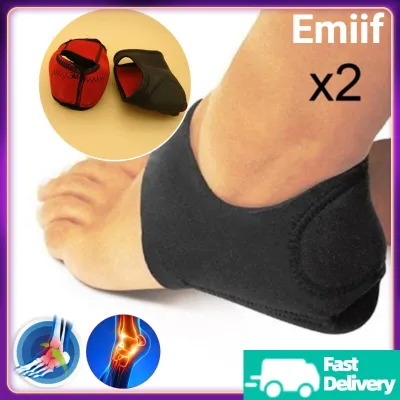
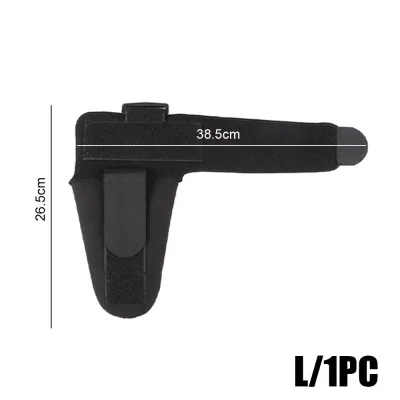
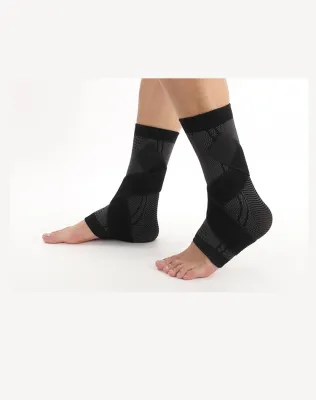
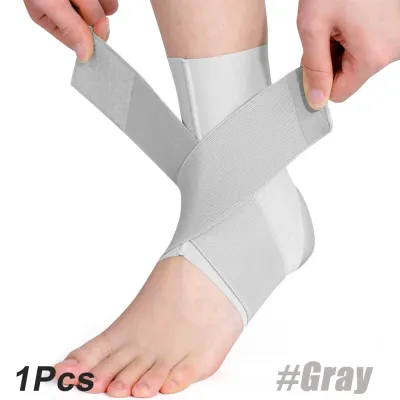
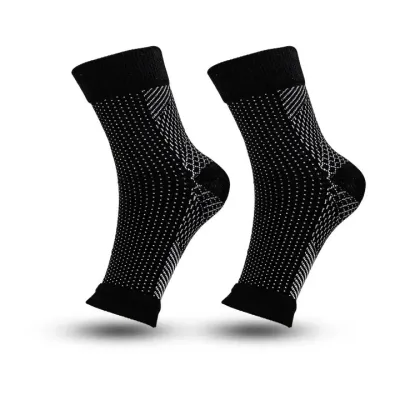
Prices are valid at publication and may change. Please refer to the product page for the latest price.
Insoles: Managing Daytime Load and Arch Support
Insoles are designed to manage the physical load placed on your feet during weight-bearing activities. By supporting the arch, they prevent the plantar fascia from overstretching and collapsing under your body weight. This constant support is crucial for anyone who spends long hours standing on hard floors, walking during daily commutes, or engaging in high-impact sports.

When selecting over-the-counter insoles, look for key features on the product label. A deep heel cup is essential for stabilizing the heel and keeping the foot’s natural cushioning aligned. The arch support itself should be rigid or semi-rigid; soft, foam-only inserts typically compress too easily to provide structural relief. Additionally, targeted shock absorption in the heel and forefoot helps disperse impact forces before they reach your injured fascia.
Before purchasing, perform a compatibility check with your existing footwear. Ensure the insole fits comfortably inside your athletic or daily shoes without crowding the toe box or altering your natural gait. You will likely need to remove the factory insoles from your shoes to accommodate the new orthotics. Keep in mind that while insoles are excellent for daytime load management, they do not actively stretch the fascia or address severe overnight tissue contraction.
Night Splints: Addressing Morning Stiffness and Tissue Healing
Night splints target the root cause of morning heel pain by keeping the foot in a neutral or slightly stretched position while you sleep. By preventing the foot from pointing downward, the splint keeps the plantar fascia and calf muscles elongated overnight. This continuous, gentle stretch allows the tissue to heal in an extended position, reducing the sharp pain associated with those first morning steps.
There are two primary types of night splints to consider based on your comfort preferences. Dorsal splints run along the top of the foot and shin, leaving the heel and arch exposed. They are generally less bulky and cooler to wear, though they may put pressure on the toes. Posterior splints run down the back of the calf and under the foot, offering highly secure and consistent stretching, but they are bulkier and can feel restrictive. Alternatively, flexible sock-style stretch sleeves use an adjustable strap to pull the toes upward, providing a softer, more compliant option.
Balancing comfort and compliance is the main trade-off with night splints. Rigid splints are highly effective at maintaining the correct angle, but their bulkiness can disrupt sleep, leading some users to discard them. To succeed, plan for a gradual adaptation period, wearing the splint for short periods while resting before attempting to sleep in it. Always stop use immediately if you experience numbness, tingling, cold toes, or any signs of restricted circulation.
Daytime Braces and Sleeves: Compression and Joint Stability
Daytime braces and compression sleeves offer a lightweight, flexible alternative for managing discomfort during active hours. Unlike rigid night splints, these products are designed to move with you, providing localized compression and joint stability. They are particularly useful for individuals who need extra support during sports, long work shifts, or active daily commutes.
It is important to distinguish between rigid ankle braces and compression sleeves. Rigid ankle braces are designed to limit lateral movement and support joint instability, which may be necessary if you are recovering from an ankle sprain alongside plantar fasciitis. Compression sleeves, on the other hand, focus on improving blood flow, reducing localized swelling, and providing mild soft tissue support. Many specialized plantar fasciitis sleeves feature built-in arch support straps or figure-eight tension bands that mimic professional taping techniques.
These daytime supports are best used during periods of increased activity or acute flare-ups where swelling is present. They provide valuable proprioceptive feedback, helping you stay aware of your foot alignment during movement. However, they should not be relied upon as a permanent substitute for building foot strength. Use them strategically when you know your feet will be subjected to prolonged stress or hard surfaces.
Building Your Condition-Based Selection Matrix
Creating a comprehensive recovery plan often involves combining different support products safely. For 24-hour management, many users find success by wearing supportive insoles inside their shoes during the day and using a night splint or stretch sock while sleeping. This combination ensures the plantar fascia is supported during weight-bearing activities and kept from contracting overnight.
To ensure effectiveness, always verify fit and sizing before purchasing. Measure your foot length, arch height, and calf circumference, then compare these measurements against the manufacturer’s specific sizing charts. A poorly fitting support can worsen your symptoms by placing pressure on the wrong areas of the foot or restricting blood circulation.
In humid tropical climates like the Philippines, material selection and hygiene are critical. Look for supports made from breathable, moisture-wicking, and washable materials to prevent sweat buildup, skin irritation, and fungal infections. Regularly washing your braces, sleeves, and insoles is essential for maintaining both hygiene and material elasticity.
Finally, establish clear stop conditions for your self-care routine. While these support products are excellent tools for managing symptoms, they are not a replacement for professional medical care. If your heel pain does not improve after several weeks of consistent use, or if you experience sharp, shooting pain, numbness, or swelling that spreads, discontinue use immediately. Consult a physical therapist or podiatrist to develop a targeted rehabilitation plan.
Frequently Asked Questions (FAQ)
Can I wear insoles and a daytime brace at the same time?
Yes, you can combine insoles and a daytime compression sleeve, but you must monitor shoe volume and compression levels. Adding both supports to a single shoe can crowd the toe box, alter your gait, or restrict blood flow. To test this combination safely, ensure your shoe has removable factory insoles to make extra room. If you feel any numbness, coldness in your toes, or pinching, remove one of the supports immediately to prevent circulation issues.
How long does it typically take to see relief using these products?
The timeline for relief varies depending on the severity of your condition and your consistency. Many users experience immediate mechanical relief from daytime heel pain when switching to supportive insoles. However, long-term tissue healing and curing plantar fasciitis require consistent use over several weeks or months, alongside stretching and load management. If you do not observe gradual improvement within four to six weeks, seek a professional evaluation to adjust your treatment plan.
Are custom orthotics always better than over-the-counter insoles?
Custom orthotics are not always necessary for every individual. Over-the-counter insoles are often highly effective for mild to moderate cases of plantar fasciitis and provide a cost-effective starting point. However, if you have severe structural anomalies, such as extremely flat feet or high arches, or if your symptoms persist despite using standard insoles, custom orthotics may be required. A podiatrist can perform a detailed gait analysis and cast a custom device tailored precisely to your foot structure.
Community discussion
Share your experience or ask a question. Comments are reviewed before publication.